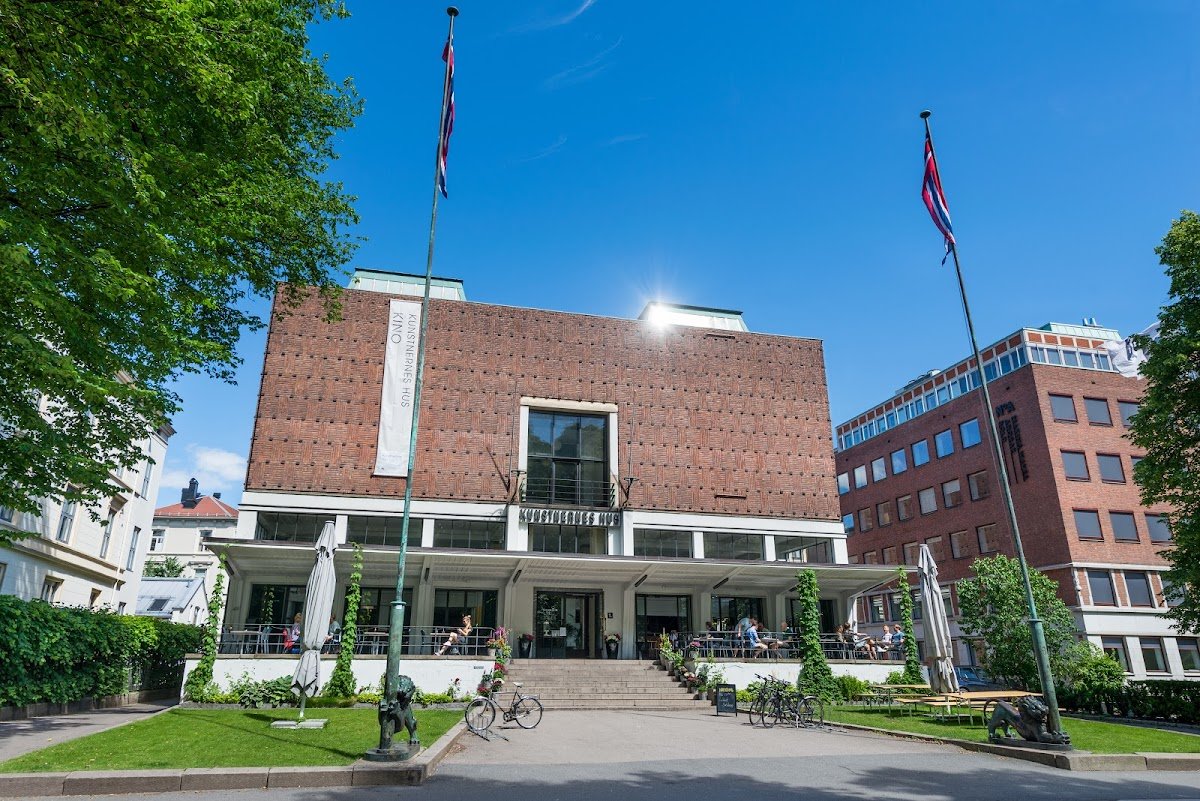
Kunstnernes Hus

Kunstnernes Hus

Oslo, Norway
i

Kunstnernes Hus rises in central Oslo as a meeting place for artists, locals, and visitors seeking a blend of Norwegian art and everyday urban life. Since opening its clean-lined doors in 1930, this iconic building has welcomed generations seeking inspiration, conversation, and a close look at some of the country’s most vital creative voices. The space merges form with function, care with boldness, carrying both tradition and experimentation within its airy halls.

Visiting Info

Currency
Entrance fee
120 NOK
Hours
Opening hours
Monday: Closed
Tuesday: 11:00 AM – 5:00 PM
Wednesday: 11:00 AM – 5:00 PM
Thursday: 11:00 AM – 7:00 PM
Friday: 11:00 AM – 5:00 PM
Saturday: 11:00 AM – 5:00 PM
Sunday: 11:00 AM – 5:00 PM

Contact Information

Location
Address
Wergelandsveien 17, 0167 Oslo, Norway

Planning your visit

Kunstnernes Hus’s location makes it a perfect cultural stop just outside Oslo’s busiest core. Most days give off a laid-back, creative atmosphere, but certain exhibitions and weekends can bring moderate crowds. Late spring through early autumn delivers the prettiest light through tall windows, though the striking Scandinavian architecture charms all year. The Hus sits a short stroll from Slottsparken, easily woven into a day of exploring downtown Oslo. Tickets are wallet-friendly, and children under 18 enter free, though special events sometimes require advance booking.

  • Best time to visit: Weekday afternoons, spring to early autumn for light and outdoor café seating
  • How to get there: Tram 17 or 18 to Holbergs plass; 10-minute walk from Nationaltheatret station; nearby street parking limited
  • Accessibility: Wheelchair-accessible main entrance and elevator; stroller-friendly; accessible restrooms on ground floor
  • Average visit duration: 1 to 2 hours for exhibits, longer for café or special events

Must see stuff

Those wandering Kunstnernes Hus first notice natural light gliding over wide floors, softening concrete and wood. The main galleries, always fresh with rotating exhibits, showcase works from both established Norwegian artists and young experimental voices. The renowned Stenersen Room often houses large-scale installations or video works, sometimes interactive. Outdoors, a courtyard terrace, half-hidden at street level, offers a cozy view of Oslo’s daily rhythms—locals chat over coffee, students sketch beneath birch trees.

  • Key sights or features: Light-filled main galleries, Stenersen Room installations, glass mosaic windows
  • Unique experiences: Artist talks, offbeat film screenings in the basement cinema, children’s creative workshops on weekends
  • Photo-worthy locations: Sweeping staircase against sculpted walls, glass façade at sunrise, courtyard café tables in summer
  • Cultural or historical facts: Built as a cooperative by Norwegian artists in 1930; a centerpiece of Oslo’s artist-led culture ever since

Tips for your visit

Many locals choose Kunstnernes Hus for its relaxed pace—rarely crowded except during major openings—so visitors seeking quiet should aim for early afternoons. The café, with its seasonal Nordic menu, often draws artists and writers for long conversations. While English is spoken by staff, signage leans Norwegian, so translation apps can help with art texts. Photography is allowed in most areas, though flash and tripods are discouraged. Some exhibits use sound or video that may unsettle small children, but weekend workshops offer fun, hands-on projects for families.

  • Best times to avoid crowds: Early afternoons on weekdays, outside of exhibit openings
  • What to bring: Water bottle, camera or phone, headphones for audio tours, comfortable shoes for walking and standing
  • Local etiquette or rules: Speak softly in main exhibit spaces; food and drink only in café area; respect photo restrictions
  • Safety or comfort advice: Some modern art pieces encourage touching or participation, but staff will clarify where this is allowed; accessible restrooms available on each floor
Kunstnernes Hus – Tickets, Hours & Visitor Guide