Google Places photo

The Norwegian Museum of Cultural History

Oslo, Norway
i

Google Places photo

Photo by Corinne Le roy

The Norwegian Museum of Cultural History captures the essence of Norway’s diverse past by letting visitors step into centuries-old wooden farmhouses, lush village greens, and lively recreated streets. This open-air museum offers a rare chance to explore a whole country within a single park, where history is alive in every corner and folklore echoes in each log cabin or stave church.

Visiting Info

Currency
Entrance fee
200 NOK
Hours
Opening hours
Monday: Closed
Tuesday: 11:00 AM – 4:00 PM
Wednesday: 11:00 AM – 4:00 PM
Thursday: 11:00 AM – 4:00 PM
Friday: 11:00 AM – 4:00 PM
Saturday: 11:00 AM – 4:00 PM
Sunday: 11:00 AM – 4:00 PM

Contact Information

Location
Address
Museumsveien 10, 0287 Oslo, Norway

Planning your visit

Some planning helps make a trip to the Norwegian Museum of Cultural History both smooth and memorable. Ticket lines at peak hours can grow long, especially during weekends and summer holidays. Public transportation offers the simplest way to reach the grounds, as parking fills up fast during crowded periods. Weather can shift quickly in Oslo, so layered clothing and good shoes are best. While strollers and wheelchairs can navigate most paths, some historic houses have uneven steps, making access tough in certain areas.

  • Best time to visit: Late spring through early autumn (May–September) brings outdoor exhibits and events to life. Early mornings or late afternoons usually have fewer crowds.
  • How to get there: Take bus 30 from Oslo’s city center toward Bygdøy. The ride is around 15 minutes, with frequent departures. City ferries also stop nearby in summer.
  • Accessibility: Most main paths welcome strollers and wheelchairs, but some historic buildings require steps. Family bathrooms and picnic spots are available.
  • Average visit duration: Plan for at least three hours to see main highlights, or a whole day if you want to explore every corner.
Must see stuff

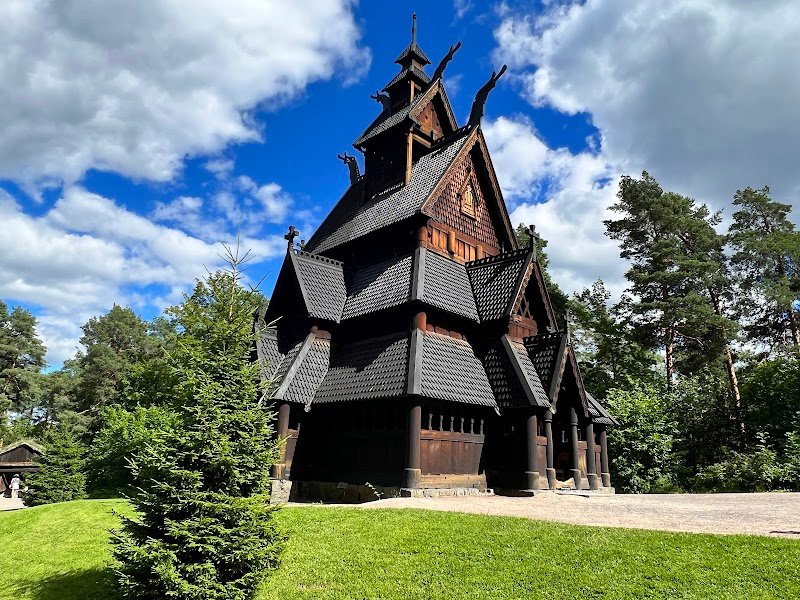
The museum unfolds like a storybook village, with each section representing a different Norwegian region. Visitors wander through lush meadows, discovering houses from mountain valleys, fishing cabins from coastal islands, and even an intricately carved stave church from the 1200s. Costumed guides share trades and traditions, bringing history to life through craft demonstrations and folk tales. Beyond the famous buildings, the modern indoor exhibits introduce Sami culture, city life in Oslo, and the timeline of Norwegian design.

  • Main highlights: The iconic Gol Stave Church, built in medieval times. The reconstructed 1800s town street, complete with traditional shops. Working farmsteads, where goats and horses graze on summer grass.
  • Unique experiences: Join hands-on craft workshops or meet farm animals up close. In summer, catch folk dancing and storytelling events on the festival grounds.
  • Photo-worthy locations: The view from the hillside pastures, the red-roofed row of wooden houses, and the peaceful reflection pond beside the stave church. Seasonal blooms in the old-fashioned gardens add bursts of color.
  • Cultural facts: Each building was moved log-by-log from its original location to preserve Norway’s rural history. The outdoor area presents a full journey from stone age settlements to present day, highlighting both rural roots and city growth.

Tips for your visit

Some insider tips help visitors enjoy all that the Norwegian Museum of Cultural History offers. Early mornings, especially midweek, give more quiet time for wandering before school groups and tour buses arrive. While cafés serve comfort food and snacks, bringing a picnic lets families or friends relax in shady spots. Comfortable walking shoes are essential for the gravel paths and woodland trails. Be ready for changeable weather—an umbrella or raincoat can save the day. Buying tickets online saves time and sometimes a bit of money, too. As a living history site, the museum asks guests to respect boundaries and not enter roped-off rooms or climb fences. Some areas, like the stave church, forbid flash photography to protect fragile woodwork.

  • Best times to avoid crowds: Visit on weekdays before 11am or after 3pm, especially outside the school holiday season.
  • What to bring: Walking shoes, rain jacket, refillable water bottle, and a camera. In colder months, dress in layers.
  • Local etiquette or rules: Respect barriers around historic buildings. Speak softly indoors, as some areas are quite echoing.
  • Safety or comfort advice: Paths can get muddy after rain. While most areas are safe, children should watch for slippery steps or low doorways inside traditional farmhouses.

Similar Attractions

The Norwegian Museum of Cultural History – Tickets, Hours & Visitor Guide