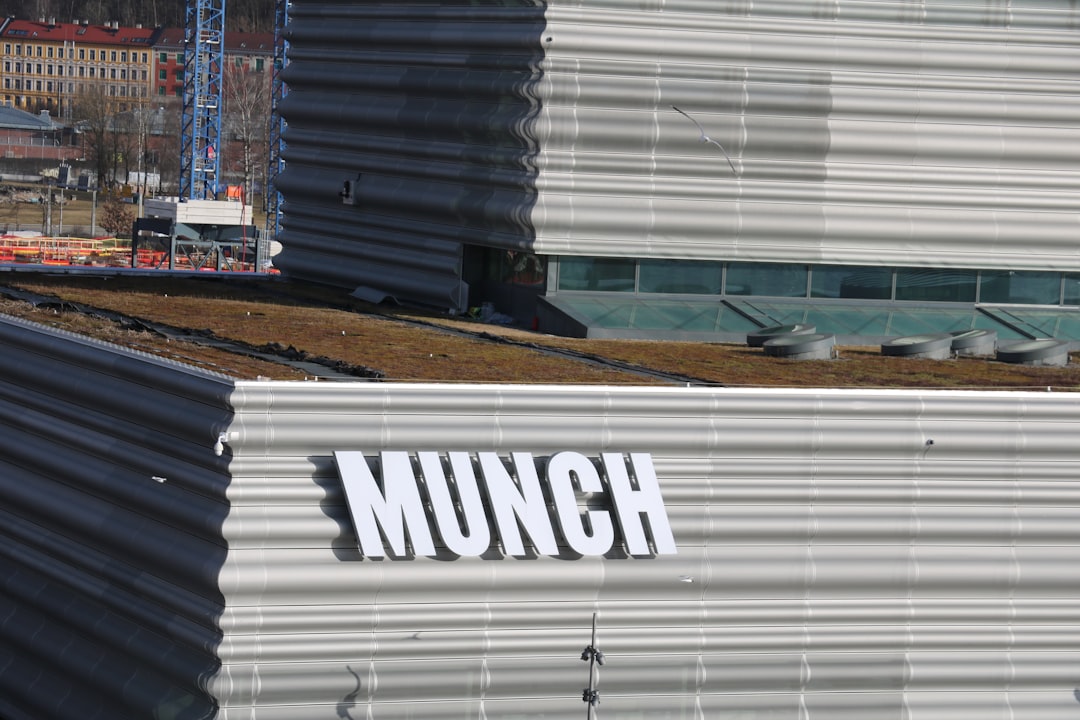
the word munch written on the side of a building
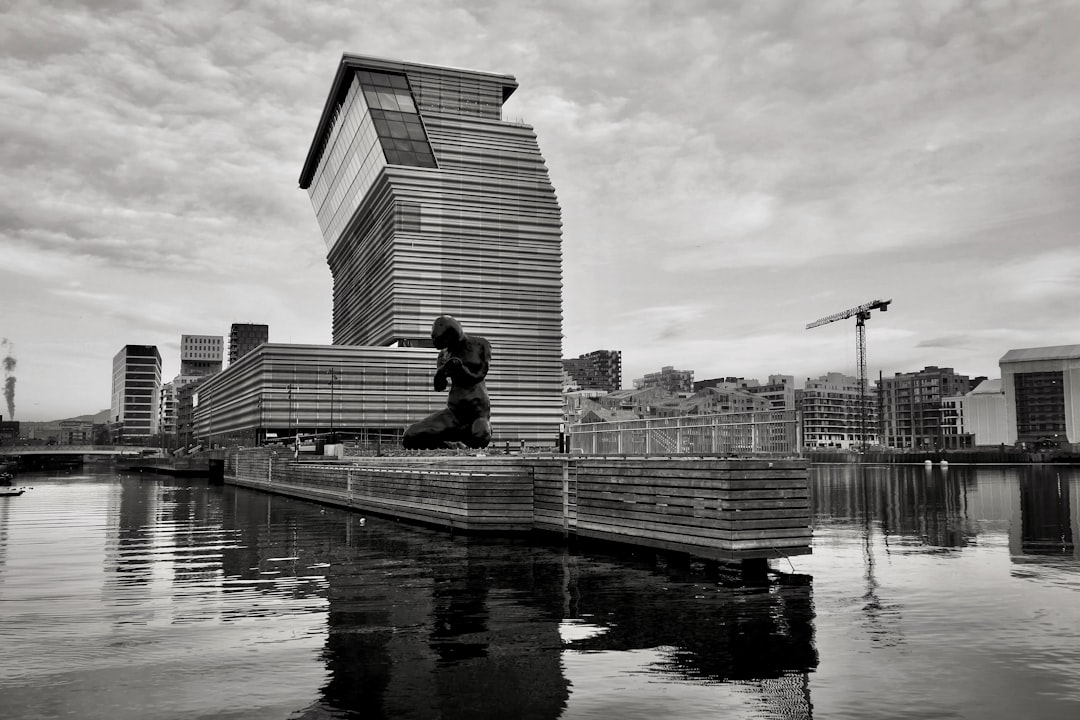
a black and white photo of a man sitting on a dock

Munch

Oslo, Norway
i

the word munch written on the side of a building

Photo by François Fayet

Few modern museums blend art, location, and community like Munch in Oslo. Overlooking the Oslofjord from Bjørvika, this sleek landmark honors Norway’s most famous painter, Edvard Munch. Not only does it preserve iconic masterpieces, but it also opens new ways to see art and culture, inviting visitors to linger in its halls or gaze out at Norway’s changing light.

Visiting Info

Currency
Entrance fee
220 NOK
Hours
Opening hours
Monday: 10:00 AM – 6:00 PM
Tuesday: 10:00 AM – 6:00 PM
Wednesday: 10:00 AM – 9:00 PM
Thursday: 10:00 AM – 9:00 PM
Friday: 10:00 AM – 9:00 PM
Saturday: 10:00 AM – 9:00 PM
Sunday: 10:00 AM – 6:00 PM

Contact Information

Location
Address
Edvard Munchs Plass 1, 0194 Oslo, Norway

Planning your visit

Munch’s waterfront setting makes it inviting year-round, but wise travelers prepare before arrival. Reservations are strongly suggested, especially during summer and weekends when both tourists and locals fill the airy galleries. Bjørvika, Oslo’s lively new district, surrounds the museum, with trams, buses, and even ferries stopping nearby. Inside, wide walkways, elevators, and thoughtful signage help families with strollers or visitors with limited mobility. Allow at least two hours to appreciate both the art and the panoramic city and fjord views from the upper floors.

  • Best time to visit: Early mornings or weekdays, particularly in spring or autumn, for fewer crowds and softer light.
  • How to get there: Take the Oslo tram or bus to Bjørvika stop, or walk 10 minutes from Oslo Central Station. Bike and car parking available, though spots fill up fast.
  • Accessibility: Wheelchair-friendly facilities, accessible restrooms, free entry for personal assistants, and baby-changing tables.
  • Average visit duration: 2–3 hours for the main collection and top floors, more if enjoying the cafe or rooftop terrace.

Must see stuff

Munch’s collection rewards both first-time art lovers and seasoned museum goers. The galleries reveal not just The Scream, but also lesser-known works and experimental pieces. Each tower-like floor holds creative surprises, while windows frame Oslo’s skyline in ever-changing blues and silvers. Beyond paintings, there are immersive installations, workshops, and even a public library celebrating Munch’s curious mind.

  • The Scream: See several authentic versions, often displayed in dim, climate-controlled rooms to preserve their colors and textures.
  • Sky Room and Rooftop Terrace: Experience sweeping views of the fjord and the city—magical at sunset or as ships glide past.
  • Interactive exhibits: Join hands-on activities in the Family Floor, where kids can draw, create, and explore.
  • Temporary exhibitions: Discover works by Norwegian and international artists, often with daring themes reflecting Munch’s own boldness.
  • Bjørvika Neighborhood: Step outside to stroll along Oslo’s Barcode district or the boardwalk, filled with cafes and street art celebrating the city’s creative spirit.
  • Photo spots: Snap shots by the angular windows, on the museum steps, or with the Oslo Opera House in the background.
  • Historic context: Learn why Munch’s art still sparks debate and inspiration—from personal loss to cultural changes in Norway.

Tips for your visit

Visitors often linger longer than planned, drawn in by art or by the relaxed, light-filled atmosphere. Some galleries, however, draw thick crowds, especially on weekends around The Scream. Lines can form for lockers or the rooftop in summer. The gift shop stocks beautiful prints but sells out of favorites. And while the on-site café offers tasty Norwegian cinnamon buns and fish soup, it sees lunch rushes. Bring a reusable water bottle—fountains save money and cut plastic waste. Oslo’s weather can change in minutes, so pack a light jacket, even in summer.

  • Best times to avoid crowds: Arrive right at opening or come late afternoon before closing.
  • What to bring: Camera, notebook, water, and comfortable shoes. Strollers and wheelchairs available to borrow.
  • Local etiquette: Lower voices in exhibit rooms, avoid phone calls, and don’t touch artwork or display cases.
  • Comfort tips: Use the lockers for heavy coats, and take elevator rides between upper floors if mobility is an issue.
  • Budget note: Museum entry isn’t cheap for non-residents, but Oslo Pass holders get a discount.
Munch – Tickets, Hours & Visitor Guide