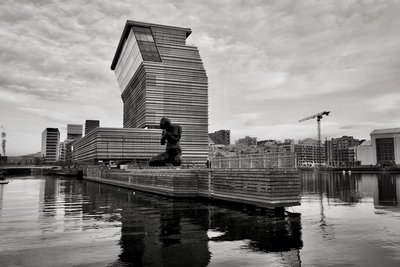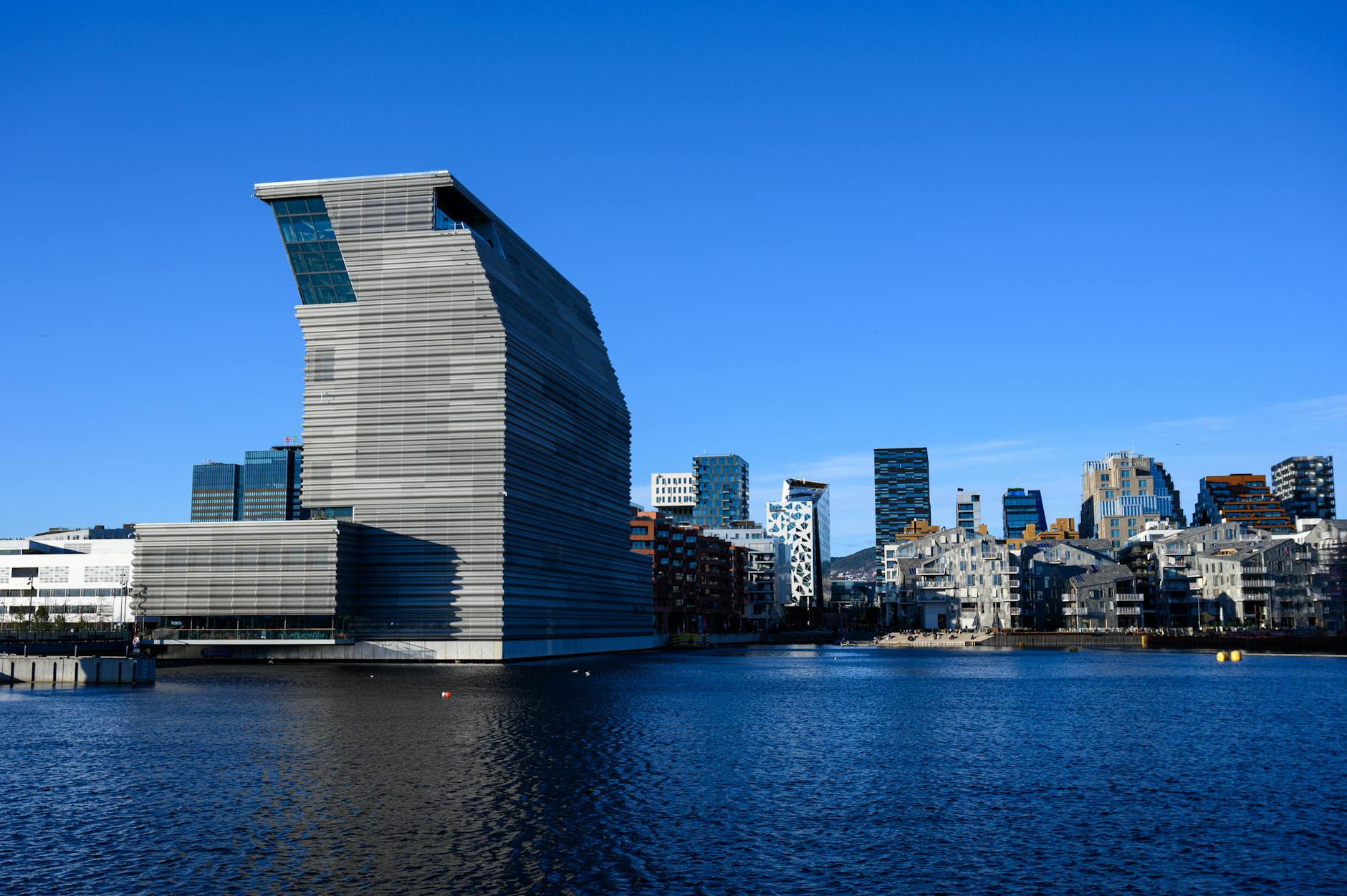
Stunning view of the contemporary Munch Museum and Oslo skyline reflected on the waterfront under a clear blue sky.
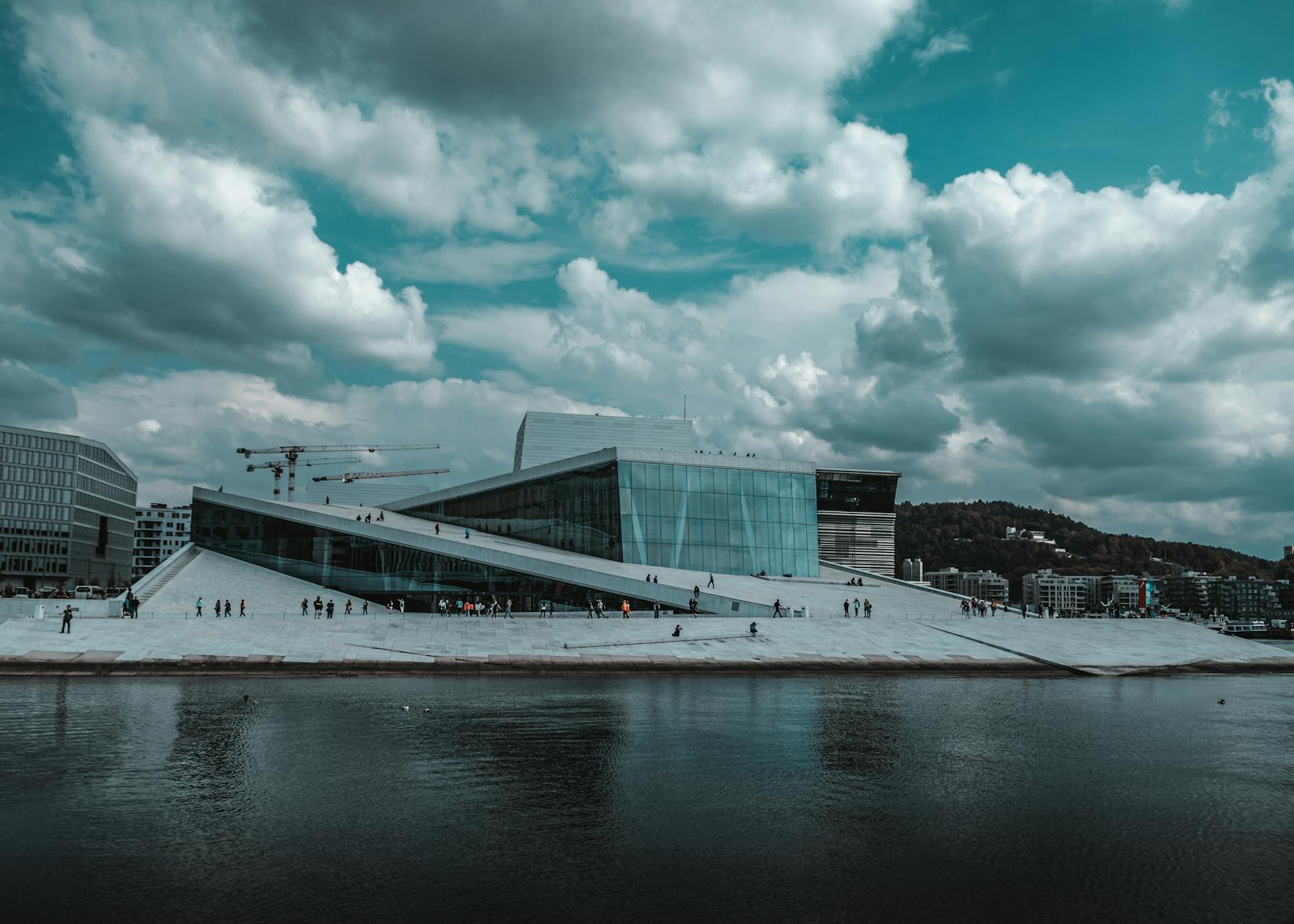
The modern Oslo Opera House with dramatic clouds and waterfront reflection in Oslo, Norway.
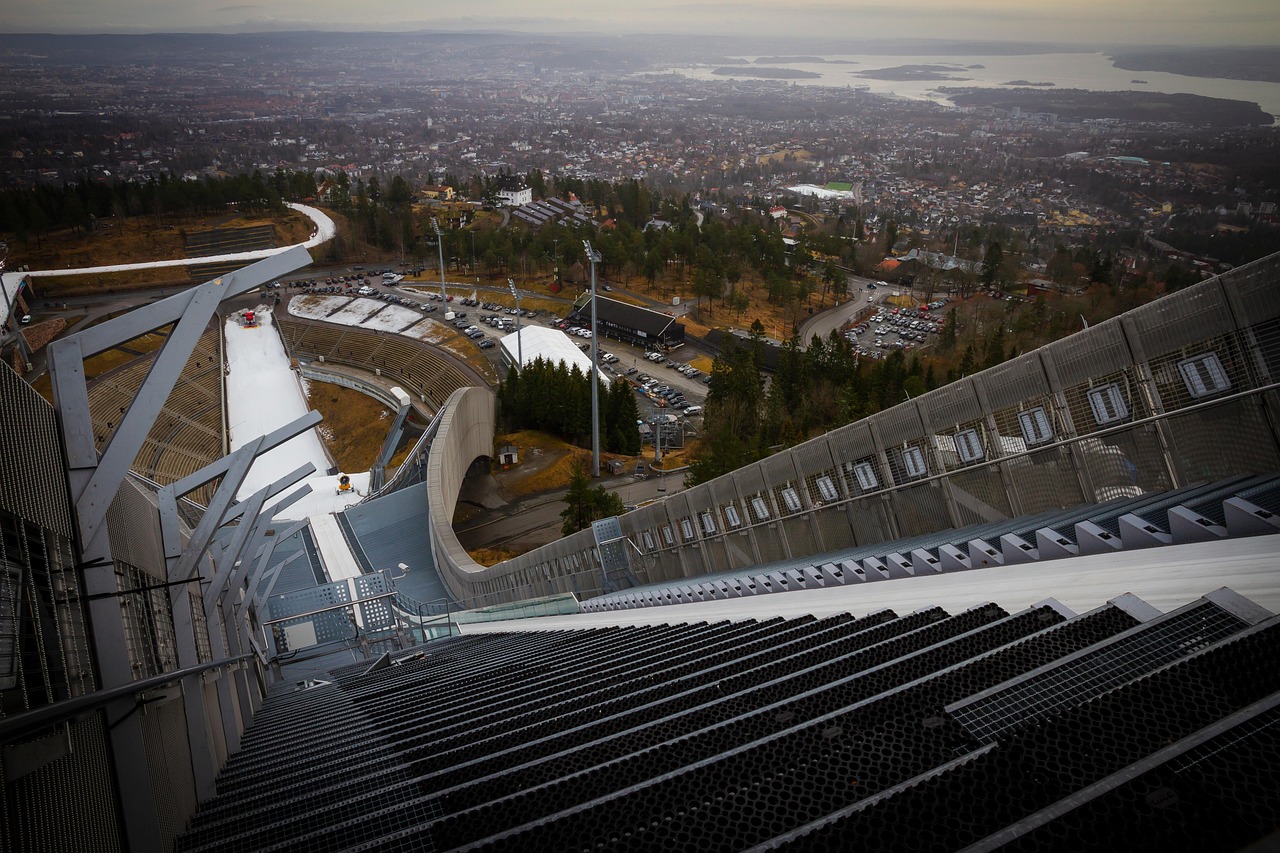
skiing, the hill, holmenkollen, norway, oslo, holmenkollen, oslo, oslo, oslo, oslo, oslo
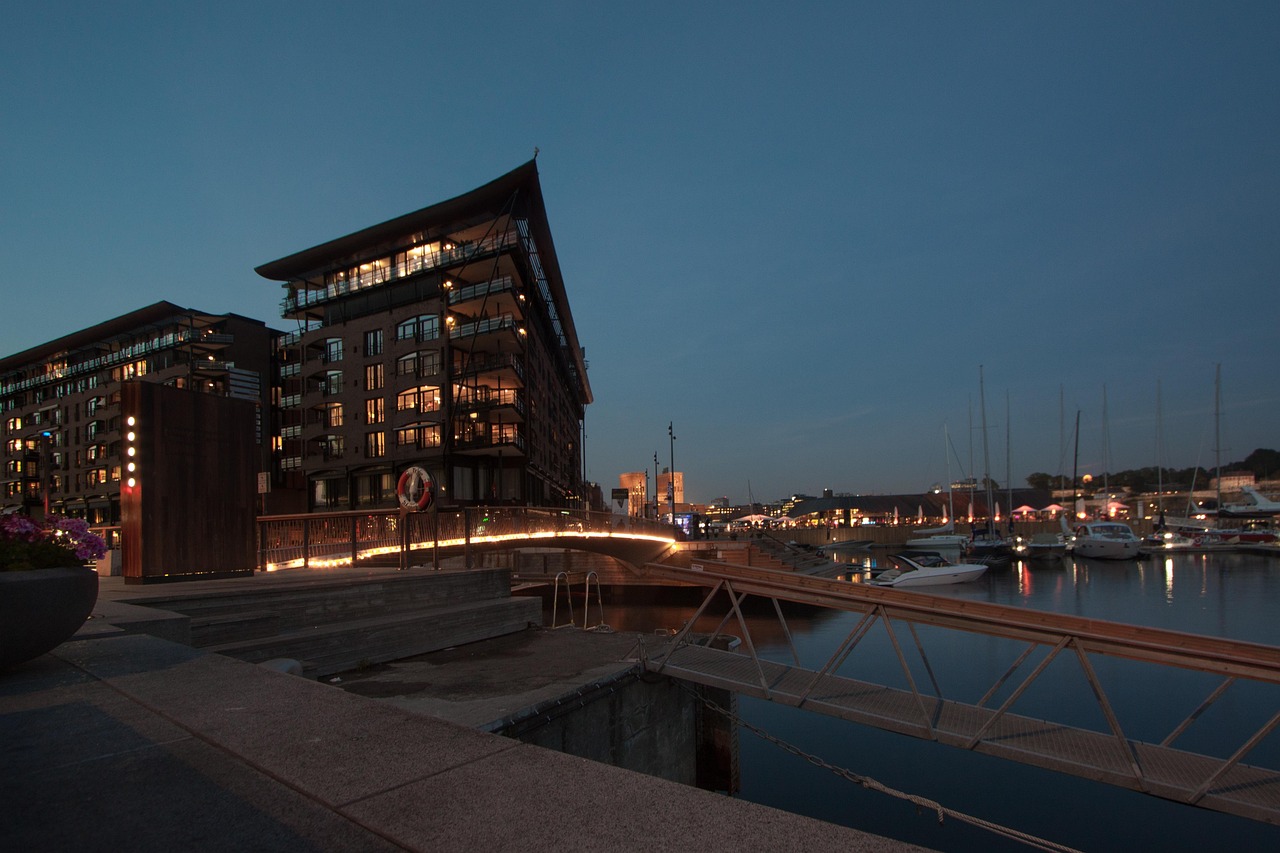
architecture, oslo, norway, scandinavia, oslo, oslo, oslo, oslo, oslo
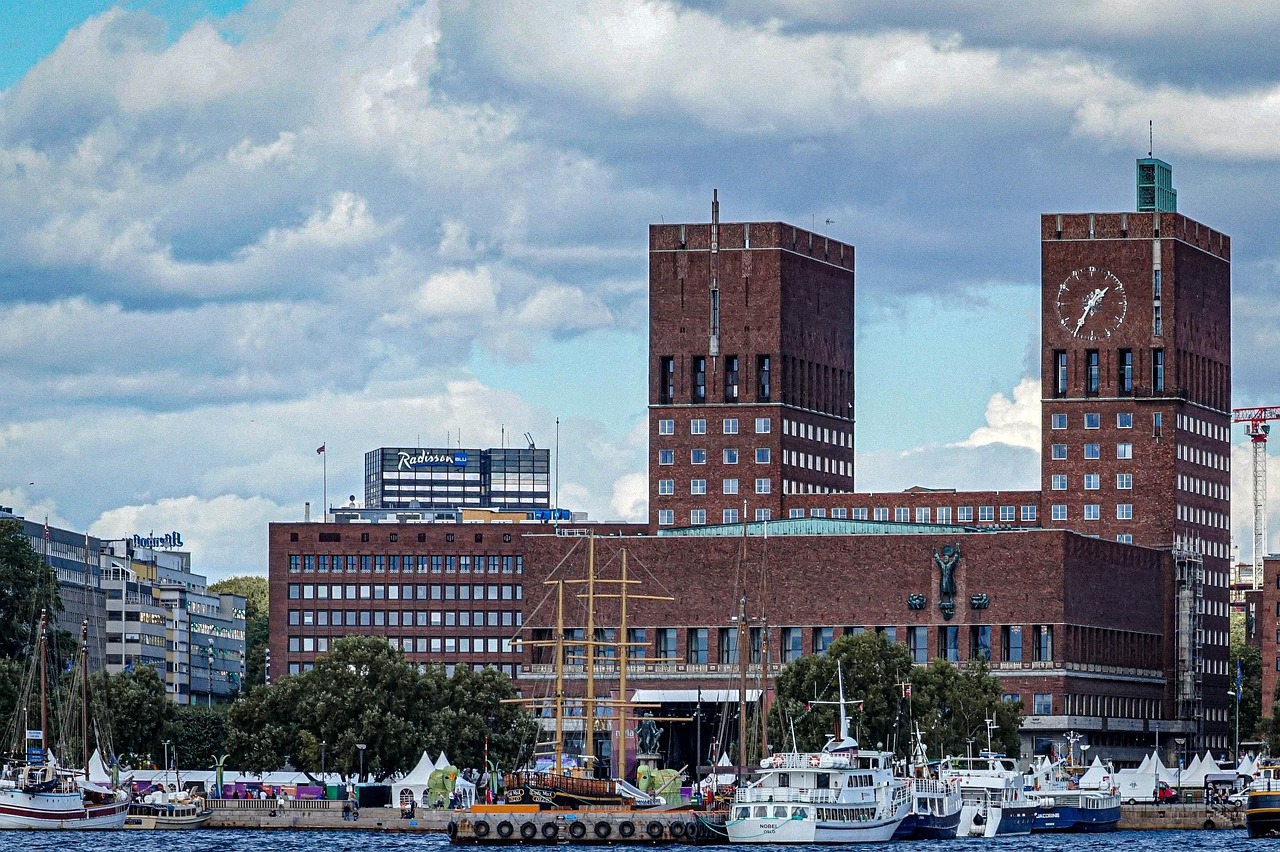
norway, oslo, architecture, oslofjord, town hall, building, oslo, oslo, oslo, oslo, oslo

Oslo

Norway
Modern AttractionsUrban HighlightsHistoricalCulturalArt & Architecture
i

Stunning view of the contemporary Munch Museum and Oslo skyline reflected on the waterfront under a clear blue sky.

Photo by Nils R

Oslo hits you first with the light. In summer, the sky stretches well past midnight, bathing parks and fjords in a soft gold that feels almost liquid. Walk along Aker Brygge and you’ll smell grilled shrimp from dockside cafes, hear buskers mixing folk tunes with the chatter of sailboats. The city blends modern and old with an easy grace: sleek glass museums beside centuries-old fortresses. In Grünerløkka, murals splash colour on brick walls, craft beer flows from tiny breweries, and vintage shops spill onto sidewalks. Winter pulls everything tighter — snow muffles the streets, and candlelit bars invite long, slow evenings over aquavit. The T-bane whisks you to forest trails in minutes, skis slung over your shoulder, Oslo’s skyline a glint behind the pines. Expensive? Sure. But the air’s so clean you can taste it, and that light, when it comes, makes everything feel possible.

Quick Facts

currency
NOK
languages
Norwegian
airports
Oslo Gardermoen Airport
size
Large City
power
Type C, Type F
timezone
Central European Time (CET), UTC+1, UTC+2 in summer (CEST)
safety
Very safe
costs
Expensive

General Information

Safety indexOslo is generally considered a very safe city with a low crime rate. Petty crimes like pickpocketing can occur, especially in crowded places and on public transport, but violent crime is rare. Norway ranks highly on global safety indexes, making Oslo suitable for travelers, including solo adventurers and families.

Best Time to TravelThe best time to visit Oslo is from late May to early September, when the weather is mild, days are long, and the city comes alive with festivals, outdoor events, and scenic fjord cruises. Summer temperatures typically range from 15°C to 22°C (59°F to 72°F).

Least crowded and still a good time to visitIf you prefer fewer crowds and lower prices, consider visiting in May or September. The weather is still pleasant and most attractions are open, but popular sights are less crowded compared to the peak summer months.

BudgetOslo is one of Europe’s more expensive destinations. Average daily costs range from $100–$200 for budget travelers (hostels, public transport, and casual dining) and $200+ for mid-range to luxury travelers. Accommodation, alcohol, restaurants, and sightseeing can be pricey, but city passes, self-catering, and free attractions help manage expenses.

Healthcare and VaccinationsNorway has a high-standard healthcare system. Emergency care is readily available in Oslo, but treatment can be expensive for non-residents without proper insurance. No special vaccinations are required for travel to Oslo beyond routine immunizations. It’s advisable to have travel insurance that covers medical costs.

Visa RequirementsNorway is part of the Schengen Area. Visitors from most EU/EEA countries, the US, Canada, Australia, and several others can enter visa-free for up to 90 days within a 180-day period. Travelers from non-visa-exempt countries should apply for a Schengen visa in advance. A passport valid for at least three months beyond your planned departure is required.

Weather in Oslo

°C°F
2781
1763
846
-228
-1210
Jan
Feb
Mar
Apr
May
Jun
Jul
Aug
Sep
Oct
Nov
Dec
3020100
Avg. min. temperature
Avg. max. temperature
Avg. precipitation days

First-time travelers

Oslo feels like a city in motion, yet steeped in quiet moments. On first arrival, the city shows both restraint and warmth. The air, often tinged with sea breezes from the Oslofjord, feels especially crisp stepping off the Flytoget train. Shimmering glass towers share space with tranquil parks—there’s a pulse under the calm surfaces. In Oslo, each neighborhood shares a distinct tempo and story.

Finding the Rhythm

Walking down Karl Johans gate, the city’s main artery, gives an instant sense of Oslo’s spirit. Locals stride with purpose. Cafés buzz with laughter, yet there’s no rush. The wide avenues make everything feel open and inviting. Granite and brick mingle, old and new join hands—like Stortinget parliament’s sturdy classicism facing modern street fashion.

Step inside a bakery such as Åpent Bakeri. The air carries the scent of fresh cardamom buns—slightly sweet, buttery, lightly spiced. Norwegians linger over their coffee, often paired with a slice of brown cheese, brunost. The Oslo Opera House beckons with its slanted, walkable roof, offering views of flickering city lights across the harbor. Locals come for sunset, or simply to watch ferries drift out to the islands.

Steps Beyond the Surface

Squeezed between forests and water, Oslo surprises with pockets of calm. Frogner Park’s granite sculptures whisper stories of humanity. Explore Grünerløkka’s laid-back side—indie shops, murals above cobblestone streets, and cheerful chatter from secondhand terraces. Byjordet’s wooden houses hint at a much older Oslo, while the bustling Mathallen food hall brims with cheese, reindeer sausage, and cloudberry desserts.

  • Visit a small coffee bar in Tøyen for creamy, cinnamon-scented kanelsnurrer.
  • Try a ferry ride to Hovedøya, pick wildflowers along the path.
  • Order fish soup (fiskesuppe) at a waterfront shack in Aker Brygge.
  • End the day at Sagene Lunsjbar with locals trading stories over pancakes.

Oslo’s magic lies in its balance—stride confidently between past and present, city and nature, cool modernity and unfussy charm.

Return travelers

The second visit to Oslo feels different. The city’s sheen softens; the quiet, hidden layers begin to surface. Returning travelers meet an Oslo beyond guidebook pages—a city fueled by curiosity, not checklists. The skyline may remain the same, but now the rhythms pull you into new corners, deeper conversations, unexpected warmth.

Seeking Local Pulse

Slip into Torshov, where Oslo’s pulse grows gentle. Here, Syverkiosken, an old sausage kiosk wrapped in hand-painted signs, serves up pølse with crisp onions to generations. The laughter of children in its tiny park—no tour groups, just bicycles, and neighbors greeting by name. The city’s northern edge means more forests, fewer crowds. Paths wind through Lillomarka woodlands, where trails crisscross under pine shade and old ski jumps stand guard.

Smell seaweed at the Maridalen Lake shore—locals fish, skate, or gather for outdoor grilling. In late summer, catch jazz trickling from the window of an old tram converted to a bar. The Grünerløkka weekend markets change every time: vintage vinyl, Sami handicrafts, bags of tart cherries. These pieces, quietly thriving, never make the covers.

Living Oslo Inside Out

Relax in Sørenga’s saltwater pool, trading stories with swimmers and artists. Order a soft hvetebolle at Tim Wendelboe’s tiny café; listen as regulars discuss the pride of different beans. By night, slide into the crowded Blå club for a live set, the thrum of bass and accented Norwegian sharing one roof. Oslo’s daylight lingers but time feels loose—there’s room to settle in.

  • Hike along Akerselva, stopping for a local brew at Opland Burger & Steak.
  • Eat kjøttkaker (meatcakes) at Dovrehallen, a ballroom-turned-cafeteria for homesick Norwegians.
  • Browse antique books in Tronsmo Bokhandel’s narrow aisles.
  • Catch a local stand-up set at Latter in Aker Brygge.

With each return, Oslo reveals more of itself—subtle, proud, in moments best discovered by patience and an open heart.

Must-see locations

a view of a building from inside a window
i

a view of a building from inside a window

Photo by Marek Lumi

Oslo Opera House

The Oslo Opera House rises from the fjord, inviting you to walk on its white marble roof for panoramic city and water views. Inside, enjoy Norwegian opera and ballet or explore art installations in the public foyer.

Learn More
Google Places photo
i

Google Places photo

Photo by Jose mari

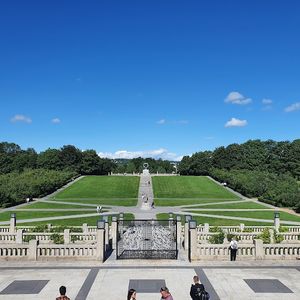
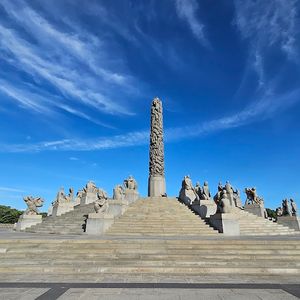
The Vigeland Park

Vigeland Park in Oslo bursts with over 200 striking Gustav Vigeland sculptures, winding paths, and lively lawns. See Norway’s largest outdoor art display, picnic near the Monolith, or watch locals play in Frogner’s open green spaces.

Learn More
Google Places photo
i

Google Places photo

Photo by FALK HRO

Frognerparken

Frognerparken in Oslo blends wide green lawns, rose gardens, and 200 Gustav Vigeland sculptures. Locals jog, picnic, and play here. Kids splash at the playground or Frognerbadet pools. History and art meet nature, creating a city favorite.

Learn More
Google Places photo
i

Google Places photo

Photo by N G_MISSOURRY

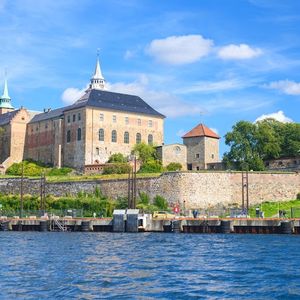
Akershus Fortress

Medieval stone walls overlook Oslofjord, setting the stage for impressive city views. Walk cobbled paths, explore ancient halls, and catch outdoor concerts in summer. History, architecture, and green lawns blend by the Royal Mausoleum.

Learn More
a black and white photo of a man sitting on a dock
i

a black and white photo of a man sitting on a dock

Photo by Massimo Virgilio

Munch

Edvard Munch’s museum in Oslo brings together striking fjord views, bold architecture, and immersive art. Explore exhibitions, rooftop terraces, and the buzzing Bjørvika district for an unforgettable cultural experience.

Learn More

How to get there

By air

Oslo is mainly served by Oslo Gardermoen Airport (OSL), located about 47 km northeast of the city. Flights arrive from throughout Europe and intercontinentally. Sandefjord Torp (TRF) and Moss Rygge (RYG, currently largely closed for commercial flights) are alternative airports further away, mainly for low-cost carriers.
Options to get to town:
Taxi
Price:
approx. 900-1300 NOK
Duration:
40-50 min
Where to buy:
Taxi rank outside arrivals
Airport bus
Price:
approx. 239 NOK (one way)
Duration:
45-60 min
Where to buy:
At airport ticket machines, app, or onboard
Train/shuttle
Price:
NSB (Vy) Regional train: 124 NOK; Flytoget Airport Express: 240 NOK (one way)
Duration:
20-40 min
Where to buy:
Ticket machines, app, or flytoget.no for Flytoget; vy.no for Vy

By train

Oslo is the hub of Norway's rail system, with frequent trains from cities like Bergen, Trondheim, Gothenburg and Stockholm. International services also connect via Sweden.
Useful websites for train tickets:

By car

Driving to Oslo is possible on good-quality roads, especially from Sweden. The E6 is the main highway from the south and east. Urban tolls apply upon entry to Oslo and several road sections are subject to tolls.
Additional charges to be aware of:
Toll / vignette / emission sticker
Cost:
Urban toll: approx. 22-56 NOK per entry
How to pay:
Automatic invoicing, rental cars usually include this – for private cars, register at autopass.no
Other driving costs
Cost:
Expensive parking (often 30-60 NOK per hour in city center)
How to pay:
Parking meters, apps like EasyPark

By ferry

Several international ferries serve Oslo’s port, connecting the city with Denmark and Germany, making ferry travel an attractive option for visitors with vehicles or coming from Scandinavia Europe.
Useful websites for ferry tickets:

How to get around

Public transport

Oslo’s public transport system, operated by Ruter, includes metro (T-bane), trams, buses, and local trains, efficiently connecting key attractions, neighborhoods, and suburbs. Transport is punctual, safe, and easy to use for visitors.

Ticket options:
Ticket TypePriceWhere to buy
Single ticketAdult: NOK 42 (zone 1)Ticket machines at stations, RuterBillett app, kiosks (e.g. Narvesen), or on board (higher price)
Day passAdult: NOK 127 (24 hours, zone 1)Ticket machines at stations, RuterBillett app, kiosks

Taxis & ridesharing

Taxis and ridesharing are widely available in Oslo for comfort and convenience, though they tend to be pricier than public transport. Taxis can be hailed on the street, booked over the phone, or ordered online and by app. Ridesharing services operate throughout the city.

Service providers:
ProviderPriceHow to book
Local taxiBase fare starts around NOK 70; total varies by distanceTaxi stands, by phone, or through apps such as Oslo Taxi or Norgestaxi
Ridesharing appVaries by route and demandOrder via services like Uber or Bolt app

Car rental

Renting a car gives flexibility for exploring beyond Oslo, but isn’t generally needed for city sightseeing due to efficient public transport and limited city parking. Rental agencies can be found at Oslo Airport, Oslo Central Station, and downtown.

Rental options:
ServicePriceHow to book
Daily rentalFrom approx. NOK 600 per day, depending on model and providerMajor agencies like Hertz, Avis, Budget, and Sixt offices or websites
Weekly rentalFrom approx. NOK 2,900+ per weekMajor rental agencies in Oslo or at Oslo Airport

Bike & scooter rental

Oslo is bicycle-friendly and offers a range of bike and electric scooter rentals, ideal for quick trips and enjoying the city at your own pace. Docking stations and scooter pickups are scattered through central Oslo.

Rental options:
ServicePriceHow to book
Bike rentalOslo Bysykkel: Day pass from NOK 49; private shops from NOK 200/dayOslo Bysykkel app or local bike rental shops
Scooter rentalApprox. NOK 5 to unlock, then NOK 2–3/minuteVia apps such as Voi, Tier, or Ryde

Ferry / Boat

Ferries are a scenic way to reach the Oslofjord islands and some waterfront neighborhoods. City-operated ferries are part of the Ruter system, covered by standard public transport tickets, making island hopping easy and affordable from Aker Brygge terminal.

Useful websites for ferry tickets:

What to eat

Step onto Oslo’s cobbled streets, and your senses awaken. Razor-sharp air tinged with sea salt. Cinnamon and cardamom waft from corner bakeries. Seafood glistens in market stalls by the fjord. Here, eating is an act of survival, art, and pure pleasure. Norwegians savor every bite—seasonal, simple, but driven by flavor. Oslo’s food scene fuses rugged tradition with cosmopolitan flair, enticing travelers to taste their way through the city’s soul.

Signature Dishes

  • Fårikål: Slow-cooked lamb and cabbage stew. Peppercorn warmth, earthy depth. Norway’s national comfort dish as autumn chills set in.
  • Rakfisk: Fermented trout sliced atop flatbread with onions and sour cream. Pungent, bold, a centuries-old taste of Norwegian resourcefulness.
  • Reker: Juicy cold-water shrimp piled on white bread with lemon and mayo. Eaten on a dock, the taste is pure Oslo summer.
  • Smalahove: Roasted sheep’s head. Smoky, rich, and not for the faint-hearted, this dish is a symbol of endurance and festivity.
  • Pølse med brød: Classic Norwegian hot dog, snappy and smoky. Wrapped in a soft bun, served at street stands across the city.

Street Food & Markets

By the Oslofjord, Mathallen Food Hall hums with chatter and sizzling pans. Seafood stands overflow with smoked salmon and gravlaks. Try fish soup—creamy, dill-laced, packed with the day’s catch. At Youngstorget, food trucks dish up reindeer burgers, vegan tacos, and Balkan kebab, capturing Oslo’s global influence. Grønland markets boast Middle Eastern spices, fresh produce, and Turkish flatbreads rolled warm before your eyes. These are the places to sample a city’s diversity, without breaking the bank—though weekend afternoons draw big crowds, so arrive early for the best bites.

Sweet Treats & Drinks

Norwegian bakeries sate your cravings with cinnamon-laced skolebrød: sugar-dusted pastry rounds crowned with custard. Locals dunk waffles in cloudberry jam, pairing sweetness with tart. For a quick recharge, sip a strong black coffee or linger over an aquavit at a candlelit bar. Oslo drinks warm, even as the chill settles outside.

Why Travelers Eat Here

  • Seasonal seafood and foraged flavors, straight from fjord, forest, and farm.
  • Bakeries and cafés rich with tradition and modern creativity.
  • Dynamic markets and food halls, mixing Norwegian roots with global tastes.
  • A sense of place in every meal—simple, direct, and steeped in Nordic heritage.

Oslo’s food captures the city’s contrasts. Rugged yet refined. Every meal connects you to the land, sea, and stories of Norway. Pull up a chair and let the city feed you well.

Top Rated Restaurants

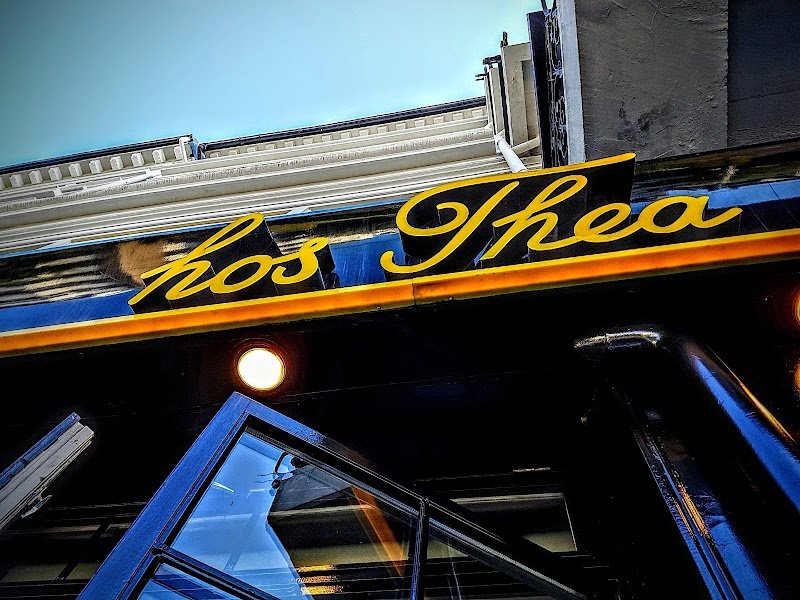
Hos Thea

Hos Thea

4.8 (533 reviews)
$$$
LocationGabels gate 11, 0272 Oslo, Norway
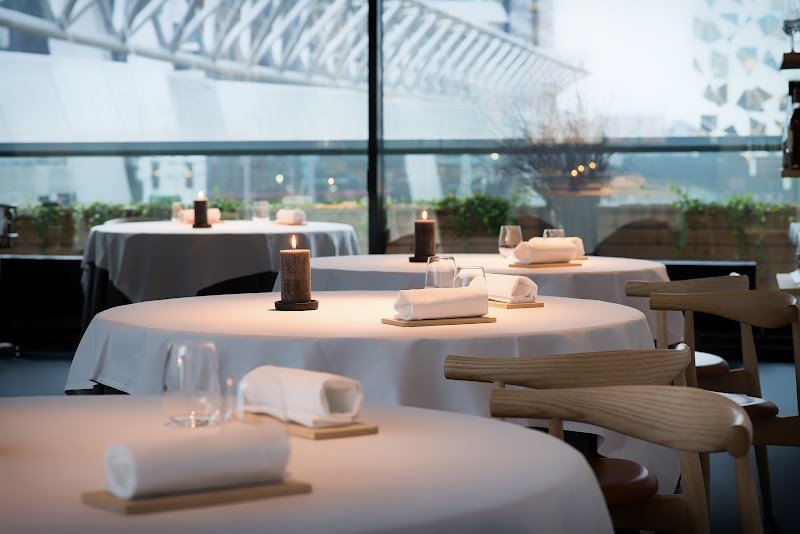
Maaemo

Maaemo

4.7 (854 reviews)
$$$$
LocationDronning Eufemias gate 23, 0194 Oslo, Norway
The Salmon

The Salmon

4.7 (3.2k reviews)
LocationStrandpromenaden 11, 0252 Oslo, Norway
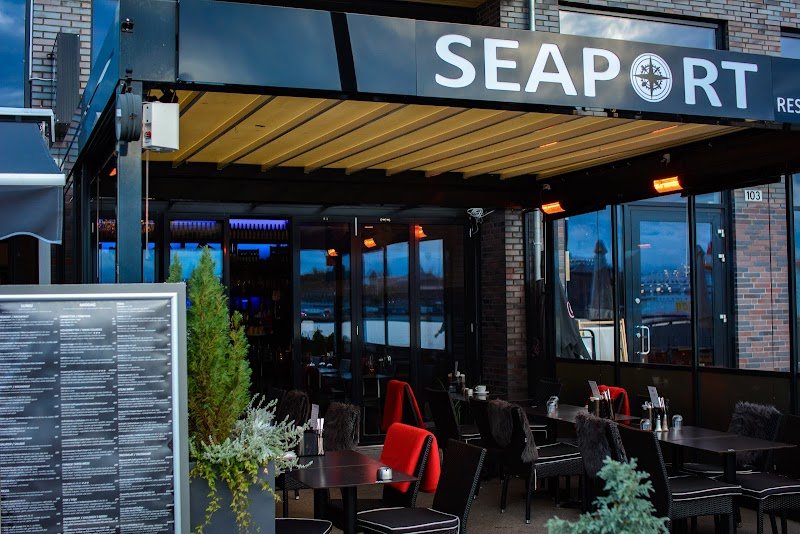
Seaport Restaurant

Seaport Restaurant

4.6 (3.8k reviews)
$$
LocationSørengkaia 101, 0194 Oslo, Norway
Den Glade Gris

Den Glade Gris

4.6 (5.1k reviews)
$$
LocationSt. Olavs Gate 33, 0166 Oslo, Norway

Accommodations

Oslo is a city of contrasts. The Norwegian capital blends stately old buildings with bold modern spaces. Choosing the right neighborhood can shape your entire visit. Whether you want nightlife, culture, or peace by the fjord, picking the right base matters in Oslo.

Neighborhood Overview

  • Sentrum: The city center pulses with life from early morning to late night. Here, grand hotels and classic department stores mix with hip cafes. Walk to the Opera House or the Royal Palace in minutes. Sentrum suits first-timers and business travelers.
  • Grünerløkka: Young energy drives this lively east-side district. Grünerløkka overflows with art spaces, indie shops, and cozy bars. The area feels relaxed but always awake. Creative types and night owls find themselves at home.
  • Frogner: Grand old townhouses line leafy streets near the famous Vigeland Park. Frogner is elegant and calm, with upmarket boutiques and museums. Families and fans of quieter evenings often stay here.
  • Majorstuen: This is a transport hub and shopping haven with easy tram access everywhere. Majorstuen has wide avenues and large apartments. It balances convenience with a local buzz. It fits families and longer-stay visitors.
  • Gamle Oslo: South of the center, Gamle Oslo is Oslo’s oldest area. Layers of history meet vivid multicultural energy. Trendy bakeries replace old factories. Young couples and curious explorers enjoy its mix.

Types of Accommodation

  • Hotels: Classic options like Grand Hotel or Thon Hotel Opera cost 1500–2500 NOK per night. Many include Nordic breakfasts and have central locations.
  • Hostels and Guesthouses: Anker Hostel or Saga Poshtel offer dorms or private rooms from 400–1100 NOK. Clean, friendly, and social—ideal for solo visitors or budget travelers.
  • Short-Term Rentals: Airbnb and local apartments give space and kitchen access. Expect 1200–2000 NOK nightly in popular areas.

Insider Tips for Booking

Book at least two months ahead for summer visits. Stays during Christmas or national holidays fill fast. Rates drop in winter, but so do daylight hours. Oslo’s hotel rates include VAT, but short-term rentals may charge extra cleaning fees. Always check for late check-in policies.

Oslo’s light changes the city—blue fjord mornings feel different from soft-lit winter nights. No matter where you sleep, you’ll hear gulls or laughter floating up from the street. Life here runs quiet and close, if you choose your seat well.

Oslo Travel Guide - What to See, Do & Eat