a group of people in kayaks on a body of water
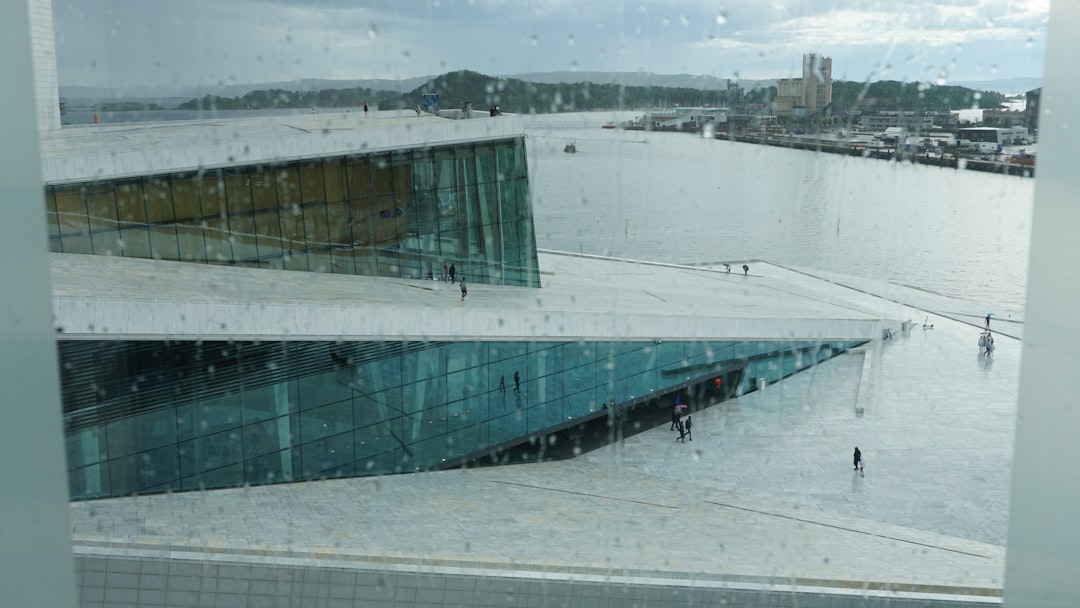
a view of a building from inside a window
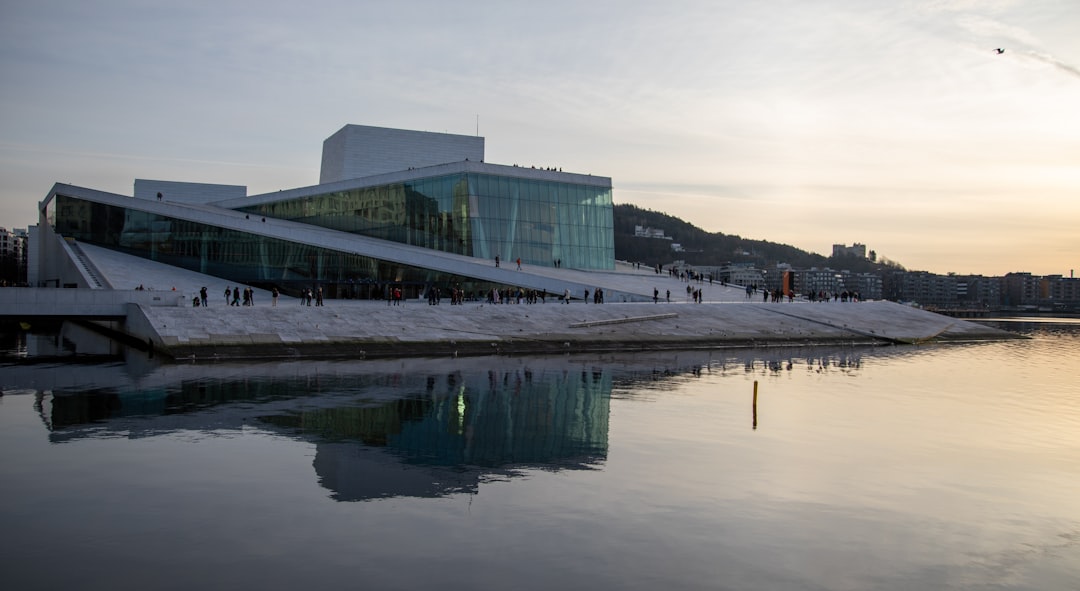
A large body of water with a building in the background

Oslo Opera House

Oslo, Norway
i

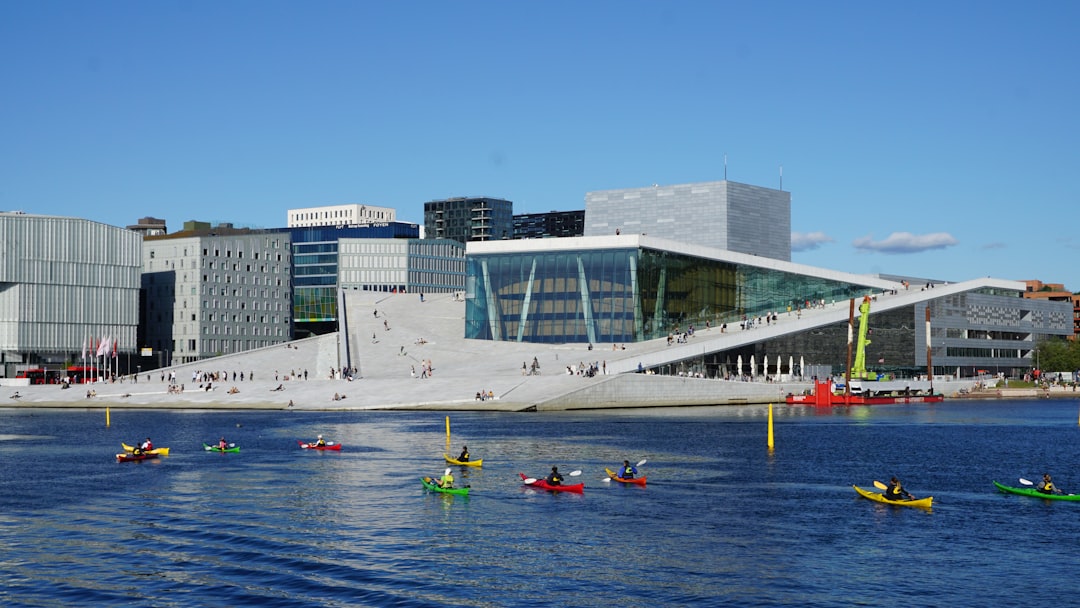
a group of people in kayaks on a body of water

Photo by Marek Lumi

Where the city’s clean architecture meets the rippling waters of the fjord, a building resembling an iceberg rises proudly from the edge. The Oslo Opera House, designed for both locals and visitors, invites people not only to attend performances but to walk its angled roof, touch its marble, and experience culture outdoors and in. A visit here blends scenery, art, and daily life into an experience unlike any other modern landmark.

Visiting Info

Currency
Entrance fee
Free

Contact Information

Location
Address
Kirsten Flagstads plass 1, 0150 Oslo, Norway

Planning your visit

Most find the Oslo Opera House an easy addition to any city plan. Sitting at the harbor’s edge, just minutes on foot from the city’s main train station, the striking building is accessible all year. While warm summer days draw crowds to the sloped roof and public spaces, quieter mornings in spring or fall promise a calmer atmosphere. Tickets for performances often sell quickly, but anyone may explore the public areas or relax along the water without a reservation.

  • Best time to visit: Late spring through early autumn for outdoor experience; weekday mornings for fewer crowds
  • How to get there: Short walk from Oslo Central Station; reachable by bus, tram, bike, or foot
  • Accessibility: Fully accessible with ramps, elevators, accessible restrooms; stroller and wheelchair friendly
  • Average visit duration: 1–2 hours for general exploration; longer if attending a show

Must see stuff

The Oslo Opera House is more than a venue—it is a modern public playground and an arts destination. While visitors marvel at the building’s crisp lines and bold geometry from afar, the real magic unfolds up close. From walking the slanted marble roof to catching surprise rehearsals echoing from below, each visitor finds a favorite corner. Sunsets on the rooftop, art installations scattered through minimalist halls, and frequent open rehearsals bring music and city life together.

  • Key sights or features: The sloping marble roof (open for walking); glass façade with views of the fjord; water-level boards where visitors dip their feet on warm days
  • Unique experiences: Attend a live opera or ballet; join a behind-the-scenes guided tour; watch skateboarders on the plaza
  • Photo-worthy locations: Roof’s peak with city and fjord views; dramatic glass reflections near the lobby; outdoor sculptures in the adjacent water
  • Cultural or historical facts: Opened in 2008 as a symbol of public access to the arts, the Opera House helped revive the Bjørvika harbor area; Norwegian marble and Italian stone cover the surfaces

Tips for your visit

To make the most of a trip to the Oslo Opera House, a little preparation helps. Early mornings or early evenings tend to be quietest, especially on weekdays. Good shoes allow for walking the steep roof. Even on sunny days, breezes from the water can surprise. While there’s no rule against bringing your own snacks, the lobby’s café serves Norwegian coffee and pastries with a view. Respecting skateboarding zones and performance spaces keeps everyone happy. For families, strollers are welcome throughout, but watching the edges of the sloped roof is wise, as younger children can wander close to steep drops.

  • Best times to avoid crowds: Weekday mornings or just after opening
  • What to bring: Comfortable shoes, layers for unpredictable weather, a camera, reusable water bottle
  • Local etiquette or rules: Share rooftop space, avoid climbing on artwork, keep noise down during performances or rehearsals
  • Safety or comfort advice: Watch for slippery tiles after rain or ice; stay away from unfenced roof edges with children

Similar Attractions

Oslo Opera House – Tickets, Hours & Visitor Guide