Google Places photo

Kon-Tiki Museum

Oslo, Norway
i

Google Places photo

Photo by Kon-Tiki Museet

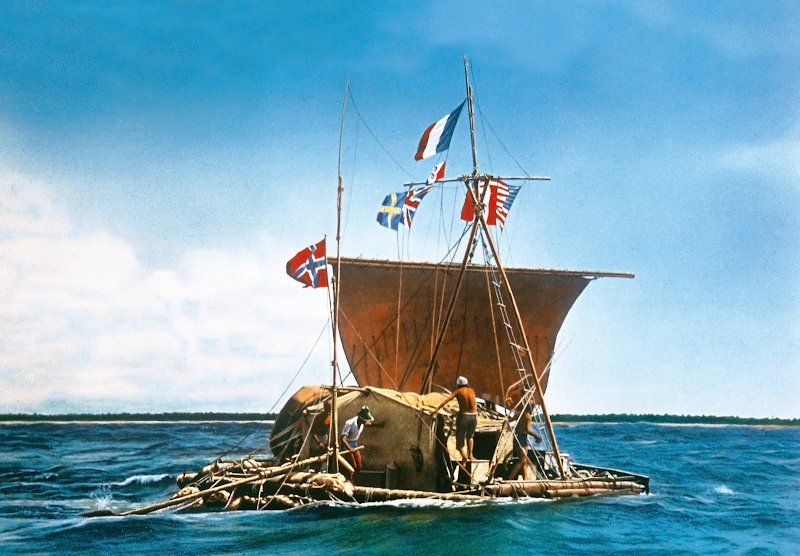
Legends of daring sea voyages have stirred the human spirit for generations. Among these, few can match the daring of the Kon-Tiki expedition. Visitors stepping into the Kon-Tiki Museum step back to a time when brave explorers charted the unknown using only the basics—wood, rope, and ancient wisdom. Curiosity, inspiration, and a hint of saltwater adventure fill the air here, creating an experience that marries history with hands-on excitement and wonder.

Visiting Info

Currency
Entrance fee
160 NOK
Hours
Opening hours
Monday: 10:00 AM – 5:00 PM
Tuesday: 10:00 AM – 5:00 PM
Wednesday: 10:00 AM – 5:00 PM
Thursday: 10:00 AM – 5:00 PM
Friday: 10:00 AM – 5:00 PM
Saturday: 10:00 AM – 5:00 PM
Sunday: 10:00 AM – 5:00 PM

Contact Information

Location
Address
Bygdøynesveien 36, 0286 Oslo, Norway

Planning your visit

Planning a trip to the Kon-Tiki Museum is easier than planning a trans-Pacific raft journey, but a little preparation goes a long way. Located in the calm Bygdøy peninsula, the museum draws a mix of tourists, locals, and school groups. Crowds can sometimes build during weekends or peak summer months, so arriving early can create a more peaceful experience. Tickets can be purchased at the door or reserved in advance online, speeding your entry. Public transport connects easily to the area, making the journey from downtown Oslo straightforward for travelers of all ages and budgets.

  • Best time to visit: Weekday mornings or late afternoons during spring and autumn offer quieter moments and pleasant weather.
  • How to get there: Take bus 30 from central Oslo to Bygdøy, a ferry from the harbor during summer, or enjoy a scenic bike ride.
  • Accessibility: The museum is wheelchair accessible and family-friendly with changing tables, ramps, and lift access.
  • Average visit duration: Most visitors spend 1.5 to 2 hours exploring exhibits and interactive displays.

Must see stuff

Inside the Kon-Tiki Museum, adventure springs from every corner. The star attraction—Thor Heyerdahl’s original Kon-Tiki raft—rests almost within arm’s reach, its balsa wood planks marked with stories of the wind and sea. Life-sized dioramas recreate some of the Pacific’s wildlife and island scenes, bringing the journey to life for even the youngest explorers. Beyond Kon-Tiki, a quieter corner reveals the Ra II, a papyrus boat that made its own legendary trip across the Atlantic, yet rarely gets the same attention. Galleries filled with photos, film reels, and artifacts make the narrative vivid and real, giving faces and voices to the crew who dared the journey. While most people come for the rafts, many leave talking about the glow-in-the-dark underwater exhibit or Heyerdahl’s handwritten diaries, tucked away behind glass.

  • Key sights: The actual Kon-Tiki raft, the Ra II, Easter Island statues, and recreated Pacific campsites.
  • Unique experiences: Step below deck to see the crew’s cramped quarters, or touch reproductions of homemade tools used during the voyage.
  • Photo-worthy locations: In front of the raft with its fierce whale shark carving, or beside the soaring, stylized totems from the Galápagos Islands.
  • Cultural facts: Thor Heyerdahl’s 1947 journey proved ancient peoples could have crossed vast seas, inspiring new studies in migration and cultural contact.

Tips for your visit

A trip to the Kon-Tiki Museum rewards both patient explorers and energetic families. Arrive within the first hour of opening to beat school tours and international crowds, especially in summer. The museum’s layout, though compact, involves a few dimly lit areas and short stairways; comfortable walking shoes help. Lockers near the entrance make it easy to stash backpacks or jackets. Drinks and light snacks can be found at a small café nearby, though the museum itself doesn’t serve food. Local custom encourages respect for the displays—no climbing on rafts or touching original artifacts. Photography is allowed in most areas, but a gentle tone and quiet curiosity keep the atmosphere welcoming for all.

  • Best times to avoid crowds: Arrive early, especially before 11 am on weekdays.
  • What to bring: Water bottle, camera, comfortable shoes, and a light sweater for cool interior spaces.
  • Local etiquette: Keep voices moderate, supervise children, and ask staff before using flash photography.
  • Safety and comfort: Parts of the museum are dimly lit for preservation—watch your step and allow eyes to adjust.

Similar Attractions

Kon-Tiki Museum – Tickets, Hours & Visitor Guide