Google Places photo

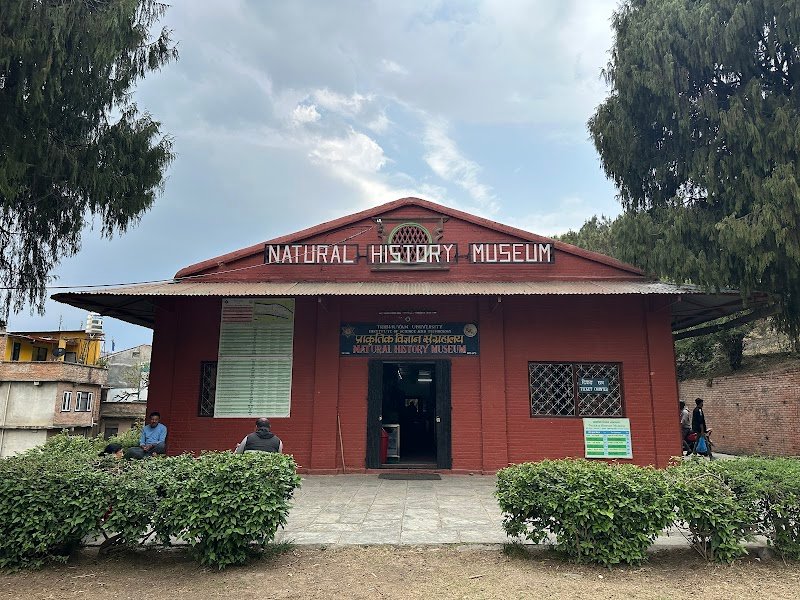
Natural History Museum

Kathmandu, Nepal
i

Google Places photo

Photo by Lisa Lee

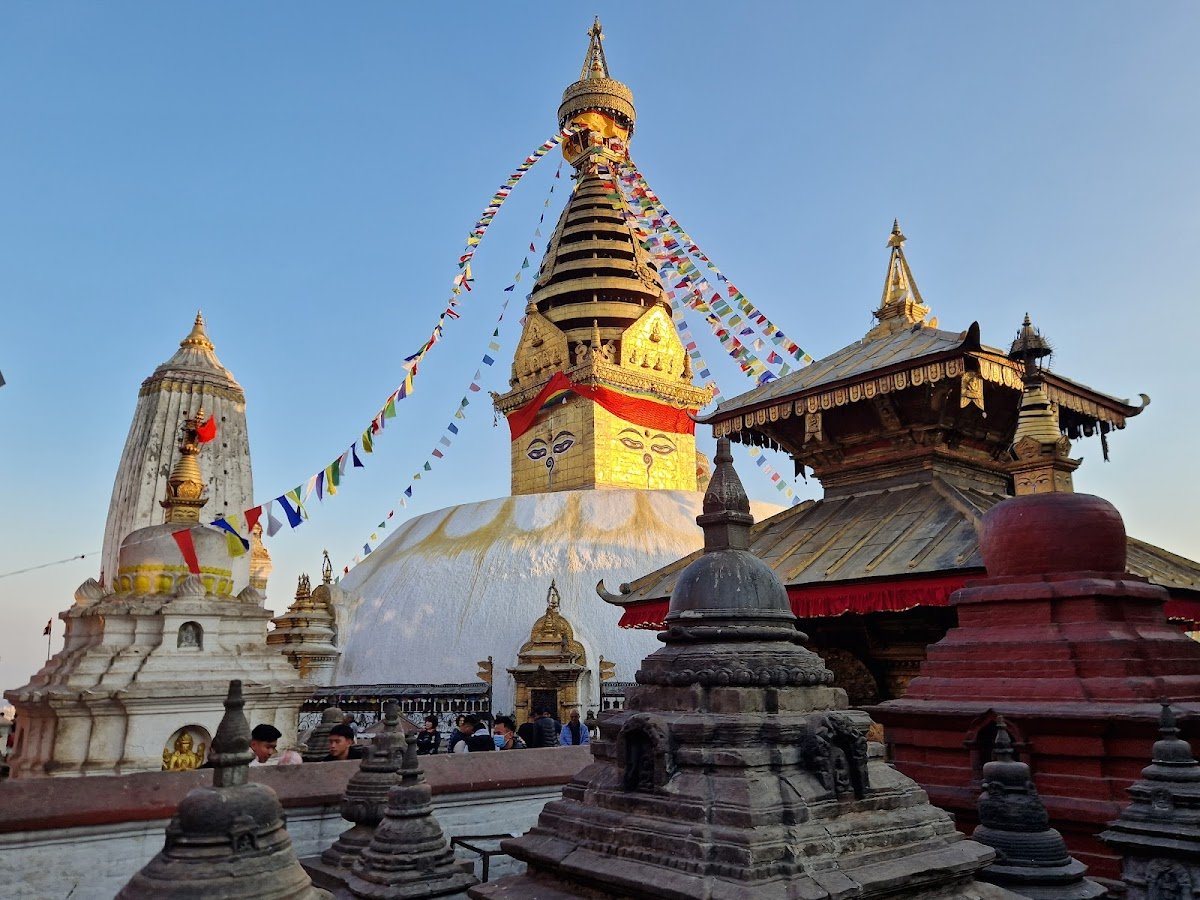
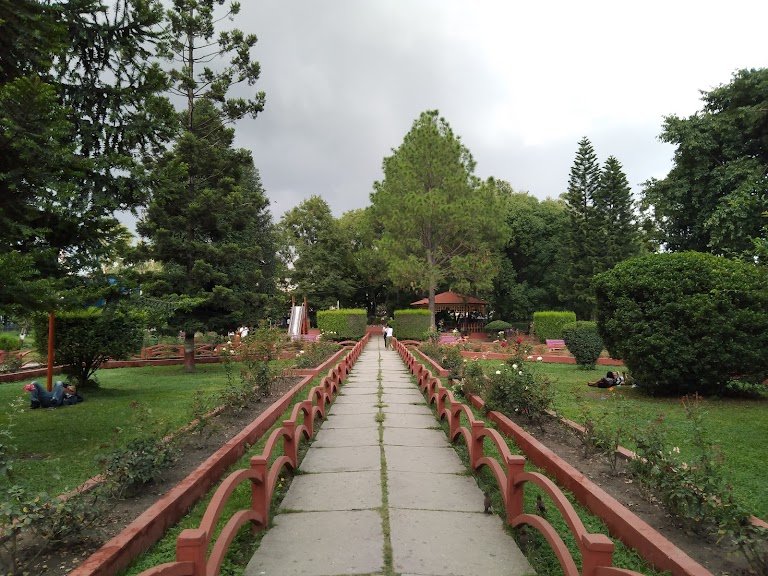
Within lush grounds just west of Kathmandu's iconic Swayambhu Stupa lies a trove of natural treasures—Nepal’s Natural History Museum. Founded in 1975, this landmark celebrates the country’s wild side with thousands of specimens collected from lowland jungles to snowy mountain passes. Whether young explorers or seasoned enthusiasts, visitors soon realize this collection, housed in a modest but charming building, offers a rewarding deep dive into the country’s natural wonders. While Nepal’s mountains steal most headlines, here, birds, butterflies, fossils, and stories of conservation quietly impress and inspire.

Visiting Info

Currency
Entrance fee
300 NPR
Hours
Opening hours
Monday: 10:00 AM – 3:30 PM
Tuesday: 10:00 AM – 4:30 PM
Wednesday: 10:00 AM – 4:30 PM
Thursday: 10:00 AM – 4:30 PM
Friday: 10:00 AM – 4:30 PM
Saturday: Closed
Sunday: 10:00 AM – 4:30 PM

Contact Information

Location
Address
P77Q+M46 Natural Science Museum of Tribhuvan University, Swayambhu Cir Rd, Kathmandu 44600, Nepal

Planning your visit

Planning a trip to the Natural History Museum involves little fuss but deserves thoughtful timing. Located in the Swayambhu area, the museum shares its neighborhood with temples and hilltop views, making it a sensible stop during a broader day’s wander. Tickets are affordable, crowds sparse except on field trip days, and the leafy campus offers a gentle pace. Ideal for families, nature buffs, or anyone seeking shade and silence just steps from city chaos.

  • Best time to visit: Mid-morning or early afternoon in spring or autumn for pleasant weather and fewer student groups
  • How to get there: Taxi or local bus to the Swayambhu (Monkey Temple) area, followed by a five-minute walk; signboards point the way from the main road
  • Accessibility: Mostly ground-floor exhibits, moderate steps outside; suitable for families, but very limited wheelchair access
  • Average visit duration: 1 to 2 hours, or longer if examining displays in detail
Must see stuff

Spread across tidy halls, the museum’s highlights cover Nepal’s astonishing biodiversity and ancient past. Expect dusty display cases packed with hand-labeled butterflies, birds, reptiles, and mammals—some now rare. The dinosaur footprint fossil commands attention, while a preserved giant honeybee nest reminds that natural wonders don’t always roar or fly. Quirky taxidermy and life-sized models spark childhood curiosity; meanwhile, botanical illustrations and a reference library await quieter study. Those seeking a moment outside the city bustle will appreciate birdlife in the garden, where benches invite reflection.

  • Key sights: The dinosaur footprint fossil; regional butterfly and bird collections; the Himalayan flora display
  • Unique experiences: Inspecting preserved reptiles like the massive king cobra; comparing the skeletons of different mammals found only in Nepal
  • Photo-worthy locations: The leafy campus entrance framed by prayer flags; rows of glass cases lined with iridescent beetles
  • Cultural note: The collection highlights Nepal’s fragile ecosystems and deep respect for wildlife, underlining efforts taken by local conservationists

Tips for your visit

While the Natural History Museum welcomes visitors with minimal fuss, a few insider details enhance the experience. Local students often fill the halls in mornings during field trip season, while afternoons stay quieter. Displays use hand-written English and Nepali signage, which adds retro charm but occasional translation hiccups. The on-site café and shop remain limited, so a packed snack or bottle of water proves handy. Outside, cheeky monkeys from the nearby temple sometimes wander the grounds—keep bags zipped and food tucked away. The staff, although usually busy cataloguing, respond warmly to respectful curiosity.

  • Best times to avoid crowds: Avoid late mornings during the local school week (Monday–Friday)
  • What to bring: Camera, water bottle, and sturdy shoes for garden strolls
  • Local etiquette: Speak quietly, don’t tap on glass, supervise children near the exhibits
  • Comfort advice: Bring your own snacks; restrooms are functional but basic; keep valuables close when monkeys are nearby

Similar Attractions

Natural History Museum – Tickets, Hours & Visitor Guide