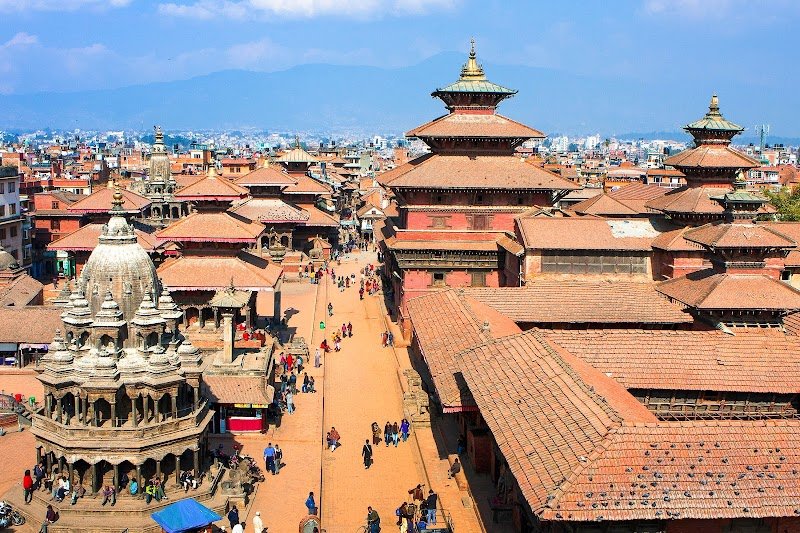
Google Places photo

Kathmandu Durbar Square

Kathmandu, Nepal
i

Google Places photo

Photo by Ganesh Budha

A place where centuries of royalty, spirituality, and everyday life blend into one vivid scene, Kathmandu Durbar Square stands as the ancient heart of the city. Cobbled plazas, intricate woodwork, soaring pagodas, and the bustle of daily rituals make every visit different. While it is a site shaped by history and shaken by modern events, the mix of sacred, royal, and local continues to draw travelers looking for both awe and authenticity.

Visiting Info

Currency
Entrance fee
1000 NPR

Contact Information

Location
Address
Kathmandu 44600, Nepal

Planning your visit

For visitors eager to explore centuries-old palaces and step inside living temples, proper planning makes all the difference. Kathmandu Durbar Square sits in the central part of Kathmandu Valley, surrounded by lively markets, local eateries, and everyday city life. Expect a lively environment, with rhythms set by morning worshippers and cheerful school groups. Crowds gather often, especially during holidays, but quieter moments can be found early or late in the day. While international visitors pay a modest entry fee supporting ongoing restoration, locals move in and out freely.

  • Best time to visit: October to March for sunny weather and clear skies; early mornings or evenings for cooler temperatures and softer light.
  • How to get there: Taxis and ride-shares from Thamel take about 10–15 minutes; local buses also stop near the square, but streets get crowded during rush hour. Walking from Thamel or Freak Street is an easy option for the energetic.
  • Accessibility: Many areas have uneven stone floors and stairs, but open courtyards are mostly accessible for families and seniors with some assistance. Wheelchair users may find certain pathways challenging.
  • Average visit duration: Plan for two to three hours to wander, explore museums, and relax at a café overlooking the square.

Must see stuff

An impressive cluster of temples, courtyards, and palatial halls gives Kathmandu Durbar Square its legendary reputation. Once the seat of kings, the Hanuman Dhoka Palace Complex showcases centuries of dynastic tradition. Nearby, the Kumari Ghar, home to the living goddess, offers curious glances into a unique custom. Away from the central crowd, small shrines and tiny alleyways harbor quiet charms, like the ragged corners of Seto Bhairab or the dawn bustle around Shiva-Parvati Temple. Despite some ongoing earthquake repairs, the square remains photogenic, especially when golden light washes over red brick and carved windows.

  • Hanuman Dhoka Palace: Tour restored sections and visit the museums inside for glimpses of royal crowns, armor, and history.
  • Kumari Ghar: If lucky, catch a short daytime sighting of the young Living Goddess at her window.
  • Jagannath Temple: Snap photos of its erotic wood carvings and nearby sweeping pigeon flocks.
  • Kasthamandap: Discover the reconstructed wooden temple that gave Kathmandu its name, and chat with locals about its legends.
  • Hidden courtyards: Slip down side lanes to find artisan shops making metal icons or peaceful spots for people-watching away from tour groups.
  • Historical facts: Learn how this UNESCO site bore witness to coronations, festivals, and even a daring political revolution.

Tips for your visit

For a smooth Kathmandu Durbar Square adventure, early planning and a few local tips pay off. The area grows busy around midday, but patience usually wins over any hassle. Many temples still play host to real-life worship and family rituals, so respect and curiosity go a long way. Keeping comfortable and aware prepares every traveler for Kathmandu's surprises—both good and challenging. Some structures show the marks of past earthquakes, but repair work highlights the square’s resilience. As with any city site, watch for uneven steps and roaming scooters.

  • Best times to avoid crowds: Arrive right after dawn or stay until twilight. Major Nepali festivals, while vibrant, create dense crowds—plan accordingly.
  • What to bring: Bottled water, sunscreen, a camera or smartphone, sturdy shoes (for stone pavements), and a light scarf (for respectful temple entries).
  • Local etiquette: Ask before entering shrines, avoid photographing the Kumari up close, and give way to actual worshippers and processions.
  • Safety and comfort: Keep bags zipped, watch your footing on uneven stones, and plan rest stops at rooftop cafes overlooking the square.

Similar Attractions

Kathmandu Durbar Square – Tickets, Hours & Visitor Guide