Swayambhu Mahachaitya

Swayambhu Mahachaitya

Kathmandu, Nepal
i

Swayambhu Mahachaitya

Photo by Luc Tukker

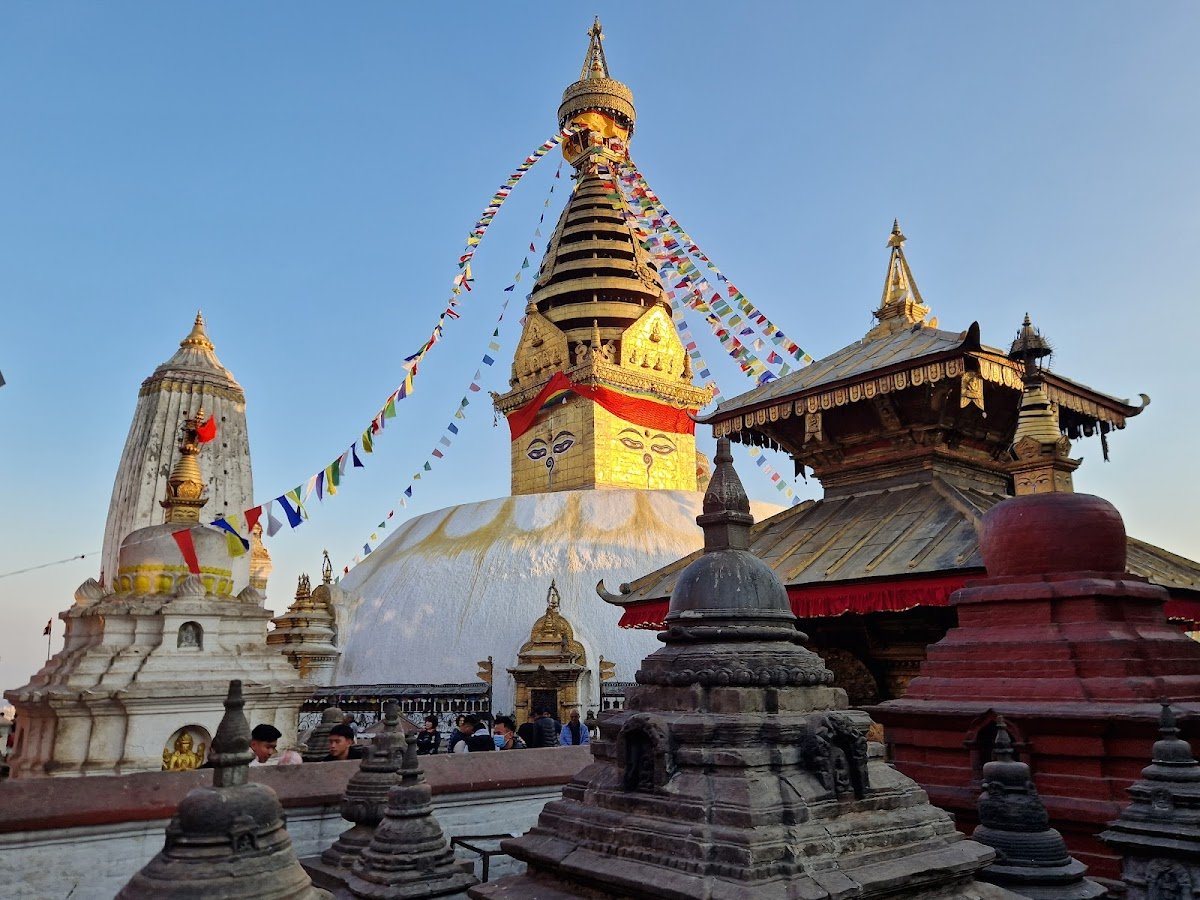
Swayambhu Mahachaitya rises above the Kathmandu Valley, wrapped in legend, monkey chatter, and swirling prayer flags. Centuries-old, this sacred stupa shines golden at sunrise and sunset, providing travelers with endless moments to pause and reflect. For those seeking a deeper look into Nepal’s spiritual and cultural tapestry, this landmark blends ancient art, living tradition, and panoramic views, all within a short climb from the city's chaos.

Visiting Info

Currency
Entrance fee
200 NPR
Hours
Opening hours
Monday: Open 24 hours
Tuesday: Open 24 hours
Wednesday: Open 24 hours
Thursday: Open 24 hours
Friday: Open 24 hours
Saturday: Open 24 hours
Sunday: Open 24 hours

Contact Information

Location
Address
Kathmandu 44600, Nepal

Planning Your Visit

Visiting Swayambhu Mahachaitya needs a bit of planning, but every step is worth it. Though the stupa stands close to central Kathmandu, the approach matters. Some arrive early to avoid crowds or to watch morning rituals in a peaceful setting. Others, drawn by golden-hour light, visit at dusk. Expect some steep stairs and a lively scene, with local worshippers sharing space with visitors and resident rhesus monkeys. Tickets for international travelers are required and sold at the gate. Advance booking is unnecessary, but carrying small bills helps at the entrance and nearby tea stalls.

  • Best time to visit: Early morning (6–8 a.m.) or late afternoon (4–6 p.m.), October through March for clearer skies.
  • How to get there: Taxis, local buses from the city center, or a 30-minute walk from Thamel. Parking is limited.
  • Accessibility: The main approach uses steep stairs; a gentler path (west side road) works better for families or seniors but still has some steps.
  • Average visit duration: 1–2 hours, including time for exploring, taking photos, and enjoying a tea with the view.

Must See Stuff

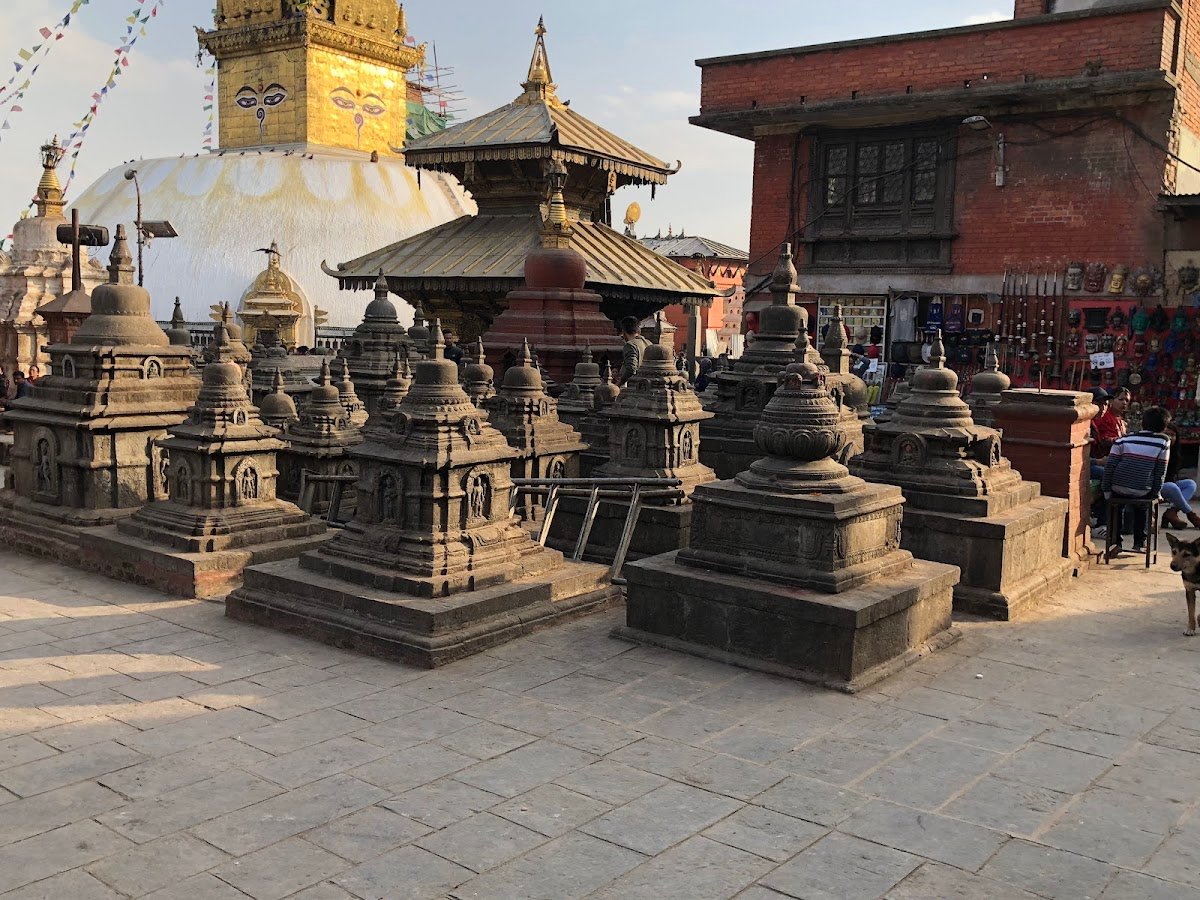
Swayambhu Mahachaitya offers more than a single iconic dome. The experience unfolds through stone courtyards, layered chapels, ancient prayer wheels, and sweeping city vistas. The stupa itself, ringed by hundreds of fluttering flags and watchful Buddha eyes, anchors the site, while monkeys dart between shrines and food vendors. Nearby monasteries host chanting monks, and smaller temples—often ignored by larger groups—hide handcrafted details and quieter moments. Pausing at certain corners reveals Kathmandu stretching into the hills, best seen just after a rainstorm sweeps the haze away.

  • The central Stupa: The gleaming white dome and spire topped with Buddha’s watchful eyes—the heart of the pilgrimage.
  • Iconic stairway: A steep climb lined with prayer wheels and guardian statues—a rite of passage for many visitors.
  • Peaceful courtyards: Spaces to linger, people-watch, or join a circle of spinning prayer wheels.
  • Offerings and ceremonies: Morning or evening pujas (prayers) offer a window into daily spiritual routines.
  • Hilltop views: Photographers prize the sweeping perspective of Kathmandu, especially at sunrise or dusk.
  • Hidden gompas and small shrines: Quieter corners for a dose of tranquility, birdwatching, or reflection.
  • Historical layers: Look for fifth-century carvings and faded wall paintings, clear reminders of generations past.

Tips for Your Visit

A few small changes can improve any visit to Swayambhu Mahachaitya. Comfortable shoes matter: the stairs can be slick or uneven, especially in the rainy season. Watching your belongings is wise, since monkeys have a taste for snacks and the occasional camera left unattended. Dress modestly—shoulders and knees covered shows respect at this religious site. Sunday mornings and festival days draw the largest crowds, though early light keeps the mood quieter. Cash is helpful for small purchases; few places accept cards. Snacks abound near the entrance, but carrying a water bottle saves time and keeps the focus on views and rituals rather than waiting in line. For all its magic, expect some dust, noise, and weathered steps—small trade-offs for genuine atmosphere.

  • Best times to avoid crowds: Weekdays before 8 a.m. or just before sunset.
  • What to bring: Water, camera, modest clothing, hand sanitizer, and good walking shoes.
  • Local etiquette: Walk clockwise around the stupa, don’t touch offerings, and ask before photographing people or ceremonies.
  • Comfort advice: Watch for monkeys near food and be cautious on steep stairs. Carry a small umbrella in the rainy season.

Similar Attractions

Swayambhu Mahachaitya – Tickets, Hours & Visitor Guide