Google Places photo

Buddha Stupa

Kathmandu, Nepal
i

Google Places photo

Photo by rod haines

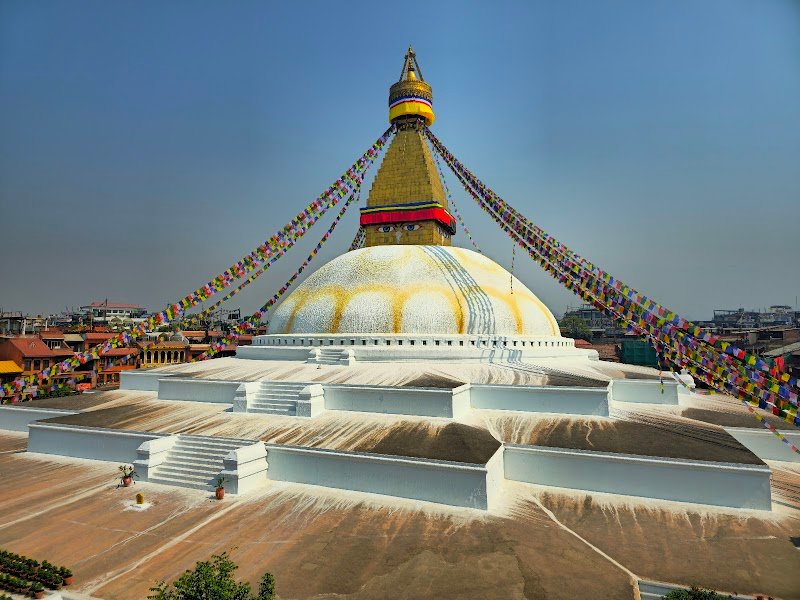
Rising serenely above the hum of the surrounding streets, Buddha Stupa—also known as Boudhanath—stands as one of the world’s most imposing and spiritually significant stupas. Travelers, pilgrims, and locals alike gather here, wrapped in waves of color, devotion, and motion. Whether tracing the prayer wheel path at dawn or catching the last golden rays blazing off whitewashed domes, visitors encounter not just an architectural wonder, but a living expression of Tibetan Buddhist culture. This is not simply a place to tick off a sightseeing list. Buddha Stupa invites slow wonder, quiet reflection, and a heartfelt taste of life in Kathmandu’s spiritual heart.

Visiting Info

Currency
Entrance fee
400 NPR
Hours
Opening hours
Monday: Open 24 hours
Tuesday: Open 24 hours
Wednesday: Open 24 hours
Thursday: Open 24 hours
Friday: Open 24 hours
Saturday: Open 24 hours
Sunday: Open 24 hours

Contact Information

Location
Address
Kathmandu 44600, Nepal

Planning your visit

Set just outside Kathmandu’s busiest districts, Buddha Stupa sits easily within reach, yet feels worlds away from city bustle. Planning a visit means thinking about Nepal’s festivals, timing your stop for light and atmosphere, and knowing the flow of daily worship. Midday, the crowds swell—sometimes vibrant, sometimes overwhelming. Early mornings, saffron-robed monks and faithful worshippers walk in calm circles. The energy shifts with the sun.

  • Best time to visit: Cool, clear mornings (October-November, March-April). Sunset also offers beautiful light and fewer pilgrims compared to midday.
  • How to get there: Taxis and ride-shares from Thamel and nearby areas, or local buses headed toward Boudha. Walking from nearby guesthouses is pleasant and safe.
  • Accessibility: Flat, paved paths make the stupa area navigable for strollers and wheelchairs, though some café rooftops require stairs.
  • Average visit duration: 1–2 hours, longer for those joining prayer walks or stopping in for a meal.
Must see stuff

While the massive white dome of Buddha Stupa steals the first glance, its secrets lie in the details and rhythms of everyday life. Circling with the locals, spinning golden prayer wheels, and soaking in the scent of butter lamps reveal the stupa’s living spirit. Quiet courtyards tucked behind prayer flags house hidden statues. Rooftop cafés offer sweeping views, the perfect spot to take in chanting, sunset, and fluttering banners. Every corner brims with stories, if you pause long enough to listen.

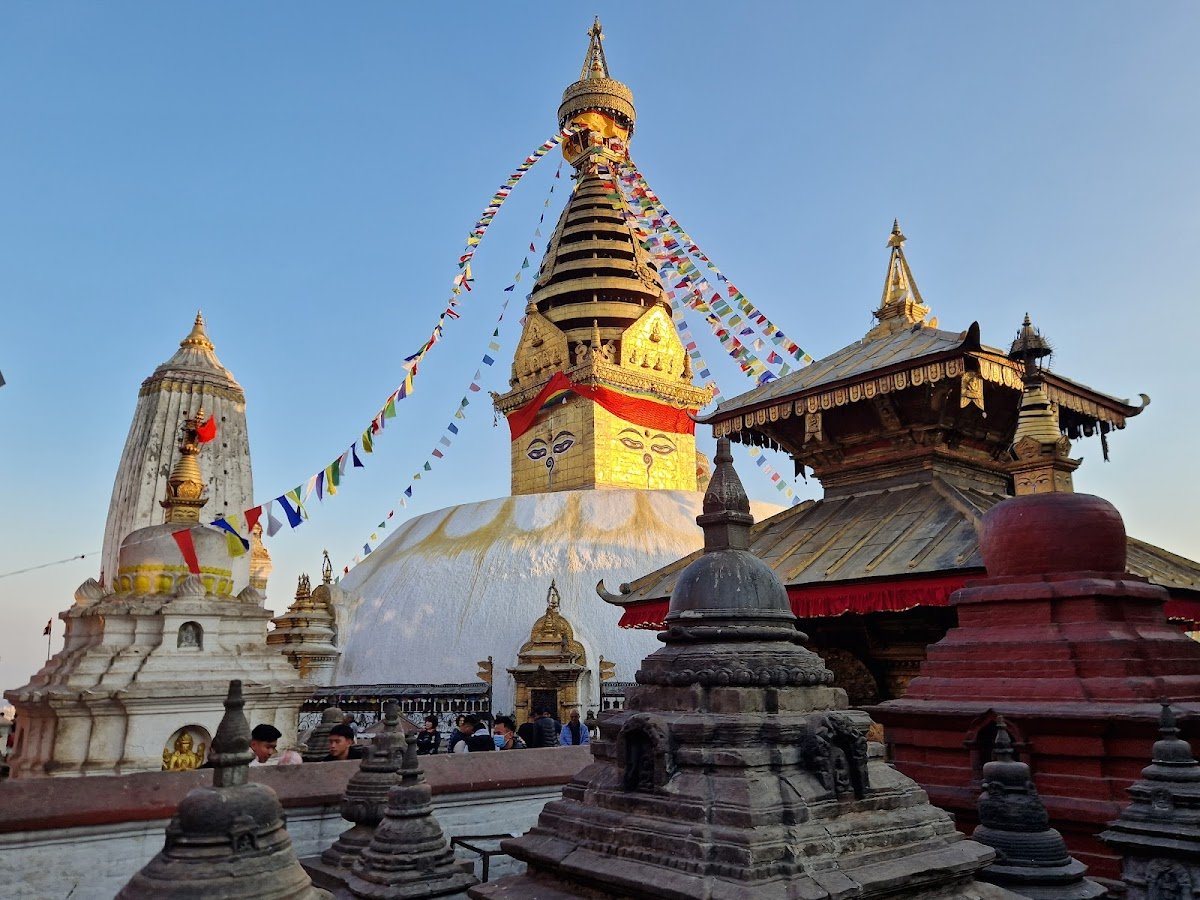
  • Main stupa: Marvel at the massive white dome topped with gilded spires and the painted eyes of Buddha, always watching in four directions.
  • Outer kora path: Join monks, locals, and travelers walking clockwise, turning hundreds of prayer wheels as Tibetan mantras echo in the breeze.
  • Adjacent monasteries: Explore smaller temples around the main circle—some open their doors for visitors to join simple chanting or witness colorful mural paintings.
  • Photo-worthy rooftops: Sip tea at one of the many rooftop cafés for panoramic shots—sunset is especially magical as the dome glows and prayer flags snap in the wind.
  • Cultural contexts: Learn why Boudhanath is a major Tibetan Buddhist pilgrimage. Ask about local legends linking the stupa to Kathmandu valley’s ancient history and nearby refugee communities.

Tips for your visit

A smooth visit requires a bit of planning, a dash of respect, and an open mind. Shoes come off at entrances. Don’t rush; the pace here favors slow steps and warm smiles. Rooftop cafés may charge a little more for views, but deliver peace away from the crowds. Prayer wheels spin clockwise—never the other way. And while the atmosphere feels safe, wandering outside the circle at night is best done with a group. Expect a dash of dust and uneven pavement: this is Kathmandu, after all. Small annoyances fade behind the warmth of shopkeepers, monks, and the ever-present peace of the dome.

  • Best times to avoid crowds: Visit before 9 am or after 5 pm for quieter circles and open café tables.
  • What to bring: Comfortable shoes, a camera, tissues or wipes, and small bills for donations or roadside tea.
  • Local etiquette: Walk clockwise, dress modestly (shoulders and knees covered), quietly witness ceremonies, and always ask before photographing people.
  • Safety and comfort: Stay hydrated, beware uneven brick paths, and keep personal belongings close in busy market areas.

Similar Attractions

Buddha Stupa – Tickets, Hours & Visitor Guide