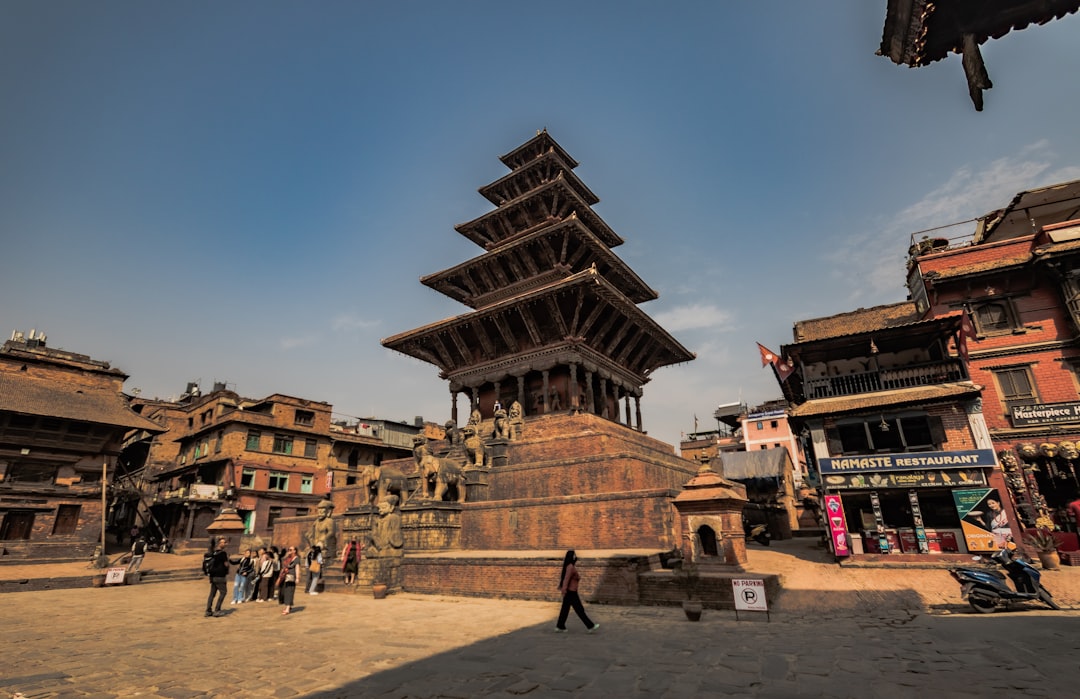
a very tall building sitting in the middle of a town
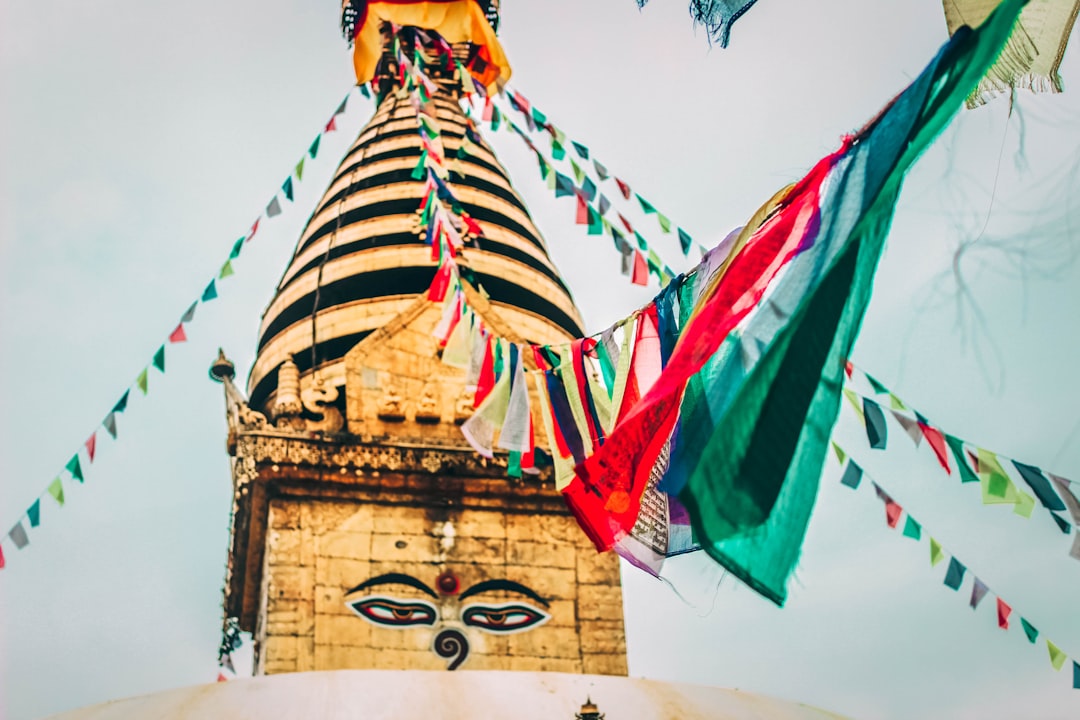
worms eye view photography of concrete structure under gray sky
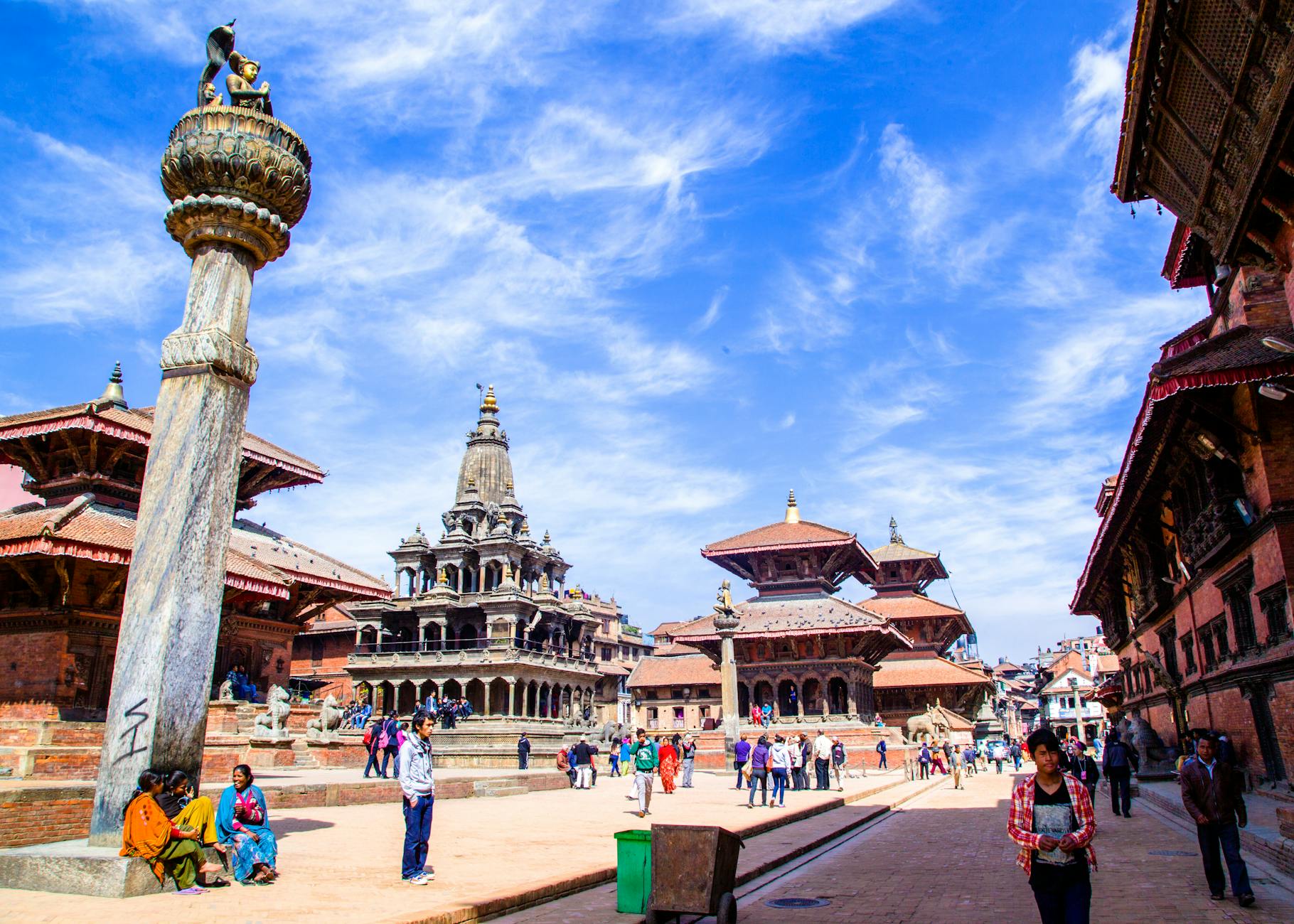
Explore the historic charm and vibrant culture at Patan Durbar Square in Kathmandu, Nepal, a UNESCO World Heritage Site.
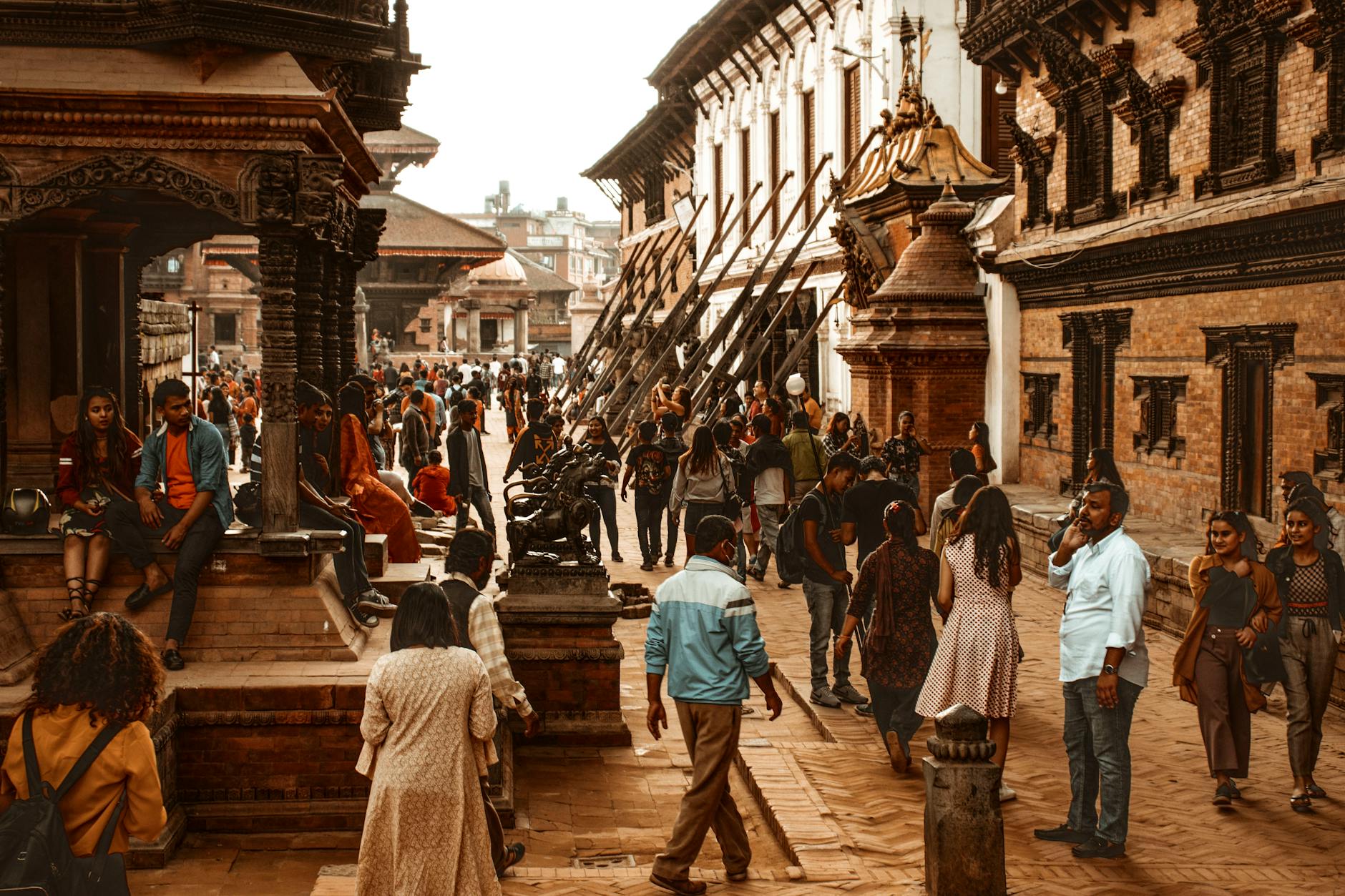
Vibrant street scene in Kathmandu, Nepal showcasing historical architecture and a diverse crowd.

Kathmandu

Nepal
CulturalUNESCO World HeritageReligious & SpiritualArt & ArchitectureHistorical
i

a very tall building sitting in the middle of a town

Photo by Michael Starkie

Kathmandu hits you with a wild mix of incense, dust, and honking scooters. Thamel’s tourist maze buzzes with trekking shops, hemp bracelets, and rooftop cafés. Step into Durbar Square, and time slips: carved wooden gods lean out from temple eaves, pigeons swirl up in lazy arcs. Wander south to Patan for quieter courtyards, bronze workshops, and Newari feasts—spiced lentils, crispy buffalo, sweet yoghurt. Boudhanath’s giant stupa glows best at dusk, monks murmuring, prayer flags snapping in the breeze. Beyond the chaos, the valley breathes green: rice terraces, hidden shrines, villages where time moves softer. Kathmandu can feel gritty, sure, but stay awhile and the layers unfold.

Quick Facts

currency
NPR
languages
Nepali
airports
Tribhuvan International Airport
size
Large City
power
Type C, Type D, Type M
timezone
Asia/Kathmandu
safety
Moderately safe
costs
Very cheap

General Information

Safety indexKathmandu is generally considered a moderately safe destination for travelers. Petty crimes like pickpocketing and bag snatching can occur in tourist hotspots such as Thamel and Durbar Square, so it's best to remain vigilant. Political demonstrations can happen but are usually peaceful; avoid large gatherings. Natural disasters (earthquakes) are possible. Solo travelers and female travelers typically report positive experiences, but basic caution is advisable, especially at night and in less crowded areas.

Best Time to TravelThe best time to visit Kathmandu is from late September to November (autumn), when the weather is clear, mild, and the skies are blue. This period offers excellent mountain views and many cultural festivals, making it ideal for sightseeing and trekking.

Least crowded and still a good time to visitMid-February to April (spring) is also a pleasant and less crowded time to visit Kathmandu. While not as busy as the autumn peak, the weather is warm, the skies relatively clear, and rhododendrons are in bloom. This time strikes a balance between good weather and manageable crowds.

BudgetKathmandu is a very budget-friendly destination. Backpackers can get by on $25–$40 USD per day, covering dorm accommodation, local meals, and basic public transport. Mid-range travelers should budget $50–$100 per day for nicer hotels, restaurants, and tours. Higher-end travelers can expect to spend upwards of $150 per day. Souvenirs, trekking permits, and some attractions will be additional costs.

Healthcare and VaccinationsHealthcare facilities in Kathmandu are mixed. While there are several private hospitals and clinics with reasonable standards, public hospitals may lack resources. For minor illnesses, care is usually adequate, but serious conditions may require evacuation. Most clinics expect payment up front, so travel insurance with medical coverage is highly recommended. Tap water is not safe to drink—stick to bottled or purified water.

Visa RequirementsMost visitors can obtain a tourist visa on arrival at Tribhuvan International Airport in Kathmandu. Requirements include a valid passport, passport-sized photos, and a fee (USD cash is preferred). Tourist visas are typically available for 15, 30, or 90 days. You can also apply in advance at Nepali embassies or via an online pre-arrival form. Check for the latest requirements as they may change.

Weather in Kathmandu

°C°F
3493
2577
1660
643
-327
Jan
Feb
Mar
Apr
May
Jun
Jul
Aug
Sep
Oct
Nov
Dec
3020100
Avg. min. temperature
Avg. max. temperature
Avg. precipitation days

First-time travelers

Between the sacred Himalayas and the roar of city life, Kathmandu unfurls in bewildering layers. First encounters here often feel like stepping out of time. Early morning bells mix with clattering rickshaws. Incense twines through diesel fumes. In this tangle, the old blends with the new, and everyday moments brim with the unexpected.

Arriving in Kathmandu's Embrace

The first taste of the city often comes with a jolt—traffic swarming around walkers, motorbikes weaving past golden stupas. Thamel’s winding alleys overflow with vivid textiles, prayer flags and endless honking. Step into Asan Tole’s bazaar, where vendors’ calls bounce off ancient brickwork, and the scent of cardamom and fried sel roti drifts on the air.

It’s tempting to stick to the highlights. Darbar Square’s regal palaces, Swayambhunath’s all-seeing eyes, or the hushed steps of Pashupatinath at dusk. These are essential introductions to Kathmandu’s spirit—where the city’s heart beats loudest over centuries-worn stones.

Sensory Layers

Food draws visitors deeper. Try a plate of steamed momos with searing achar at a corner shop near Patan Durbar Square, or sip thickly sweet Nepali tea at a roadside kiosk. Local life unspools with festivals, like the riotous colors of Holi or the hypnotic music of Indra Jatra—each a living window into centuries of faith and joy.

  • Wander early in Asan Tole market for street food and morning rituals
  • Respect local customs in temples: remove shoes, walk clockwise
  • Pack a face mask for dust, bring extra patience for traffic

Kathmandu dazzles and overwhelms, especially the first time. But beneath the surface chaos lies a web of history, kindness, and beauty—best found by walking, tasting, and listening. That’s the magic for first-time travelers: every glance, every smell, feels utterly new.
Return travelers

Coming back to Kathmandu means slipping beyond first impressions. The city’s familiar buzz greets like an old friend, but the real treasures now hide in plain sight. Streets seem tighter, voices more layered, and each neighborhood begins to reveal its distinct secrets.

Uncovering the Everyday

Return visits reveal daily rhythms missed on hurried tours. Mornings near Patan’s Kumbeshwar Temple, locals splash in ritual baths—laughter echoing off carved stone. In Pulchowk, art studios buzz with young creatives shaping new Nepali design. Back roads in Boudha whisper with monastic chants and the grind of roasted coffee beans from teensy, family-run cafés.

Now, invitations arrive to join a twilit gufa dinner in a friend’s home—smoky, tart gundruk soup warms cold fingers. You watch a wedding parade glide through Balkhu, drums shivering with delight, petals flung from trailing scooters. Offhand tips from shopkeepers lead to backstreet eateries—savor buffalo choila and crispy samaya baji, flavors deepened by memory.

Living Kathmandu

Return travelers know to chase moments, not lists. Spend an afternoon weaving malas with flower vendors in Pashupati’s shadow. Visit the pothole-pocked lanes of Bhaktapur for paper lantern workshops, or sit on a rooftop, just listening to rain tap ancient tiles while sipping Newa-style rice beer.

  • Test your bargaining skills at the Mangal Bazaar open market
  • Take a storytelling walk in Patan with local guides
  • Seek out cafes in alleys around Boudha for quiet people-watching
  • Attend a local puja: ask neighbors, not posters

Kathmandu remains a city of contradictions, even for those who return. It offers more intimacy, more layers with each visit. The city reminds—every journey opens new doors, especially for those willing to linger, listen, and blend in with the daily song.

Must-see locations

Pashupatinath Temple
i

Pashupatinath Temple

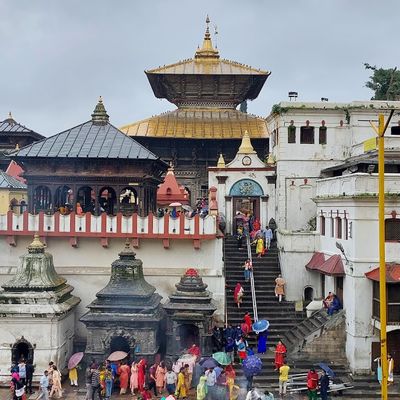
Pashupatinath Temple draws travelers with gold-roofed pagodas, sacred Bagmati River ghats, and lively Sadhus meditating. Watch evening aarti rituals, spot monkeys, and feel Kathmandu’s ancient Hindu traditions alive.

Learn More
Google Places photo
i

Google Places photo

Photo by Ganesh Budha

Kathmandu Durbar Square

Ancient temples and royal courtyards fill Kathmandu Durbar Square—a UNESCO site alive with festivals, street vendors, and music. Snap photos by Hanuman Dhoka Palace. Watch locals worship at Taleju Temple. History echoes in every stone.

Learn More
Google Places photo
i

Google Places photo

Photo by Dani

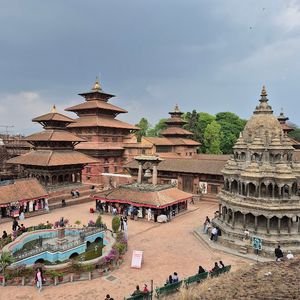
Patan Darbar Square

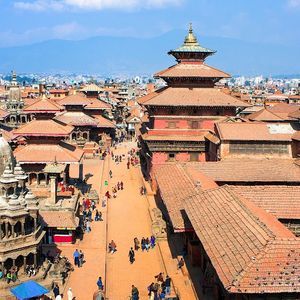
Ancient temples fill Patan Darbar Square, where red-brick courtyards buzz with local life. Watch artisans craft metalwork, visit the Krishna Mandir, or wander quiet alleys lined with centuries-old shrines. Perfect for history lovers.

Learn More
Google Places photo
i

Google Places photo

Photo by rod haines

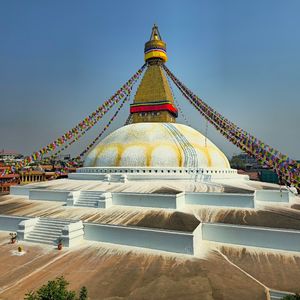
Buddha Stupa

Buddha Stupa in Kathmandu stirs the senses with fluttering prayer flags, incense-filled air, and the slow spin of prayer wheels. Buddhist monks chant around the white dome. Lively Boudhanath neighborhood offers tasty momos and handmade crafts.

Learn More
Swayambhu Mahachaitya
i

Swayambhu Mahachaitya

Photo by Luc Tukker

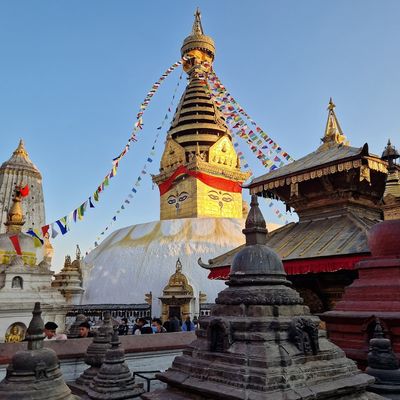
Swayambhu Mahachaitya

Ancient Swayambhu Mahachaitya rises above Kathmandu Valley, prayer flags fluttering. Spin vibrant prayer wheels, watch playful monkeys, join pilgrims circling the stupa. Sunset over city rooftops—pure magic.

Learn More

How to get there

By air

Kathmandu is most conveniently reached by air via Tribhuvan International Airport (KTM), the only international airport in Nepal. Direct flights are available from several Asian and Middle Eastern cities, as well as via major hubs like Delhi, Doha, Bangkok, and Istanbul. Upon arrival, various options are available to reach the city center (approx. 6 km from the airport).
Options to get to town:
Taxi
Price:
NPR 700–1000 (~USD 5–8)
Duration:
20–40 minutes depending on traffic
Where to buy:
Prepaid taxi counter at the airport arrival hall
Airport bus
Price:
NPR 20–30 (~USD 0.20)
Duration:
30–60 minutes depending on traffic
Where to buy:
Bus stop outside the airport gate (walk 5–10 min from terminal)
Train/shuttle
Price:
N/A
Duration:
N/A
Where to buy:
Not available

By train

There is no direct train service to Kathmandu. The nearest train stations are in India (such as Raxaul or Jaynagar). From there, you can cross the border into Nepal (Birgunj or Janakpur) and continue by bus or car to Kathmandu. International travelers usually use trains to reach the India-Nepal border and then travel overland.
Useful websites for train tickets:

By car

Kathmandu is accessible by road from India. The main border crossings are at Birgunj, Sunauli, and Kakarbhitta. International travelers typically enter Nepal by road from India, and private vehicles must have proper documentation (including a carnet or permit for foreign vehicles). The condition of roads can vary and mountain driving experience is recommended.
Additional charges to be aware of:
Toll / vignette / emission sticker
Cost:
Nominal tolls (NPR 50–150, ~USD 0.5–1.5) on certain highways
How to pay:
Paid at toll booths along highways
Other driving costs
Cost:
Fuel (approx. NPR 130–180 per liter, ~USD 1–1.5); possible border permit for international vehicles (varies)
How to pay:
Fuel at gas stations; vehicle permit at border control or customs office

How to get around

Public transport

Public transport in Kathmandu mainly consists of local buses, microbuses, and tempos (three-wheeled electric vehicles). These are economical options but can be crowded and somewhat challenging for newcomers to navigate, as stops and schedules are not always clearly marked or adhered to. Ideal for travelers wanting an authentic local experience, but less convenient if you want comfort and predictability.

Ticket options:
Ticket TypePriceWhere to buy
Single ticketNPR 20-50Pay conductor onboard
Day passNot widely availableN/A

Taxis & ridesharing

Taxis are plentiful across Kathmandu and can be hailed on the street or found near major hotels and tourist sites. Fares are usually negotiated in advance or by the meter (ensure the meter is used if possible). Ridesharing apps like Pathao and inDrive operate in Kathmandu, offering a transparent and often cheaper alternative to traditional taxis.

Service providers:
ProviderPriceHow to book
Local taxiStarting around NPR 200 for short ridesOn the street or at taxi stands
Ridesharing appVaries by distance, usually lower than regular taxisVia Pathao or inDrive apps

Car rental

Car rental services are available in Kathmandu, typically through local agencies. Renting a car with a driver is common due to traffic and road conditions. Self-drive rentals are rarer and require an international driving permit.

Rental options:
ServicePriceHow to book
Daily rentalFrom NPR 4,000 per day (with driver)Local agencies or hotel travel desks
Weekly rentalNegotiable, approx. NPR 25,000-30,000Local agencies or hotel travel desks

Bike & scooter rental

Motorbikes and scooters are extremely popular for getting around Kathmandu due to the city's traffic congestion and narrow streets. Several rental shops are located in tourist areas like Thamel. A valid driving license and some form of ID are required. Helmets are mandatory.

Rental options:
ServicePriceHow to book
Bike rentalAround NPR 500-1,000 per dayRental shops in Thamel and other tourist areas
Scooter rentalAround NPR 800-1,200 per dayRental shops in Thamel and other tourist areas

What to eat

A Kathmandu morning begins with steam swirling from sidewalk stalls and bell chimes blending with sizzles. Chili and ginger drift on the air, making the senses snap awake. From teahouses on ancient lanes to night markets pulsing under neon, the city’s kitchens never sleep. Breakfast, lunch, midnight meal—each brings new flavors and a dash of surprise. Eating here is never just about food. It’s the stories, smiles, and street-side banter. In Kathmandu, every bite promises discovery.

Signature Dishes

  • Momo: Pillowy dumplings, steamed or fried, bursting with spiced buff (water buffalo) or veggie filling. Served everywhere from family kitchens to roadside carts.
  • Dal Bhat: Nepal’s classic rice and lentil set. Served with tangy pickles, vegetable curries, crispy papad, and curd. Locals eat this twice daily, often with their hands.
  • Chatamari: Rice flour crepe, paper-thin and slightly chewy, loaded with minced meat, eggs, and herbs. A beautiful Newari treat found in backyard eateries.
  • Sukuti: Strips of dried, spiced buffalo meat roasted over open flame. Smoky, fiery, and perfect with a cold beer in Thamel’s buzzing bars.
  • Sel Roti: Sweet, chewy ring-shaped rice breads, fried fresh for major festivals. Best eaten hot with milky chai in a local tea shop.

Street Food & Markets

Thamel’s crooked laneways swarm with smells of frying dough and grilling meat. Hit Asan Tole market early, where tarps shade piles of produce and women ladle steaming aloo chop (potato fritters) into leaf bowls. Jhol momo vendors crowd Patan’s alleys, serving dumplings drenched in spicy red sauce. Squeeze past shoppers for a glass of tangy lassi or nibble on peanuts tossed with mustard oil. Crowds can get intense—watch your wallet, and sidestep dubious tourist menus. Yet, it’s in these markets that Kathmandu’s true flavors bloom.

Sweet Treats & Drinks

Every neighborhood bakery brims with fresh yomari—rice-flour dumplings stuffed with molasses and sesame. Nothing beats warm jalebi spirals, orange and dripping syrup, still crisp from the pan. Sample gudpak, a nut-studded fudge beloved by locals near Indra Chowk. Wash it down with a cup of sweet, spiced Nepali chai or a cold Everest beer at a rooftop terrace. For the adventurous, a pot of tongue-tingling tongba (millet beer) in Bouda offers a true taste of the hills.

Why Travelers Eat Here

  • Diverse crossroads cuisine—Tibetan, Newari, Indian, and global influences on every corner
  • Unpretentious, home-style meals served in atmospheric lanes and ancient courtyards
  • Affordable street eats—eat lavishly without breaking the bank
  • Festive food scenes—hearty, flavorful dishes tied to celebrations and daily rituals

To eat in Kathmandu is to join a living festival. The city’s pulse follows each plate, every sip and swirl binding you closer to its heart. Hungry? Always. Satisfied? Only until next meal.

Top Rated Restaurants

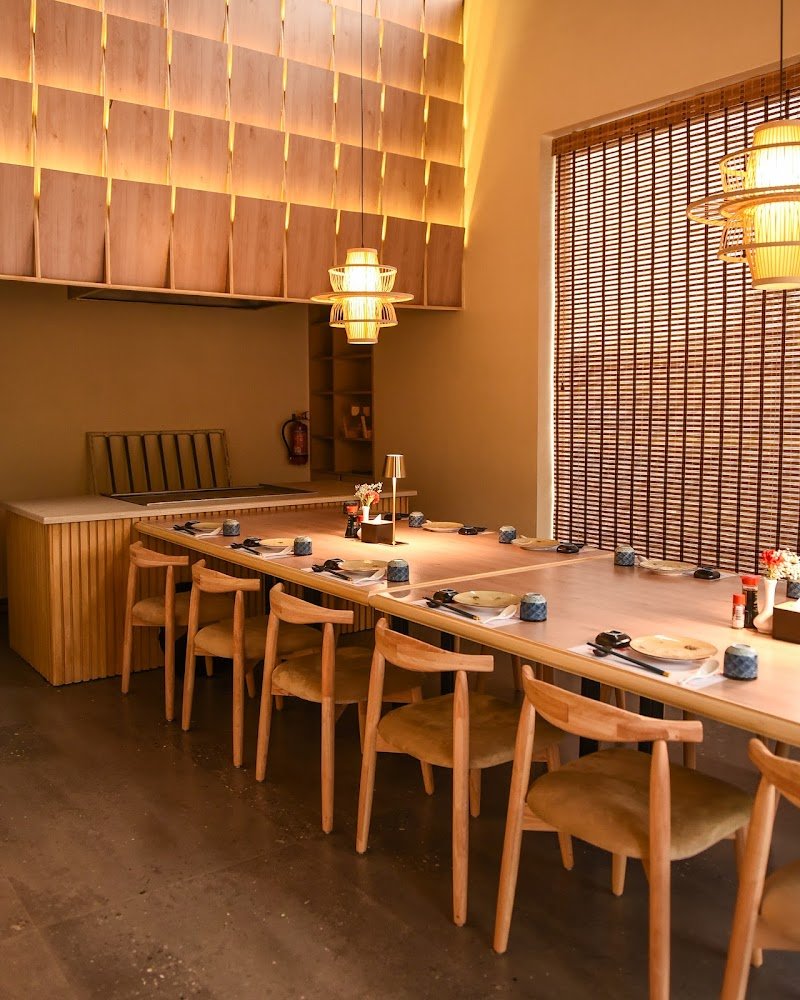
Hokkaido Umami

Hokkaido Umami

4.8 (279 reviews)
LocationThe Park -2nd Floor, Kathmandu 44600, Nepal
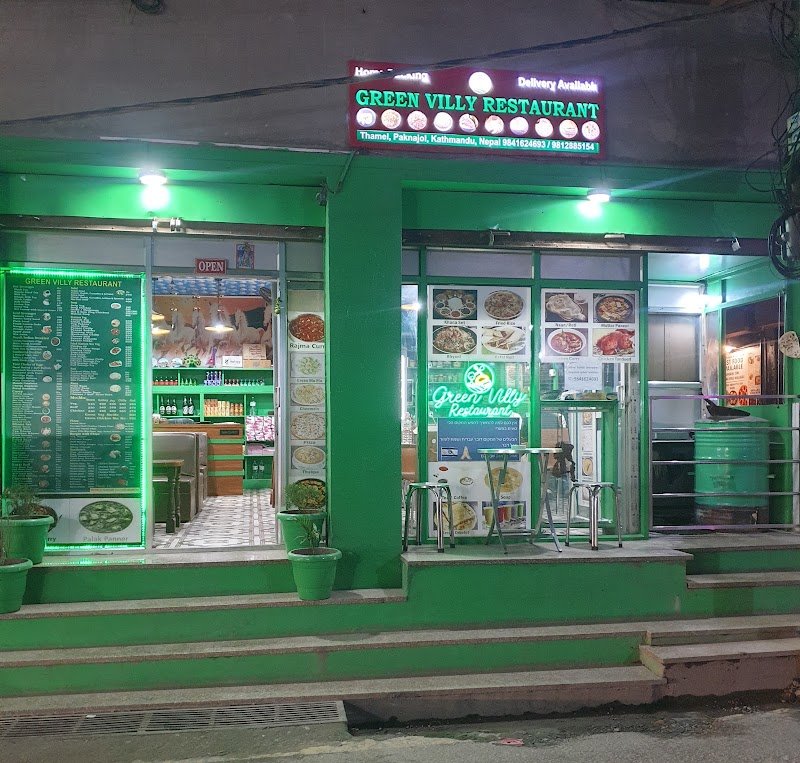
Green Villy Restaurant - Thamel Kathmandu

Green Villy Restaurant - Thamel Kathmandu

4.8 (1.9k reviews)
$
LocationP885+HFX, 16 Paknajol Marg, Kathmandu 44600, Nepal
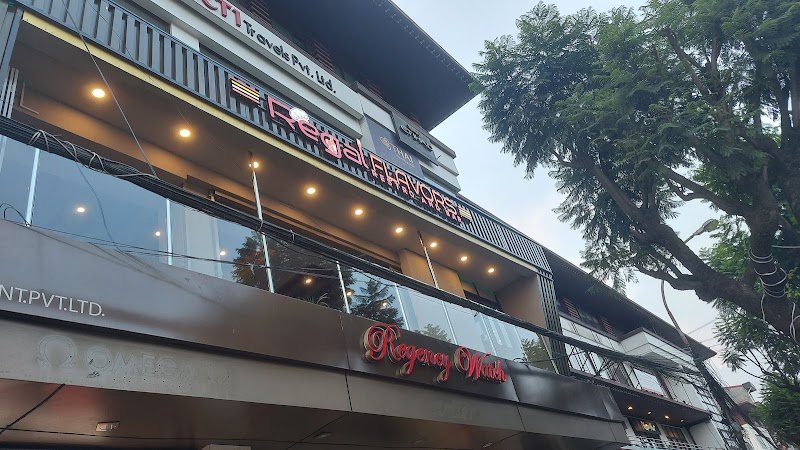
Regal Flavors Restro and Bar

Regal Flavors Restro and Bar

4.8 (350 reviews)
LocationDurbar Marg, Kathmandu 44700, Nepal
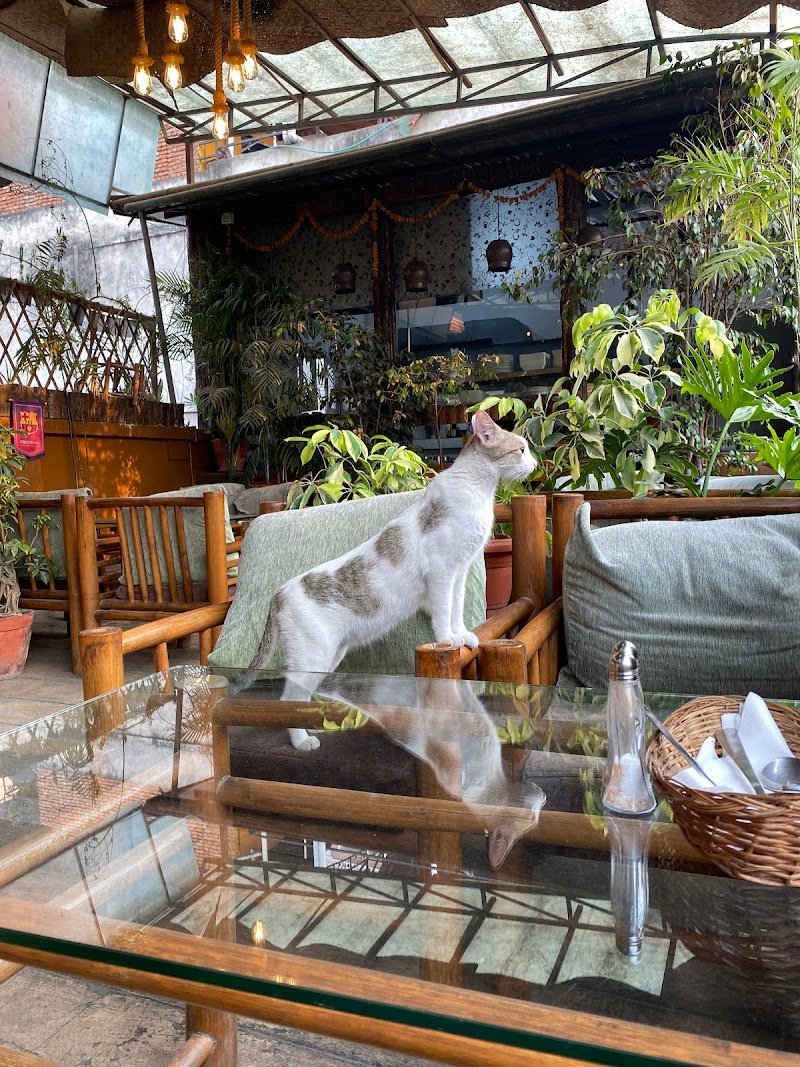
Forest & Plate

Forest & Plate

4.7 (889 reviews)
$$
LocationMandala Street, Kathmandu 44600, Nepal
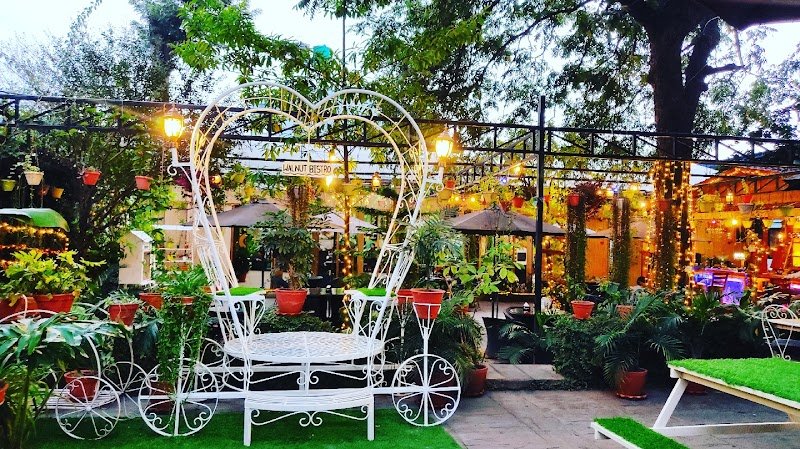
Walnut Bistro - Restaurant in Kathmandu

Walnut Bistro - Restaurant in Kathmandu

4.7 (3.0k reviews)
$$
LocationDo-Cha Marga, Kathmandu 44600, Nepal

Accommodations

The right place in Kathmandu can shape every day of your stay. Step from a quiet guesthouse garden into old lanes, or sleep above a honking maze of night life. Space here is measured not by wall thickness, but by how you feel in the swirl. Where you unpack your bag changes who you meet, what you eat, and what adventures fill your days and nights.

Neighborhood Overview

  • Thamel: Kathmandu’s backpacker soul. Thamel throbs with energy—late-night bars meet trekking shops and music spills onto alleys. Some find its pace thrilling, others too loud for sleep. Ideal for younger travelers, solo backpackers, and anyone craving nightlife or last-minute adventure gear.
  • Patan (Lalitpur): Across the river, Patan is Kathmandu’s quieter cousin. Heritage homes, artisan courtyards, vibrant Newari culture—yet an easy 20-minute taxi to tourist heartlands. Families and couples lean toward its mellow pace, wider streets, and historic squares like Patan Durbar—bustling by day, calm by night.
  • Boudha: Known for its huge stupa, Boudha offers a peaceful, spiritual retreat. Monasteries outnumber bars, prayer flags flutter above garden guesthouses, and incense drifts at dawn. Perfect for spiritual seekers, digital nomads, or anyone needing rest on long trips.
  • Lazimpat: Just north of Thamel, Lazimpat blends embassies, laid-back cafés, and boutique hotels. Expect quiet streets and pricier rooms. Suits business travelers, luxury-seekers, and families wanting clean air and comfort, but with easy taxi rides to heritage highlights.

Types of Accommodation

  • Boutique Hotels: Places like Nepali Ghar or Hotel Traditional Comfort blend culture and comfort. Prices: $60–$150/night.
  • Hostels/Guesthouses: Classic Thamel hostels (e.g., Zostel, Alobar1000) cater to backpackers for $7–$30/night. Simple, social, sometimes noisy.
  • Family-run Homestays: In Patan and Boudha, homestays offer home-cooked meals and insight, for $15–$50/night. Peaceful and personal—suitable for longer stays.

Insider Tips for Booking

Book at least two weeks early for November–March or September. High season brings steeper prices—sometimes double. Budget extra for Nepal’s 13% hotel tax. Some boutique hotels offer package rates or discounts for stays of three nights or more.

Dawn pours golden light over a rooftop. A bell chimes, a motorbike sputters far below. In Kathmandu, where you lay your head is more than a bed—each neighborhood wakes your own story.

Kathmandu Travel Guide - What to See, Do & Eat