Shangri La Museum of Islamic Art, Culture & Design

Shangri La Museum of Islamic Art, Culture & Design

Honolulu, U.S.A.
i

Shangri La Museum of Islamic Art, Culture & Design

Photo by Daja Phillips

Perched on the gentle slopes above the Pacific, Shangri La Museum of Islamic Art, Culture & Design offers something unexpected. Inside its walls, rare treasures from far-flung lands glow in Hawaii’s tropical light. Garden pathways and graceful courtyards invite a slower pace, inviting discovery at every turn. More than a museum, Shangri La brings together centuries of art, design, and living tradition under one roof—a vivid example of how beauty can bridge cultures.

Visiting Info

Currency
Entrance fee
25 USD
Hours
Opening hours
Monday: Closed
Tuesday: Closed
Wednesday: 9:00 AM – 1:30 PM
Thursday: 9:00 AM – 1:30 PM
Friday: 9:00 AM – 1:30 PM
Saturday: 9:00 AM – 1:30 PM
Sunday: Closed

Contact Information

Location
Address
4055 Pāpū Cir, Honolulu, HI 96816, USA

Planning your visit

Shangri La’s serene setting goes best with good planning. Advance tickets are required, as entry operates by guided tour only. Tours start and end at the Honolulu Museum of Art, from which a shuttle whisks visitors down a quiet neighborhood road to the museum’s doorstep. Because tours are small and schedules limited, booking ahead is wise, especially in the busy winter months. Mornings offer gentle sunlight and fewer crowds, while afternoons highlight ocean views from the lawns. The museum welcomes kids and seniors, though paths and some rooms have stairs and stone floors, so comfortable shoes are a must.

  • Best time to visit: Mornings on weekdays, from October to April
  • How to get there: By shuttle, departing from the Honolulu Museum of Art; ride-share or car not allowed to the museum directly
  • Accessibility: Some areas may be challenging for strollers or wheelchairs; staff can advise on easier routes
  • Average visit duration: 2.5 to 3 hours including transport

Must see stuff

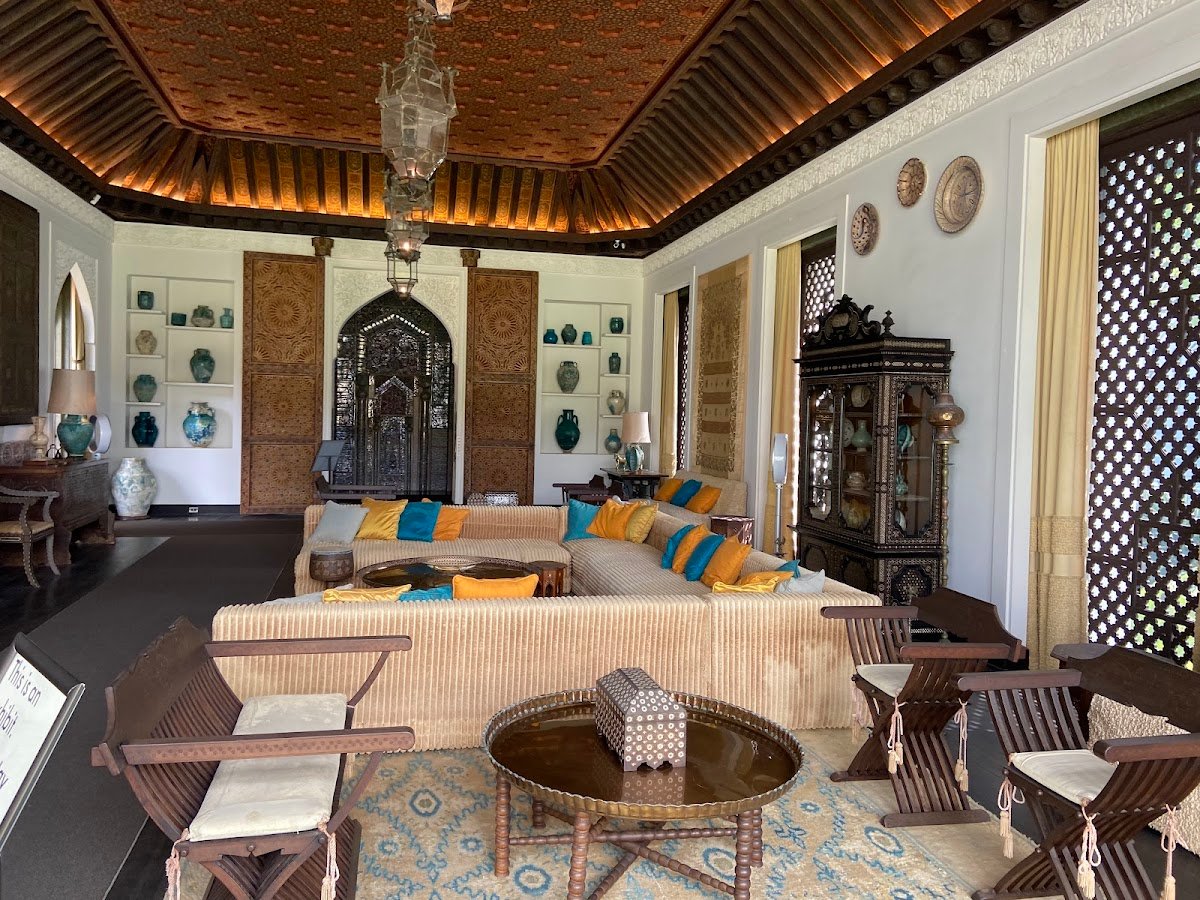
Shangri La’s heart lies in its seamless blend of architecture, gardens, and exquisite pieces gathered from Morocco, Iran, India, and beyond. Each room captures a different facet of Islamic heritage, while the surrounding gardens frame sparkling ocean views. Guides share stories behind tiles and textiles, from Iranian mosaic ceilings to Turkish ceramics. Outdoor spaces—including the Mughal-style reflecting pool and the honeycomb-motif Playhouse—invite wandering and thoughtful photos.

  • Key sights: The Damascus Room, the Moroccan-inspired entryway, and the Mughal Garden
  • Unique experiences: Guided tours that explain the stories behind each collection; rare access to parts of Doris Duke’s original private home
  • Photo-worthy locations: The arched central courtyard, blue-tiled pool, and ocean-view terrace
  • Cultural or historical facts: Shangri La was built by philanthropist Doris Duke in the 1930s as her personal homage to Islamic design; today, it supports residencies for artists and cultural exchanges

Tips for your visit

Guided tours shape the pace and experience, so arrive early for check-in at the Honolulu Museum of Art. Photography is allowed in most areas, but sometimes restricted during special exhibits. While the tropical air invites light clothing, bring a sweater for air-conditioned interiors, especially in the main galleries. Only small bags are permitted. The surrounding neighborhood is residential, so take the shuttle rather than walking. While there’s no café on site, water fountains can be found near the entrance—bring a refillable bottle. For a quieter tour, book the earliest slot; for the best light, head straight for the gardens as soon as your guide allows.

  • Best times to avoid crowds: Book the first tour of the day, especially mid-week
  • What to bring: Comfortable walking shoes, refillable water bottle, light sweater, camera
  • Local etiquette: Respect protected areas and do not touch the artwork; listen to guides for stories and safety information
  • Safety or comfort advice: Some garden paths and interior floors can be slippery after rain; tread carefully during wet months