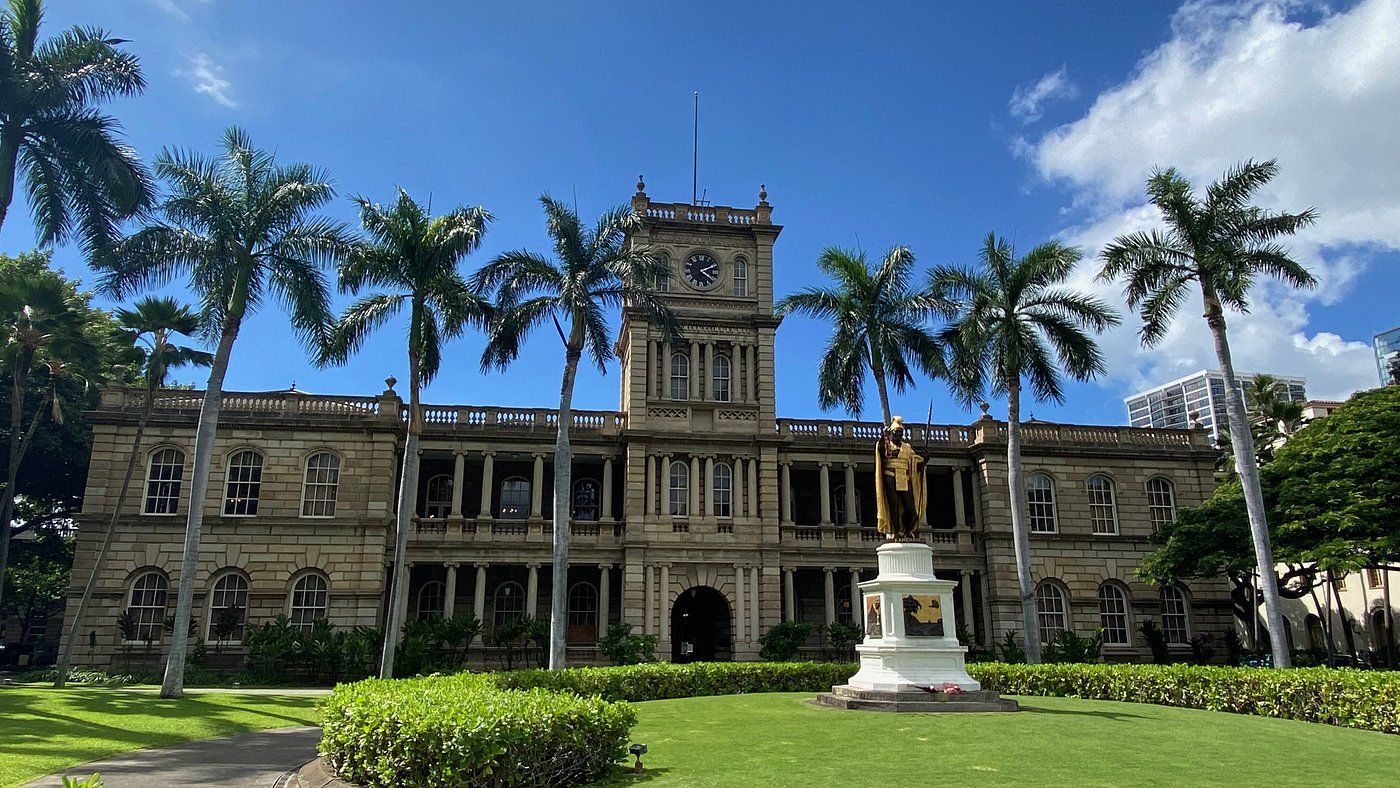
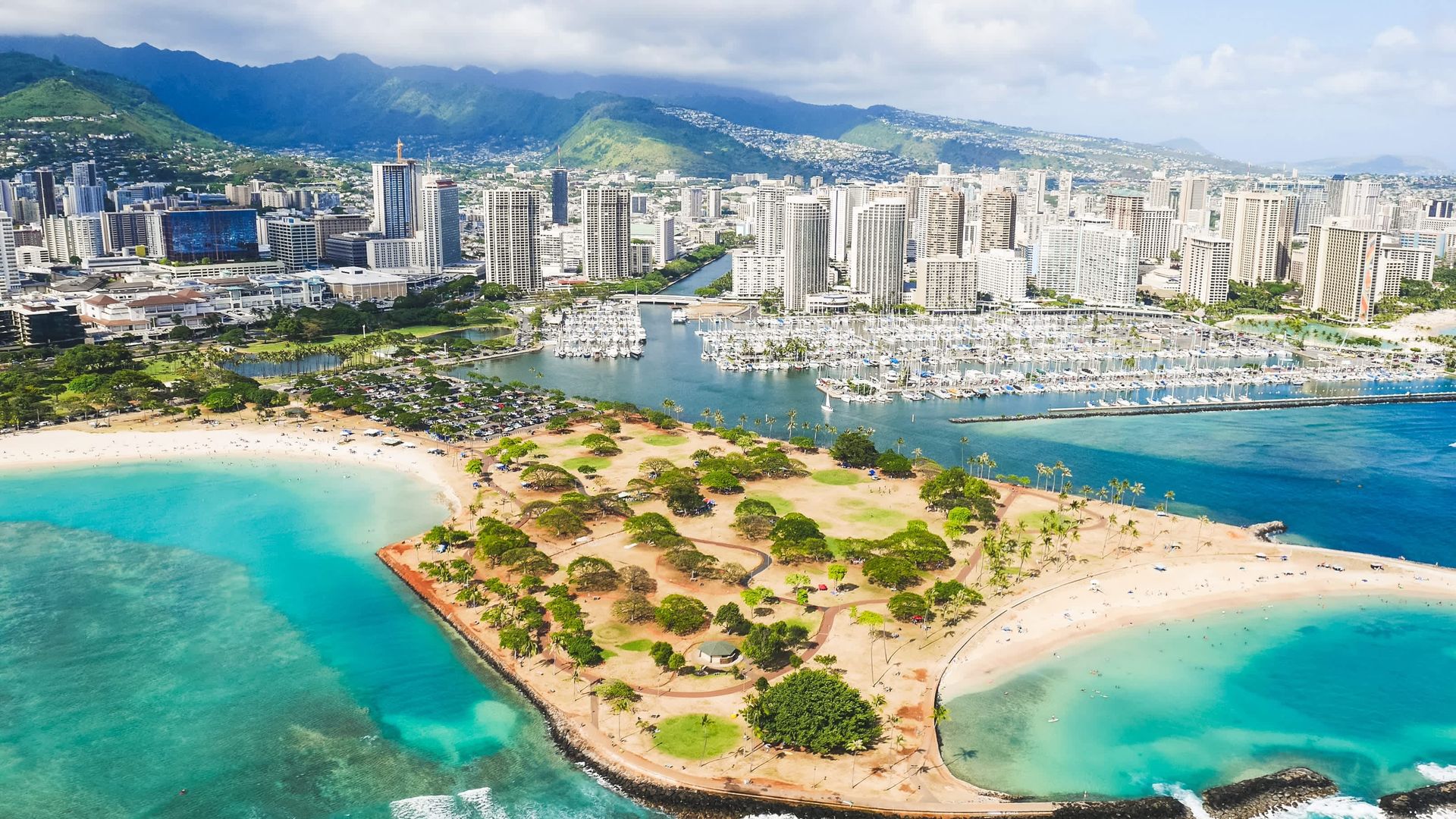
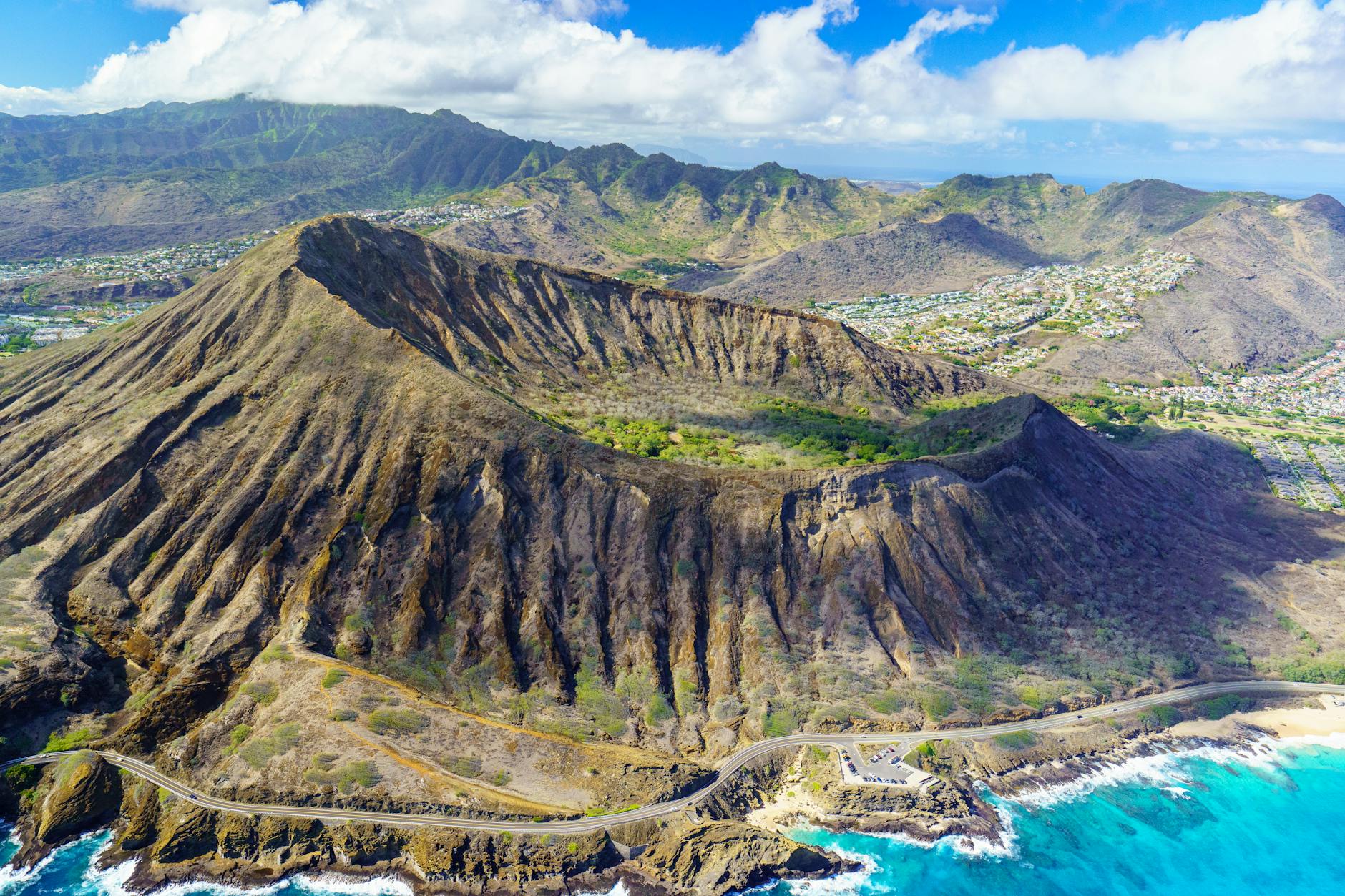
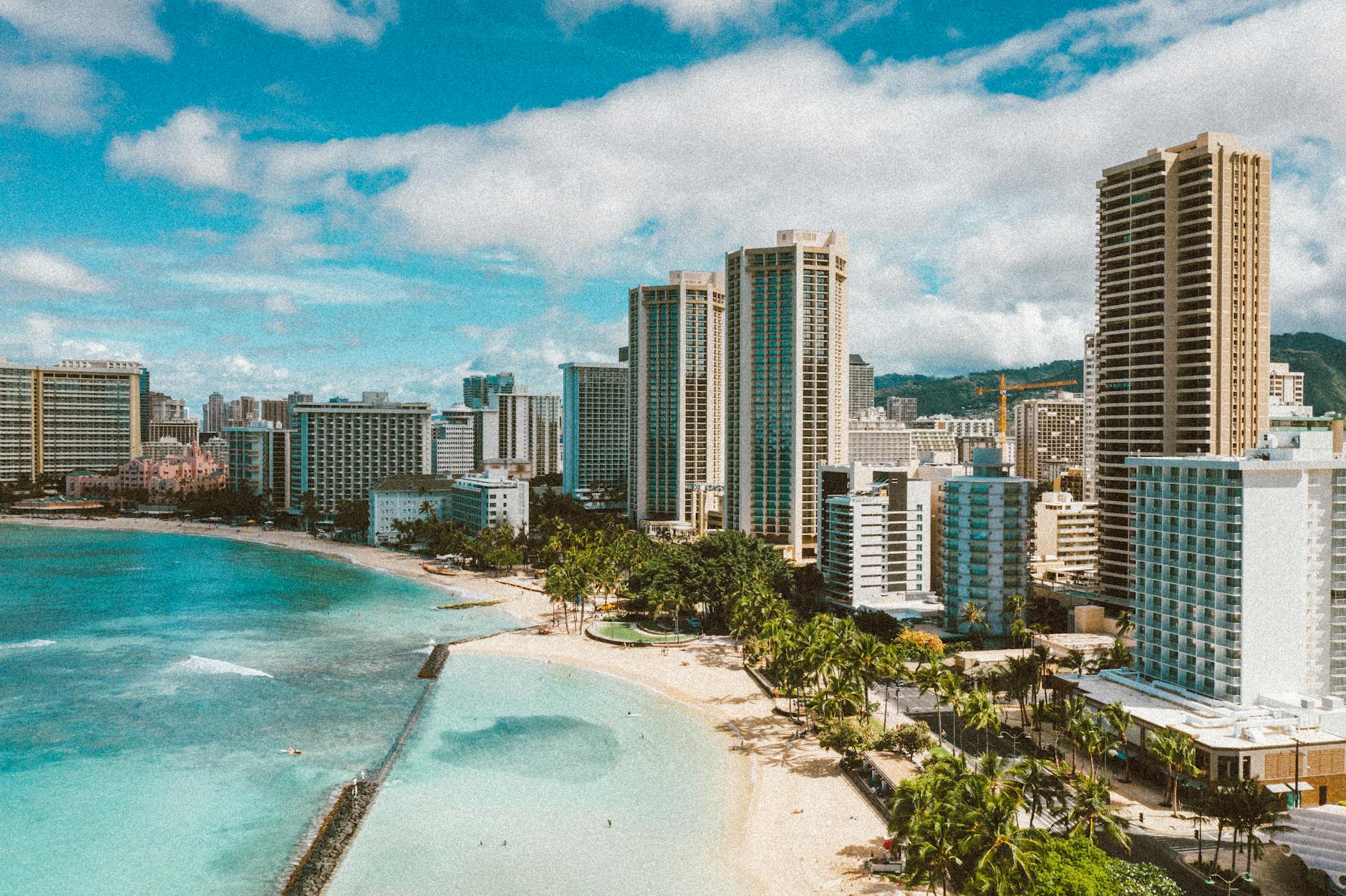
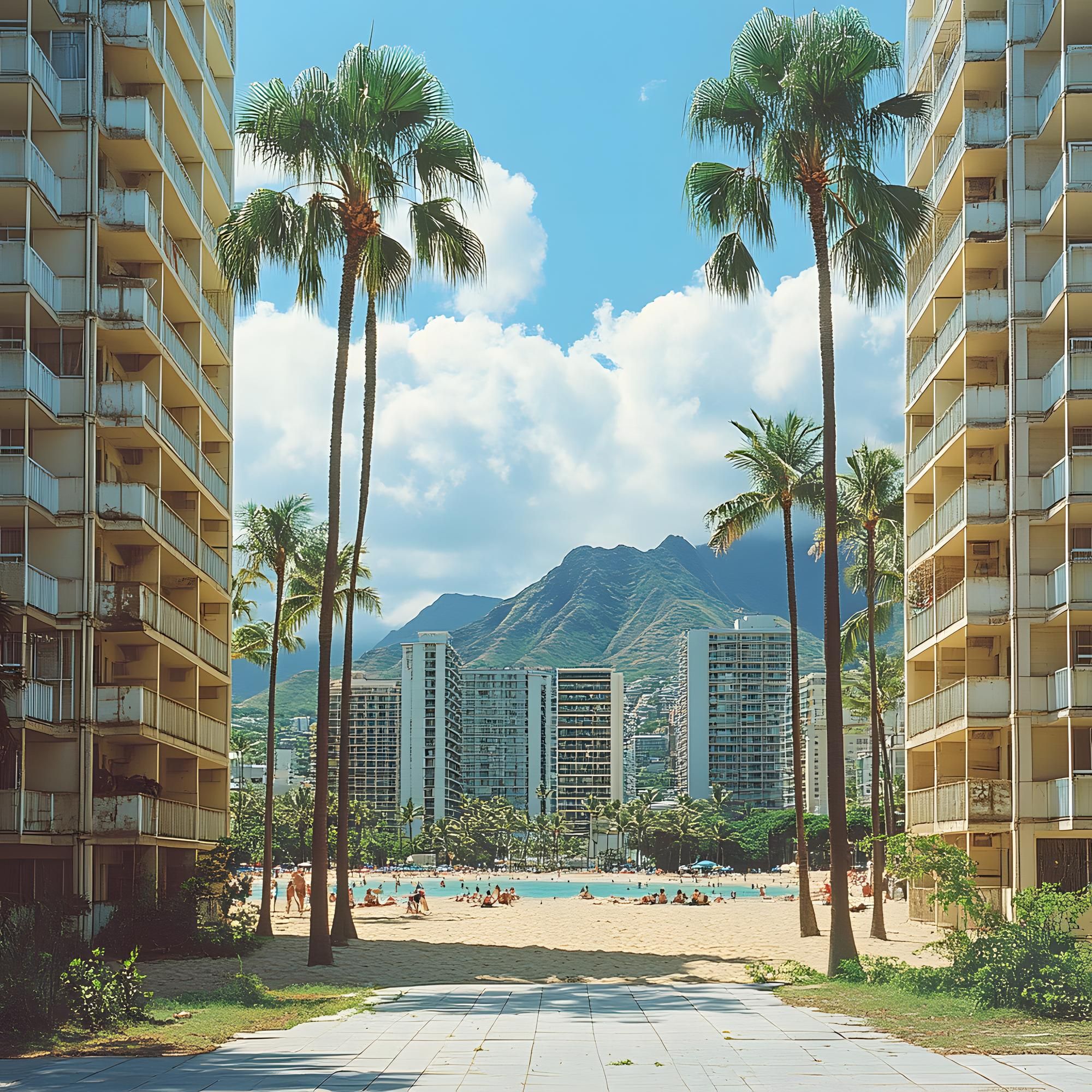
Beautiful view of Honolulu
Stunning aerial view of Diamond Head volcanic crater overlooking the ocean in Hawaii.
A stunning view of Honolulu's beachfront skyline with palm trees and blue ocean.
a view of downtown honolulu from ala moana park beach isolated on white background studio

Honolulu

U.S.A.
Entertainment & LeisureCulturalArt & ArchitectureIconic LandmarksNatural Wonders
i

Beautiful view of Honolulu

Honolulu hits you with a wall of warmth and salt air, the Pacific glittering like a postcard. Waikiki’s waves roll in soft and steady, perfect for first-time surfers. Beyond the hotels, Diamond Head rises, its trails offering sunrise views that’ll stop your breath. Downtown mixes glass towers with century-old buildings; poke bowls from Maunakea Market taste fresh enough to ruin you for mainland fish. In Kaka‘ako, murals splash colour across old warehouses, craft breweries pouring cold pints just steps away. Head east and you’ll find Hanauma Bay’s reefs teeming with parrotfish, the water so clear it feels unreal. Evenings, the trade winds turn cool, the scent of plumeria thick in the air. Honolulu’s charm lies in its layers: tourist sheen up front, real island life just around the corner. Be ready to slow down; rush and you’ll miss the magic.

Quick Facts

currency
USD
languages
English, Hawaiian
airports
Daniel K. Inouye International Airport
size
Large City
power
Type A, Type B
timezone
Hawaii-Aleutian Standard Time (UTC-10)
safety
Safe
costs
Expensive

General Information

Safety indexHonolulu is generally considered a safe travel destination, with a safety index typically around 75/100. Petty crime such as pickpocketing and car break-ins can occur in tourist areas, so standard precautions are advised. Violent crime is rare, and the city is well-patrolled.

Best Time to TravelThe best time to visit Honolulu is from mid-April to early June and from September to mid-December. The weather is pleasantly warm during these periods, hotel and flight prices are moderate, and there are fewer tourists compared to the peak summer and winter holiday seasons.

Least crowded and still a good time to visitLate April to early June and September to mid-December are the least crowded yet still enjoyable times to visit. The crowds thin out after spring break and before the winter holiday rush, and the climate remains excellent for outdoor activities.

BudgetHonolulu is a moderately expensive destination. Budget travelers can expect to spend $100–$150 per day, covering hostel accommodation, public transport or shared rides, and affordable meals. Mid-range travelers should anticipate $200–$350 per day, including hotels, activities, and meals at casual restaurants. Prices rise significantly in peak seasons, so book ahead and look for deals.

Healthcare and VaccinationsHonolulu has excellent healthcare facilities, with modern hospitals and clinics readily available. No special vaccinations are necessary for visiting from the US, but routine vaccinations (MMR, Tetanus, etc.) should be up to date. International visitors should consider travel insurance, as healthcare in the US can be expensive.

Visa RequirementsUS citizens do not need a visa to travel to Honolulu. International travelers must follow standard US visa requirements. Many will need to apply for a B-2 tourist visa or may be eligible for the Visa Waiver Program (ESTA) if coming from an approved country. Passports must be valid for the duration of the stay.

Weather in Honolulu

°C°F
3697
3187
2577
2067
1457
Jan
Feb
Mar
Apr
May
Jun
Jul
Aug
Sep
Oct
Nov
Dec
3020100
Avg. min. temperature
Avg. max. temperature
Avg. precipitation days

First-time travelers

Hawaii’s capital city doesn’t just announce itself—it envelops you. You step out of Daniel K. Inouye International Airport, feeling the weight of humid air and the scent of plumeria. Honolulu for first-timers is both dream and contradiction, a mix of commercial blare and natural poetry. The Pacific glitters beyond skyscrapers, and Diamond Head broods at the city’s edge.

Finding Your Footing in Paradise

Waikiki Beach thunders with foot traffic and laughter. Surfboards lean against palms like they own the place. If you look up at the Royal Hawaiian, you’ll see its pink walls holding decades of stories. There’s a pulse here—Japanese holidaymakers in shops, locals grabbing plate lunches. Familiar chains stand beside shave ice stalls.

Sense the ocean’s rhythm even from Kuhio Avenue. Sounds drift up—ukulele, gentle waves, an occasional city rush. On your way to Leonard’s Bakery, you’ll catch the sugar-on-air before tasting a warm, powdered malasada.

Culture Layered Over City Life

For first-timers, history hides in plain sight. Slip into Iolani Palace. Walls echo with monarchy and change. Walk Chinatown for noodles and manapua buns, or admire the Kaka’ako murals, bright on old warehouses.

  • Book a sunset at Magic Island—city skyline, sea, and sky, all in one frame.
  • Order poke from a Foodland counter—the local fish has bite, the rice soft as clouds.
  • Ride TheBus to the Bishop Museum. Exhibits bring ancient voyaging canoes to life.
  • Stop for a late-night saimin at Palace Saimin; slurpy, salty, and simple.

Honolulu welcomes, but also challenges. Appreciate her mix—modern and old, loud and soft. Absorb. Don’t just see; listen and taste. The city rewards curiosity.
Return travelers

Honolulu’s magic shifts after your first visit. Familiar streets invite you deeper, past hotels and guidebook highlights. This time, the pace slows—you’re more attuned to the undercurrent of local life. Repeat travelers find the city’s quieter layers and sharper flavors. The island moves from backdrop to living, breathing companion.

Going Beyond the Surface

Skip Waikiki’s buzz. Head early to Kaimuki for breakfast at Koko Head Cafe—try the biscuit sandwiches. Stroll through Manoa, where banyan trees shade wooden houses and university students line up at Andy’s Sandwiches. The mist comes and goes, painting rainbows between roofs.

Spend a few hours at Foster Botanical Garden. Nearly silent, except for birds darting through flowering trees. Smell ginger, trace the wide ruts of old lava with your feet, spot hibiscus larger than your hand.

Honolulu Through Local Eyes

Browse Saturday markets in Kaka’ako—find craft sea salt or fresh lychee. Trust the scent to guide you to a pop-up bakery’s warm taro bread. Hunt vintage Hawaiian shirts at Bailey’s Antiques, packed floor-to-ceiling, each with a hidden past.

  • Order a lunch plate at Helena’s Hawaiian Food—don’t miss the pipikaula short ribs.
  • Explore Kapahulu for cream puffs at Liliha Bakery, open at midnight for night owls.
  • Join Honolulu locals at Ala Moana Beach Park for a sunset potluck.
  • Catch an indie film or unexpected concert at the Doris Duke Theatre.

Honolulu grows more intimate. This isn’t about landmarks, but stories written in small corners and shared tastes. True appreciation waits for those who linger.

Must-see locations

Dole Plantation
i

Dole Plantation

Photo by CHAUD Doudou

Dole Plantation

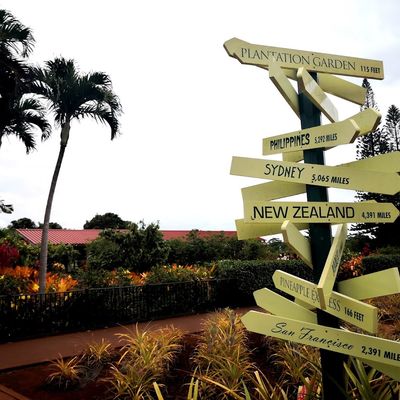
Dole Plantation near Honolulu blends bright pineapple fields, Hawaii’s farming history, and family fun with the Pineapple Express train, a giant garden maze, sweet treats, and lush gardens showcasing local plants and flavors.

Learn More
Google Places photo
i

Pearl Harbor National Memorial

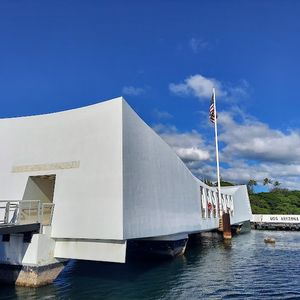
At Pearl Harbor National Memorial in Honolulu, detailed exhibits and film screenings explain the events of December 7, 1941. Walk the waterfront pathways. Visit the USS Arizona Memorial to honor those who served. Beautiful harbor views throughout.

Learn More
Google Places photo
i

Google Places photo

Photo by Ange

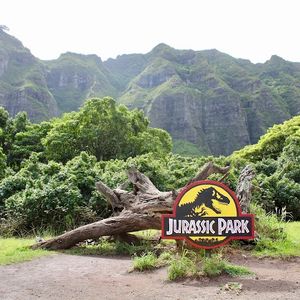
Kualoa Ranch

Lush valleys and towering mountains frame Kualoa Ranch, a treasure on Oahu’s windward coast. Tour iconic movie sites, ride ATVs through jungle trails, explore Hawaiian fishponds, or visit the ancient Moli’i Gardens.

Learn More
Google Places photo
i

Google Places photo

Photo by A A

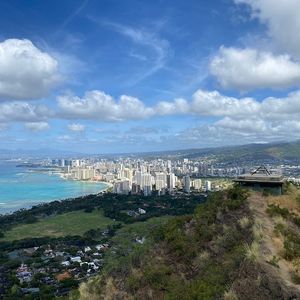
Diamond Head State Monument

Rising above Waikiki, Diamond Head State Monument presents scenic hiking trails, sweeping ocean views, and a historic World War II bunker. Climb to the summit for iconic Honolulu panoramas or explore unique volcanic rock formations.

Learn More
Google Places photo
i

Google Places photo

Photo by Mykle_D

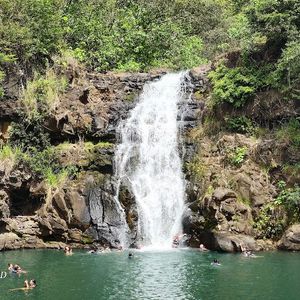
Waimea Valley

Waimea Valley near Honolulu blends lush botanical gardens, vibrant Hawaiian cultural sites, and a picturesque waterfall for swimming. Explore ancient heiau temples, join hula shows, or spot rare native birds along shaded trails.

Learn More

How to get there

By air

The primary and most practical way to reach Honolulu is by air. Honolulu International Airport (Daniel K. Inouye International Airport, HNL) receives direct flights from many destinations on the US mainland, other Hawaiian islands, and some international locations.
Options to get to town:
Taxi
Price:
$35–$45
Duration:
15–25 min
Where to buy:
Taxi rank outside baggage claim
Airport bus
Price:
$3 (local TheBus route 20 or 303)
Duration:
30–50 min
Where to buy:
Pay cash or use HOLO card on board
Train/shuttle
Price:
$17–$25 (shuttle service, per person)
Duration:
20–30 min
Where to buy:
Shuttle desk at airport or book online in advance

By train

There are no intercity or mainland US train routes to Honolulu, as the city is located on the island of Oahu and separated by ocean from the mainland and other islands.
Useful websites for train tickets:

    By car

    Driving to Honolulu from the mainland or other Hawaiian islands is not possible. However, rental cars are widely available for local travel once you arrive in Honolulu by air.
    Additional charges to be aware of:
    Toll / vignette / emission sticker
    Cost:
    No tolls or vignettes required for driving in Honolulu
    How to pay:
    N/A
    Other driving costs
    Cost:
    Rental car prices can range from $40–$100 per day. Parking in Waikiki and central Honolulu may cost $20–$40 per day.
    How to pay:
    At car rental agencies at the airport or in town

    By ferry

    There are currently no scheduled passenger ferry services connecting Honolulu with the US mainland or other Hawaiian islands. Inter-island ferries were discontinued, and there are no ocean ferries from outside Hawaii.
    Useful websites for ferry tickets:

      How to get around

      Public transport

      Honolulu's public transportation is primarily provided by TheBus, which offers extensive bus service throughout Honolulu and much of Oahu. It's an affordable way to get around, with frequent routes to popular destinations like Waikiki, Ala Moana Center, and Pearl Harbor. Buses are generally clean, reliable, and air-conditioned. Be sure to check schedules as service frequency may vary by route and time of day.

      Ticket options:
      Ticket TypePriceWhere to buy
      Single ticket$3.00On board the bus (exact change), ABC Stores, or pay by HOLO Card
      Day pass$7.50On board the bus, ABC Stores, or with a HOLO Card

      Taxis & ridesharing

      Taxis and ridesharing are plentiful in Honolulu, especially in tourist areas like Waikiki and at Honolulu International Airport. Fares are higher than TheBus but offer direct, on-demand convenience. Ridesharing apps are widely used and can be accessed via your smartphone. Taxi stands can be found at major hotels and attractions.

      Service providers:
      ProviderPriceHow to book
      Local taxiMetered fare, starting around $3.50, plus per-mile rateTaxi stands, by phone, or at hotels
      Ridesharing appVaries by distance and demand (usually competitive with taxis)Uber or Lyft apps

      Car rental

      Car rentals are a popular choice for exploring beyond the city and visiting attractions around Oahu. Pick up locations are available at the airport and in Waikiki. Parking can be challenging and expensive in central Honolulu and Waikiki, but renting a car gives you maximum flexibility to see sites at your own pace.

      Rental options:
      ServicePriceHow to book
      Daily rentalStarting around $40-60 per day (varies by car and season)Major rental companies at airport or Waikiki (e.g., Enterprise, Hertz, Alamo outlets)
      Weekly rentalStarting around $250-350 per weekMajor rental companies at airport or Waikiki (e.g., Enterprise, Hertz, Alamo outlets)

      Bike & scooter rental

      Biking and scooters are excellent for short trips and sightseeing in Waikiki and nearby neighborhoods. Honolulu is increasingly bike-friendly, with dedicated lanes and the popular Biki bike share system. Electric scooter rentals are also available in tourist areas and can be reserved via app.

      Rental options:
      ServicePriceHow to book
      Bike rentalBiki: $4.50 per ride (up to 30 min) or $12 for a day passBiki bike share kiosks or app; independent bike shops in Waikiki
      Scooter rentalAround $25-40 per hour (varies by company)Local scooter rental shops or via Lime/Bird apps where available

      What to eat

      The morning breeze off Waikiki is salty and warm. The chatter of locals at breakfast counters flows with the sizzle of Spam on griddles. Shave ice drips into sticky hands as beachgoers cool down. Honolulu’s layers—Indigenous, Asian, American—blend right on your plate. One bite, and you taste a pulsing, multicultural city alive with flavor. Hungry? You will be.

      Signature Dishes

      • Poke: Fresh cubed ahi tossed with shoyu, sesame, and seaweed. Clean and briny, it’s a must-try native dish seen everywhere—from supermarkets to hip poke bars.
      • Plate Lunch: Hearty scoops of rice, macaroni salad, and a main like kalua pork or chicken katsu. Born from laborer lunches, now an island staple for hungry locals.
      • Loco Moco: Steamed rice topped with a juicy hamburger patty, fried egg, and rich brown gravy. Meaty and comforting, it’s breakfast, lunch, or a late-night fix.
      • Spam Musubi: Slices of grilled Spam over seasoned rice, wrapped in nori. Beloved grab-and-go snack fusing local and Japanese tastes.

      Street Food & Markets

      Honolulu’s food scene thrives at street stalls and under the neon of open-air markets. The KCC Farmers Market overflows every Saturday with tropical fruit, malasadas, and fresh poke. Wander through Chinatown for dim sum, pork buns, and roasted duck. Food trucks along Ala Moana serve fish tacos and garlicky shrimp plates hot off the fryers. Ignore the chain restaurants in favor of Rainbow Drive-In’s plate lunch or Helena’s hawaiian classics. Lines can get long, especially at peak hours—but the payoff is real.

      Sweet Treats & Drinks

      Shave ice from Waiola or Matsumoto melts fast in Honolulu’s sun, drenched in syrups and sometimes a scoop of vanilla ice cream. Malasadas—Portuguese-style donuts from Leonard’s Bakery—arrive warm, sugared, and airy. Locals sip iced Kona coffee or tangy lilikoi (passion fruit) juice to cool down. Don’t skip a pineapple Dole Whip from the Dole Plantation if you want a true tourist classic.

      Why Travelers Eat Here

      • Inventive fusion of Hawaiian, Asian, and American flavors in every meal.
      • Year-round fresh seafood and exotic fruit markets few cities can match.
      • Food trucks and hole-in-the-wall eateries deliver great value and taste.
      • A relaxed but vibrant food culture locals are eager to share with visitors.

      Every plate in Honolulu tells a story of mix and migration—of aloha in every bite. Eat well and the city greets you not just as a guest, but as family.

      Top Rated Restaurants

      Castro's

      Castro's

      4.8 (1.3k reviews)
      $$
      Location2113 Kalākaua Ave, Honolulu, HI 96815, USA
      Podmore

      Podmore

      4.6 (267 reviews)
      $$$
      Location202 Merchant St, Honolulu, HI 96813, USA
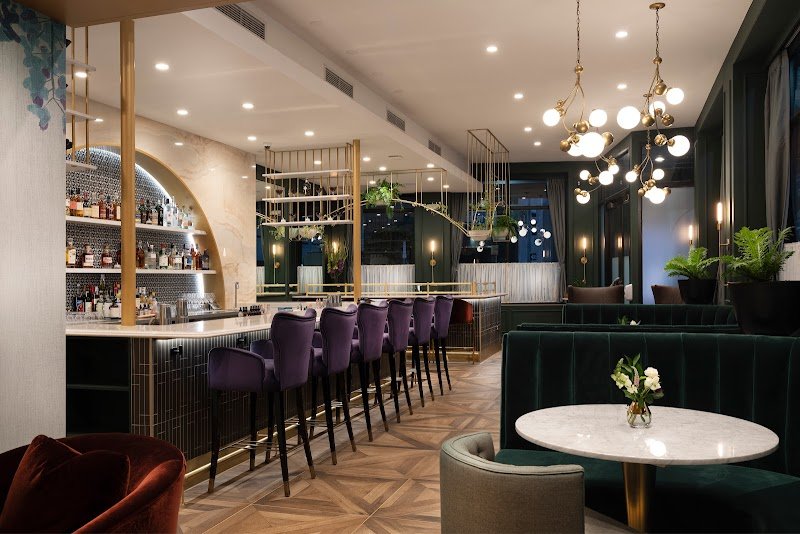
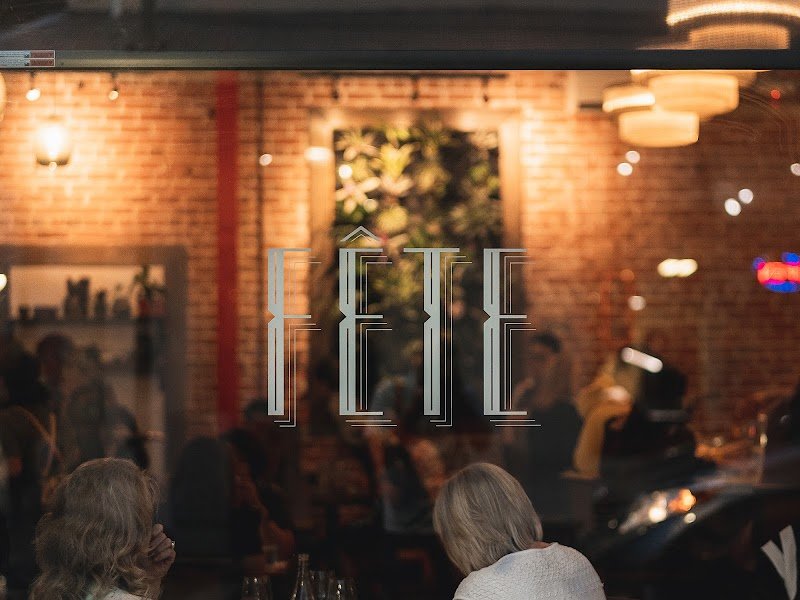
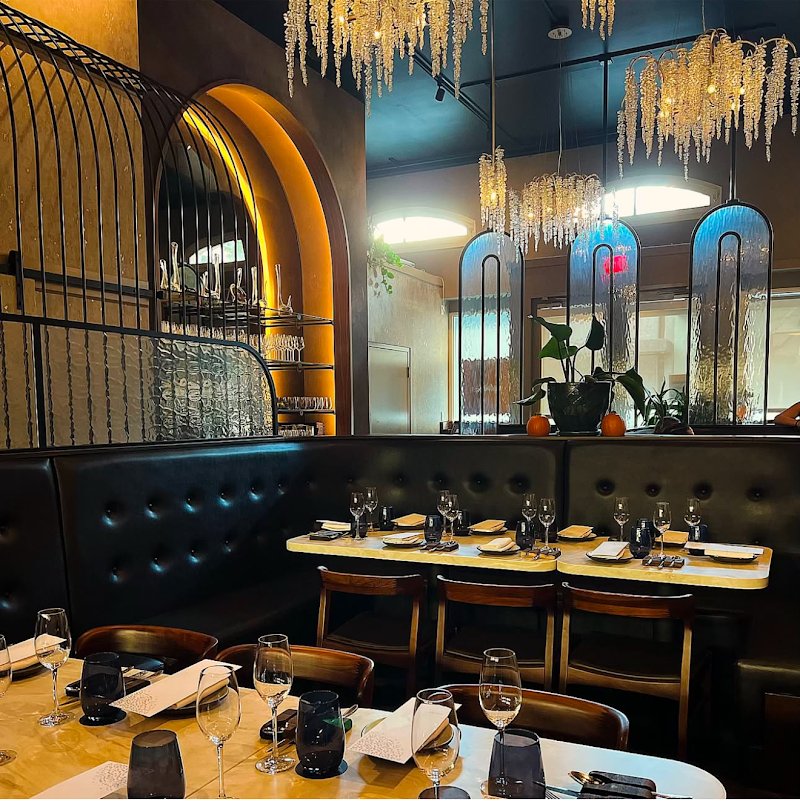
      Fête

      Fête

      4.6 (1.6k reviews)
      $$$
      Location2 N Hotel St, Honolulu, HI 96817, USA
      Senia

      Senia

      4.6 (800 reviews)
      $$$$
      Location75 N King St, Honolulu, HI 96817, USA
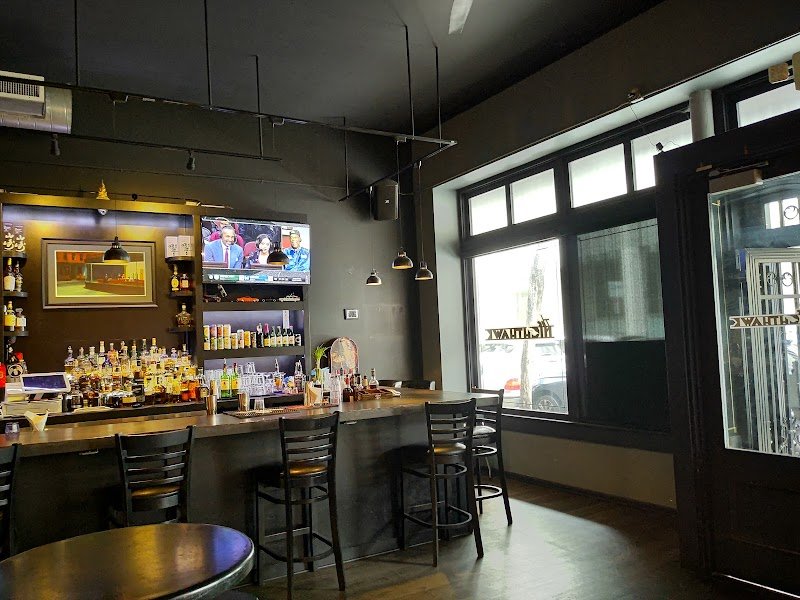
      The Nighthawk

      The Nighthawk

      4.6 (208 reviews)
      $
      Location12 S King St, Honolulu, HI 96813, USA

      Accommodations

      Diamond-tipped sunlight sparkles over Waikiki’s towers, but the right base shapes any Honolulu visit. First-timers often stick to postcard beaches. Long-stay guests, though, know the right address can change the rhythm of every day. Over twenty stays here, I found the difference between a good visit and a great one often starts when you pick your neighborhood.

      Neighborhood Overview

      • Waikiki: This is where most visitors land. The vibe is electric—surfboards, late-night food, busy sidewalks. Waikiki suits first-time travelers, families, and nightlife lovers. Convenience comes at the price of crowds and high costs.
      • Ala Moana: Just west of Waikiki, Ala Moana feels less hectic. Its huge shopping center draws both locals and travelers. The beach park is uncrowded, so families and beach walkers find space to spread out. Foodies love the mix of Asian and local dining.
      • Kaka’ako: Street art and craft breweries show a rising creative scene here. Kaka’ako attracts young couples, remote workers, and anyone seeking local color. You get walkable blocks of coffee shops and food halls, with an urban edge but not much nightlife.
      • Downtown Honolulu: Historic buildings and sleek towers share these few compact blocks. Business travelers stay near offices; history buffs walk to Iolani Palace. After-hours, it empties out, so families may not feel at home here.
      • Manoa/Moiliili: These leafy valleys offer cooler air and old-growth trees. Locals and students from the University of Hawaii fill these quiet residential neighborhoods. Rentals often need a car, but you’ll trade ocean views for calm mornings and lush hiking trails.

      Types of Accommodation

      • Resorts and Big Hotels: Examples: Hilton Hawaiian Village, Moana Surfrider. Expect $250–$700 per night in high season. Great for families who want pools, activities, and on-site dining.
      • Vacation Rentals: High-rise condos near Ala Moana or apartment homes in Manoa. Typical prices are $180–$400 nightly. Vacation rentals suit longer stays or families needing kitchens and space.
      • Boutique Hotels: Examples: The Surfjack Hotel, Lotus Hotel Honolulu. $180–$350 a night buys style, local art, and personal touches. Great for couples or explorers after something distinctly Hawaiian.

      Insider Tips for Booking

      Prices soar in winter and during festivals. Book three to six months in advance for best picks. Add Hawaii’s 17–18% in taxes and fees to all quoted rates. Off-season visits bring more value and quieter beaches.

      On clear mornings, I’d sit with coffee under a plumeria tree, hearing the city come alive. Honolulu’s energy shifts block by block, from crowded beaches to still gardens. Find your address and you’ll find your own island pace.