Google Places photo

Diamond Head State Monument

Honolulu, U.S.A.
i

Google Places photo

Photo by A A

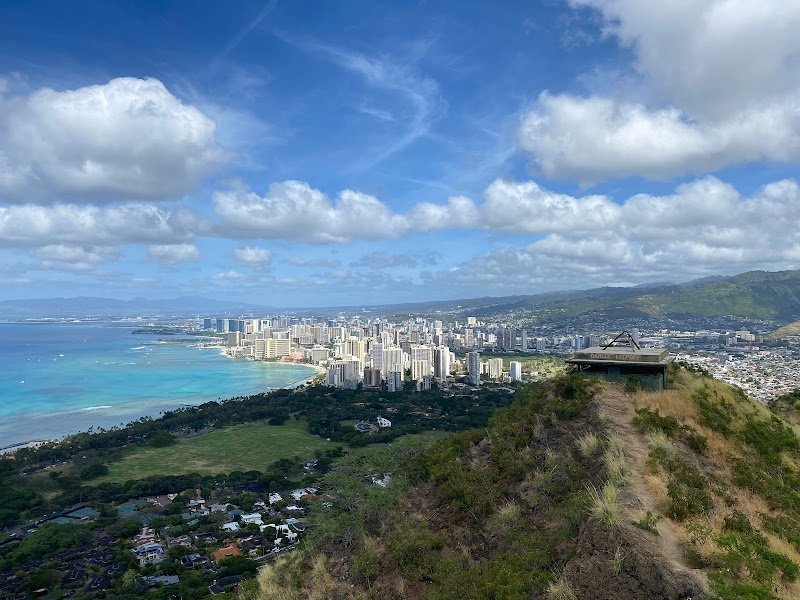
Where volcanic drama meets Pacific breezes, Diamond Head State Monument delivers nature, history, and unmatched ocean panoramas. This ancient crater, with its jagged ridgeline, stands as a symbol that calls to hikers, sightseers, and those seeking to understand the island's deep geologic past. Every year, thousands respond, eager to climb its storied slopes and stare out over turquoise waters and green cityscapes. But beneath the iconic peak, quieter stories and hidden corners also wait, rewarding the curious beyond the postcard views.

Visiting Info

Currency
Entrance fee
5 USD
Hours
Opening hours
Monday: 8:00 AM – 3:15 PM
Tuesday: 8:00 AM – 3:15 PM
Wednesday: 8:00 AM – 3:15 PM
Thursday: 8:00 AM – 3:15 PM
Friday: 8:00 AM – 3:15 PM
Saturday: Closed
Sunday: Closed

Contact Information

Location
Address
Honolulu, HI 96815, USA

Planning your visit

Good planning leads to a more enjoyable experience at Diamond Head State Monument. Crowds can gather quickly, especially in high season or on weekends. Those choosing early mornings often enjoy cooler air, lighter crowds, and the gentle golden light that best flatters the crater’s rim. Parking fills up fast, yet buses and car shares offer reliable alternatives. For families, seniors, or first-timers, the hike’s slope demands steady pacing but remains manageable with preparation. Expect variable weather—sun shines brightest, but passing showers sometimes add freshness and drama to the outlook.

  • Best time to visit: Early morning or late afternoon to avoid the heat and dense crowds; winter months (November-March) for cooler temperatures
  • How to get there: By car (limited on-site parking), city bus (TheBus routes stop nearby), rideshare, or a healthy walk from Waikiki
  • Accessibility: The main trail involves steep slopes and stairs; not wheelchair accessible. Young children and fit seniors often manage with short breaks
  • Average visit duration: 1.5 to 2 hours, including hiking, resting at the summit, and exploring historic areas


Must see stuff

While the main draw remains the summit hike and its breathtaking reward, Diamond Head offers more than just an uphill stroll. Ahead lie World War II bunkers, dark tunnels, and rich geological history shaped by ancient eruptions. A visitor center introduces the crater’s stories, while lesser-known side paths give a glimpse of local flora and quieter rest spots. The transformation from outer crater to rim becomes a journey through both history and natural wonder, with well-marked viewpoints drawing frequent camera shutters.

  • Key sights or features: The summit lookout (with sweeping views of Honolulu and the Pacific), World War II bunkers, and the historic Fire Control Station
  • Unique experiences: Hiking through a dim 225-foot tunnel, climbing old spiral staircases, and emerging onto a windswept summit
  • Photo-worthy locations: The crater rim at sunrise, the interior bowl from above, the tunnel exit with the sky unfolding ahead
  • Cultural or historical facts: Native Hawaiians named the crater Le‘ahi; military installations inside the summit tell stories from WWII defense efforts, adding layers to each view

Tips for your visit

Small details can shape a visit into a highlight rather than a hassle. Lines sometimes form for tickets and at the tunnel’s entrance, especially midday. Water, sunscreen, and sturdy shoes help make the journey comfortable, while patience and respect for local customs add to the welcome. Many locals frequent the trail early, savoring quiet moments before the island wakes fully. Visitors should note that there is little shade; sunhats, sunglasses, and a refillable water bottle are essentials. Loose gravel or steep stairs require steady footing, so take time to enjoy both the climb and the scenes unfolding with each step.

  • Best times to avoid crowds: Arrive before 8:00 am or after 3:30 pm, especially on weekdays
  • What to bring: Water, hat, sunscreen, camera or phone, comfortable walking shoes, and a light snack
  • Local etiquette or rules: Stay on marked trails, take trash with you, greet fellow hikers with a cheerful "aloha"
  • Safety or comfort advice: Watch your step on gravel and stairs, protect against the sun, and move at your own pace on inclines

Similar Attractions