Google Places photo

Hoʻomaluhia Botanical Garden

Honolulu, U.S.A.
i

Google Places photo

Photo by Jeff Neeley

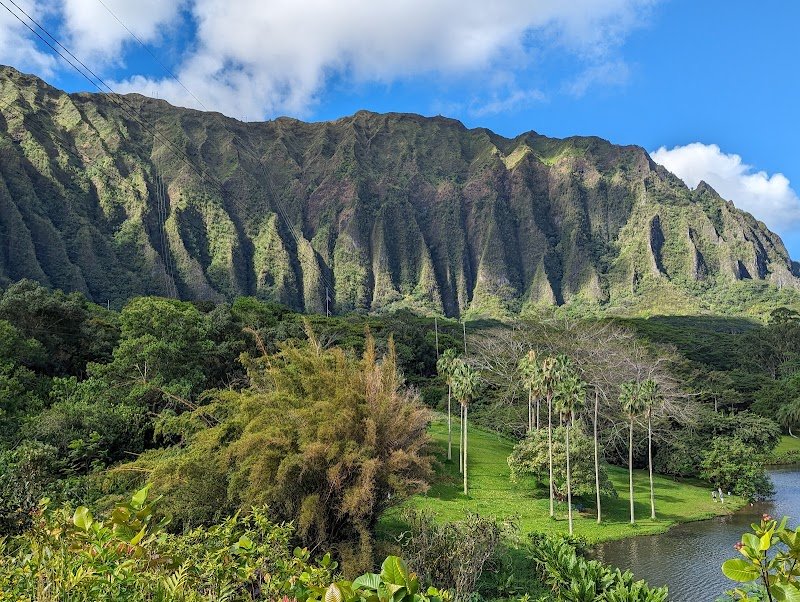
Tucked against the lush Koʻolau mountain range, a remarkable botanical retreat welcomes garden lovers, families, and anyone craving quiet beauty. With wide green lawns, winding paths, and mountain views trailing off into the clouds, Hoʻomaluhia Botanical Garden rewards curiosity and slowness. Locals often call this garden a peaceful escape, but there is always something new to discover beyond its famous lake and tropical trees.

Visiting Info

Currency
Entrance fee
Free
Hours
Opening hours
Monday: 9:00 AM – 4:00 PM
Tuesday: 9:00 AM – 4:00 PM
Wednesday: 9:00 AM – 4:00 PM
Thursday: Closed
Friday: 9:00 AM – 4:00 PM
Saturday: 9:00 AM – 4:00 PM
Sunday: 9:00 AM – 4:00 PM

Contact Information

Location
Address
45-680 Luluku Rd, Kaneohe, HI 96744, USA

Planning Your Visit

Visiting Hoʻomaluhia Botanical Garden involves just a little planning, but the effort pays off with shaded trails and nearly endless plant life to explore. Admission is free year-round, and no tickets are needed. During weekends and holidays, families and visitors fill the parking lots, drawn by the promise of picnics and scenic walks, so quieter hours often mean a more peaceful experience. Public buses reach the entrance, while car rentals remain the easiest option for flexibility and quick arrival from most nearby towns. The garden is large, but most main attractions are accessible by paved paths suitable for strollers and wheelchairs. A visit typically lasts two to three hours, though garden enthusiasts may linger much longer.

  • Best time to visit: Early morning on weekdays, especially between March and July for peak bloom.
  • How to get there: Reachable by car (ample parking), taxi, or local bus route. Most locals recommend driving for convenience.
  • Accessibility: Most walking paths are paved and appropriate for strollers and wheelchairs. Family-friendly facilities and restrooms are available.
  • Average visit duration: 2–3 hours, longer for nature walks or picnics.
Must See Stuff

The sweeping lawn, tranquil lake, and dramatic mountains form the backdrop for the main highlights at Hoʻomaluhia Botanical Garden. Themed plant collections span trees and flowers from the Philippines to Africa, creating a living world tour through the Pacific and beyond. Rain or shine, watch for artists painting in the open air, young children feeding the ducks, and photographers angling for that iconic shot beneath jagged cliffs. Veteran visitors say it pays to wander, since tucked-away groves and hidden benches are part of the experience.

  • Main lake viewpoint: The garden’s dramatic lake, encircled by towering mountains, offers panoramic views ideal for photos and quiet reflection.
  • Tropical plant zones: Explore collections from Africa, India, Hawaii, and more, each marked by signs with fun facts.
  • Nature walk trails: Level paths and forest hikes wind through bamboo, palms, and aroids. Look for rare native plants in shaded valleys.
  • Art in the garden: Temporary art and craft workshops pop up seasonally near the visitor center, drawing in local artists.
  • Cultural connections: The garden was designed to slow flooding in the neighborhood below and now serves as an open-air classroom for Hawaiian botany.
  • Scenic picnic spots: Shady lawns and picnic tables near the entrance let families gather with a mountain view.

Tips for Your Visit

Few attractions offer as much outdoor space yet stay peaceful. Choosing the right time and bringing a few supplies can make all the difference. Early morning brings fresh breeze and abundant birdsong, while midday heat sometimes sends families indoors—except after rain, when the mountains emerge from mist and the garden feels enchanted. Mosquitoes are rare but possible near water, so a light repellent helps. Visitors should respect the natural beauty: only walk on marked trails and leave plants undisturbed. Picnics are encouraged, but grills and alcohol are not allowed. Sharing photos of mountain views is popular, but drones and commercial filming require advance permission.

  • Best times to avoid crowds: Mornings and weekday afternoons tend to be quieter.
  • What to bring: Water bottle, hat, sunscreen, camera, comfortable shoes, and light snacks or a picnic lunch.
  • Local etiquette: Stay on marked paths, do not pick flowers or plants, and respect quiet zones near benches.
  • Safety or comfort: Wear weather-appropriate clothes and keep an eye on young children near the lake. Brief rain showers are common, so a light rain jacket or umbrella is handy.