Google Places photo
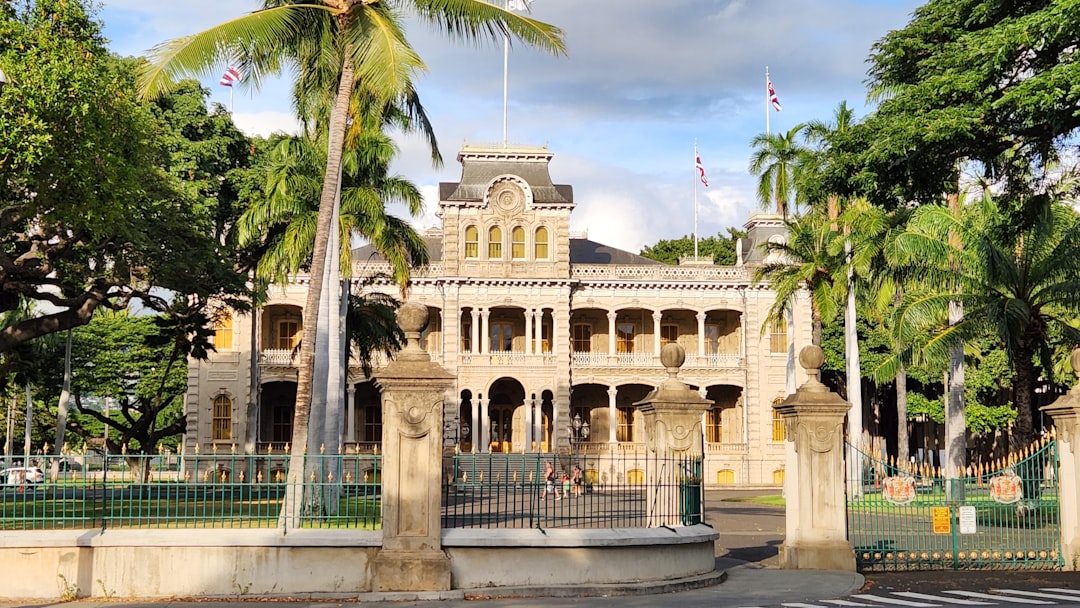
Iolani Palace with palm trees and a fence around it

Iolani Palace

Honolulu, U.S.A.
i

Google Places photo

Photo by Mike Long

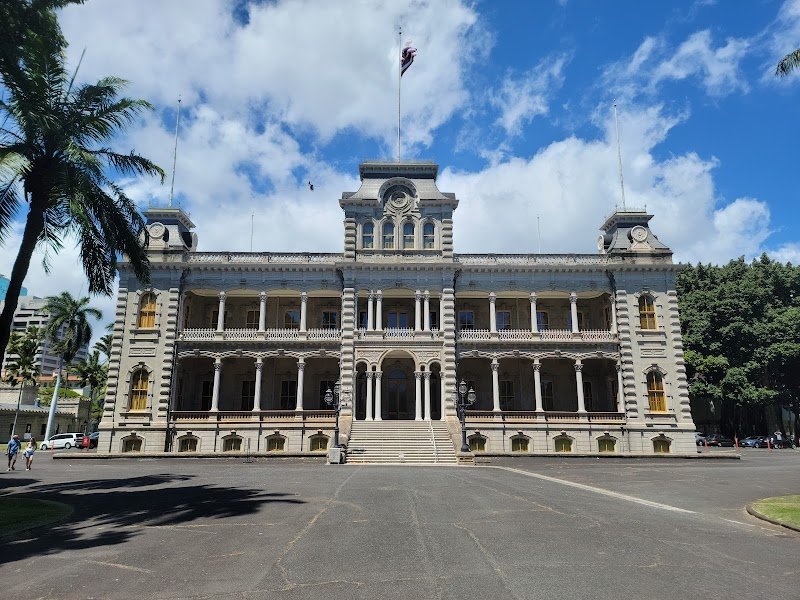
Past the bustling streets of Honolulu’s civic hub, a rare glimpse into Hawaii’s royal era awaits. Iolani Palace, once the grand residence of Hawaiian monarchs, stands as a living testament to an independent Pacific kingdom’s ambition and sorrow. Within its white walls and sweeping lawns, echoes of hula festivals, state dinners, and fateful political decisions linger. Today, visitors experience both regal splendor and the complex, layered history that shaped modern Hawaii.

Visiting Info

Currency
Entrance fee
25 USD
Hours
Opening hours
Monday: Closed
Tuesday: 9:00 AM – 4:00 PM
Wednesday: 9:00 AM – 4:00 PM
Thursday: 9:00 AM – 4:00 PM
Friday: 9:00 AM – 4:00 PM
Saturday: 9:00 AM – 4:00 PM
Sunday: Closed

Contact Information

Location
Address
364 S King St, Honolulu, HI 96813, USA

Planning your visit

To appreciate Iolani Palace, a little planning goes a long way. Mornings deliver a cool calm, with sunlight filtering through ironwork balconies. Midday can draw more groups and steamy air, but the interior’s polished halls stay breezy. Tickets for guided tours may sell out on busy weekends or holidays. Convenient bus lines and parking options make arrival easy, but downtown traffic can slow afternoon journeys. Expect enthusiastic docents on most days, especially if there’s a special event or commemorative ceremony.

  • Best time to visit: Weekday mornings, before 11am and after 2pm, from October to May, avoid local school breaks.
  • How to get there: The palace sits downtown at 364 S. King Street. Most city buses stop nearby. Ample metered street parking circles the property, and a public parking garage (Capitol Place) nearby offers reliable space. Honolulu’s Biki bicycles put adventurous guests less than 10 minutes from Waikiki’s hotels.
  • Accessibility: Main entrance ramps, elevator access, and free wheelchairs at the reception desk make the palace welcoming for families and seniors. Strollers must stay outside the main exhibits, but small children are welcome inside when supervised.
  • Average visit duration: Fully guided tours run about 90 minutes; self-led audio tours take 45–60 minutes. Add extra time to explore the grounds and nearby museums.

Must see stuff

Each room within Iolani Palace brims with stories. In the Grand Hall, sweeping koa wood staircases rise beneath stained-glass windows, capturing the golden hour’s glow. The opulent Throne Room dazzles with crowns and regalia, while the King’s private library keeps timeworn journals and maps. Galleries below reveal wardrobe trunks and vintage photographs. Outside, stately banyan trees shade lantern-lit lawns. Don’t skip the enigmatic basement exhibitions; here, kitchen relics and royal silverware speak softly of daily palace life. The small but poignant Queen’s Imprisonment Room, unadorned except for its barred window, offers a sobering reminder of history’s tragic turns.

  • Key sights: Grand Hall staircase, Throne Room, State Dining Room, Imprisonment Room of Queen Liliuokalani, and the palace gardens.
  • Unique experiences: Docent-led tours share behind-the-scenes gossip and music history. Monthly “Royal Hawaiian Band” performances in the courtyard echo traditions begun by King Kalākaua.
  • Photo-worthy locations: Red-carpeted entryway, stained glass vestibule, and pillar-framed views from the second-floor lanai; don’t miss the statue of King Kamehameha just across the street for broader context.
  • Historical facts: Iolani Palace stands as the only royal residence on U.S. soil. The building introduced electricity and telephones to Hawaii even before the White House. Queen Liliuokalani wrote many of her famous songs within its walls.

Tips for your visit

While Iolani Palace invites curiosity, a few thoughtful strategies help visitors make the most of their time. Early start times avoid tour bus groups, while a late afternoon stroll often rewards with nearly empty galleries and softening daylight. Comfortable walking shoes come in handy for marble floors and outdoor paths. Water bottles keep visitors hydrated, although sticky snacks should stay outside. Large bags may require storage at the check-in desk. Politeness pays: shoes must be covered or removed in historic areas, and respectful silence is encouraged in the Queen’s Imprisonment Room. The grounds remain safe, but midday heat requires sunscreen and shade breaks.

  • Best times to avoid crowds: Arrive just after opening (9am) or after 2pm on weekdays. Sundays are less busy but may have occasional maintenance closures.
  • What to bring: Closed-toe shoes or socks, water bottles, a smartphone or camera (without flash), and light clothing. Sunglasses aid wandering across the lawns.
  • Local etiquette: Use a soft voice indoors. Follow photo guidelines, especially near ceremonial spaces. Share paths generously with school groups and kupuna (elders).
  • Comfort advice: Expect air-conditioning in most indoor areas, but bring sun protection for outside. Plan restroom stops before guided tours, as facilities are limited inside the main building.

Similar Attractions