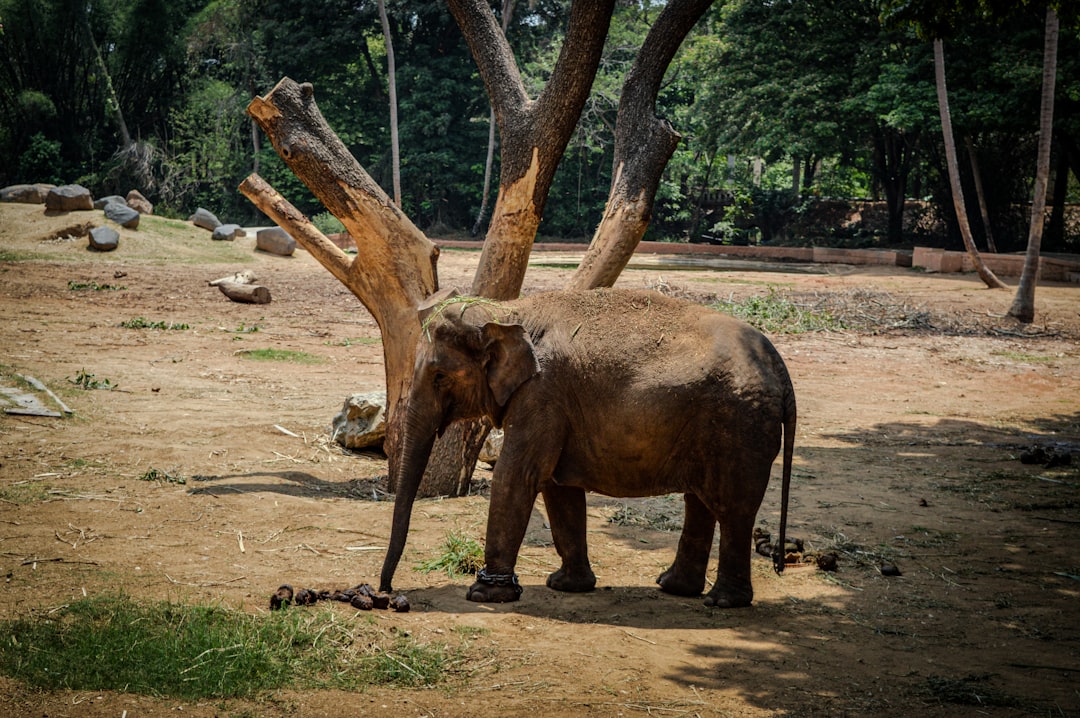
An elephant standing next to a fallen tree

Elephant Nature Park

Chiang Mai, Thailand
i

An elephant standing next to a fallen tree

Photo by Chaitanya Rayampally

Sunlight floods the Mae Taeng Valley, glinting off lush jungle leaves and the slow, steady movement of elephants through the grass. Peace settles quietly over Elephant Nature Park while gentle giants roam, splash, and play. The air trembles with the low rumble and soft trumpet of elephants—emblems of northern Thailand’s wild beauty and the enduring hope for animal conservation.

Visiting Info

Currency
Entrance fee
2500 THB
Hours
Opening hours
Monday: 8:00 AM – 5:00 PM
Tuesday: 8:00 AM – 5:00 PM
Wednesday: 8:00 AM – 5:00 PM
Thursday: 8:00 AM – 5:00 PM
Friday: 8:00 AM – 5:00 PM
Saturday: 8:00 AM – 5:00 PM
Sunday: 8:00 AM – 5:00 PM

Contact Information

Location
Address
ชม.3052 Kuet Chang, Mae Taeng District, Chiang Mai 50150, Thailand

Planning your visit

Rescue stories and elephant herds draw animal lovers from around the world, but visiting Elephant Nature Park rewards careful planning. Leave behind expectations of just another tourist ‘sanctuary.’ Here, the mission comes first: recovery and respect for elephants. Advanced bookings are almost always necessary, since guest numbers stay low to reduce stress for the herds. The drive from Chiang Mai is part of the experience—rural scenery and winding roads hint at the remoteness awaiting just beyond city limits.

  • Best time to visit: November to February brings the coolest weather and active elephants. Dry mornings offer the brightest light for photos.
  • How to get there: Pre-arranged vans from Chiang Mai city (about 1.5 hours each way). Public transportation is rare; self-driving not recommended for first-timers.
  • Accessibility: Pathways and shaded viewing decks suit most visitors, including families with children and seniors. Uneven trails may challenge wheelchairs in some spots.
  • Average visit duration: Full-day and half-day options; allow at least six hours including transport for the main program.

Must see stuff

The vast central pasture is what most visitors remember—over 80 elephants, rescued from logging, circuses, or street-begging, now living freely in family groups. Each encounter feels personal: volunteers introduce the stories of broken legs, blindness, or slow recovery. The landscape teems with life from the smallest mahout dog to lumbering senior matriarchs. But there’s more than elephant-watching. Cool rivers, suspended walkways, and massive vegan buffets add layers to every visit.

  • Key sights: Main viewing platform; riverbanks where elephants bathe; lush jungle trails dotted with treehouses and bridges.
  • Unique experiences: Guided small-group walks among herds; hand-feeding fruit to elephants; observing mid-day mud baths up close but at a safe distance; meeting rescued buffalo, cats, and dogs.
  • Photo-worthy locations: Elephant river crossings; green meadows at sunrise; hillside views toward the sanctuary’s forest edge.
  • Cultural and historical facts: Elephant Nature Park was founded by Lek Chailert, a respected animal advocate. Its no-riding, no-performances policy set new standards for elephant tourism in Thailand.

Tips for your visit

Peaceful as the park seems, preparation always helps. Sunscreen and an extra memory card for the camera come in handy, along with a willingness to walk dirt trails. Basic but fresh vegan buffet meals keep hunger at bay, but snacks or insect repellent won’t go amiss. Direct interaction with elephants—like bathing or riding—is no longer allowed, reflecting a deeper respect for their comfort. The day runs on the elephants’ terms: unpredictable but magical. Staff answer questions earnestly, but some areas remain off-limits for both the safety of the animals and the guests.

  • Best times to avoid crowds: Weekdays over weekends; first or last tour departures of the day.
  • What to bring: Water bottle, closed-toe shoes, hat, camera, eco-friendly repellents, and rain gear during the wet months.
  • Local etiquette: Always listen to guides; approach elephants quietly and only when invited; never offer outside food or attempt selfies up close with animals.
  • Safety and comfort: Stay on marked paths; watch for sudden elephant movements; respect fences and space, especially near mothers with calves.