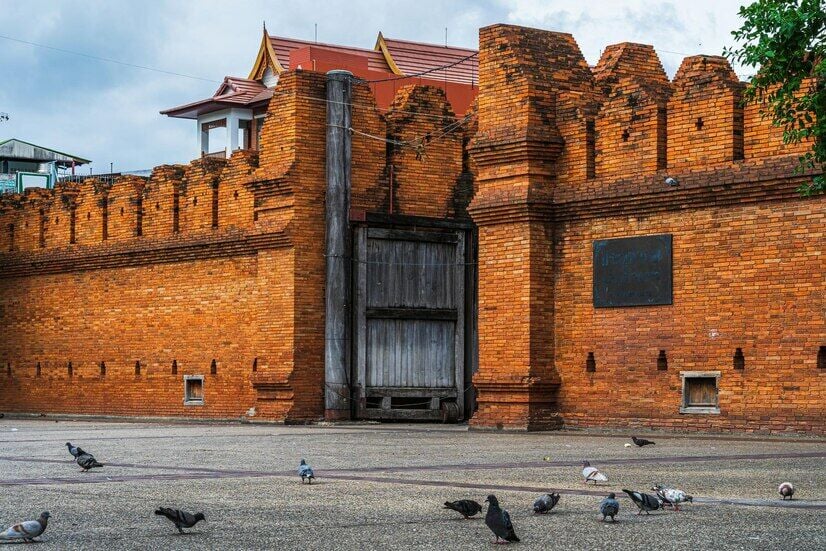
Beautiful view of Tha Phae Gate

Tha Phae Gate

Chiang Mai, Thailand
i

Beautiful view of Tha Phae Gate

Alive with the calls of bicycle bells and the scent of grilled street food, the area around Tha Phae Gate pulses with constant motion. This bustling gateway stands as a proud survivor from Chiang Mai’s medieval past, blending worn red bricks with the hum of scooter engines and stray laughter from nearby cafés. Among flocks of pigeons and wandering monks, the gate stands as a living landmark—a crossroads for travelers, locals, night market vendors, and photographers alike.

Visiting Info

Currency
Entrance fee
Free
Hours
Opening hours
Monday: Open 24 hours
Tuesday: Open 24 hours
Wednesday: Open 24 hours
Thursday: Open 24 hours
Friday: Open 24 hours
Saturday: Open 24 hours
Sunday: Open 24 hours

Contact Information

Location
Address
Tha Phae Road, Chang Khlan Sub-district, Mueang Chiang Mai District, Chiang Mai 50200, Thailand

Planning your visit

A trip to Tha Phae Gate requires little more than curiosity and a good pair of shoes. Located in the heart of Chiang Mai’s Old City, the gate welcomes visitors daily with no entrance fee or strict restrictions. Early mornings find the square bathed in soft gold, with only a handful of energetic joggers and saffron-robed monks crossing the plaza. By late afternoon, this historic heart transforms into a lively gathering place before morphing again as lanterns and food stalls arrive at dusk.

  • Best time to visit: Early morning (7–9 am) for quiet moments and gentle light; evenings (5–8 pm) for vibrant street life and night markets. Cooler months from November through February offer the most comfortable weather.
  • How to get there: Reach the gate easily by tuk-tuk, songthaew (red truck taxi), or rental bicycle from anywhere in Chiang Mai. It’s a 10-minute walk from the Night Bazaar area.
  • Accessibility: The plaza and surrounding streets are largely step-free, with gentle slopes for strollers or wheelchairs. Public toilets and shaded benches are available nearby.
  • Average visit duration: 30–90 minutes, depending on time spent exploring side streets and nearby attractions.

Must see stuff

Tha Phae Gate isn’t just a passageway—it’s a centerpiece for Old City life and a perfect place to pause. Along the thick brick walls, visitors discover stories literally built into Chiang Mai’s defensive history. Musicians often strum their guitars beneath the crumbling towers while artists sketch portraits beside young Buddhist novices feeding pigeons. The scene shifts throughout the day, but a sense of lively community always lingers nearby.

  • Key sights or features: The ancient gate itself—framed by restored city walls and watch towers. Look for hand-carved wooden doors and the flaking brickwork weathered by centuries of wind and rain.
  • Unique experiences: Feeding pigeons in the wide plaza, joining free local dance groups on weekends, or attending a pop-up art show inside the gate’s courtyard. At sunset, the golden light casts dramatic shadows ideal for photography.
  • Photo-worthy locations: The gate at sunrise or sunset, the bustling plaza during Sunday Walking Street Market, and the towering Bodhi trees along the moat.
  • Cultural or historical facts: Built over 700 years ago during the Lanna Kingdom, Tha Phae Gate was the main eastern entrance for traders, monks, and royal processions into old Chiang Mai. Today’s reconstructed gate preserves classic architectural details while hosting parades, cultural festivals, and even silent candlelight vigils.

Tips for your visit

Crowds ebb and flow like the city’s moat waters, so a little timing can mean a lot. For calm moments, stop by before breakfast—watch Chiang Mai awaken before the heat sets in. Comfortable shoes help on uneven stones, and modest dress shows respect if entering temples nearby. Street hawkers may offer to sell bread for pigeon feeding; support them if interested, or politely decline and continue people-watching. And although the square is lively well into the evening, keep an eye on personal belongings when night markets ramp up.

  • Best times to avoid crowds: Mornings before 9 am or midweek evenings. Sundays during the Walking Street Market are the most crowded.
  • What to bring: Water bottle, sun hat, camera or phone, comfortable shoes, and light rain jacket during wet months.
  • Local etiquette or rules: Dress modestly if entering nearby temples. Remove shoes when required. Ask permission before photographing monks up close.
  • Safety or comfort advice: Beware of slippery paving stones after rain. Mind traffic when crossing surrounding roads—tuk-tuks and motorcycles swarm the area, especially at dusk.