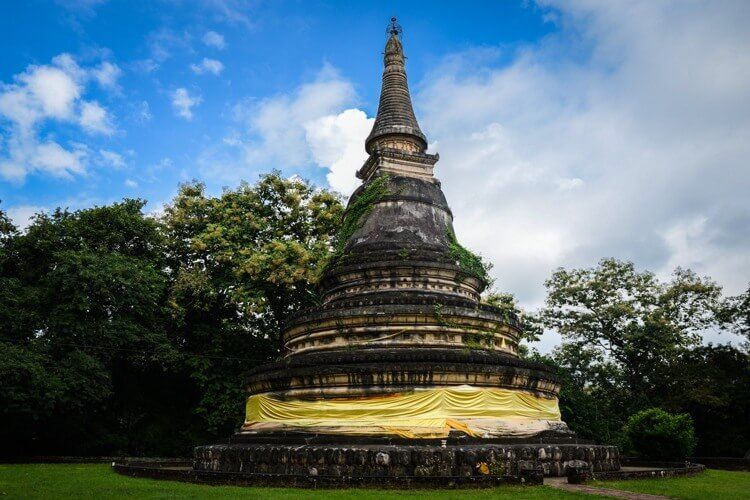
Beautiful view of Wat Umong Suan Putthatham

Wat Umong Suan Putthatham

Chiang Mai, Thailand
i

Beautiful view of Wat Umong Suan Putthatham

Mossy stone chedis rise beneath giant teak trees as birds call across dappled glades; here, time slides backwards. Wat Umong Suan Putthatham, set at the edge of Chiang Mai’s western hills, wraps visitors in a hush rarely found in Thailand’s bustling city temples. Paths wind through woods, past centuries-old tunnels and inquisitive temple dogs. Echoes of chanting slip between the trees. Ancient and serene, this forest monastery offers more than just a glimpse of Northern Thai history—it invites reflection, curiosity, and a welcome breath of cool, leafy air.

Visiting Info

Currency
Entrance fee
20 THB
Hours
Opening hours
Monday: 4:00 AM – 8:00 PM
Tuesday: 4:00 AM – 8:00 PM
Wednesday: 4:00 AM – 8:00 PM
Thursday: 4:00 AM – 8:00 PM
Friday: 4:00 AM – 8:00 PM
Saturday: 4:00 AM – 8:00 PM
Sunday: 4:00 AM – 8:00 PM

Contact Information

Location
Address
135, Suthep, Mueang Chiang Mai District, Chiang Mai 50200, Thailand

Planning your visit

Located roughly three kilometers from Chiang Mai’s Old City, Wat Umong feels a world away from the buzz of tourist hotspots. Though it welcomes a steady stream of visitors, its spacious grounds and leafy cover keep the bustle at bay. There is no entrance fee, but donations are welcomed. Plan for at least half a day if you hope to settle into the tranquil pace—and perhaps catch a monk-led meditation or afternoon chanting.

  • Best time to visit: Early morning (before 10am) or late afternoon for soft light and smaller crowds; November to February brings cooler, comfortable weather.
  • How to get there: Red songthaews (shared taxis) from the Old City are affordable and direct; taxis and ride-hailing apps offer convenience, while cycling is an option for the energetic.
  • Accessibility: Paths are mostly level, though uneven and sometimes muddy after rain. Families and seniors should watch their step in the tunnels and wooded areas.
  • Average visit duration: Two hours for basic exploring; up to half a day for meditation, wildlife watching, and unhurried wandering.

Must see stuff

Wat Umong’s atmosphere comes alive in the details: cracked murals, lichen-laced Buddha statues, and the play of shadows inside its famous tunnels. The grounds span woodland, ponds, and shady nooks, rewarding slow exploration. Every corner tells a story—some painted in fading colors, others whispered by wind and leaves.

  • Tunnel shrines: Dug out over 700 years ago, these brick-lined corridors house dozens of meditation alcoves with serene Buddha images. Bring a small flashlight to reveal surprising murals painted centuries ago.
  • Lotus pond and bridge: Photographers gather at the arched bridge, while occasional turtles and catfish ripple the pond below. Benches invite quiet observation.
  • Ancient chedi: A weathered stupa, framed by tall trees, stands silent witness to countless seasons. Early morning sunlight and soft sunset hues make it especially photogenic.
  • Talking-Tree Wisdom: Local volunteers tie hand-painted boards with quirky Buddhist sayings to tree trunks. Look closely for favorites in Thai and English.
  • Monk chats and meditation: English-speaking monks sometimes welcome questions from visitors near the main viharn (meeting hall). Meditation sessions—open to all faiths—occur weekly (inquire at the small library onsite).
  • Resident wildlife: Squirrels, temple dogs, and flash of colorful birds animate the grounds, offering moments of delight for nature lovers.
  • Scattered ruins: Off the main path, notice crumbled stucco Buddhas and hidden altars left between tree roots. Don’t rush past—the lesser-seen corners often hold the most character.

Tips for your visit

Wat Umong’s natural setting comes with practical quirks—and a few surprises. Thoughtful preparation can turn a good visit into a truly memorable one. Knowing when to arrive, what to pack, and how to blend in with the gentle pace of monastic life helps every visitor get the most from their time among the trees.

  • Best times to avoid crowds: Weekday mornings are peaceful, with birds as your main company. Avoid midday, when tour groups sometimes cluster at the main chedi.
  • What to bring: Water bottle, insect repellent, comfortable shoes for rough paths, and a camera for unexpected photo opportunities. A hat or light scarf offers extra shade on open trails.
  • Local etiquette: Shoulders and knees should be covered. Remove shoes before entering shrines or inner tunnels, and speak quietly—meditation and prayer are ongoing throughout the day.
  • Safety and comfort: Tunnels can be dim and slightly slippery in the wet season; those afraid of tight spaces may want to skip certain shrines. Restrooms are available near the main hall, but bring paper and sanitizer for convenience.