Split City Museum

Split City Museum

Split, Croatia
i

Split City Museum

Photo by Zdenka Sessa

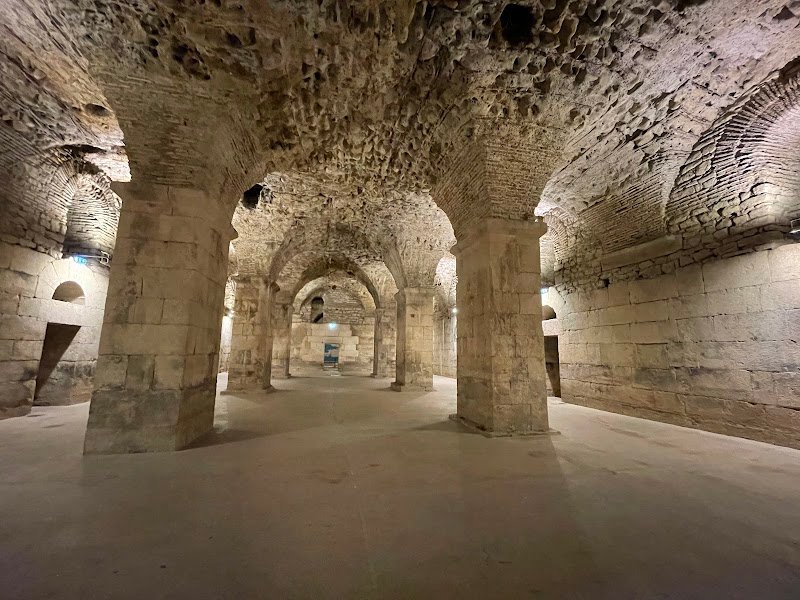
For anyone eager to glimpse Roman prestige beside a Mediterranean breeze, the Split City Museum stands out as a cultural waypoint in Croatia. Walk through its stone archways and centuries of local stories unravel. Detailed displays and authentic architecture immerse visitors in the heart of what once was Emperor Diocletian’s bustling domain. In this rare combination of palace, street, and gallery, both ancient relics and contemporary spirit blend, offering travelers a hands-on lesson in history that still shapes daily life outside the museum’s doors.

Visiting Info

Currency
Entrance fee
8 EUR
Hours
Opening hours
Monday: Closed
Tuesday: 9:00 AM – 8:00 PM
Wednesday: 9:00 AM – 8:00 PM
Thursday: 9:00 AM – 8:00 PM
Friday: 9:00 AM – 8:00 PM
Saturday: 9:00 AM – 8:00 PM
Sunday: 9:00 AM – 8:00 PM

Contact Information

Location
Address
Papalićeva ul. 1, 21000, Split, Croatia

Planning your visit

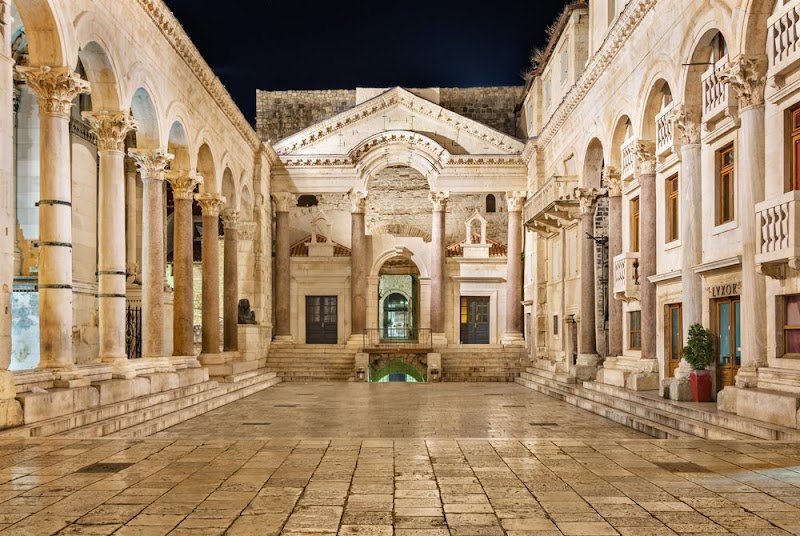
Bustling with visitors during summer, the Split City Museum rewards early and off-season arrivals with quieter exhibits and more time to linger over its treasures. Located steps from the Peristyle—the very center of Diocletian’s Palace—the museum is impossible to miss for anyone venturing through Split’s Old Town. Narrow alleys funnel visitors to its ornate entrance, where tickets are available at the door. Crowds build by late morning, especially when cruise ships dock, but weekday afternoons promise more space to wander. Some galleries have steep stairways and limited elevator access, which may challenge families with strollers or visitors with mobility issues. Most come for an hour, but true history enthusiasts settle in for at least two, especially when joining a guided group.

  • Best time to visit: Early morning or late afternoon, spring or fall for fewer crowds
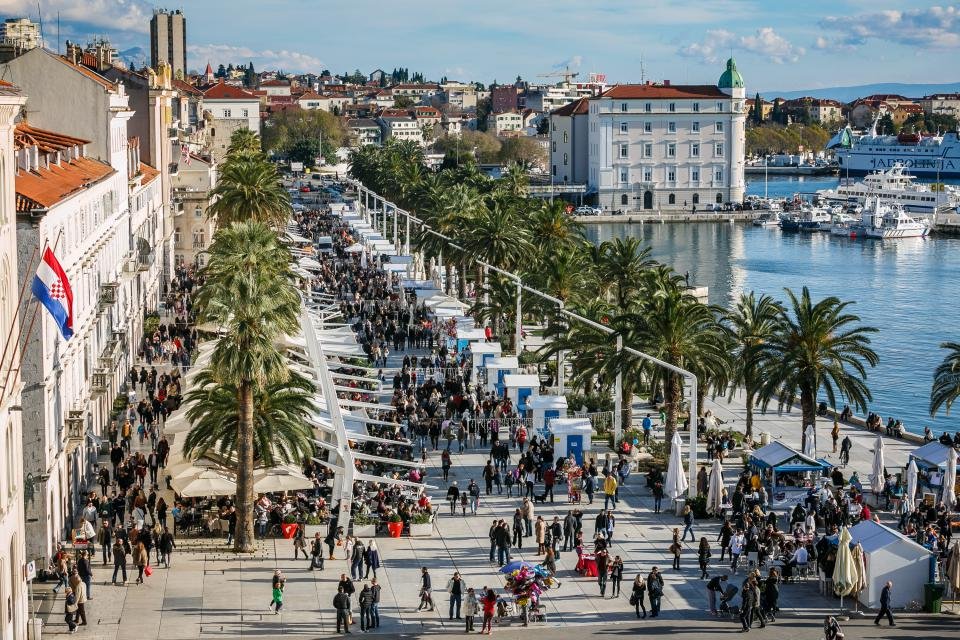
  • How to get there: Walk from Riva Promenade, bus stop at Trg Republike, or local taxi drop-off at the edge of Old Town
  • Accessibility: Main halls accessible; upper floors may be difficult for wheelchairs or strollers
  • Average visit duration: 1–2 hours
Must see stuff

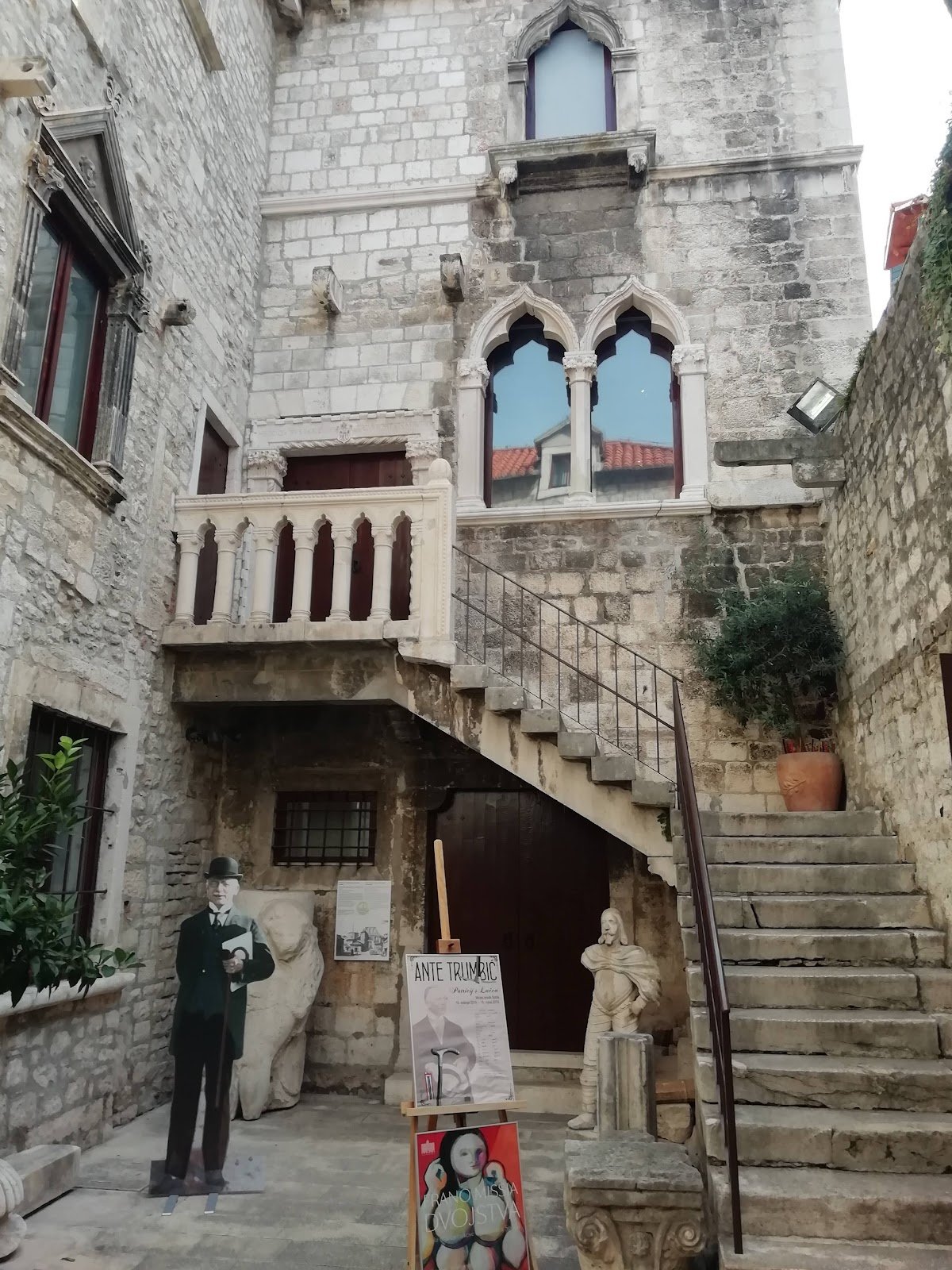
While Split’s streets bustle with cafés and shops, the City Museum’s quiet corridors offer a sharper glimpse into royal intrigue and daily life during Roman and Venetian times. Housed in the Gothic Papalić Palace, the museum’s carved stone staircase rivals Split’s ornate courtyards for drama. Temporary contemporary art exhibitions add surprising color next to mosaics and medieval arms displays. Gothic windows in the main audience hall catch afternoon sunlight—some visitors linger just to watch the shapes dance across centuries-old floors. Don’t skip the inner courtyard, a spot popular with local artists and occasional choirs performing rare Dalmatian folk songs.

  • Key sights: 15th-century spiral staircase, relief sculptures of Medieval Split, intricate family crests, and original palace halls
  • Unique experiences: Private guided tours led by local historians, rotating art installations, themed “Night at the Museum” events
  • Photo-worthy locations: Marble tracery windows, stone balconies overlooking narrow Old Town alleys, courtyard arches with climbing vines
  • Interesting facts: The museum’s Papalić Palace was owned by one of Split’s most prominent noble families; Roman coins and ancient mosaics found in Diocletian’s Palace are among the oldest artifacts on display

Tips for your visit

A smooth tour depends on a bit of planning. Weekends draw both tourists and locals, so spare yourself the crowds with a weekday ticket, just after opening. Expect stone stairs—comfortable shoes make the visit easier and quiet floors less slippery. Photography is allowed in most rooms, but flash and tripods are discouraged out of respect for delicate artifacts. Locals appreciate polite questions, especially during rotating exhibits, so curiosity pairs well with good manners. Afterward, step into the shaded courtyard for a break before heading back into Split’s sunny alleys.

  • Best time to avoid crowds: Weekday mornings or late afternoons, especially outside of July and August
  • What to bring: Water bottle, compact camera or phone, supportive shoes
  • Etiquette: Avoid flash photography; ask staff before entering special exhibition areas; respect quiet zones
  • Comfort: Expect some stairs and cool, shaded interiors; bring a light jacket if visiting outside summer

Similar Attractions

Split City Museum – Tickets, Hours & Visitor Guide