Google Places photo

Saint Domnius Cathedral

Split, Croatia
i

Google Places photo

Photo by Arpád Balogh

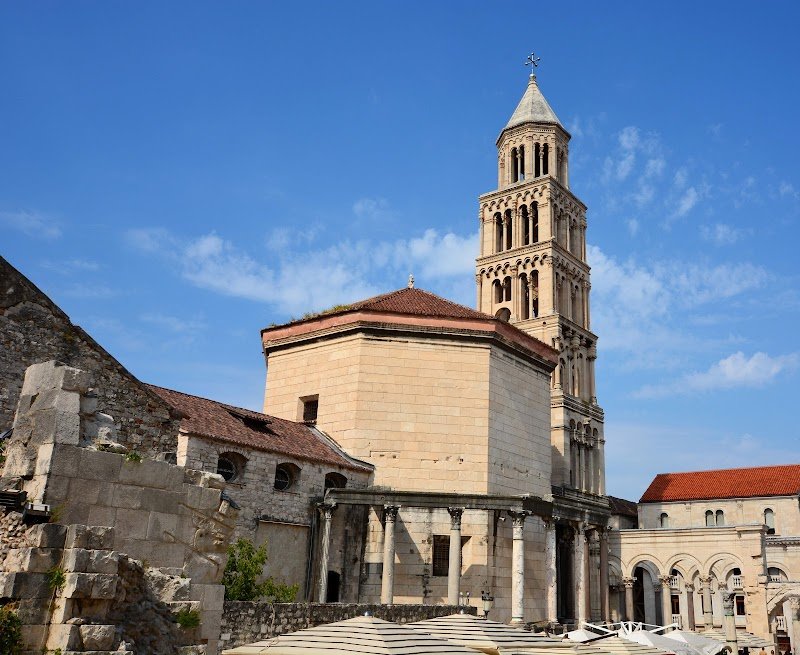
Rising from the heart of Split like a silent guardian, the Cathedral of Saint Domnius has witnessed nearly two thousand years of shifting tides. This graceful complex, blending Roman bones with Medieval faith, attracts travelers from all over the world. Time seems to pause among the weathered stones and intricate carvings. While most cathedrals dazzle with size, Saint Domnius Cathedral invites close encounters—with whispered prayers, ringing bells, and the lively sound of local life.

Visiting Info

Currency
Entrance fee
15 HRK
Hours
Opening hours
Monday: 8:15 AM – 7:30 PM
Tuesday: 8:15 AM – 7:30 PM
Wednesday: 8:15 AM – 7:30 PM
Thursday: 8:15 AM – 7:30 PM
Friday: 8:15 AM – 7:30 PM
Saturday: 8:15 AM – 7:30 PM
Sunday: 12:30 – 5:30 PM

Contact Information

Location
Address
Ul. Kraj Svetog Duje 3, 21000, Split, Croatia

Planning your visit

Making time for Saint Domnius Cathedral is worth every minute on any Croatian journey. Located within Diocletian’s Palace, the cathedral sits at Split’s crossroads—where cruise passengers, local families, and eager students all wander beneath the shadow of its bell tower. While the cathedral opens most days to visitors, high season can bring crowds, especially in the late morning. Entry requires a ticket, which covers the cathedral and often adjoining sites like the treasury and crypt.

  • Best time to visit: Early mornings or late afternoons in spring or fall offer lighter crowds and softer light for photos.
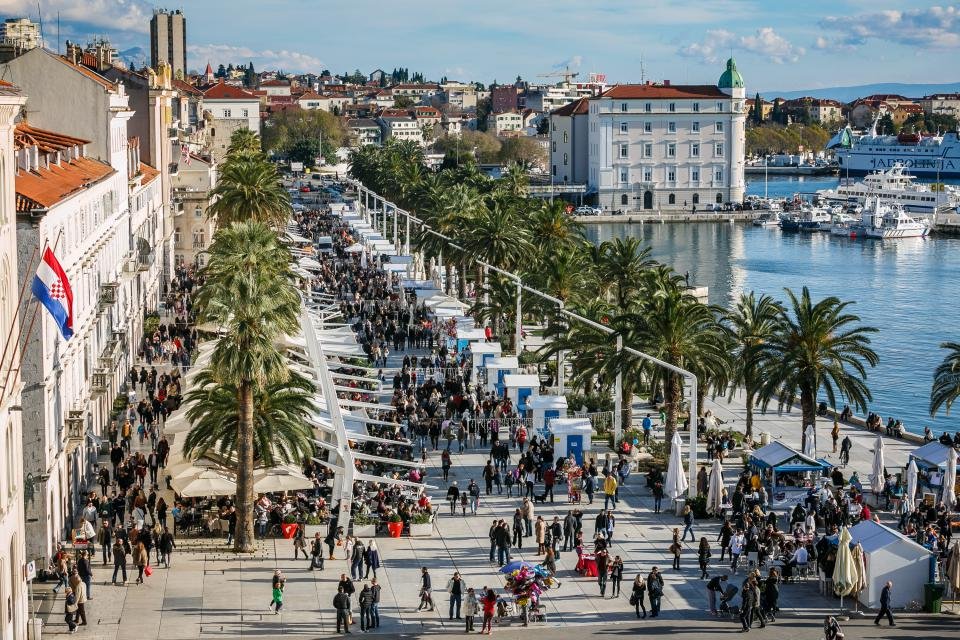
  • How to get there: Walk from Split’s main waterfront (Riva) in less than five minutes. City buses and taxis stop nearby, while ferries dock a ten-minute stroll away.
  • Accessibility: Main cathedral floor is accessible, but steps lead to the crypt and bell tower. Young children and seniors may find the tower climb challenging.
  • Average visit duration: 45 minutes to 1.5 hours, depending on interest and tour choices.
Must see stuff

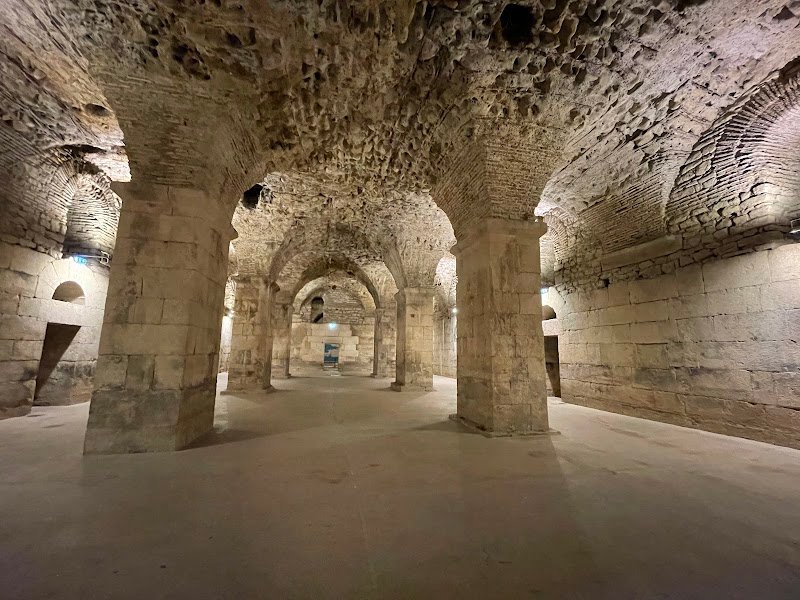
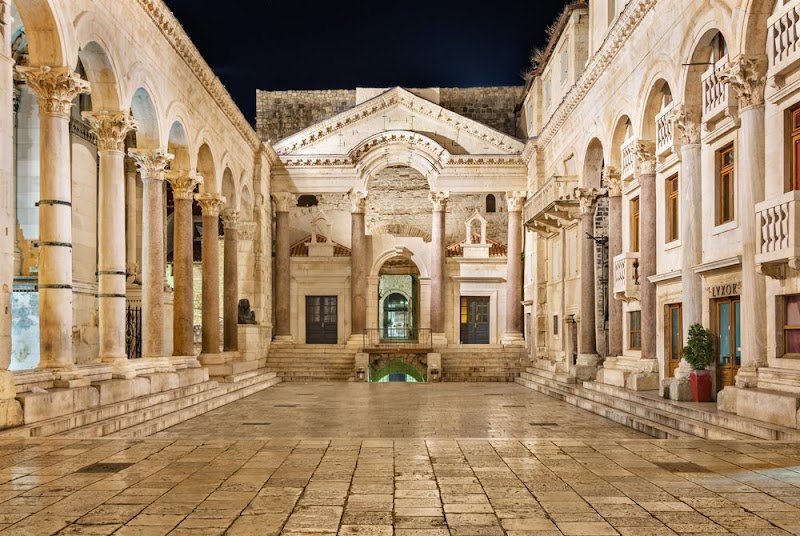
Walking through Saint Domnius Cathedral feels like stepping from one chapter of European history to the next. The site was originally Diocletian’s mausoleum, transformed into a Christian church in the seventh century. Every stone tells a story—Roman pillars still support Christian altars, and Medieval wood doors hide ancient mosaics. Those who climb the bell tower are rewarded with sweeping views of terracotta rooftops and the Adriatic Sea. Inside, saints gaze softly from gilded chapels as incense drifts between the pews.

  • Key sights or features: The bell tower, cathedral proper, carved wooden portal by Andrija Buvina, treasury, crypt, and the Peristyle courtyard outside.
  • Unique experiences: Climb the steep, narrow stairs of the bell tower for unmatched city and sea views. Take a guided walking tour that explains how Roman emperor Diocletian became Split’s spiritual center.
  • Photo-worthy locations: The dramatic view looking up at the bell tower from the Peristyle; golden altars framed by ancient columns; sunset from the top of the tower.
  • Cultural or historical facts: The cathedral claims to be the oldest Catholic cathedral still using its original structure, a unique blend of Roman imperial and Christian sacred space. Split’s clergy and residents often gather here for festivals and local celebrations, bringing centuries-old rituals to life.

Tips for your visit

A visit to Saint Domnius rewards patience and good preparation. Some parts, like the bell tower, can feel crowded during midday or when cruise ships dock. The stones in the courtyard and on the tower steps can be slick, especially after rain. Tickets bought onsite might mean a short wait, but early risers often skip the lines. Photography is allowed in most places, but quiet is greatly appreciated during services. Local guides offer short tours in several languages—well worth joining for context and stories rarely found in guidebooks.

  • Best times to avoid crowds: Arrive at opening or after 4 PM. Weekdays, especially outside July and August, are also calmer.
  • What to bring: Walking shoes with a good grip, a camera or smartphone, a scarf or wrap for shoulders, and bottled water if climbing the tower.
  • Local etiquette or rules: Modest dress is polite. Photography is discouraged during religious ceremonies. Keep voices low inside and step carefully on uneven stones.
  • Safety or comfort advice: The bell tower climb suits those comfortable with heights and narrow stairs. Take care in wet weather, and give yourself time to savor both the art and the atmosphere at an unhurried pace.

Similar Attractions

Saint Domnius Cathedral – Tickets, Hours & Visitor Guide