Archaeological Museum in Split

Archaeological Museum in Split

Split, Croatia
i

Archaeological Museum in Split

Photo by Gabriela Ferrari

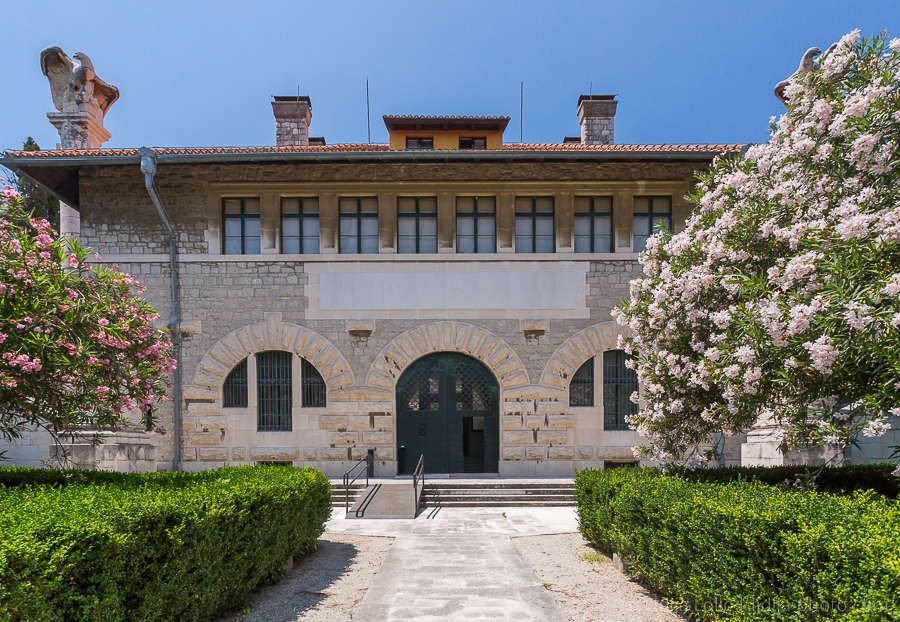
Quiet dignity defines the Archaeological Museum in Split, drawing visitors away from more crowded tourist landmarks and into the depths of Croatia’s ancient story. Rows of weathered stone, delicate gold jewelry, and enigmatic mosaics fill an airy, sunlit building. For travelers eager to touch the past, this museum offers a deep, focused dive into Dalmatia’s thousands of years of history.

Visiting Info

Currency
Entrance fee
6 EUR
Hours
Opening hours
Monday: 9:00 AM – 2:00 PM, 3:00 – 8:00 PM
Tuesday: 9:00 AM – 2:00 PM, 3:00 – 8:00 PM
Wednesday: 9:00 AM – 2:00 PM, 3:00 – 8:00 PM
Thursday: 9:00 AM – 2:00 PM, 3:00 – 8:00 PM
Friday: 9:00 AM – 2:00 PM, 3:00 – 8:00 PM
Saturday: 9:00 AM – 2:00 PM, 3:00 – 8:00 PM
Sunday: Closed

Contact Information

Location
Address
Ul. Zrinsko Frankopanska 25, 21000, Split, Croatia

Planning your visit

Simplicity marks a day at the Archaeological Museum in Split. The location sits just northwest of the historic city center, about a 10-minute walk from Diocletian’s Palace. Early in the morning or on weekday afternoons, the museum remains quiet, offering a rare chance for reflection. Most visitors can buy tickets at the door, but groups may consider booking ahead—especially during peak summer months.

  • Best time to visit: Spring and fall bring fewer crowds. Arrive before noon or after 3 PM for peace and quiet.
  • How to get there: Walk from the waterfront, take a short taxi ride, or hop on a local bus (bus lines stop on Zrinsko Frankopanska street).
  • Accessibility: The main entrance and most exhibits on ground level are accessible to wheelchairs and strollers. Benches are available for seniors. Stairs may limit access to some upper gallery sections.
  • Average visit duration: Plan for 60-90 minutes, longer if ancient writing or coins spark curiosity.
Must see stuff

Centuries gather in these halls, inviting a closer look at treasures from prehistoric, Greek, Roman, and medieval eras. Lush gardens outside hold mysterious sarcophagi and battered tombstones, while inside, glass cases brim with coins, weapons, and amulets. For history lovers, the pace slows—each room brings layers of discovery and wonder.

  • Roman inscriptions and stelae: Massive stone tablets from ancient Salona, carved with stories of long-gone families.
  • Salona mosaics: Detailed floor patterns reveal Roman artistry; photo-worthy, especially when sunlight strikes the glass roof.
  • Glassware and jewelry: Delicate earrings and patterned vases dating back two millennia, perfectly preserved despite their age.
  • Lapidarium garden: An open-air courtyard lined with altars, capitals, and funerary art—quiet, leafy, and remarkably tranquil even on warm days.
  • Numismatic collection: Thousands of coins trace trade, empire, and conquest all the way to the Venetian era.
  • Fun fact: The Archaeological Museum in Split is Croatia’s oldest museum, founded in 1820, and remains a renowned haven for scholars as well as everyday explorers.

Tips for your visit

Patience pays off at this museum. Crowds grow on rainy afternoons, but sunshine often lures most visitors to the beaches instead. Exhibits are signed in both Croatian and English, though information is sometimes sparse—useful guidebooks are available at the desk. Bring a sense of curiosity and comfortable shoes; stone floors can be chilly, and benches are scattered around for resting.

  • Best times to avoid crowds: Early morning, late afternoons, or outside tourist season.
  • What to bring: Comfortable footwear, water, a camera for garden shots, and a light sweater in cooler months.
  • Local etiquette: Speak quietly in galleries and avoid flash photography. Large bags may be checked at the entrance.
  • Safety and comfort: Watch for uneven paving stones outdoors, and take care near low-hanging branches in the lapidarium garden.

Similar Attractions

Archaeological Museum in Split – Tickets, Hours & Visitor Guide