Google Places photo

Diocletian's Palace

Split, Croatia

Ancient walls, sun-worn stone, and a maze of alleys alive with cafes and laughter. Few places combine real, daily life with ancient grandeur the way Diocletian's Palace does. This UNESCO-protected site stands as both a Roman ruin and a living heart of the city, home to families, shops, and old secrets. Wandering the palace’s sprawling square and fragrant courtyards captures the pulse of Split’s history and present, all at once.

Visiting Info

Currency
Entrance fee
Free

Contact Information

Location
Address
21000, Grad, Split, Croatia

Planning your visit

Diocletian’s Palace welcomes both eager history fans and casual explorers year-round, but good planning helps avoid crowds and fatigue. While the central location puts it within easy reach, timing matters. Summer draws big crowds, while spring and fall offer cooler weather and more space to breathe. Entry is free for most courtyard areas, but climbing the bell tower or entering underground vaults usually requires a ticket. Most paths suit travelers of all ages, but cobblestones and stairs can trip up strollers or wheelchairs in some spots.

  • Best time to visit: Early mornings or late afternoons in spring and autumn bring milder weather and fewer tourists.
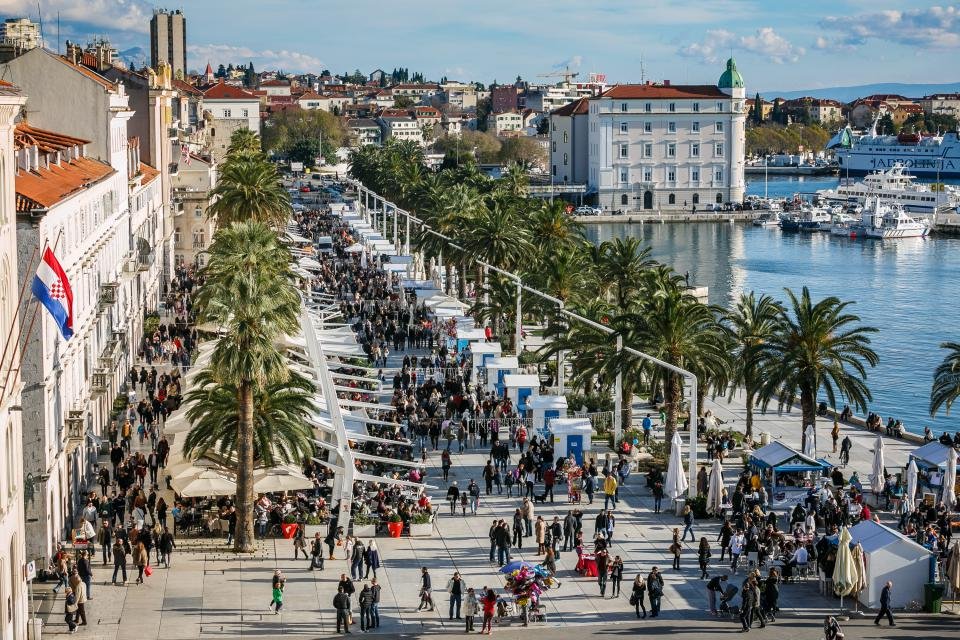
  • How to get there: The palace sits in central Split, a short walk from the main ferry port and bus station. Taxis and local buses stop nearby.
  • Accessibility: Most main squares and streets are step-free, but the rough stones and narrow alleys may challenge wheelchairs or strollers.
  • Average visit duration: Two to three hours lets travelers see main sights, while lingering in cafes or exploring shops can fill half a day.
Must see stuff

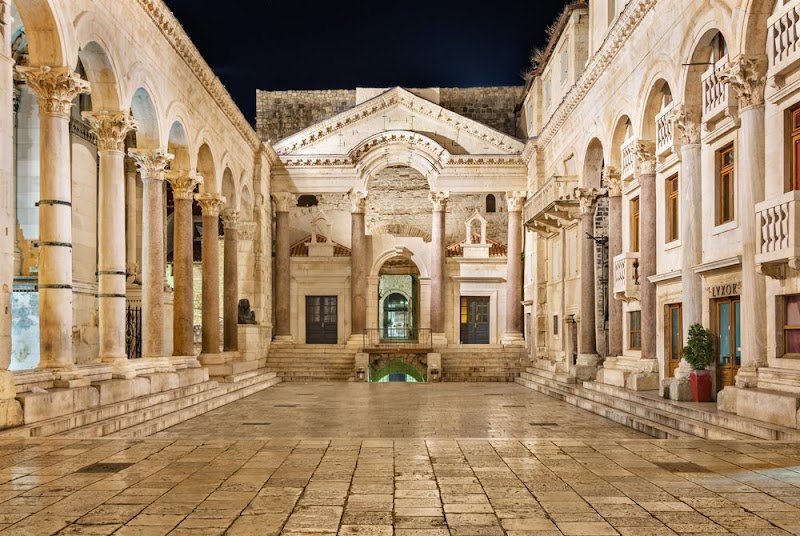
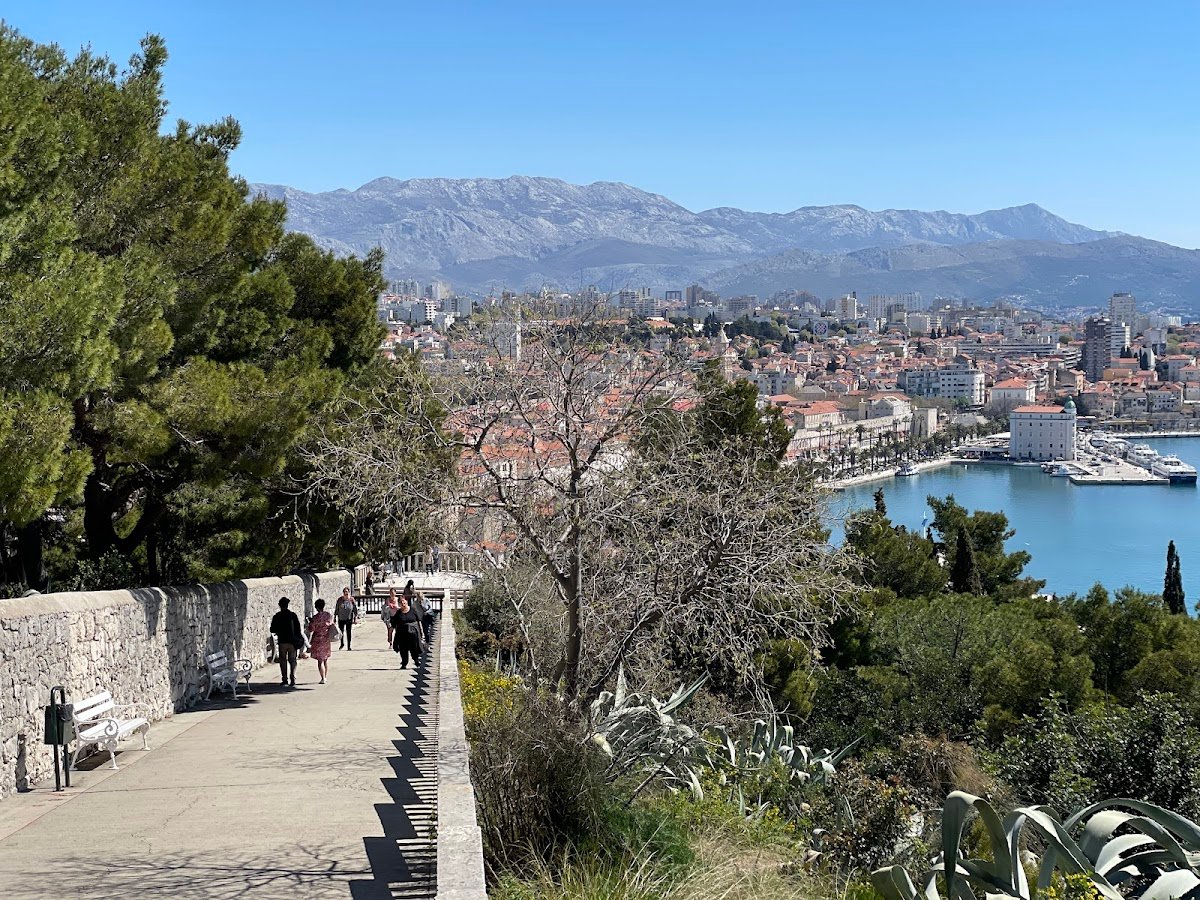
Lost in the palace, visitors find more than crumbling columns and ancient arcades. Roman stone gives way to bustling markets, artist studios, and hidden wine bars. History waits around every corner along with local life. The underground cellars feel cool on hot days and tell quieter stories. Above ground, sunlight slips between marble pillars and warms the lively Peristyle square, where local musicians often entertain.

  • The Peristyle: This grand square, once a gathering place for Roman subjects, now hosts music, street performers, and crowds that gather for photos in the shadow of soaring columns.
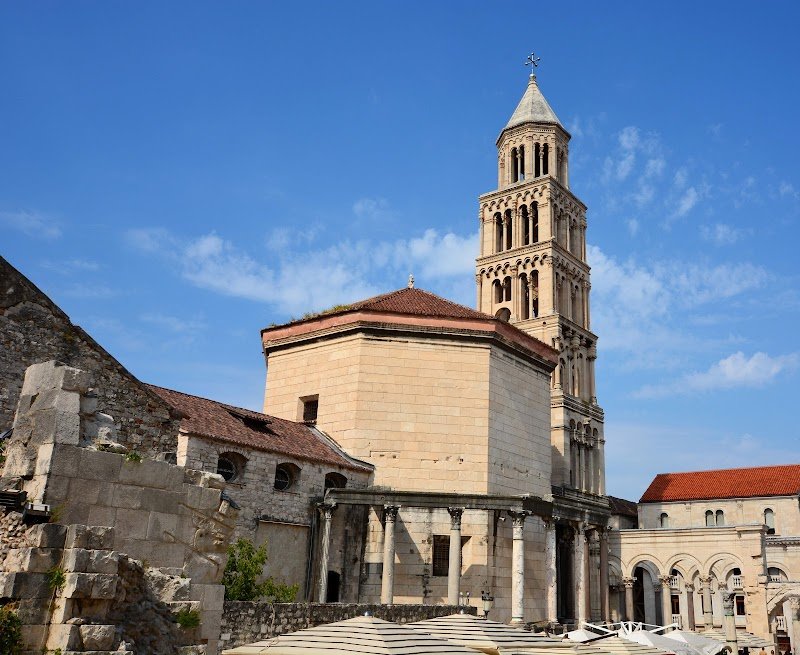
  • The Cathedral of Saint Domnius: Once Diocletian’s mausoleum, now one of the world’s oldest cathedrals. Climbing the bell tower grants sweeping city and sea views, worth the small stair climb.
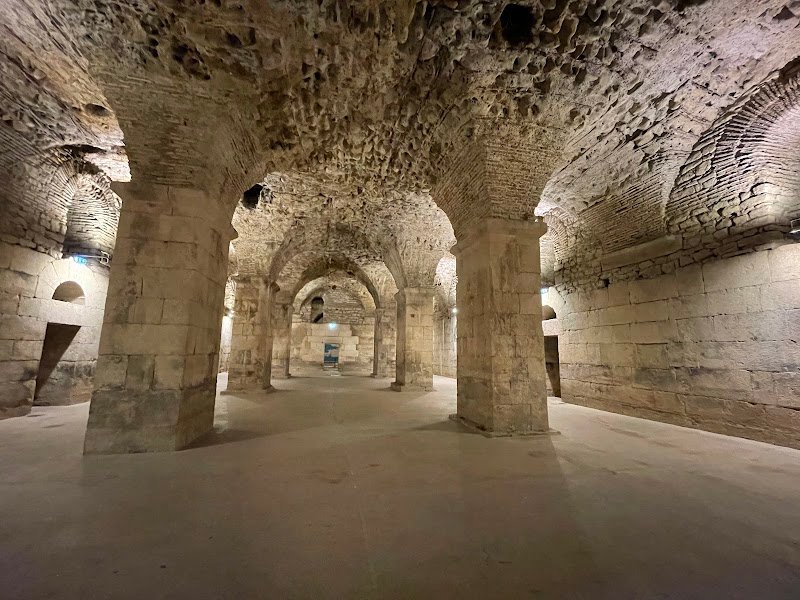
  • The Basement Halls: These dim, stone vaults beneath the palace survived for centuries. Some are free to enter, while others host occasional art shows and souvenir stands.
  • Vestibule Dome: The majestic entrance room, often home to Klapa singers, shows off Roman brickwork and echoing acoustics.
  • Papalić Palace and Split City Museum: Tucked in the quieter northern section, these rooms house artifacts and medieval art away from the crowds.
  • Photo spots: The Bronze Gate seawall at sunset, the sun-dappled narrow alleys near Jupiter’s Temple, and the rooftop terrace cafes for wide city views.
  • Historical fact: The palace was built in the early 4th century for Emperor Diocletian’s retirement, but over centuries, homes and businesses were added, blending daily life with Roman stone.

Tips for your visit

Staying comfortable and soaking up real atmosphere matters more than racing through sights. The winding alleys and changes in elevation invite slow wandering. While main squares can fill quickly, side streets often escape big groups. Food and drink options line many paths—perfect for a rest but occasionally priced for tourists. Respect the homes and businesses scattered through this living ruin, remembering that real residents live behind many doors.

  • Best times to avoid crowds: Arrive before 9 a.m. or after 6 p.m., or try visiting during Croatia’s quieter spring and autumn months.
  • What to bring: Comfortable walking shoes for uneven stone, refillable water bottles, a camera, and a light jacket for breezy cellar tours.
  • Local etiquette: Speak softly in residential areas, never climb ancient walls, and ask before photographing locals or performers.
  • Safety or comfort: Use care on slick stones after rain. Some alleys get hot at midday, and shade can be limited.

Similar Attractions

Diocletian's Palace – Tickets, Hours & Visitor Guide