Split Ethnographic Museum

Ethnographic Museum Split

Split, Croatia
i

Split Ethnographic Museum

Photo by Monika Mutwicka

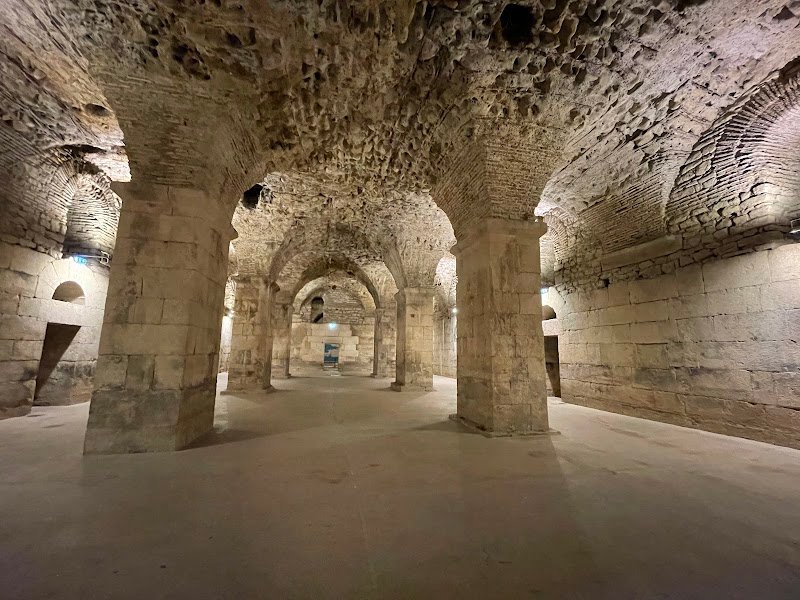
In the heart of Split's centuries-old city center, the Ethnographic Museum Split reveals the soul of Dalmatian life through its rich collection of traditional artifacts, clothing, and everyday tools. Housed in ancient stone among the echoes of Roman walls, the museum preserves stories of a region woven together by old-world customs, family tradition, and daily ritual. Visitors find hands-on encounters and vivid displays, encouraging curious minds to connect with the crafts, beliefs, and celebrations that shaped past generations. The museum offers a journey into the ordinary and the extraordinary, bringing regional identity to life for travelers and locals alike.

Visiting Info

Currency
Entrance fee
5 EUR
Hours
Opening hours
Monday: 9:00 AM – 7:00 PM
Tuesday: 9:00 AM – 7:00 PM
Wednesday: 9:00 AM – 7:00 PM
Thursday: 9:00 AM – 7:00 PM
Friday: 9:00 AM – 7:00 PM
Saturday: 10:00 AM – 5:00 PM
Sunday: 10:00 AM – 2:00 PM

Contact Information

Location
Address
Ul. Iza Vestibula 4, 21000, Split, Croatia

Planning your visit

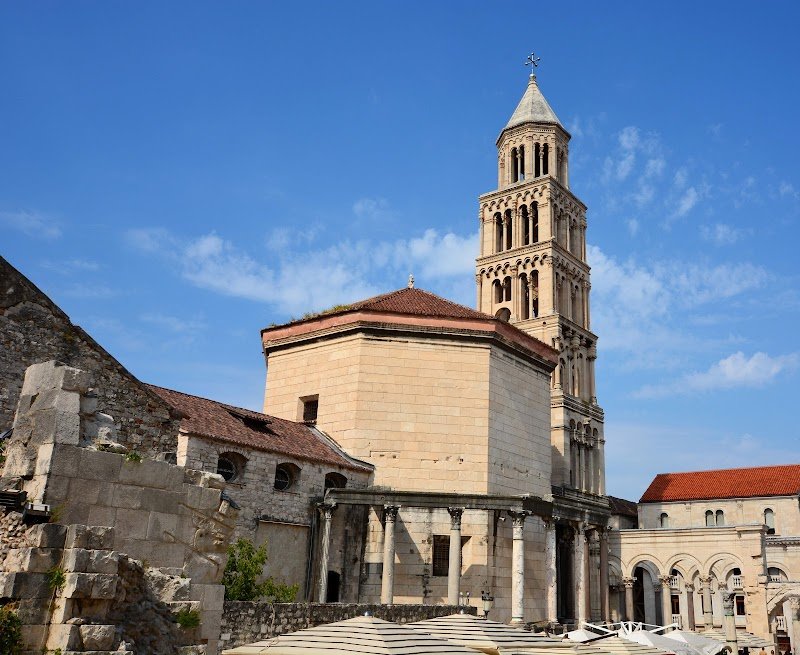
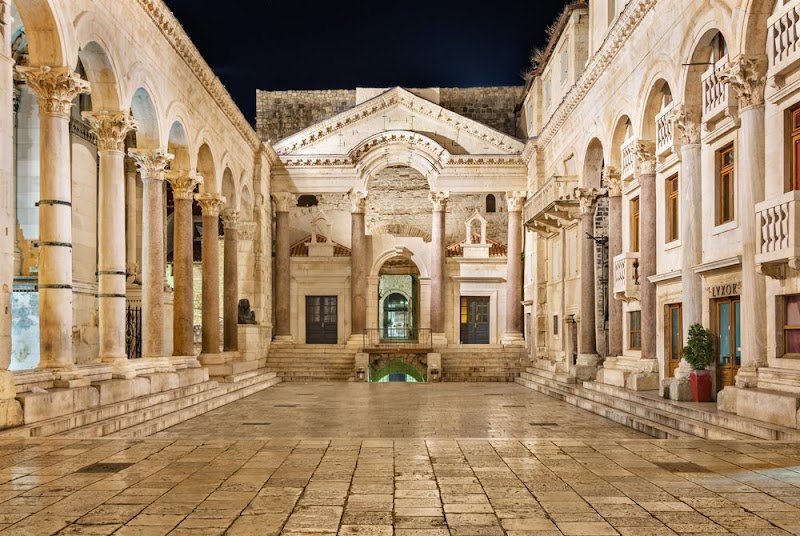
A well-planned trip to the Ethnographic Museum Split rewards anyone interested in stepping off the beaten path. The museum, located within Diocletian’s Palace near the Silver Gate, offers easy access for travelers exploring the old city. Street-side signs and staff provide guidance for those navigating the maze of ancient alleys. Generally, the experience remains calmer than Split’s seaside attractions, though midday peaks can bring school groups and tourists. Tickets are reasonably priced and sold at the main entrance, with options for guided tours. Allow time for quiet observation—the museum's tranquil courtyards alone are worth a pause.

  • Best time to visit: Mornings, especially in spring or fall when tour groups are fewer and rooms feel peaceful.
  • How to get there: Enter Diocletian’s Palace from the east (Silver Gate); on foot from Riva promenade or by taxi to the edge of the old town, since vehicles cannot access the palace’s narrow streets.
  • Accessibility: Some staircases and uneven stone may challenge visitors using wheelchairs or strollers; most main exhibits are on lower floors, but the upper tower and terrace require climbing.
  • Average visit duration: 60 to 90 minutes for the main exhibit areas, longer if exploring temporary shows or in-depth guided experiences.
Must see stuff

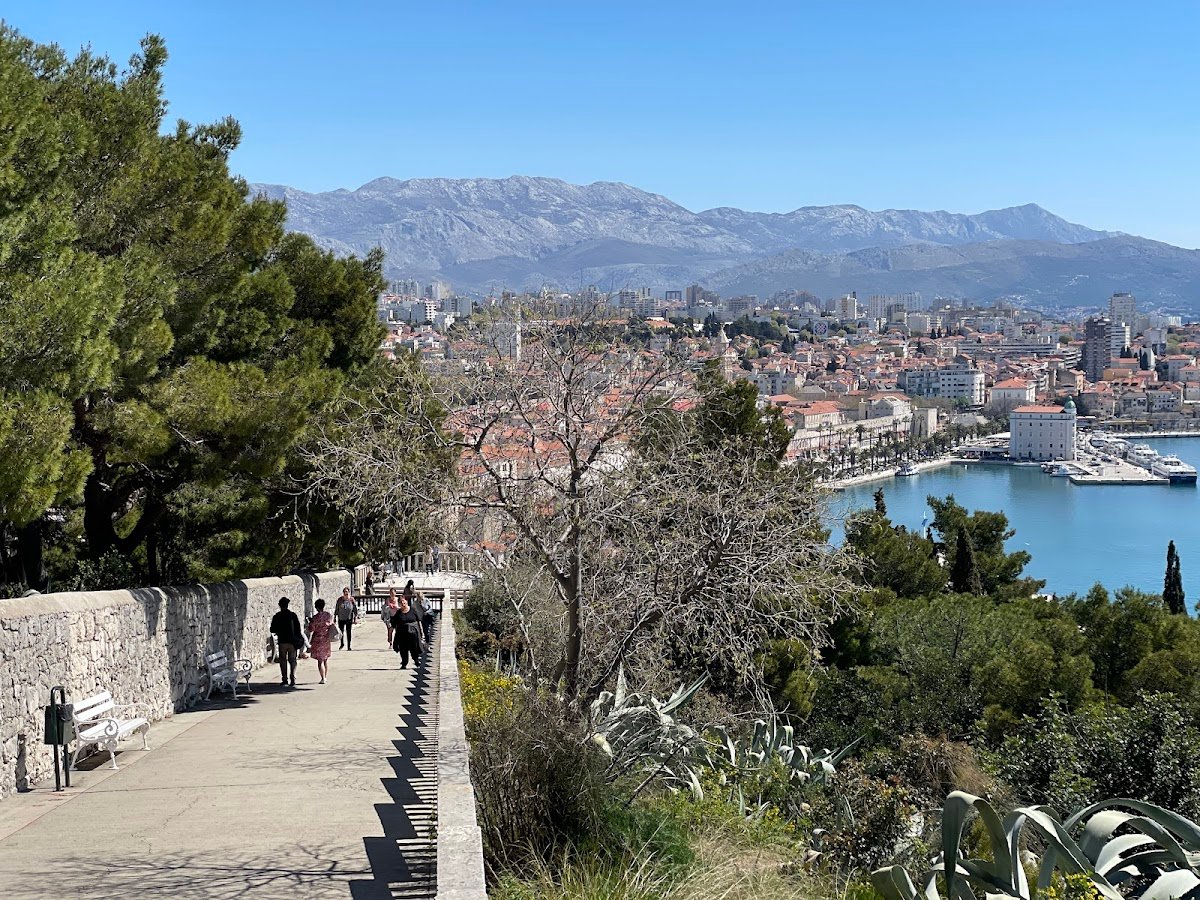
Every corner of the Ethnographic Museum Split invites discovery, from sunlit courtyards to vault-like exhibition rooms packed with regional treasures. Collections highlight daily life in the Dalmatian hinterland—tools for olive pressing, fishing stories, and costumes from island villages. Special corners celebrate folklore: tiny hand-painted Easter eggs, intricately woven lace, and vibrant festival masks. Kids and adults linger at the loom, where live demonstrations sometimes take place. Climb the medieval tower for sweeping views over clay rooftops and out to the islands, a moment that lingers long after the visit.

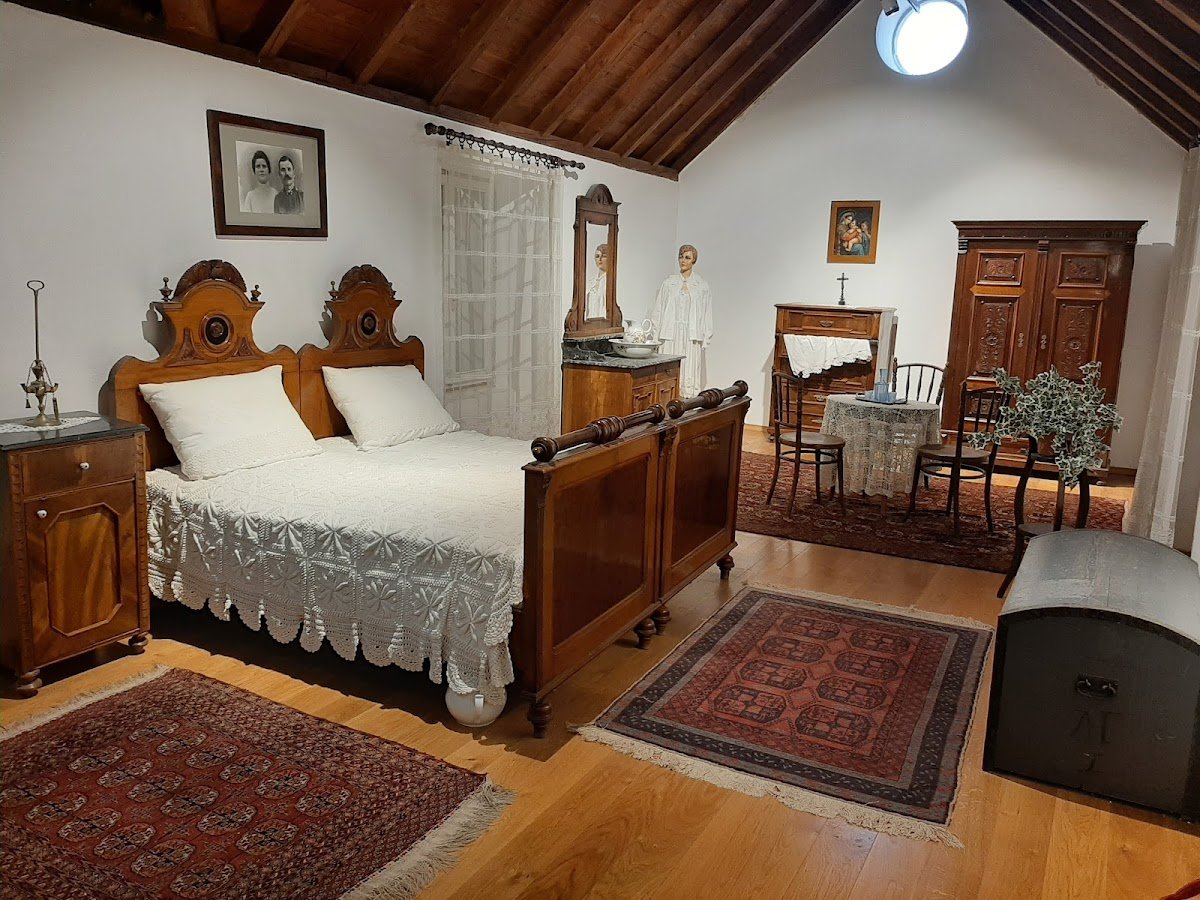
  • Key sights: Dalmatian folk costumes, traditional jewelry, agricultural and fishing tools, and recreated home interiors give a window into local history and home life.
  • Unique experiences: Watch weaving or lace-making if a demonstration is running; explore the medieval bell tower for rare city panoramas.
  • Photo-worthy locations: The palace courtyard, tower terrace, and sun-dappled exhibition rooms filled with textiles and ceramics.
  • Cultural facts: Learn about life under Venetian, Ottoman, and Austro-Hungarian rule through displays showing changing fashion, crafts, and holiday traditions. The museum occupies part of what was once Diocletian's private quarters, connecting Rome’s grand imperial past with local Croatian culture.

Tips for your visit

Maximizing a visit to the Ethnographic Museum Split means balancing slow exploration with a little practical planning. Explore before midday to catch quieter spaces and gentler light in the courtyard. While most rooms offer signs in both Croatian and English, a pocket guidebook or downloading the museum’s app helps reveal stories behind select artifacts. The museum stays cool even in high summer, but bring water and lightweight layers for a comfortable wander. Respect posted etiquette—no flash photography and gentle handling only for interactive displays. Families find engaging activities, though younger children may tire of longer tours. Lastly, take a moment on the terrace for a peaceful break.

  • Best times to avoid crowds: Arrive before 10:00 am or after 3:30 pm. Shoulder months (April, October) and weekdays see the fewest visitors.
  • What to bring: Sturdy walking shoes, a camera (no flash), water bottle, and a light jacket for cooler exhibition rooms or windy tower climbs.
  • Local etiquette: Speak softly in exhibition areas; avoid blocking doorways or displays with bags or strollers.
  • Comfort and safety: Mind the uneven ancient stone floors. Some steps in the tower are narrow and steep—hold the railing and skip this part if unsure on your feet.

Similar Attractions

Ethnographic Museum Split – Tickets, Hours & Visitor Guide