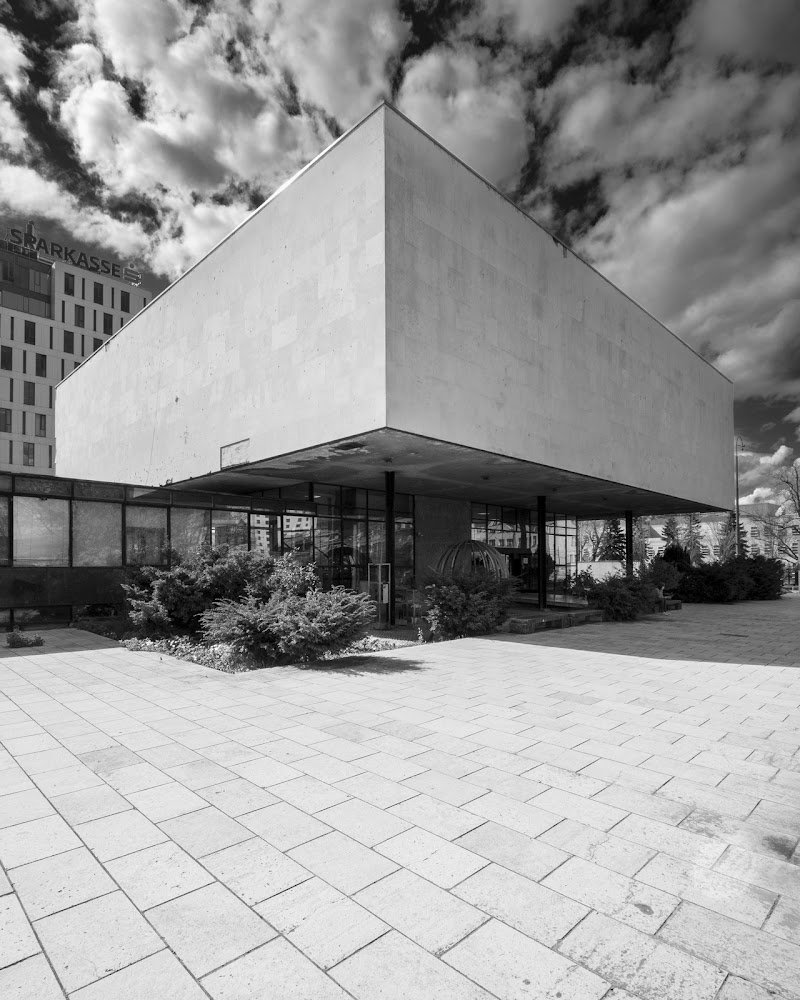
History Museum of Bosnia and Herzegovina
Google Places photo

History Museum of Bosnia and Herzegovina

Sarajevo, Bosnia and Herzegovina
i

History Museum of Bosnia and Herzegovina

Photo by Lorena

Where stories linger in glass cases and faded photos, the History Museum of Bosnia and Herzegovina sits as a vault of memory. Visitors find more than artifacts—they step into the living chapters of a country shaped by conflict, resilience, and hope. Through its exhibitions, the museum draws back the curtain on daily life, survival, and rebuilding after war, offering a space both sobering and inspiring. Families, students, and travelers gather on quiet afternoons, drawn to a building as storied as the city surrounding it.

Visiting Info

Currency
Entrance fee
10 BAM
Hours
Opening hours
Monday: 9:00 AM – 7:00 PM
Tuesday: 9:00 AM – 7:00 PM
Wednesday: 9:00 AM – 7:00 PM
Thursday: 9:00 AM – 7:00 PM
Friday: 9:00 AM – 7:00 PM
Saturday: 9:00 AM – 7:00 PM
Sunday: 9:00 AM – 7:00 PM

Contact Information

Location
Address
71000, Zmaja od Bosne 5, Sarajevo 71000, Bosnia and Herzegovina

Planning your visit

Even before arrival, a little preparation makes a trip to the History Museum of Bosnia and Herzegovina more rewarding. Located on Zmaja od Bosne street near Sarajevo’s main artery, the museum is easy to reach with public transport or even on foot from the city’s center. While entrance lines rarely get long, late mornings see fewer groups bustling through exhibits. Weekdays outside school holidays offer the calmest experience. Expect a visit to last about two hours, although those who linger over personal stories or artifacts may want more time. The museum’s Soviet-era building has been improved for accessibility, but some older sections might pose challenges for strollers or wheelchairs.

  • Best time to visit: Weekday mornings in spring or fall
  • How to get there: Tram number 3 or bus lines; a 20-minute walk from Baščaršija
  • Accessibility: Entry ramp and elevators available; some upper galleries less adapted
  • Average visit duration: 1.5–2 hours
Must see stuff

The museum’s power lies in its contrasts—ancient manuscripts beside bullet-ridden relics, echoes of hope balanced with tragedy. The main permanent exhibition, dedicated to the Siege of Sarajevo, stirs even seasoned travelers. Shelves of homemade radios, children’s drawings, and improvised stoves reveal the creativity that helped Sarajevans survive. Upstairs, displays cover Bosnia’s long history, from medieval kingdoms to more recent times. Photo corners, tucked next to broad windows, let sunlight flood in over original war graffiti. For those wanting deeper stories, rotating temporary exhibitions feature local artists and survivors’ voices.

  • Sarajevo under Siege: A moving display with real diaries, items from besieged homes, and personal photos.
  • Daily Life in Wartime: Creative adaptations for survival, like stoves made from tin cans or makeshift shoes.
  • Outdoor Courtyard: Original anti-aircraft bunkers, now quiet spaces for reflection or photos.
  • Temporary exhibitions: Thematic shows spotlighting specific communities, artists, or untold stories.
  • Hidden corners: Original wall graffiti and personal mementos discovered in less-visited rooms.
  • Photo-worthy locations: Panoramic window views over the city and evocative displays with urban art backgrounds.
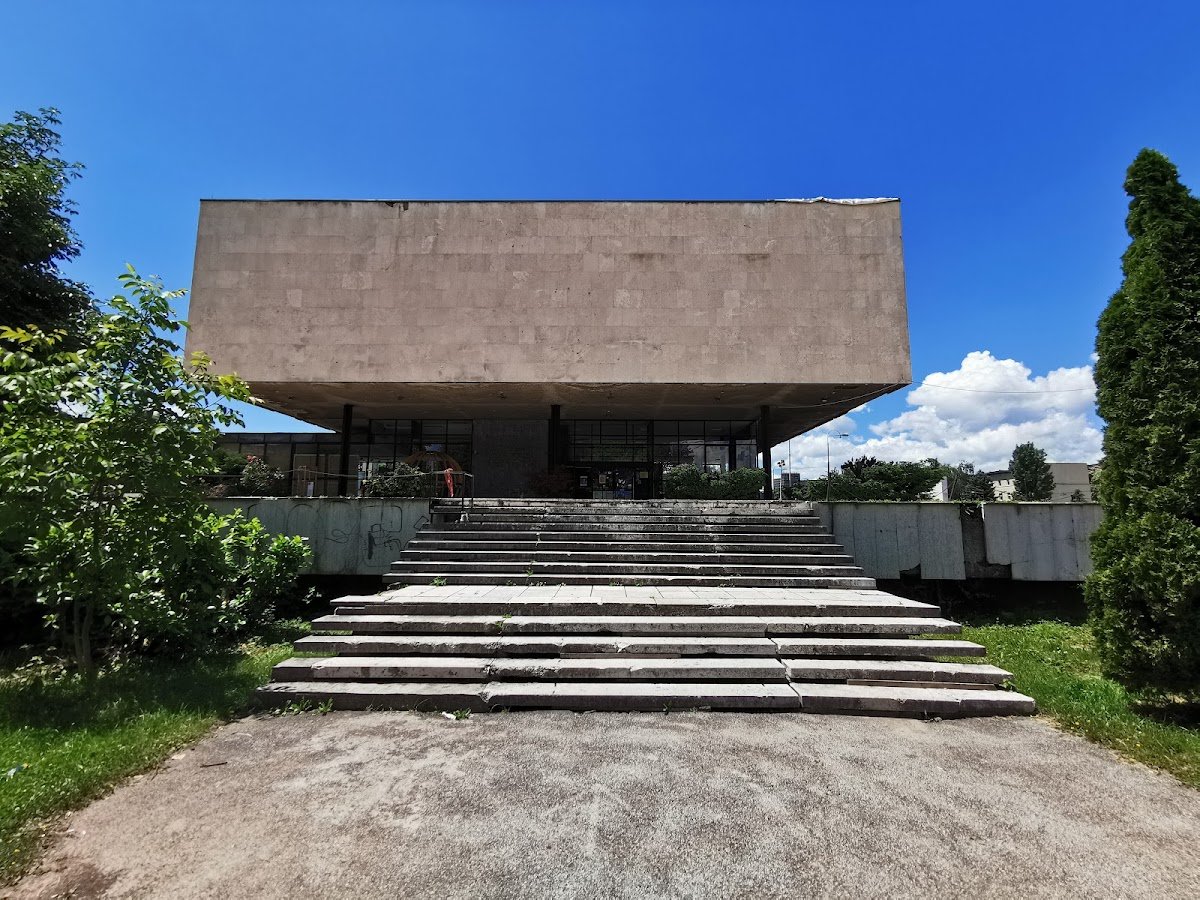
  • Cultural fact: The museum building, constructed in 1963, is itself a rare example of Yugoslav brutalist architecture.

Tips for your visit

Exploring the History Museum of Bosnia and Herzegovina works best with a sense of respect and curiosity. Crowds rarely pose problems, but lunch hours can bring in student groups. The indoor temperature can feel cool, especially in winter, so an extra layer is wise. Photography is allowed, but discretion keeps the experience respectful—many exhibits honor survivors rather than just serving as selfie backdrops. Most label text appears in Bosnian and English, though less so in older displays. Exhibits can feel emotionally heavy, so breaks in the courtyard or museum café help keep energy steady. The museum neighborhood hosts several relaxed bakeries for snacks or quiet reflection after a visit.

  • Best times to avoid crowds: Arrive before 11 a.m. or after 3 p.m. on weekdays
  • What to bring: Reusable water bottle, camera, a notebook for reflections
  • Local etiquette: Speak softly, and avoid flash photography near sensitive exhibits
  • Safety/comfort: Wear comfortable shoes for uneven flooring; bring an extra layer in cool seasons

Similar Attractions

History Museum of Bosnia and Herzegovina – Tickets, Hours & Visitor Guide