Google Places photo

Tunnel of Salvation

Sarajevo, Bosnia and Herzegovina
i

Google Places photo

Photo by Marcel

During Sarajevo’s darkest days, survival meant ingenuity. The Tunnel of Salvation, or Tunel Spasa, became a quiet hero for the besieged city, bringing hope where there was almost none. Today, visitors walk through both a remarkable piece of history and a living memorial, tracing the courage of thousands who relied on the passage below Sarajevo’s airport runway for food, medicine, and messages from the outside world.

Visiting Info

Currency
Entrance fee
20 BAM
Hours
Opening hours
Monday: 8:30 AM – 5:00 PM
Tuesday: 8:30 AM – 5:00 PM
Wednesday: 8:30 AM – 5:00 PM
Thursday: 8:30 AM – 5:00 PM
Friday: 8:30 AM – 5:00 PM
Saturday: 8:30 AM – 5:00 PM
Sunday: 8:30 AM – 5:00 PM

Contact Information

Location
Address
Tuneli 1, Sarajevo 71000, Bosnia and Herzegovina

Planning your visit

The Tunnel of Salvation sits in the Dobrinja neighborhood, just outside Sarajevo’s city center. While the location draws in school groups and travelers year-round, timing can change everything about the experience. Buying tickets at the entrance is easy, but guided tours sometimes fill up early. The area is well-connected to Sarajevo, but parking can be limited during weekends and peak travel months.

  • Best time to visit: Spring and autumn offer mild weather and smaller crowds; mornings are generally quieter any time of year.
  • How to get there: Take tram line 3 to Ilidža, then transfer to local bus 32 or a taxi for the last stretch. Guided tours from Sarajevo often include direct transport.
  • Accessibility: The museum is mostly accessible, but the original tunnel section can be challenging for those with mobility issues as ceilings are low and the floor is uneven. Most outside exhibits are flat and wide for wheelchairs and strollers.
  • Average visit duration: Plan for 1.5 to 2 hours, which gives time for exhibits, films, and walking the preserved tunnel section.
Must see stuff

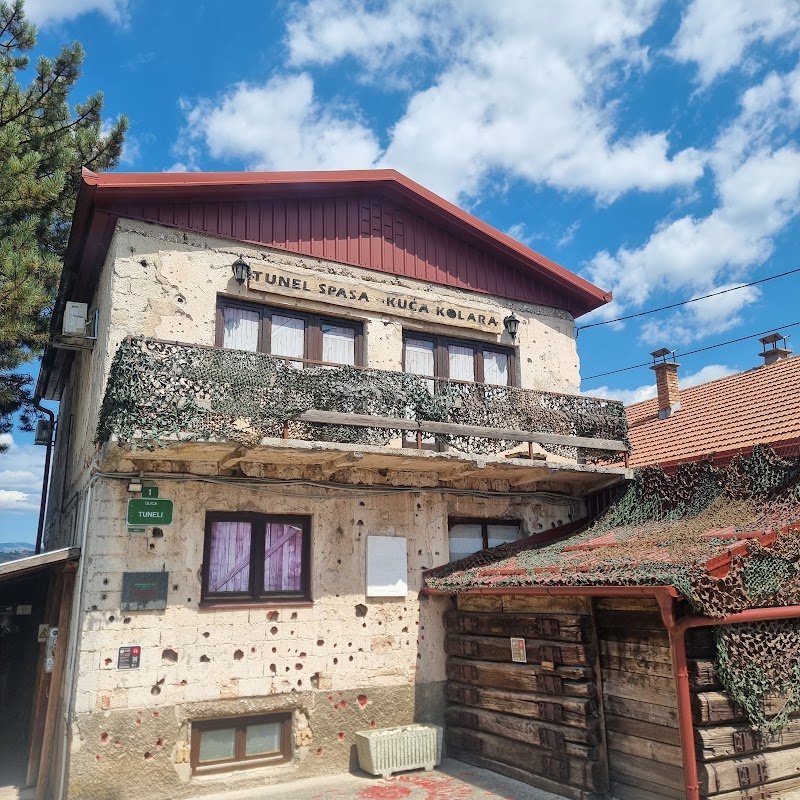
The star of the Tunnel of Salvation Museum is, of course, the tunnel itself. Walking through this narrow passage, visitors glimpse conditions under which Sarajevo citizens carried hope between divided city zones and the outside world. The house that hides the tunnel entrance now shelters personal stories, photos, and video testimony. Outside, curious travelers find old supply carts, army trucks, and a garden with wartime memorabilia. While many come seeking history, the setting in a quiet neighborhood, not a grand building, also helps visitors understand daily life during the siege.

  • The preserved tunnel section: Shuffle through nearly 20 meters of the original tunnel, ducking beneath its low, damp ceiling. It’s the single best way to imagine what people felt walking these same steps with precious cargo or news.
  • Multimedia exhibits: Explore photographs, artifacts, and film footage that deliver honest, unedited glimpses of siege life.
  • The house museum: The Kolar family’s home, which hid one tunnel entrance, now displays personal objects and explains how the family lived and worked through constant danger.
  • Garden displays: Find battered army vehicles and carts outside the museum building—perfect for gritty, memorable photos.
  • Local stories: Meet museum staff with firsthand or family memories of wartime Sarajevo. Their stories make the experience real and personal.
  • Historical facts: The tunnel stretched 800 meters under the airport runway, dug by hand in less than six months, often working in pitch darkness and freezing water.

Tips for your visit

Because the Tunnel of Salvation remains both a museum and a memorial, coming prepared helps the visit stand out for the right reasons. Mornings mean thinner crowds, and weekdays deliver more quiet space to read and reflect. The neighborhood around the tunnel still feels lived-in, so a bit of respect for local routines goes a long way. The museum shop offers locally made magnets and crafts at fair prices, while nearby small cafés serve thick Bosnian coffee and flaky pastries—worth a stop to round out the day. Be ready for cooler temperatures underground and clingy clay soil, especially after rain.

  • Arrive early: Crowds peak midday, especially in summer. Early visitors have time to linger, ask questions, and take photos without waiting.
  • What to bring: Comfortable walking shoes with good grip, a light jacket for the tunnel, and a camera with low-light settings.
  • Local etiquette: Speak softly inside exhibit rooms out of respect for the story and those who lived it. Photography is allowed in most areas but ask before snapping pictures of staff or other visitors.
  • Comfort advice: Mind your head and step in the tunnel section—the ceiling is low for most adults and the floor can get slippery during wet weather. Bring water, especially on hot days, and have some local cash for tickets since card machines may not always work.

Similar Attractions

Tunnel of Salvation – Tickets, Hours & Visitor Guide