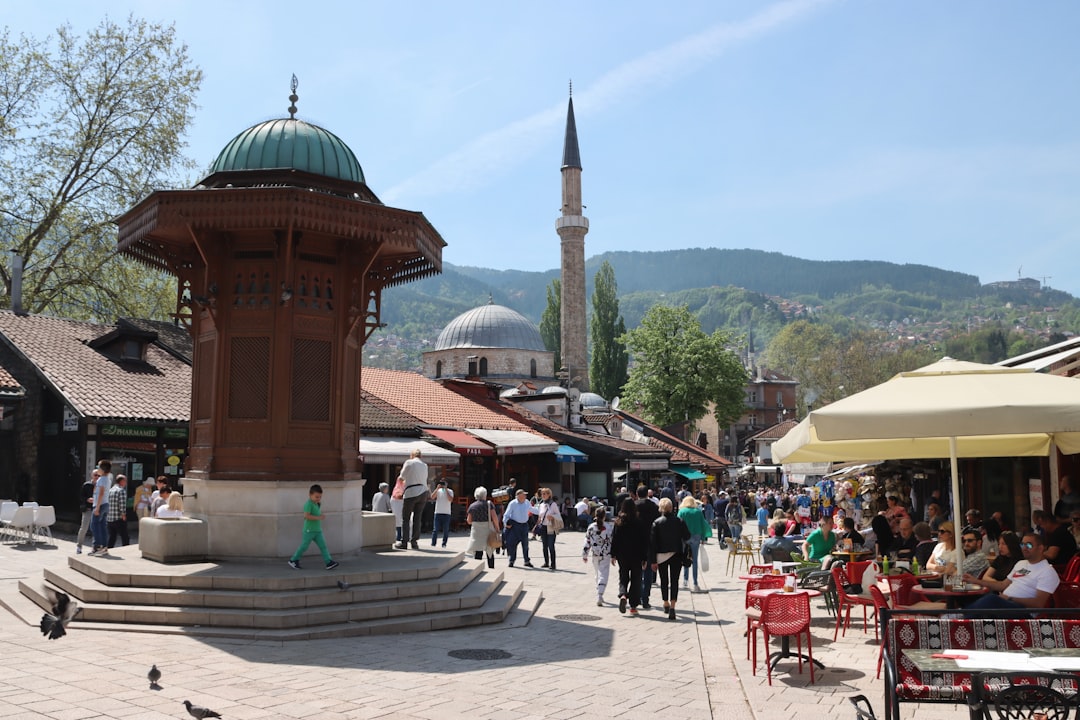
a group of people walking around a town square
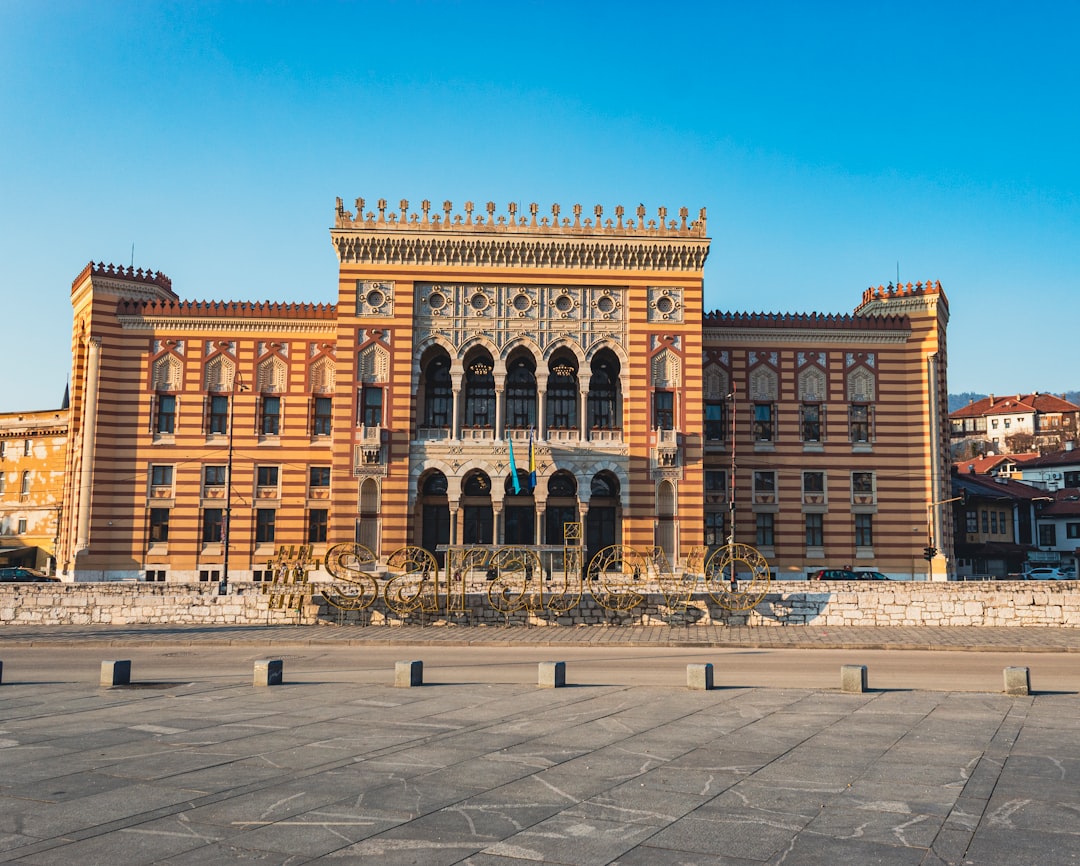
a large building with a clock tower in front of it
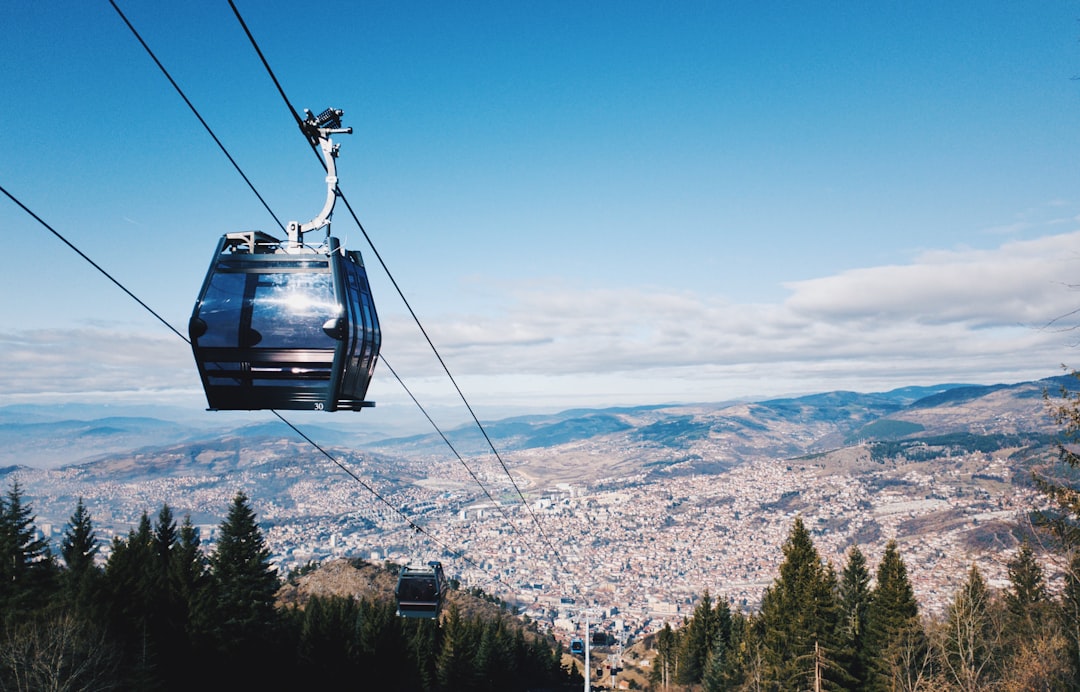
black cable car over green trees and mountains during daytime
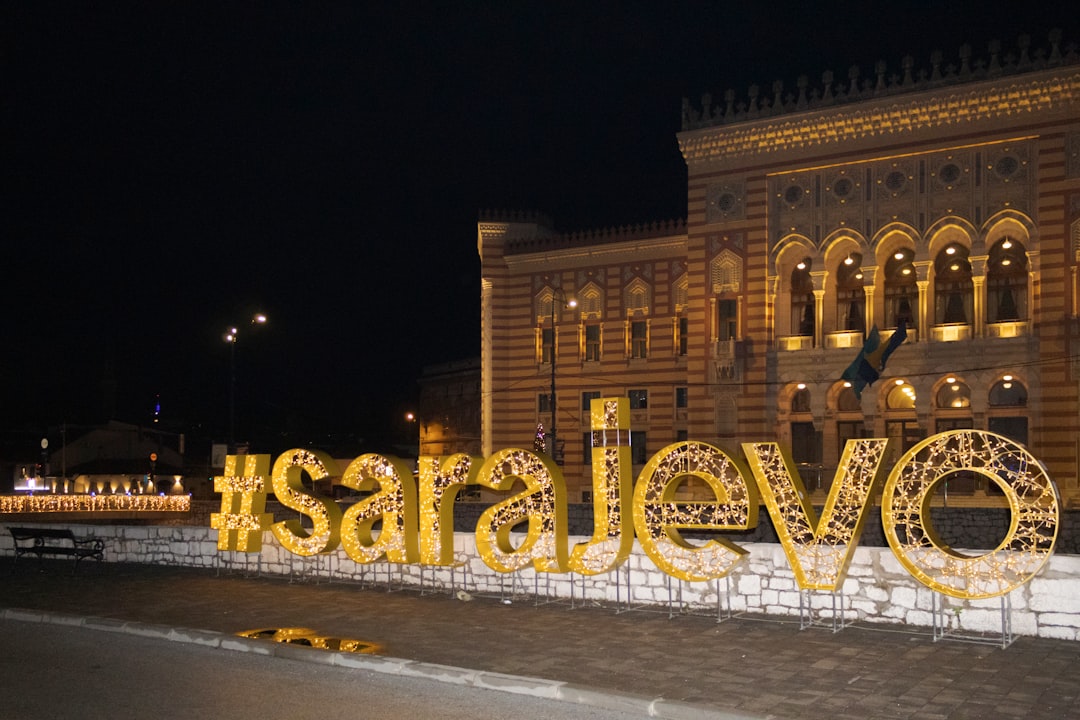
a large sign that says love is lit up in front of a building
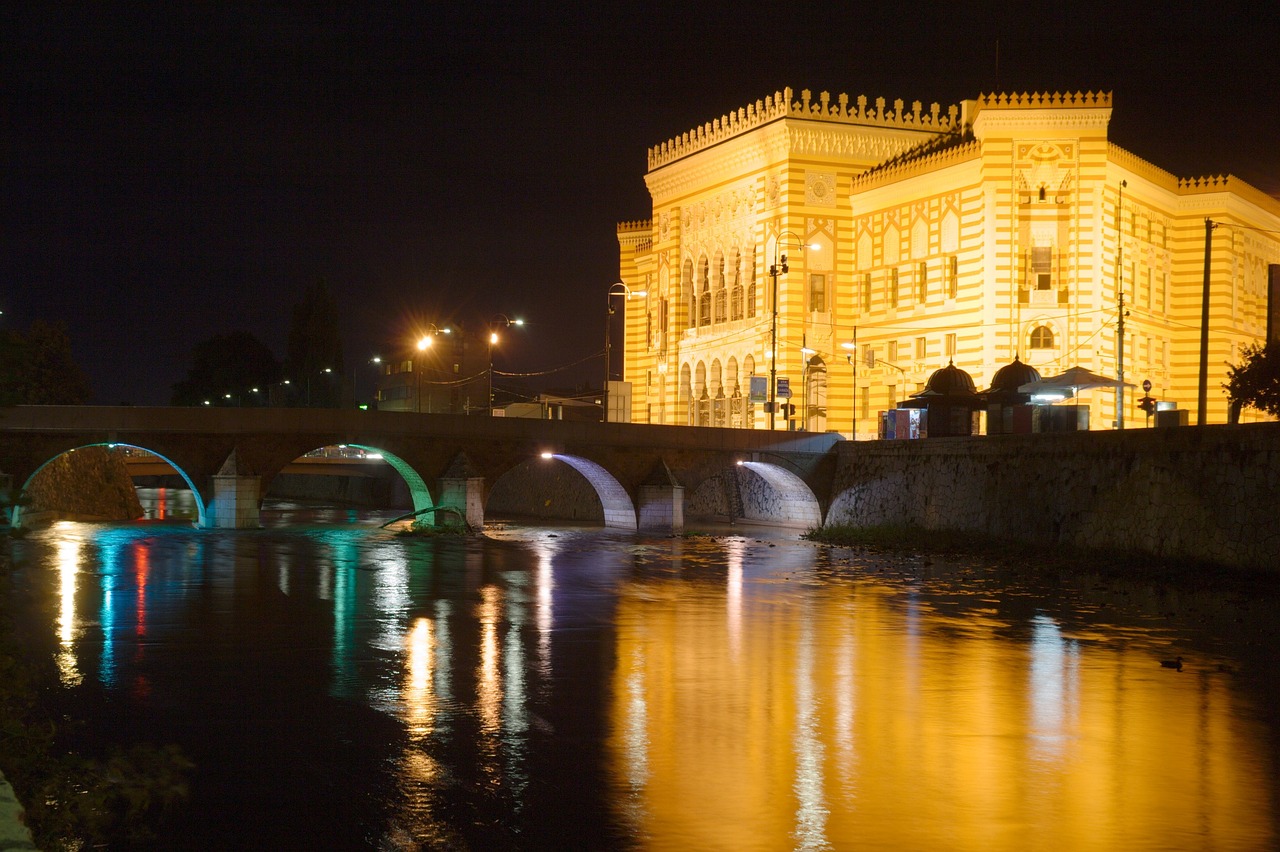
bosnia and herzegovina, bosnia, sarajevo, miljacka, bridge, town hall, old, building, sarajevo, sarajevo, sarajevo, sarajevo, sarajevo

Sarajevo

Bosnia and Herzegovina
CulturalIconic LandmarksHistoricalArt & ArchitectureReligious & Spiritual
i

a group of people walking around a town square

Photo by Hongbin

Arriving in Sarajevo feels like stepping into a living collage. The air carries the scent of grilled ćevapi from Baščaršija’s cobbled lanes, where brass workshops ring with steady hammering. Hills cradle the city, their slopes dotted with red-tiled roofs and minarets that stitch together East and West. Down by the Miljacka River, cafés spill onto pavements, perfect for people-watching over thick Bosnian coffee. Climb to the Yellow Fortress at sunset, the whole valley glows gold beneath you. In quieter corners, alleyway murals speak of a past both painful and resilient. Tram bells clatter through Marijin Dvor, while tucked-away courtyards hide tiny galleries and bookshops. Sarajevo wraps you in its story — layered, imperfect, endlessly human.

Quick Facts

currency
BAM
languages
Bosnian, Croatian, Serbian
airports
Sarajevo International Airport
size
Medium City
power
Type C, Type F
timezone
Central European Time (CET), UTC+1, UTC+2 in summer
safety
Safe
costs
Cheap

General Information

Safety indexSarajevo is generally considered a moderately safe city for tourists. Its safety index is around 50-60 out of 100, according to popular safety aggregator sites. Petty theft and pickpocketing can occur, especially in crowded areas and public transport, but violent crime is rare. As with any urban destination, it's recommended to stay alert and avoid isolated areas at night.

Best Time to TravelThe best time to visit Sarajevo is from May to September, when the weather is warm and pleasant, making it ideal for sightseeing and outdoor activities. During these months, the city hosts numerous festivals and events, and most tourist attractions are fully accessible.

Least crowded and still a good time to visitLate April and October are great times to visit Sarajevo if you wish to avoid crowds while still enjoying relatively good weather. Tourist numbers are lower, accommodation can be cheaper, and the city’s attractions remain open with fewer lines.

BudgetSarajevo is considered an affordable European destination. Budget travelers can expect to spend around 40-60 EUR per day, covering accommodation, meals, public transport, and minor attractions. Mid-range travelers might spend 80-120 EUR per day, which allows for better hotels and more dining options. Many museums and historic sites have low entry fees.

Healthcare and VaccinationsSarajevo has a range of healthcare facilities, including public hospitals and private clinics. Basic medical care is available, but the level of care may not always match Western European standards. It’s advisable to purchase travel insurance that covers medical expenses. No special vaccinations are required for Bosnia and Herzegovina, but standard travel immunizations (tetanus, hepatitis A/B, etc.) are recommended.

Visa RequirementsBosnia and Herzegovina allows visa-free entry for stays up to 90 days within 180 days for citizens of the EU, USA, Canada, Australia, the UK, and many other countries. Travelers from countries not eligible for visa-free entry must obtain a visa prior to travel. Passports must be valid for at least 3 months beyond the intended period of stay.

Weather in Sarajevo

°C°F
3290
2271
1152
133
-1014
Jan
Feb
Mar
Apr
May
Jun
Jul
Aug
Sep
Oct
Nov
Dec
3020100
Avg. min. temperature
Avg. max. temperature
Avg. precipitation days

First-time travelers

Standing on the edge of Europe, Sarajevo pulls travelers in with history and scars. There’s both weight and warmth. Memories of siege and resilience blend into every street. Each day in Sarajevo is a chance to witness survival and rebuilding in real time.

City Meets Mountain

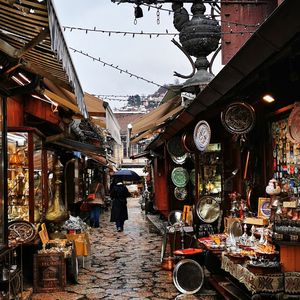
Your first morning here brings a blend of fresh mountain air and thick coffee aroma. The Miljacka River cuts the city in two, Ottoman-era lanes brush against Austro-Hungarian facades. Walk from Baščaršija—the old bazaar—into Ferhadija Street. Turn a corner, and the Ottoman mosque gives way to an Orthodox church, a synagogue, then a Catholic cathedral. Religions stand side by side, which tells you everything about this place.

For the best view, wind your way uphill to the Yellow Fortress. Sarajevo unfolds: red-brick rooftops, white minarets, misty green hills. Listen to the call to prayer and watch teenagers practicing skateboard tricks on the quiet ramparts. Let the city’s contrasts sink in.

First Taste of Sarajevo

Food here tells stories. Try ćevapi at Ćevabdžinica Željo, where tin plates clang and locals argue about football. Savor burek (meat-filled pastry) from a kiosk on a hidden side street. Don’t rush—Sarajevo’s pace is slow, reflecting lessons learned from hard times. Join an older man for Bosnian coffee, thick and strong, poured from a copper džezva into tiny cups. He might tell a war memory, or more often, a joke.

  • Climb to the Yellow Fortress at sunset.
  • Order ćevapi from a family-run spot.
  • Walk Ferhadija Street for city contrasts.
  • Pause at Sebilj Fountain to people-watch.

Sarajevo welcomes newcomers with a complicated heart. The city’s pain is visible, but so is hope. Both live in the laughter spilling from smoky cafés each evening.
Return travelers

The second visit changes things. Sarajevo no longer feels like a storybook or a lesson. This time, you find the gentle rhythm under its surface. The city invites you deeper, past the headline sites, into everyday life and hidden corners.

Layers Underneath the Surface

The city’s markets reveal themselves most in the early morning, when local grandmothers haggle for apples at Markale. Stroll through, listening to the chatter—Bosnian, Turkish, sometimes German. On a cool afternoon, wander through Ciglane’s outdoor escalators, leftovers from another era, or search for the forgotten Art Deco details on Tito Street facades.

Abandon the old town’s comfort and slip into Grbavica. Small bars, filled with cigarette smoke and laughter, serve as neighborhood living rooms. Join a table; locals welcome friendly faces—even old returners. Sink into a chestnut-colored Sarajevsko beer at Brewery HS, relishing malt and mountains in a mug.

An Insider’s Plate

Skip the famous ćevapi. Instead, order sogan-dolma—onion shells filled with meat—in a tucked-away mahala eatery. Sample tufahija, walnut-stuffed apples, in the pink-tiled Avlija café. Sarajevo rewards loyalty with layers of flavor.

  • Shop at Markale before breakfast for seasonal fruit.
  • Seek out Grbavica’s neighborhood bars for stories and Sarajevsko beer.
  • Order sogan-dolma in a less-touristed mahala restaurant.
  • Admire 1980s modernism on Tito Street.

Sarajevo’s spirit lives far from postcard views. Every return peels back another layer. The city welcomes you differently each time—more real, more honest, more alive.

Must-see locations

Google Places photo
i

Google Places photo

Photo by N S

Baščaršija

Stone-paved lanes in Baščaršija buzz with market stalls, copper workshops, and coffeehouses. Ottoman mosques, like Gazi Husrev-beg Mosque, mix with Austro-Hungarian details. Lively evenings, smoky ćevapi grills, friendly chatter.

Learn More
Google Places photo
i

Google Places photo

Photo by Hamza Hafez

Sebilj

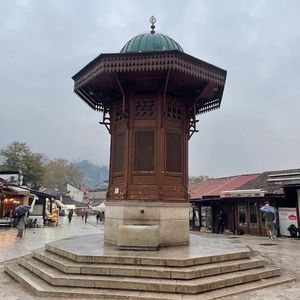
In Baščaršija Square, Sebilj fountain draws crowds with wooden Ottoman style. Here, pigeons flock and coffee aromas drift from surrounding cafes. Locals share stories while evening calls to prayer mix with city sounds.

Learn More
Google Places photo
i

Google Places photo

Photo by Marcel

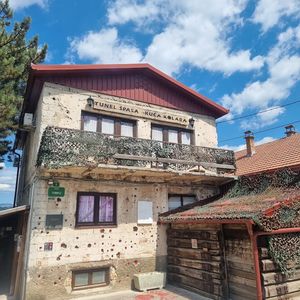
Tunnel of Salvation

Experience Sarajevo’s wartime spirit at the Tunnel of Salvation, where a narrow passage once connected besieged neighborhoods and brought hope. View wartime exhibits, walk a preserved tunnel section, and hear stories of resilience.

Learn More
Google Places photo
i

Google Places photo

Photo by Google Places

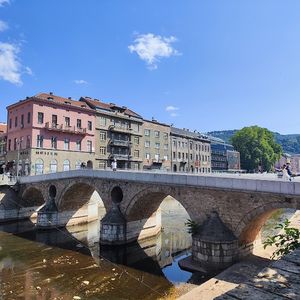
Latin Bridge

Sitting over the Miljacka River, Latin Bridge connects Sarajevo’s busy Baščaršija with old streets, offering city views and a vivid sense of history—famous as the site where Archduke Franz Ferdinand was assassinated in 1914.

Learn More
Ilidža Thermal Riviera
i

Ilidža Thermal Riviera

Photo by Dule Si

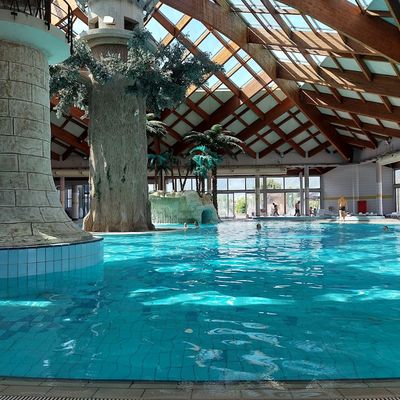
Ilidža Thermal Riviera

Ilidža Thermal Riviera in Sarajevo blends lush parks, soothing mineral pools, and panoramic views of Mount Igman. Families splash in indoor and outdoor waterparks, relax under centuries-old chestnut trees, and enjoy local cafes nearby.

Learn More

How to get there

By air

Sarajevo International Airport (SJJ) is the primary gateway for air travel to Sarajevo, with regular direct flights from major European cities. The airport is located about 8 km from the city center.
Options to get to town:
Taxi
Price:
30-40 BAM (approx. €15-20)
Duration:
20-30 minutes
Where to buy:
Taxi rank outside arrivals; pay the driver (certified taxis recommended)
Airport bus
Price:
5 BAM (approx. €2.50)
Duration:
30-40 minutes
Where to buy:
Tickets sold on the bus
Train/shuttle
Price:
No direct train connection from airport
Duration:
Where to buy:

By train

Sarajevo has rail connections with a limited number of cities inside Bosnia and Herzegovina, such as Mostar and Zenica. International train service is very limited, so most travelers from abroad use train only from stations within Bosnia and Herzegovina.
Useful websites for train tickets:

By car

Sarajevo is accessible by well-maintained highways and regional roads from Croatia, Serbia, and Montenegro. Road conditions are generally good, though mountain routes are winding. Ensure that your vehicle insurance covers Bosnia and Herzegovina (the 'Green Card').
Additional charges to be aware of:
Toll / vignette / emission sticker
Cost:
Variable highway tolls (e.g., A1 motorway: 10-20 BAM for typical routes)
How to pay:
Pay at toll booths (cash or card)
Other driving costs
Cost:
Border insurance if Green Card is missing: 40-60 BAM
How to pay:
At the border crossing

How to get around

Public transport

Public transport in Sarajevo primarily consists of trams, buses, and trolleybuses, operated by GRAS Sarajevo. The network covers most city areas and is an affordable way to get around. Tickets must be validated upon boarding, and fines apply if you're caught without one.

Ticket options:
Ticket TypePriceWhere to buy
Single ticketApprox. 1.60 BAM (on kiosk), 1.80 BAM (from driver)Newsstands (kiosk) or directly from the driver
Day passApprox. 5.30 BAMNewsstands (kiosk) or GRAS ticket offices

Taxis & ridesharing

Taxis are widely available and reasonably priced within Sarajevo. Ridesharing services like Bolt also operate in the city, providing an easy alternative to hailing a taxi. Always look for vehicles with a visible taxi sign, and insist on the meter being used to avoid disputes.

Service providers:
ProviderPriceHow to book
Local taxiStarting from 1.50 BAM, plus approx. 1 BAM per kmHail on the street or call local taxi companies
Ridesharing appVaries by distance, usually similar to taxisVia Bolt app

Car rental

Car rentals are available from both international and local agencies, suitable for exploring regions outside of the city. Keep in mind that Sarajevo's old town has narrow streets and limited parking, making a car less ideal for city center trips.

Rental options:
ServicePriceHow to book
Daily rentalFrom 40 BAM per dayAt the airport, city branches, or major online booking platforms
Weekly rentalFrom 250 BAM per weekAt the airport, city branches, or major online booking platforms

Bike & scooter rental

Bikes and electric scooters can be rented at several locations in the city, especially near parks and the Miljacka River. While Sarajevo’s center is compact, be aware of some hilly terrain. Scooters are a fun way to explore flat areas and riverside paths.

Rental options:
ServicePriceHow to book
Bike rentalFrom 15 BAM per dayBike rental shops or hotel desks
Scooter rentalFrom 20 BAM per daySpecialized rental shops or through app-based services

What to eat

Steam rises from gleaming copper cups. The air is warm with the scent of wood smoke and roasting meat. Sarajevo’s ancient streets thrum with energy, from early morning bread queues to late-night burek takeaways. Here, hunger is rewarded at every corner. Taste is anchored in history—Ottoman, Austro-Hungarian, and Balkan influences wrapped in hospitality. Families pass recipes by word of mouth. The result is a food scene that feels lived-in and layered, as comfortable as a favorite jacket and as surprising as a hidden alleyway. Sarajevo welcomes you to its table, where every meal is a handshake.

Signature Dishes

  • Ćevapi: Small, juicy beef sausages, tucked inside fresh somun bread, showered with raw onion. The taste? Smoky, tender, and pure Balkan comfort. Don’t miss them at Zeljo or Hodžić.
  • Burek: Flaky pastry coiled with seasoned minced beef or cheese. Rich, savory, and hearty—try it piping hot from Sač buregdžinica.
  • Sogan-dolma: Onions stuffed with spiced meat and rice, slow-cooked in tomato sauce. Sweetness from the onions, depth from the sauce; a nostalgic Ottoman classic.
  • Begova čorba: Thick Bosnian stew of chicken, vegetables, and slow-simmered okra. Silky broth, comfort in a bowl, and best enjoyed with homemade bread.

Street Food & Markets

Baščaršija Market buzzes with life. Spit-roasted lamb greets you from butcher stalls. Food carts sizzle with uštipci, tiny fried dough bites, sometimes stuffed with kajmak cheese. Sjedište Bakery sends up aromas of fresh somun. Near Markale, women sell fruits by the crate. Vendors ladle steaming grah (bean stew) in metal bowls. Watch for lines—they point to the best spots. Prices stay fair, but touristy cafes creep into the old town, inflating for the view. For honesty, find tucked-away bakeries or follow the locals at lunch.

Sweet Treats & Drinks

Sarajevo’s sweet table overflows. Tufahija—poached apples, stuffed with walnuts, swimming in syrup. Hurmašice—soft cookies soaked in honey syrup. Sit at a corner café and sip strong, gritty Bosnian coffee poured from a džezva, the city’s copper coffee pot. Or taste rakija, a plum or pear brandy with a fiery finish—always offered with a smile, often homemade.

Why Travelers Eat Here

  • Fusion of East and West—the crossroads of Ottoman, Mediterranean, and Central European flavors.
  • Street food served fast, fresh, and affordable, perfect for exploring on foot.
  • Market culture thrives—all senses engaged, from lively sales calls to robust aromas.
  • Hearty comfort food, famously generous portions, and genuine hospitality in family-run spots.

In Sarajevo, every plate is a memory. Each corner offers tradition alive. You taste history here—one bite at a time.

Top Rated Restaurants

Bistro Grappa

Bistro Grappa

4.9 (142 reviews)
$$
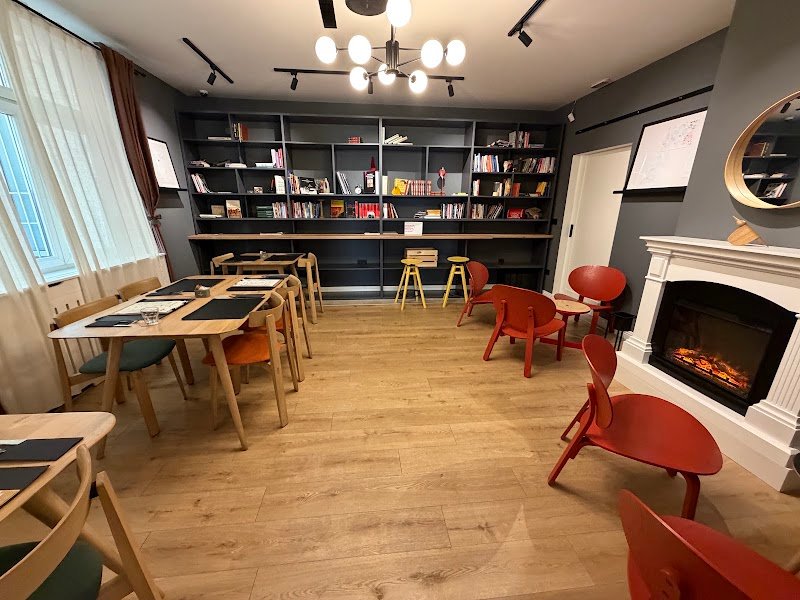
LocationObala Kulina bana 10, Sarajevo 71000, Bosnia and Herzegovina
habitus

habitus

4.8 (632 reviews)
$$
LocationPruščakova 8, Sarajevo 71000, Bosnia and Herzegovina
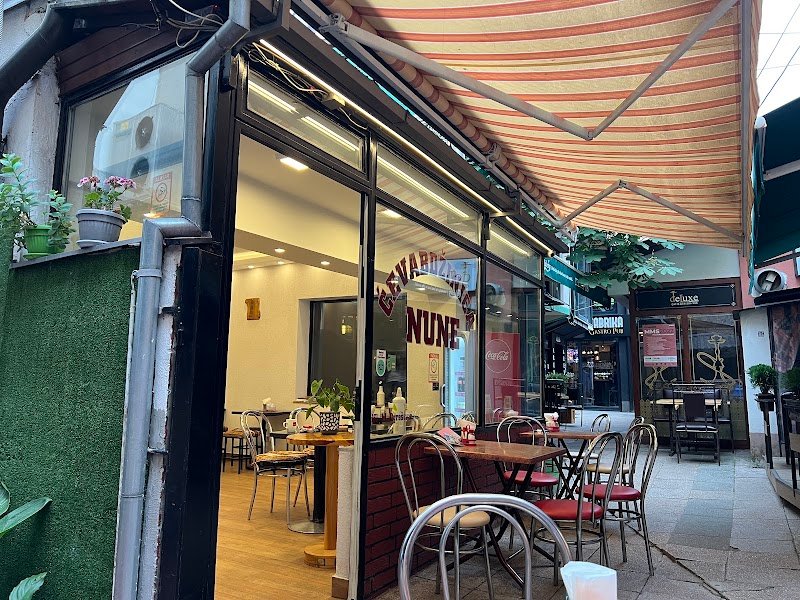
Ćevabdžinica Nune

Ćevabdžinica Nune

4.8 (5.5k reviews)
$$
LocationFerhadija 12, Sarajevo 71000, Bosnia and Herzegovina
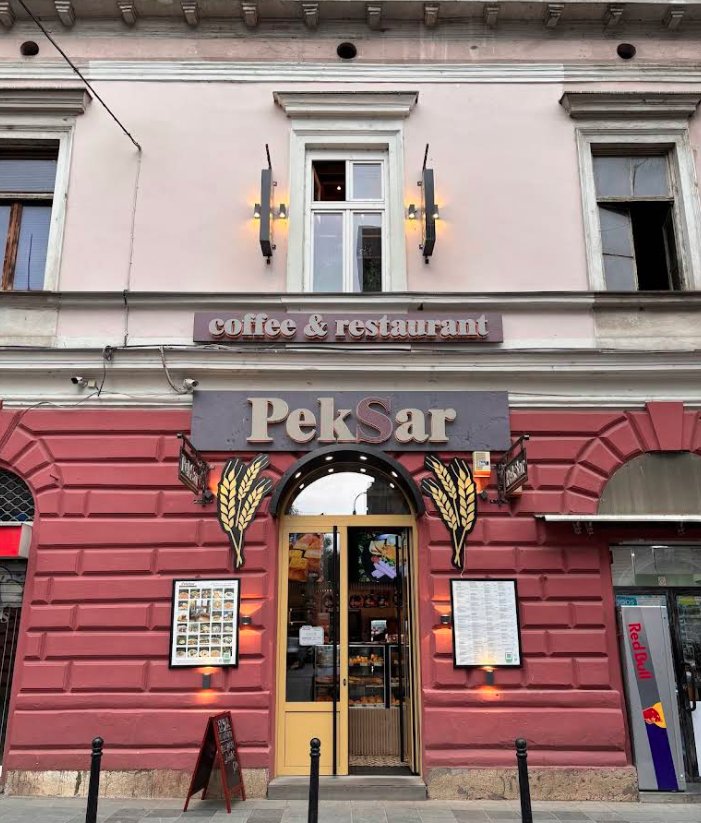
PekSar

PekSar

4.8 (555 reviews)
$$
LocationZelenih beretki 28, Sarajevo 71000, Bosnia and Herzegovina
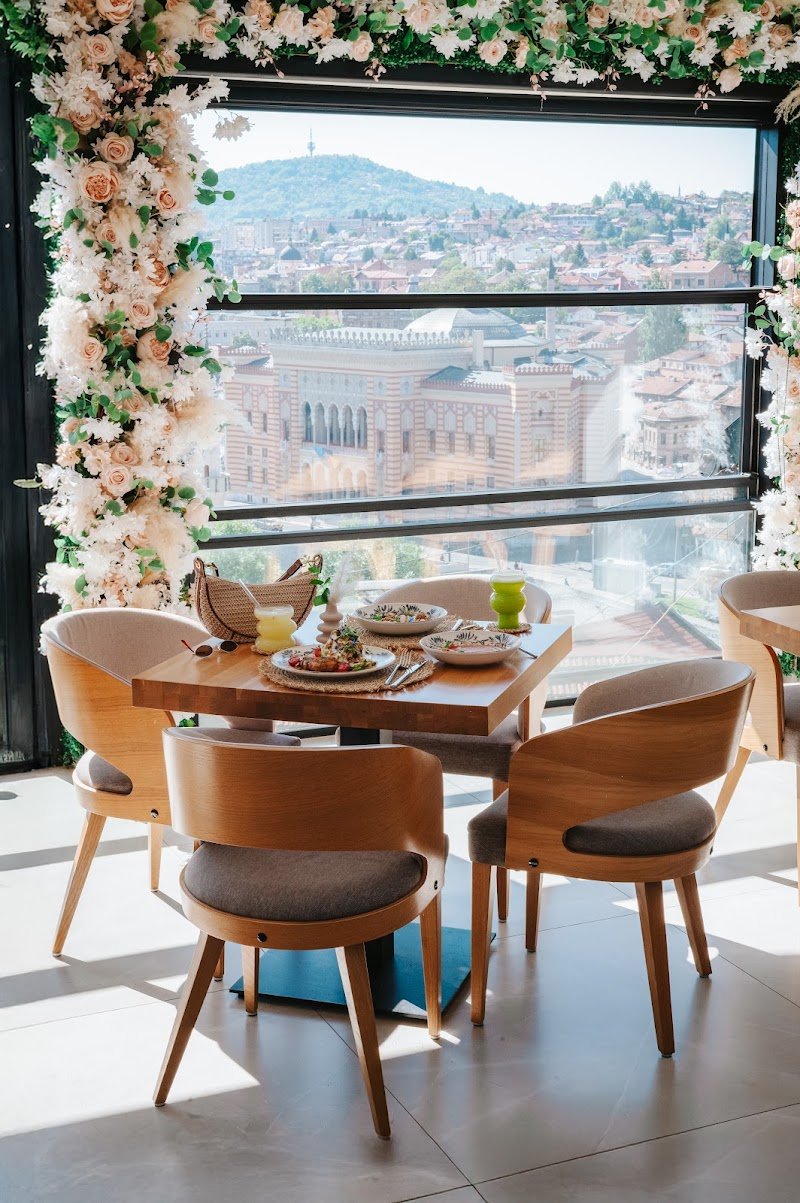
City View Sarajevo

City View Sarajevo

4.7 (469 reviews)
$$
LocationPodcarina 1, Sarajevo 71000, Bosnia and Herzegovina

Accommodations

In Sarajevo, the overnight calm often belies the city’s ongoing rhythm. Here, the calls to prayer echo over Austro-Hungarian facades. Choosing where to stay shapes much more than your nightly routine. I still remember my first sunrise stroll, realizing how different mornings feel in Baščaršija versus Marijin Dvor. The city’s spirit shifts from street to street, so your bed for the night matters more than in many capitals.

Neighborhood Overview

  • Baščaršija: Sarajevo’s historic heart buzzes with life. Cobbled alleys wind around Ottoman-era mosques, bakeries, and souvenir shops. Ideal for first-timers who want coffee at sunrise and lively bazaars by sunset. This area gets crowded, so light sleepers should reconsider.
  • Ferhadija & The Center: Stretching from the Old Town’s edge, this pedestrian boulevard mixes Austro-Hungarian charm with modern retail. Younger travelers and groups love the bars, easy transport, and people-watching. Nightlife can feel raucous, but mornings are serene.
  • Marijin Dvor: Sarajevo’s business and cultural district feels orderly and elegant. Families and professionals enjoy wide avenues, museums, and apartment blocks. This zone is quieter at night, a short tram ride from Old Town bustle.
  • Grbavica: South of the river, Grbavica feels local and laid-back. Cafés and parks line leafy streets, attracting longer-term visitors and returning Sarajevans. Accommodations here tend to be affordable, with a slower daily pace.

Types of Accommodation

  • Boutique hotels (Hotel Europe, Hotel Story): Expect unique decor, local breakfasts, and rates between $70–150. Good for couples and solo travelers seeking comfort without major chains.
  • Guesthouses and pensions (Pansion Stari Grad, Hostel Franz Ferdinand): Family-run, cozy, and affordable (from $35–60). Often in historic buildings, these suit backpackers and travelers craving local insight.
  • Short-term apartments (Airbnb, Booking.com studios): Found citywide, with prices ranging $30–80. Ideal for families or those staying more than three nights.

Insider Tips for Booking

In peak summer and during Sarajevo Film Festival (August), book at least two months ahead. Prices may jump, especially in Baščaršija. Local taxes (about $2 per person/night) are seldom included, so check before confirming. Many hosts offer discounts for cash payments.

Evening lights shimmer along the Miljacka, and a hint of woodsmoke drifts over rooftops. Sarajevo’s warmth lies not only in coffee or baklava, but in each host’s welcome. Where you rest shapes the stories you’ll tell once you leave.

Sarajevo Travel Guide - What to See, Do & Eat