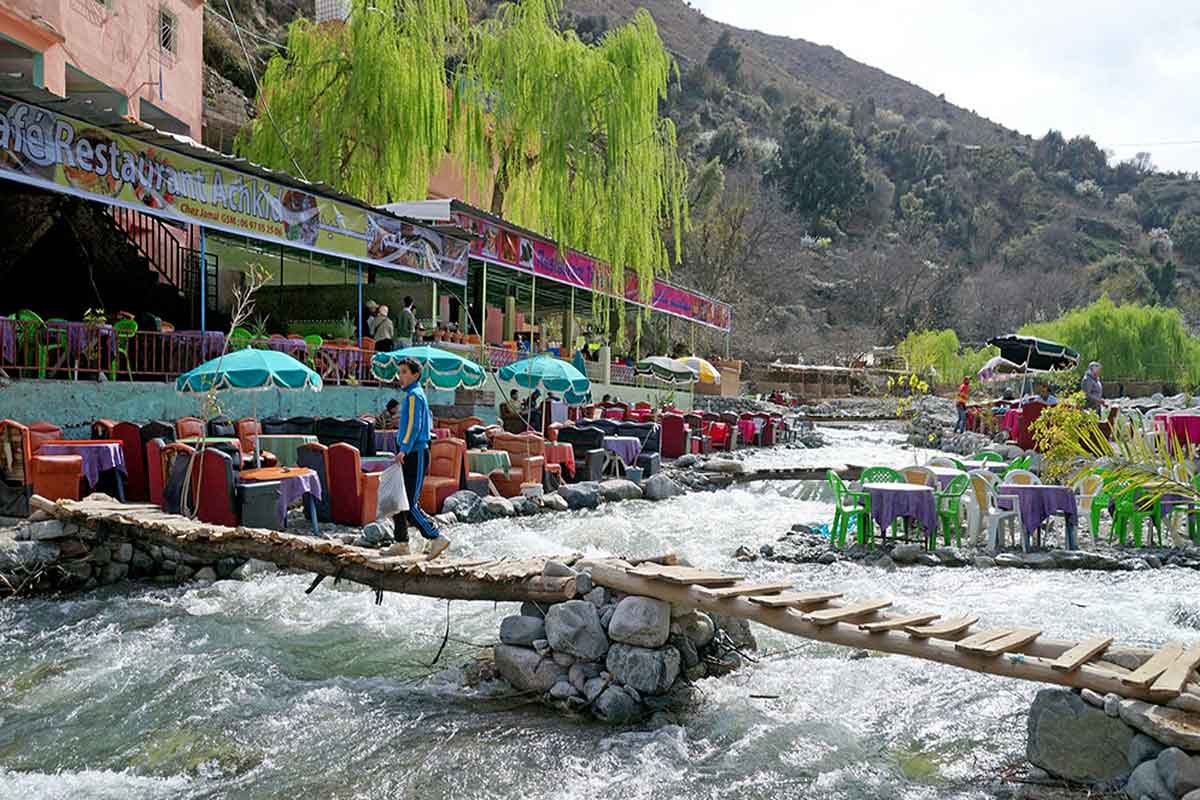
Beautiful view of Setti Fadma

Setti Fadma

Marrakesh, Morocco
i

Beautiful view of Setti Fadma

Tucked in the lush Ourika Valley, Setti Fadma frames the foothills of the High Atlas Mountains beyond Marrakech. Villages hug steep hillsides. Poplar trees and walnut groves cast shifting patterns of shade. Known for cascading waterfalls and cool riverbanks, this Berber hamlet balances serene nature with warm, day-tripper energy. Day by day, the rushing water and laid-back pace invite slow discovery—a clear contrast to the red, busy streets of Marrakech.

Visiting Info

Currency
Entrance fee
Free
Hours
Opening hours
Monday: Open 24 hours
Tuesday: Open 24 hours
Wednesday: Open 24 hours
Thursday: Open 24 hours
Friday: Open 24 hours
Saturday: Open 24 hours
Sunday: Open 24 hours

Contact Information

Location
Address
Marrakesh 40000, Morocco

Planning your visit

Planning a journey to Setti Fadma means thinking about timing and transport. This valley town welcomes visitors year-round but feels freshest in spring, when snows melt and waterfalls roar. The road from Marrakech winds through farmland and villages; taxis and private drivers are common. Buses reach as far as Ourika, leaving a short hop to Setti Fadma. Crowds gather near the waterfalls, so early arrivals find quieter trails. No tickets needed; the charm is open to all.

  • Best time to visit: Spring (March-May) or early mornings in summer for cool hiking and flowing waterfalls
  • How to get there: One-hour drive from Marrakech; options include shared taxis, private car hire, or organized tours
  • Accessibility: Paved roads reach the main village; some hiking paths are rocky and steep, less suitable for limited mobility
  • Average visit duration: Four to six hours for waterfalls, lunch, and a stroll (longer for full hiking or picnics)

Must see stuff

Any visit to Setti Fadma starts with the famous waterfalls that tumble down the mountain. Shaded trails hug the river’s edge, crossing stone bridges and climbing rocky outcrops. Near the village, family-run cafes perch above tumbling streams; some let diners dip bare feet in the water. Away from busy paths, smaller waterfalls and mossy pools invite quiet reflection. The valley hosts Berber markets on Mondays—color, noise, and smells of mountain produce fill the air. For the curious, a visit to the local mosque or a side trip to the mountain salt mines brings deeper understanding of life here.

  • Key sights: The first, second, and third waterfalls; panoramic mountain views
  • Unique experiences: Sip mint tea on a terrace café above the stream; join a local Berber market
  • Photo-worthy spots: Riverside boulders, bridges draped in prayer flags, waterfall plunges
  • Cultural facts: The area is home to Amazigh (Berber) families; local guides share stories of history, legends, and everyday life

Tips for your visit

Navigating Setti Fadma goes best with a little preparation. The waterfalls attract many visitors on weekends and during school holidays. Sturdy shoes matter—rocky paths and slippery stones demand sure footing. Locals welcome photos, but asking first shows respect. Modest clothing earns smiles in village areas. Harness the shade: the valley can heat up fast. Picnic baskets, light rain jackets, and water bottles keep everyone happier, especially with children in tow. Local guides offer safe navigation to upper waterfalls for a modest fee—a good investment. Stalls sell trinkets and pastries, but most prefer to bring some small bills for tips or snacks.

  • Best times to avoid crowds: Early morning on weekdays
  • What to bring: Water, snacks, camera, sturdy walking shoes, sunscreen, and a hat
  • Local etiquette: Ask before taking photos; wave or greet shopkeepers with "Salam"
  • Safety or comfort: Watch for slippery stones by the falls; small children need close supervision near water and steep trails