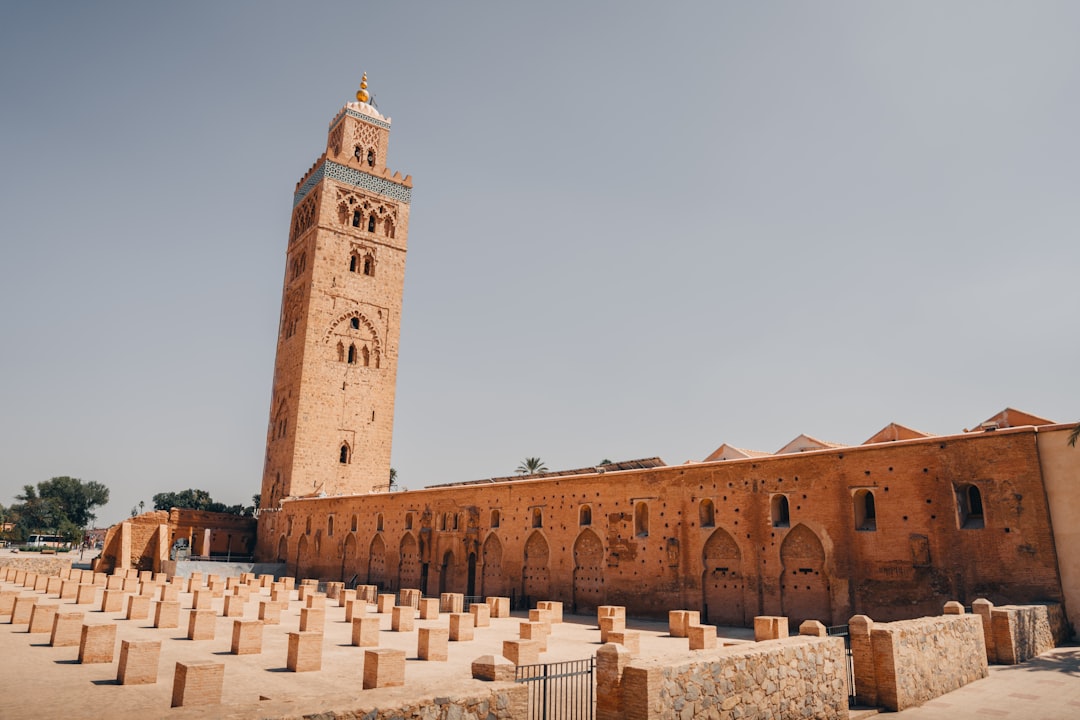
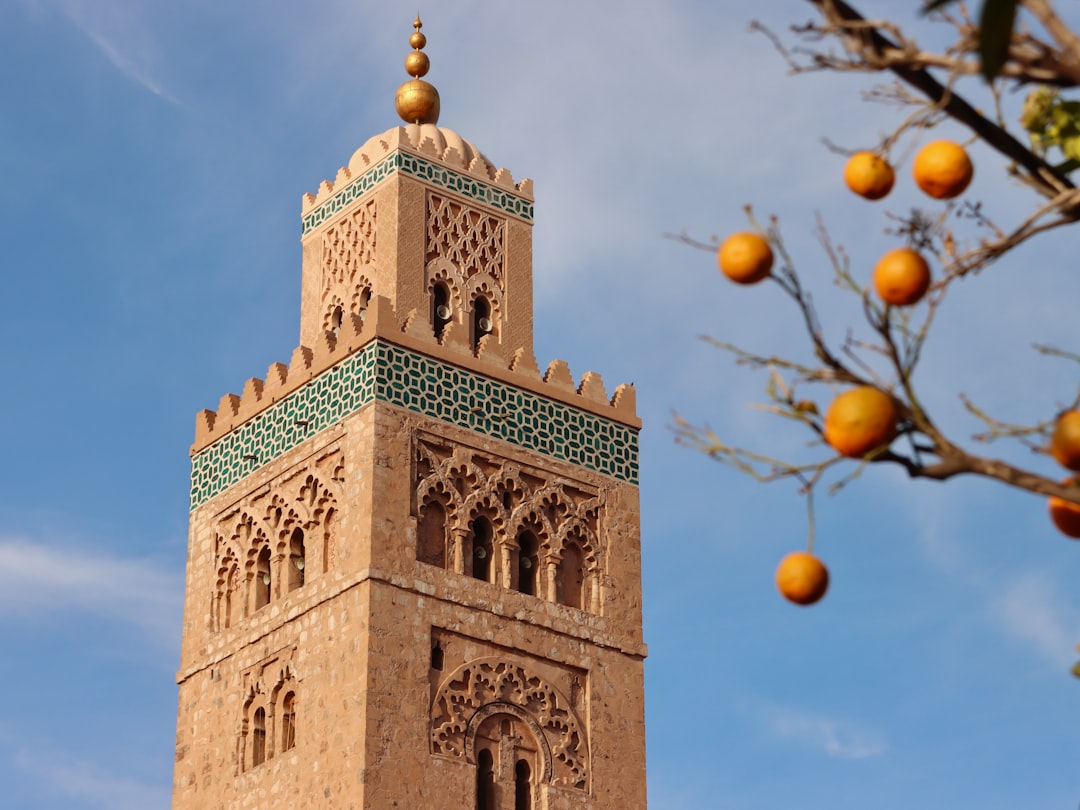
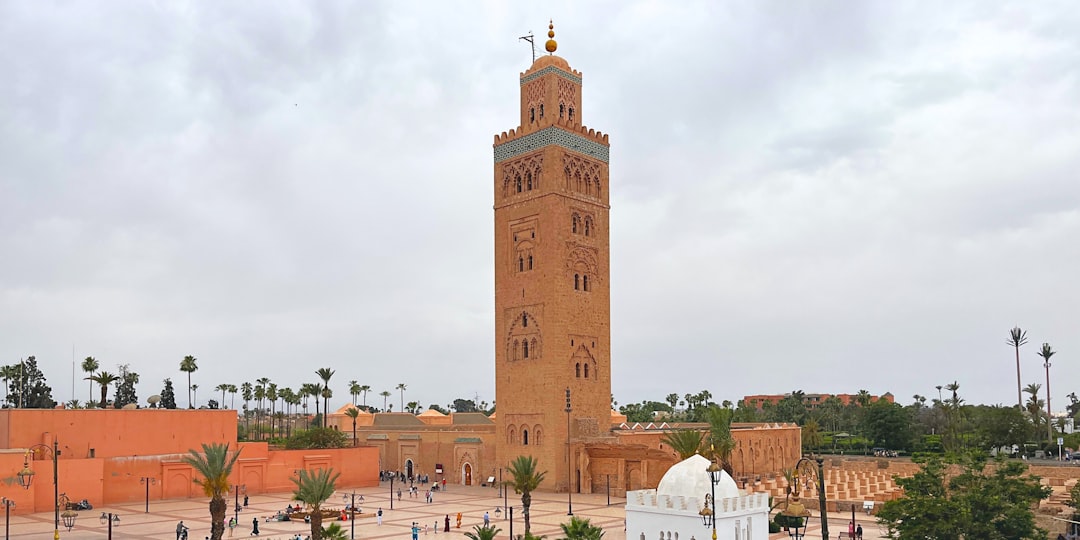
Tall minaret and courtyard of a historic mosque.
A tall tower with a clock on the top of it
a tall clock tower towering over a city

Koutoubia

Marrakesh, Morocco
i

Tall minaret and courtyard of a historic mosque.

Photo by Peter Thomas

Rising above the red walls of Marrakesh, the Koutoubia Mosque stands as a bold testament to Moroccan architecture and history. Its minaret, crowned with copper orbs, calls out across bustling boulevards and shaded gardens, guiding both locals and travelers toward adventure. Surrounded by fragrant orange trees, lively market chatter, and centuries-old stories, the Koutoubia offers much more than just a pretty skyline. Here, ancient tradition and daily life blend, creating an unforgettable destination at the heart of Marrakesh.

Visiting Info

Currency
Entrance fee
Free

Contact Information

Location
Address
Marrakesh 40000, Morocco

Planning your visit

Getting the most out of a trip to the Koutoubia Mosque means thinking ahead. With its prime location near Djemaa el-Fna square, reaching this landmark is a breeze whether going on foot, by taxi, or via horse-drawn carriage. No ticket is needed for the mosque’s exterior or gardens, but non-Muslim travelers cannot enter the prayer hall itself. The area can get busy, especially during holidays and prayer times. To catch the site at its most peaceful, arrive early or just before sunset. Don’t forget sun protection, as summer heat often lingers into late afternoon.

  • Best time to visit: Early morning, late afternoon, or during the mild spring and fall months.
  • How to get there: Walk from the Medina, grab a petit taxi, or hop on a city bus to Djemaa el-Fna, then follow signs or local advice.
  • Accessibility: The gardens and pathways are mostly flat, making them manageable for strollers and wheelchairs. Shaded benches offer rest for seniors and families.
  • Average visit duration: About 30–60 minutes, longer with a guided tour or stroll in adjacent gardens.

Must see stuff

Koutoubia’s minaret rises 77 meters above the city—a striking sight from almost anywhere in the old town. Linger outside to admire the intricate, honeycomb plasterwork and classic horseshoe arches. In the surrounding gardens, orange blossoms perfume the air and locals pause for afternoon chats. Many travelers overlook the ruins of a previous mosque beside the main structure or the centuries-old sunken gardens off to the side. Stay until dusk for a view of the mosque bathed in golden light, with the Atlas Mountains rising beyond.

  • Minaret: Snap a photo of this iconic, 12th-century tower—one of the most photographed spots in Morocco.
  • Gardens: Wander under palm and citrus trees, and watch local families gather for picnics or afternoon prayers.
  • Historic ruins: Notice the foundations of the earlier mosque, offering a quiet contrast to the big crowds.
  • Sunset views: Near the west side, enjoy sweeping sunset colors as the call to prayer echoes across Marrakesh.
  • Cultural gem: Ask a guide, or read posted signs to learn how Koutoubia inspired later buildings—in Seville and Rabat, for example.

Tips for your visit

Planning ahead transforms a simple photo stop into a highlight of any Marrakesh journey. To sidestep crowds, aim for weekdays, and avoid Friday prayers when locals flock to the site. Covered shoulders and knees are a must as the mosque is an active place of worship. Shade can be scarce at midday, so sunglasses and a refillable water bottle go a long way. Street vendors may approach near the mosque, but most accept a polite "no thanks." While pickpocketing is rare, keeping an eye on valuables is always wise in busy city areas.

  • Beat the crowds: Mornings before 10 a.m. or evenings are quieter.
  • Pack smart: Bring sun protection, a camera, and comfortable shoes for exploring uneven old-stone paths.
  • Respect local customs: Dress modestly, and avoid photographing people at prayer without permission.
  • Comfort & safety: Shops sell bottled water nearby, and benches in the gardens offer shady relief. Keep bags zipped and carried in front in crowded areas.