building near body of water
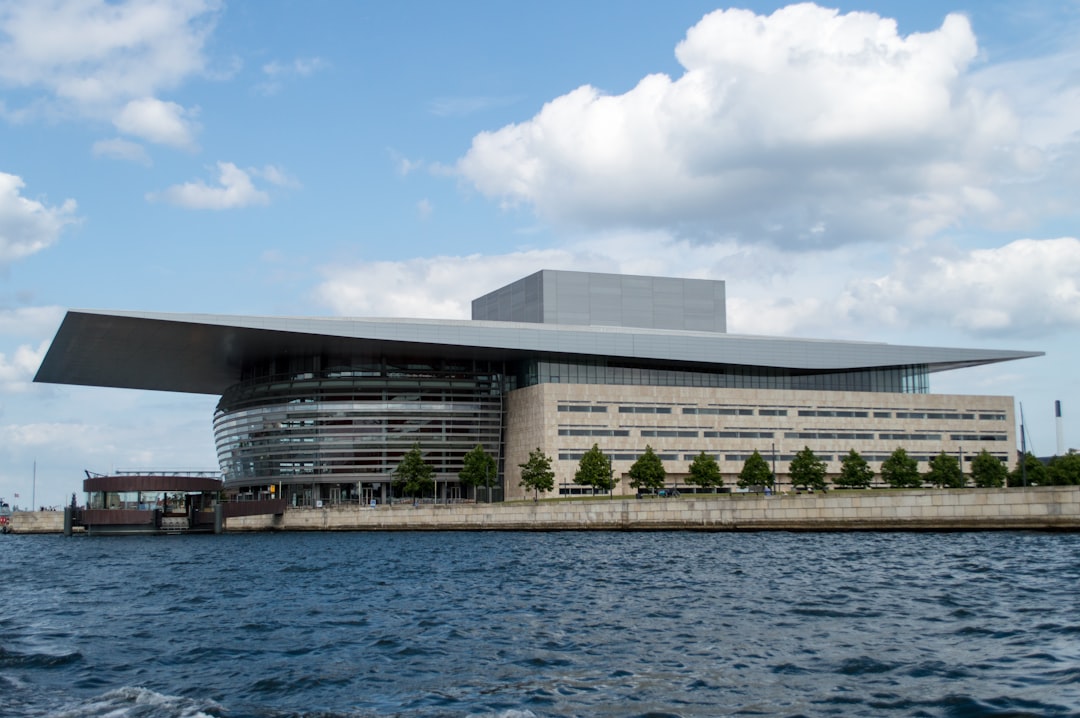
body of water near white building
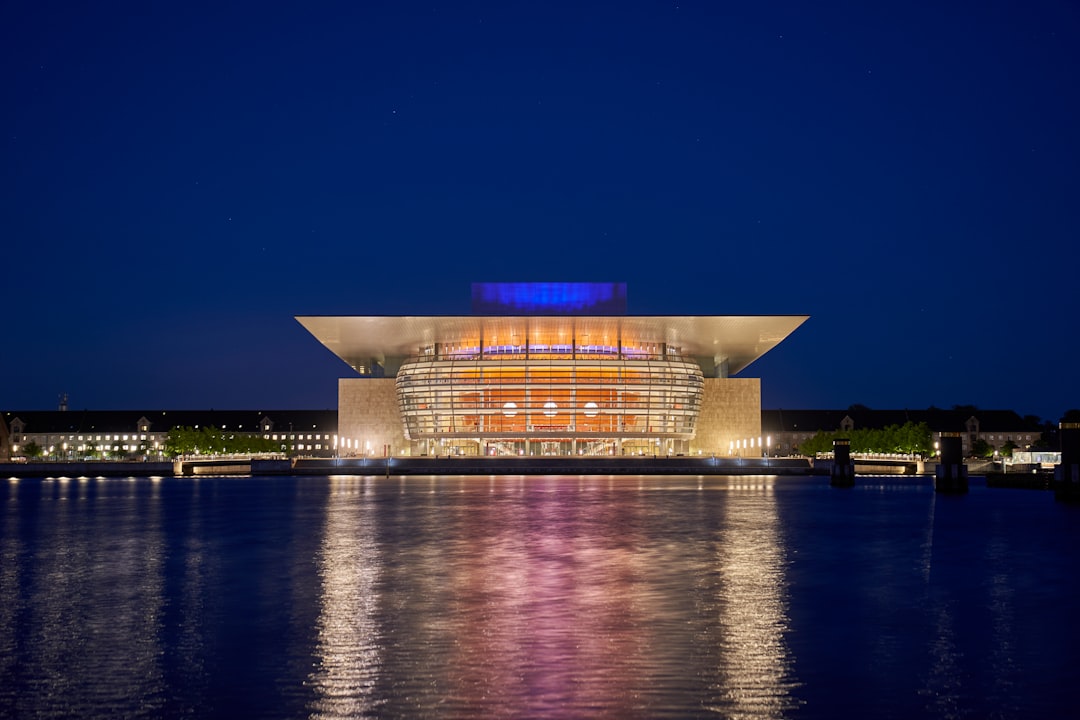
white and brown building during night time

Copenhagen Opera House

Copenhagen, Denmark
i

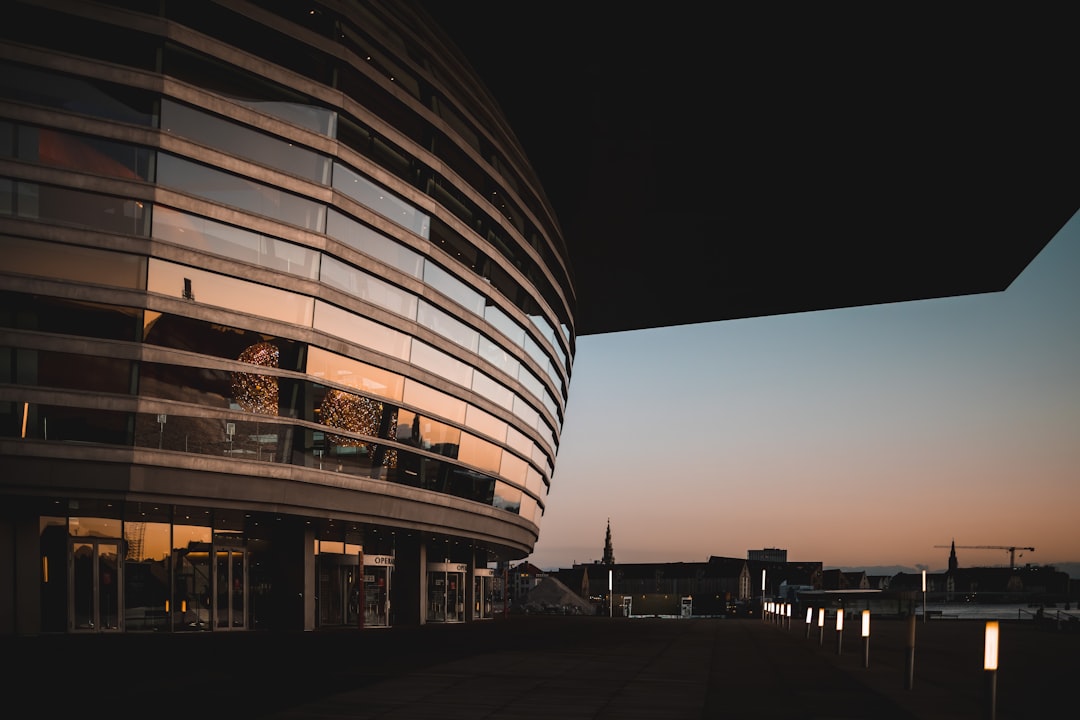
building near body of water

Photo by Wolfgang Hasselmann

Sitting at the edge of Copenhagen’s shimmering harbor, the Copenhagen Opera House combines architectural spectacle with the vibrant pulse of Denmark’s cultural life. Ornate inside and boldly modern outside, this landmark invites visitors to experience the artistry and energy that fills its halls—even for those who never step inside for a show. Both fans of opera and those new to the scene find surprises awaiting. Down-to-earth public areas, lively waterfront surroundings, and clever design promise a memorable visit, whether the plan is a guided tour or a quiet stroll along the nearby channels.

Visiting Info

Currency
Entrance fee
135 DKK

Contact Information

Location
Address
Ekvipagemestervej 10, 1438 København, Denmark

Planning your visit

Scheduling a trip to the Copenhagen Opera House involves more than picking a show. Seasonal light, event calendars, and ferry schedules all play a role. The waterfront setting encourages exploration, but ticket holders and casual tourists alike benefit from planning ahead. Events can fill the plaza with lively crowds, especially during festival weeks. For a more contemplative experience, try arriving in the morning or early evening. Many combine a visit here with a canal tour or a walk through nearby Christianshavn, making the journey feel less like a single destination and more like a key stop in the city’s unfolding story.

  • Best time to visit: Late spring and early summer (May to June) offer long days and colorful harbor scenes, but autumn sunsets paint the city in golden light. Arrive before noon or after 5 PM for smaller crowds.
  • How to get there: Take the harbor bus (ferry) from Nyhavn or Kongens Nytorv for lovely views; buses and cycling are also easy from central Copenhagen. A pedestrian and bike bridge connects from Nyhavn, making for a pleasant 15-minute walk.
  • Accessibility: Wheelchair ramps, elevators, and step-free access make the Opera House comfortable for visitors with mobility needs. Baby strollers are common, and staff is friendly toward families and seniors.
  • Average visit duration: 1–2 hours for building tours or a waterfront wander. Attending a performance takes about 3–4 hours including pre-show and intermission.

Must see stuff

The Opera House’s graceful exterior tells only half the story. Designed by renowned architect Henning Larsen, the building blends steel, marble, and glass into eye-catching geometry. Visitors linger outside for pictures—especially with the copper roof floating above the blue water—but the interior holds even greater treasures. Guided tours reveal unexpected details: gold-leaf ceilings, walls clad in warm maple, and hidden rehearsal spaces where world-class artists warm up before performances. Not every guest comes for an opera, though. Outdoor plazas, whimsical fountains, and the open harbor invite waterfront picnics or sunset photography, especially after a summer rain. Even seasoned travelers find something unexpected here, whether spotting the Royal Danish Playhouse across the water or learning about Danish maritime history built into the very foundation of the building.

  • Key sights: The grand foyer with sweeping harbor views; the main auditorium’s golden canopy; rooftop terraces (open on tours), and sleek waterfront steps.
  • Unique experiences: Book a behind-the-scenes tour to access private balconies and stage areas. Visit in late afternoon for dramatic natural light through the glass façade.
  • Photo-worthy locations: The public plaza facing Amalienborg, colorful reflections in the main entry, and the nearby opera bridge with views over Christianshavn’s historic canals.
  • Cultural or historical facts: Donated to the city by the A.P. Moller Foundation, the Opera House has hosted both international stars and local youth choirs. Its foundation contains massive granite blocks—a subtle tribute to Denmark’s nautical heritage.

Tips for your visit

A successful Opera House visit means balancing comfort with curiosity. Even on busy concert nights, wandering locals outnumber tourists on the public walkways after dark. Outdoor spaces can be breezy—pack light layers, even in summer. Security is present but unobtrusive; bags may be checked at the main door for performances. For a quieter stroll, stop by during weekday mornings, especially outside of school holidays and festival season. Hungry travelers will find casual cafés nearby, though evening reservations are smart. Respectful behavior—including silencing phones and keeping voices low indoors—is appreciated by both staff and patrons. Even for those simply exploring the plaza, pausing to take in the changing light over the harbor is part of the authentic Copenhagen experience.

  • Best times to avoid crowds: Weekday mornings and just before sunset attract fewer tour groups and photo shoots.
  • What to bring: Camera or phone for photos, a light jacket for wind, and comfortable shoes for cobbled paths and steps.
  • Local etiquette: No food or drink inside the main auditorium; avoid blocking walkways. Photography is allowed in public areas but not during performances.
  • Safety or comfort: Children and teens are welcome at most events; earplugs are handy for sensitive ears during concerts. The waterfront gets windy, especially after rain, so pack accordingly.