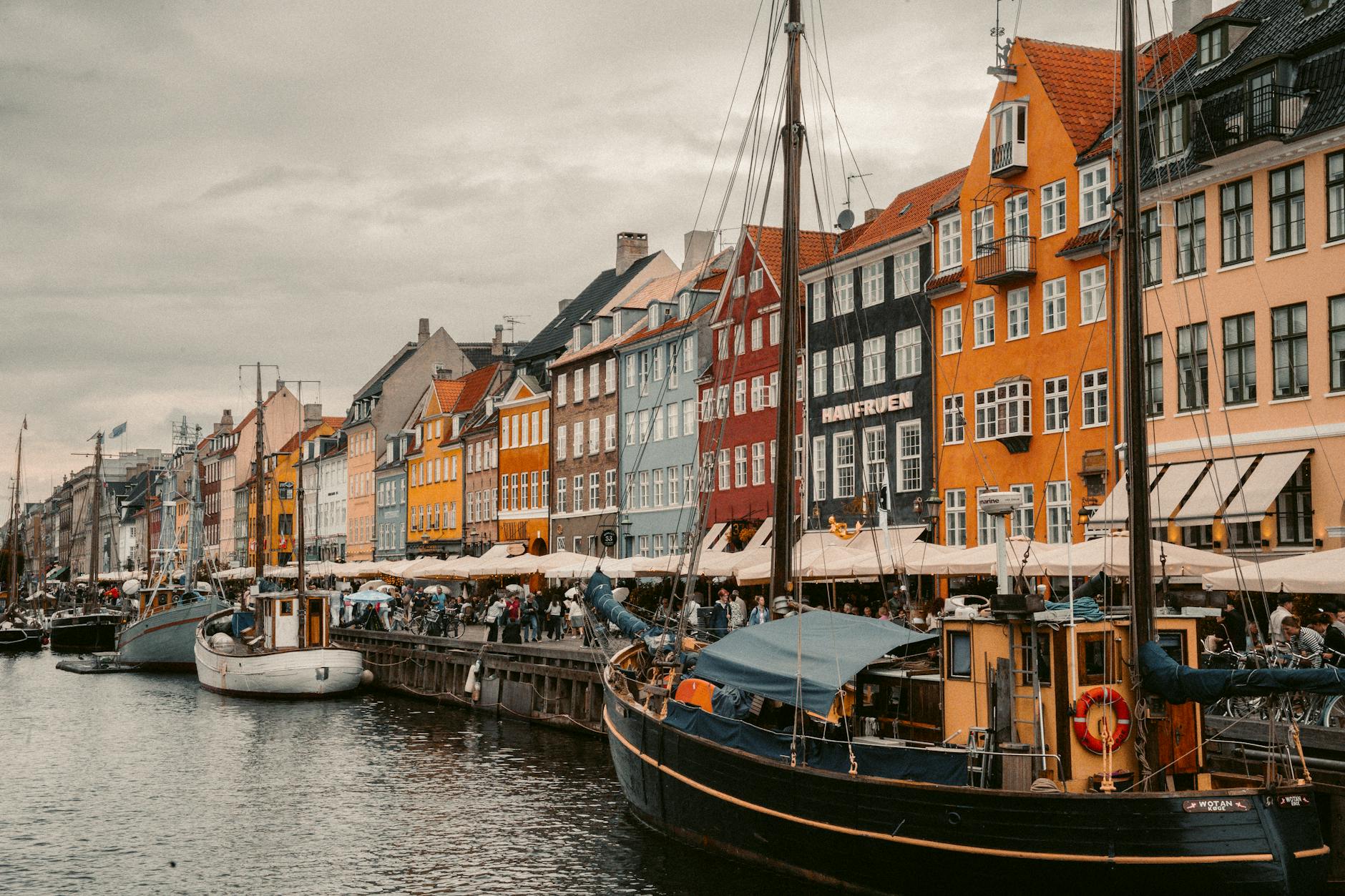

Vibrant Nyhavn canal view with historic buildings and boats in Copenhagen, Denmark.
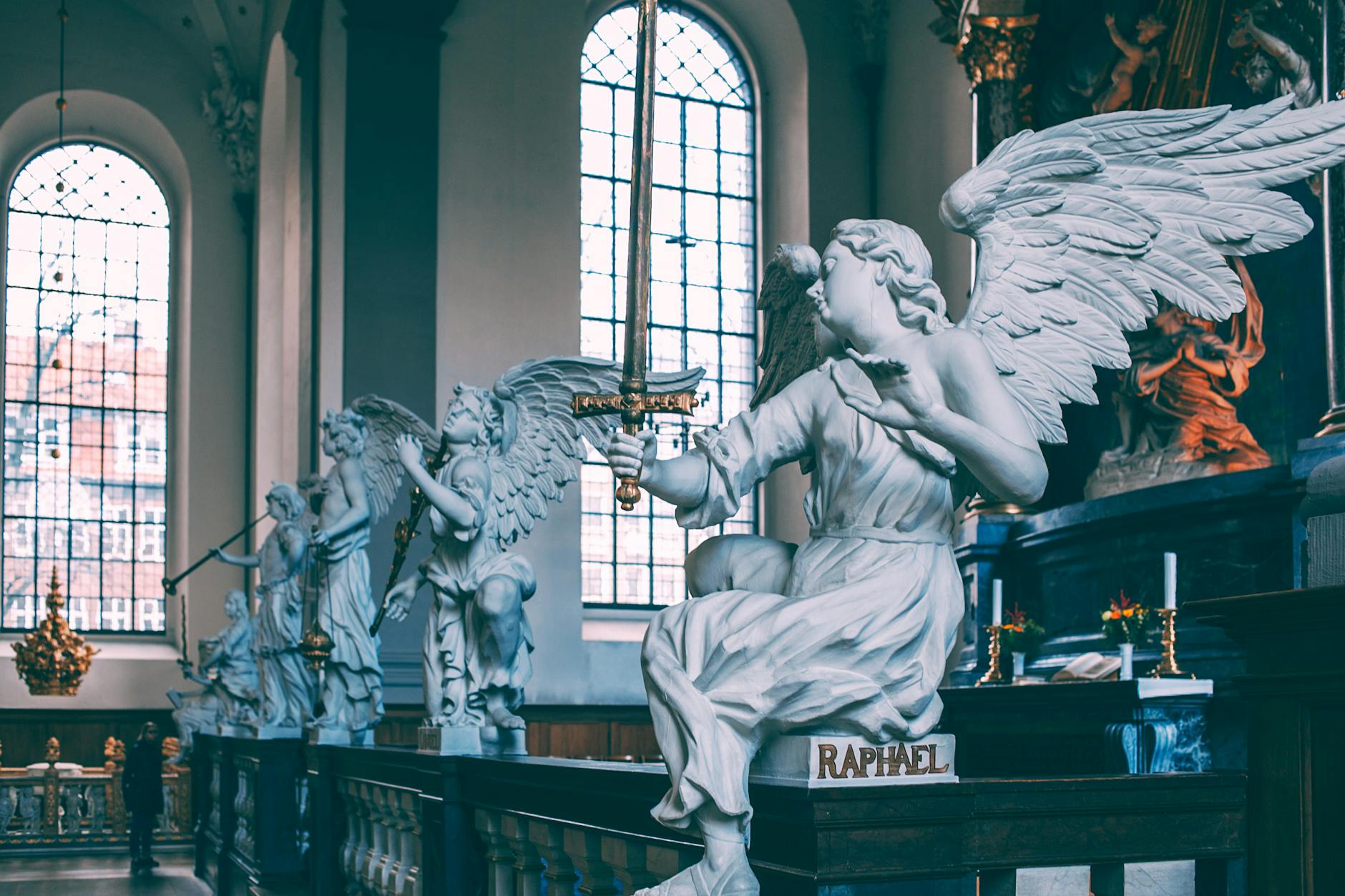
Baroque altarpiece decorated with white angels sculptures on marble railing located in Church of Our Saviour Copenhagen Denmark
Low-angle shot of airplane over modern skyscrapers in Copenhagen at dusk.
photo, buildings, reflection, river, denmark, capital, copenhagen, architecture, travel
rosenborg castle, copenhagen, denmark, castle, rosenborg, historic, palace, rosenborg castle, rosenborg castle, rosenborg castle, rosenborg castle, copenhagen, copenhagen, copenhagen, copenhagen, copenhagen, denmark, rosenborg

Copenhagen

Denmark
Entertainment & LeisureCulturalArt & ArchitectureUrban HighlightsMarketplace & Shopping
i

Vibrant Nyhavn canal view with historic buildings and boats in Copenhagen, Denmark.

Photo by Tamara G.P

Biking along Nyhavn’s colourful harbour, you catch the salty snap of seawater mixed with cinnamon from nearby bakeries. Copenhagen moves at a calm, confident pace — always room for a coffee or a chat. In summer, the inner lakes turn into open-air living rooms, while winter brings candles in every window. Head to Vesterbro for craft beer and street art, or dive into Nørrebro’s spicy falafel and secondhand shops. Tivoli’s lights feel magical, but the real magic’s in a quiet canal swim or a Sunday market stroll. Pricey? Sure, but the warmth and design soften the blow. Copenhagen charms slowly, but deeply.

Quick Facts

currency
DKK
languages
Danish
airports
Copenhagen Airport
size
Large City
power
Type C, Type E, Type F, Type K
timezone
Central European Time (CET), UTC+1; Daylight Savings: Central European Summer Time (CEST), UTC+2
safety
Very safe
costs
Expensive

General Information

Safety indexCopenhagen is considered one of the safest cities in Europe, with a low crime rate. Travelers should exercise standard precautions, keeping an eye on personal belongings in crowded areas. Emergency services are efficient and reliable.

Best Time to TravelThe best time to visit Copenhagen is from May to September when the weather is mild, daylight hours are long, and outdoor events and cafes are in full swing.

Least crowded and still a good time to visitFor fewer crowds but still pleasant weather, late April and early October are excellent. These shoulder months offer a more relaxed atmosphere, lower accommodation prices, and most attractions remain open.

BudgetCopenhagen is relatively expensive compared to other European cities. Budget travelers should plan for a daily expense of 80–120 EUR, while mid-range travelers can expect to spend 150–250 EUR daily. Costs can be minimized by using public transport, staying in hostels, and eating at local spots.

Healthcare and VaccinationsHealthcare in Copenhagen is high-quality. EU travelers can use the European Health Insurance Card (EHIC) for necessary medical treatment. Non-EU travelers should have comprehensive travel insurance. No specific vaccinations are required, though standard vaccinations should be up to date.

Visa RequirementsCopenhagen, Denmark is part of the Schengen Area. Travelers from the EU, EEA, US, Canada, Australia, and certain other countries do not need a visa for short stays (up to 90 days within a 180-day period). Others must apply for a Schengen visa. Always check updated requirements with the Danish embassy before travel.

Weather in Copenhagen

°C°F
2781
1966
1151
236
-621
Jan
Feb
Mar
Apr
May
Jun
Jul
Aug
Sep
Oct
Nov
Dec
3020100
Avg. min. temperature
Avg. max. temperature
Avg. precipitation days

First-time travelers

The best introduction to Copenhagen begins on two wheels. This city, trimmed with canals and neat rows of sycamores, tempts first-timers with a breezy magic. Days move slow here; even the air—a mix of salt, pastry, and distant seaweed—whispers to newcomers, "Pause. Look closer."

Skirting the lakes at sunrise, you’ll find locals balancing coffee under the low northern sky. City sounds drift through narrow streets: bicycle bells, voices softened by the Danish tongue. Copenhagen’s heart beats in the old neighborhoods—Indre By's pastel facades, Christianshavn's leaning houseboats, and Vesterbro's coffee bars where friends linger afternoons away. Let yourself drift between them, stopping for warm tebirkes or dense, seed-crusted rugbrød at a neighborhood bakery.

Flavors and Foundations

Eat where city life hums—at food halls like Torvehallerne. Take a stool beside suited office workers; try smørrebrød with pickled herring or shaved horseradish. Each bite is new, bright with sharpness or a little sweet, as if challenging you to understand Denmark in a mouthful. Pause at the fountains of Kongens Have, then wander to Glyptoteket’s winter garden—palms and marble statues under glass, far from rain or chill.

For history’s touch, step into Rosenborg Castle, where the air smells of wet stone and old velvet. Treasure gleams in corners—crown jewels, delicate royal figurines—while outside, the King’s Garden brims with laughter and picnics in the grass.

Tips from the First Visit

  • Rent a city bike to explore Nørrebro’s Superkilen Park and multicultural cafes.
  • Visit the National Museum for Viking jewelry and sagas—go in the quieter morning hours.
  • Try kanelsnegle (cinnamon snail) at Sankt Peders Bageri, freshly baked by 10 a.m.
  • Wander the assistens Cemetery; pay respects at Hans Christian Andersen’s grave and watch locals picnic among spring flowers.

Copenhagen meets newcomers with gentleness—never overwhelming, always surprising. Take it slow; let the city’s rhythm guide each day.

Return travelers

Once you’ve tasted Copenhagen’s café culture and cycled past the postcard palaces, a deeper city awaits. On your return, you sense a second self—drifting from lanes of memory into cobbled avenues, catching fragments missed before. The city’s real secrets live in its daily rituals, far from main attractions and hurried itineraries.

Before sunrise, dive into Refshaleøen—once grimy shipyards, now a pulse of creativity and industry. The briny smell of the harbor still lingers here, mixing with sourdough from Lille Bakery. Locals linger over black filter coffee, artists turn old containers into studios, while wildflowers poke from cracks in the concrete. In this overlooked quarter, Copenhagen feels honest—rough edges, warm smiles.

Beyond the Postcard

Aim for the unexpected—like the sauna rafts bobbing beside Islands Brygge. Test frigid waters alongside stoic Danes, faces flushed with cold. In September, urban harvests appear at Reffen’s street food market: grilled lumpfish roe, pickled sea buckthorn, fried elderflower. Here the city tastes briny, sharp, a little wild.

In Østerbro, try Juno the Bakery's cardamom buns—stand in line, trade stories, taste Copenhagen’s love for comfort and patience. Later, slip into the Kødbyen district at dusk. The old meatpacking halls thrum with eclectic art shows, microbreweries, and candlelit izakayas. Locals speak softly over plates of yakitori, Danish-lager and Japanese spirits blending worlds together.

For Keen Returnees

  • Check for pop-up galleries in the old Carlsberg Byen district; new exhibitions launch monthly.
  • Try sauna and cold plunge at CopenHot’s floating spa—for real camaraderie and a rush like nowhere else.
  • Go mushroom foraging in Dyrehaven; locals share tips along shady paths.
  • Book a communal table at BÆST—share sourdough pizzas topped with local craft cheese and herbs.

Returning, you shed your tourist shell. Now, each quiet alley and hidden haunt reveals what it means to live well—even for a stay too brief.

Must-see locations

people walking on sidewalk near building during daytime
i

people walking on sidewalk near building during daytime

Photo by Shane Rounce

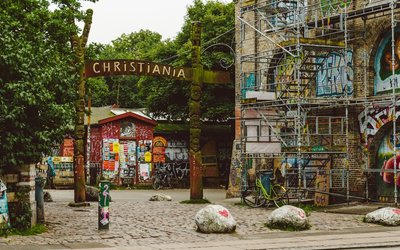
Freetown Christiania

Freetown Christiania blends bold murals, handmade houses, and a car-free vibe along Copenhagen’s canals. Markets buzz with crafts and live music. Locals gather in Green Light District. Art, activism, and nature thrive together.

Learn More
a large colorful ferris wheel
i

a large colorful ferris wheel

Photo by James Qualtrough 🇮🇲

Tivoli Gardens

Magic fills Tivoli Gardens, Copenhagen’s historic amusement park since 1843, where glowing lanterns, roller coasters, concerts, and lush gardens mingle by city center. Fireworks, Danish food stalls, and live music lure locals and visitors alike.

Learn More
A statue of a woman sitting on top of a rock
i

A statue of a woman sitting on top of a rock

Photo by Alireza Banijani

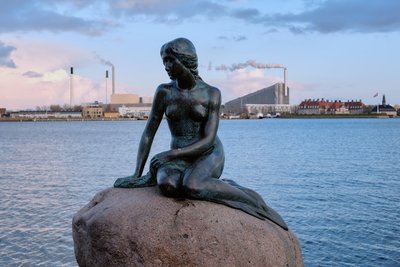
The Little Mermaid

The Little Mermaid statue draws travelers to Copenhagen’s harbor, reflecting Hans Christian Andersen’s fairy tale heritage. Watch ships glide by, snap photos, then stroll Langelinie’s lively promenade for Danish snacks and city views.

Learn More
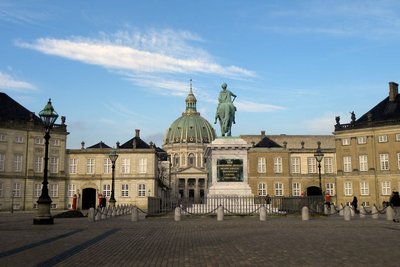
View of Amalienborg Palace courtyard and the iconic Marble Church in Copenhagen, Denmark.
i

View of Amalienborg Palace courtyard and the iconic Marble Church in Copenhagen, Denmark.

Photo by Heinz Klier

Amalienborg Palace

Amalienborg Palace blends royal tradition with daily Copenhagen buzz—watch the guards’ parade, explore Rococo-style rooms, or stroll across the spacious square while city life hums in the background.

Learn More
a tall tower with a clock on top of it
i

a tall tower with a clock on top of it

Photo by Mads Eneqvist

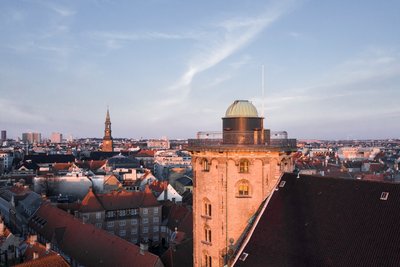
The Round Tower

The Round Tower stands out for its spiraling ramp, letting visitors walk—not climb—to a panoramic rooftop view of Copenhagen. Inside, exhibitions and the old observatory reveal Denmark’s science and art history.

Learn More

How to get there

By air

Copenhagen is served by Copenhagen Airport (CPH), located about 8 km southeast of the city center. The airport welcomes numerous direct flights from across Europe and around the world.
Options to get to town:
TypePriceDurationWhere to buy
TaxiApprox. 250-350 DKK20-30 minutesTaxi ranks at the airport arrivals exit
Airport bus40-50 DKK (urban bus and Movia 5C)35-40 minutesTicket machines or Dot app at airport arrivals
Train/shuttle36 DKK (train or Metro Zone 3 ticket)13-20 minutesDSB ticket machines or Dot app at airport arrivals

By train

Copenhagen is easily accessible by train from elsewhere in Denmark, Sweden, and Germany, with frequent, comfortable services to the city's Central Station (København H). Direct trains run from cities such as Hamburg, Stockholm, and Gothenburg.
Useful websites for train tickets:

By car

Copenhagen is reachable via an extensive motorway network from the rest of Denmark, Sweden (via the Øresund Bridge from Malmö), and continental Europe. Parking in central Copenhagen can be expensive and limited.
Additional charges to be aware of:
FeeCostHow to pay
Toll / vignette / emission stickerØresund Bridge toll: approx. 445 DKK (car, one-way)At the bridge toll station or via Brobizz
Other driving costsCity parking: from 24 DKK/hour (public streets)Pay stations or apps in parking zones

By ferry

Although Copenhagen does not have frequent passenger ferry connections directly to the city, there are some seasonal and occasional international routes to nearby ports (e.g., Oslo to Copenhagen, operated by DFDS Seaways). For other routes, ferries arrive at nearby Danish or Swedish ports from where you can drive or take public transport to Copenhagen.
Useful websites for ferry tickets:

How to get around

Public transport

Copenhagen’s public transport system is efficient, reliable, and integrates metro, trains, and buses across the city and surrounding areas. It's easy to navigate and convenient for both short and long stays.

Ticket options:
Ticket TypePriceWhere to buy
Single ticketStarting from 24 DKK (zone-based)Ticket machines at stations, DSB app, or 7-Eleven kiosks
Day passStarting from 80 DKK (24 hours, unlimited travel in selected zones)Ticket machines at stations, DSB app, or 7-Eleven kiosks

Taxis & ridesharing

Taxis are easily found across Copenhagen, particularly at popular sites and transport hubs. Ridesharing apps also operate in the city, offering another convenient alternative.

Service providers:
ProviderPriceHow to book
Local taxiStarting at approx. 50 DKK base fare, plus per kilometerTaxi stands, phone booking, or company app (e.g., TAXA 4x35 app)
Ridesharing appVaries by time and routeVia apps such as Uber or Bolt

Car rental

While not usually necessary within the city due to excellent public transit, car rentals are available for exploring greater Copenhagen or venturing to the countryside.

Rental options:
ServicePriceHow to book
Daily rentalFrom 300 DKK/day (varies by vehicle and provider)Major rental agencies at Copenhagen Airport, central train station, and city branches (e.g., Avis, Europcar, Hertz)
Weekly rentalFrom 1800 DKK/weekMajor rental agencies at key locations

Bike & scooter rental

Known as one of the world’s most bike-friendly cities, Copenhagen offers extensive cycling paths and bike-sharing programs. E-scooters are also widely available.

Rental options:
ServicePriceHow to book
Bike rentalFrom 100 DKK/dayLocal bike shops, Bycyklen (city bike program), or rental stands
Scooter rentalFrom 2.50 DKK/minuteThrough apps such as Voi, Lime, or Tier

Ferry / Boat

Copenhagen’s harbor buses (Havnebussen) function as water buses, offering scenic transport along the harbor and connecting key areas including Nyhavn and the Opera House.

Useful websites for ferry tickets:

What to eat

The smells of freshly baked rye, zesty pickled herring, and just-pulled espresso swirl near Copenhagen’s lively Nyhavn harbor. Bicycles whiz past as locals line up for flaky pastries, couples share smørrebrød open-faced sandwiches right on the quay. In Copenhagen, food is a celebration—simple, honest, and always tied to the rhythm of city life. Each meal feels deliberate, whether you’re squeezing onto a bench in Torvehallerne market or lingering over new-Nordic plates at a candlelit bistro. The city’s food scene reflects its energy: worldly yet grounded, innovative but anchored in tradition. Get hungry—and get ready.

Signature Dishes

  • Smørrebrød: Hearty rye bread layered with pickled herring, shrimp, or roast beef, topped with crisp onions and creamy sauces. A cornerstone of Danish lunch culture.
  • Frikadeller: Juicy pork-and-beef meatballs, pan-fried and served with tangy red cabbage or boiled potatoes. Comfort food at its best, often found in cozy cafés.
  • Stegt flæsk: Crispy fried pork belly slices, served with creamy parsley sauce and new potatoes. A cherished national classic—decadent, salty, deeply satisfying.
  • Rød pølse: Bright-red Danish sausages usually served hot, popped into buns or on paper trays, slathered with tangy remoulade at street stands citywide.

Street Food & Markets

Copenhagen’s street food scene throbs with energy, especially at Reffen—an upcycled shipping yard lined with stalls hawking everything from duck confit burgers to vegan sushi. Grab langos, a puffy fried bread with garlic, or tuck into tacos splashed with Nordic sauces. Torvehallerne is a glass market packed with cheese, licorice, and smørrebrød counters. Sip strong filter coffee, and snack on Danish rye breads topped with local blue cheese and wild mushrooms. The stalls can get crowded, and prices sometimes climb high, but the atmosphere—buzzing, bold, unmistakably Scandinavian—makes each bite worth the scramble.

Sweet Treats & Drinks

Danish bakeries are worth the airfare alone. Sink your teeth into a cinnamon-spiced kanelsnegl or cardamom bun, sticky and warm. Try a flaky wienerbrød (what most call Danish pastry) at Andersen Bakery or La Glace. Pair sweets with elderflower soda, or finish a meal with a tart shot of aquavit. Don’t miss locally roasted coffee, rich and aromatic, at one of Vesterbro’s many indie cafés.

Why Travelers Eat Here

  • New Nordic innovation—you’re eating in the heart of contemporary food culture.
  • Vibrant markets and food stalls—perfect for casual grazing, anytime.
  • Pastries and breads that set the bar for baking worldwide.
  • Scenic settings—canal views and stylish interiors boost even quick bites.

Dining in Copenhagen is about much more than food. Each meal feels like an invitation into the city’s vibrant, stylish, everyday heart—a place where tradition and trend meet at the table.

Top Rated Restaurants

Krebsegaarden

Krebsegaarden

4.9 (444 reviews)
$$$
LocationStudiestræde 17, 1455 Indre By, Denmark
Maple Casual Dining

Maple Casual Dining

4.9 (1.7k reviews)
$$
LocationVesterbrogade 24, 1620 København, Denmark
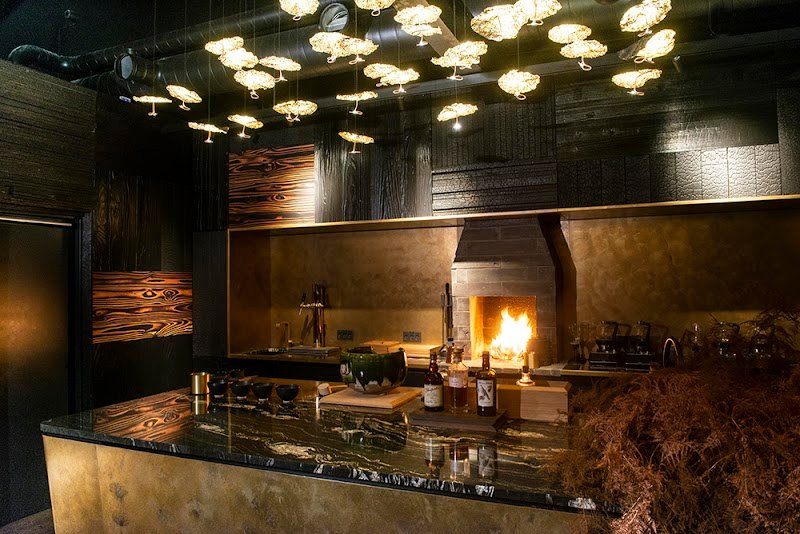
Alchemist

Alchemist

4.8 (758 reviews)
$$$$
LocationRefshalevej 173C, 1432 København K, Denmark
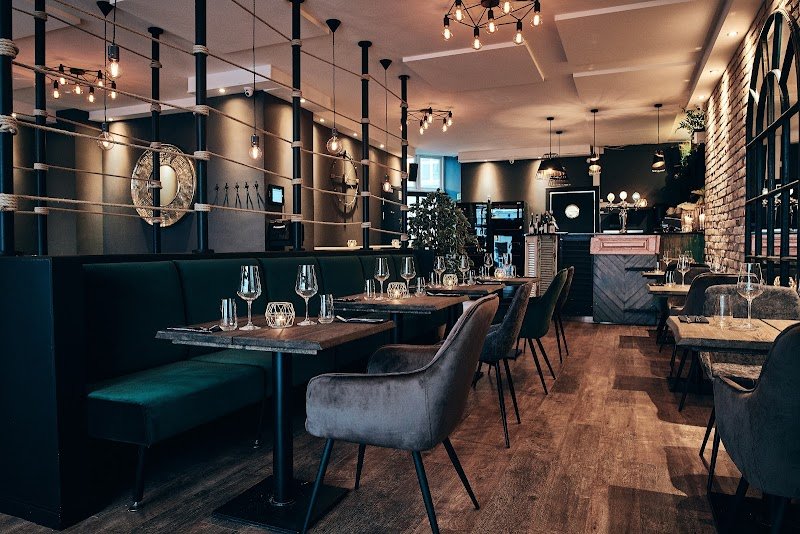
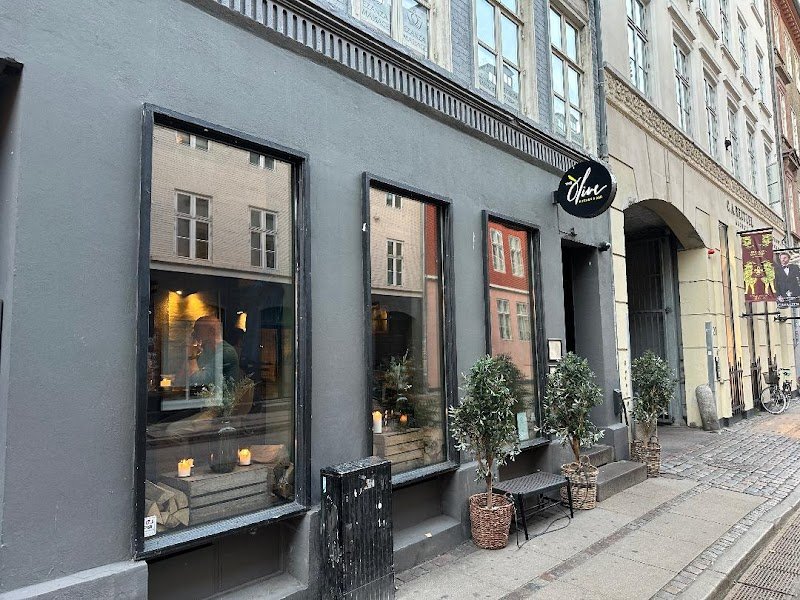
The Olive Kitchen & Bar

The Olive Kitchen & Bar

4.8 (2.2k reviews)
$$
LocationNørregade 22, 1165 København, Denmark
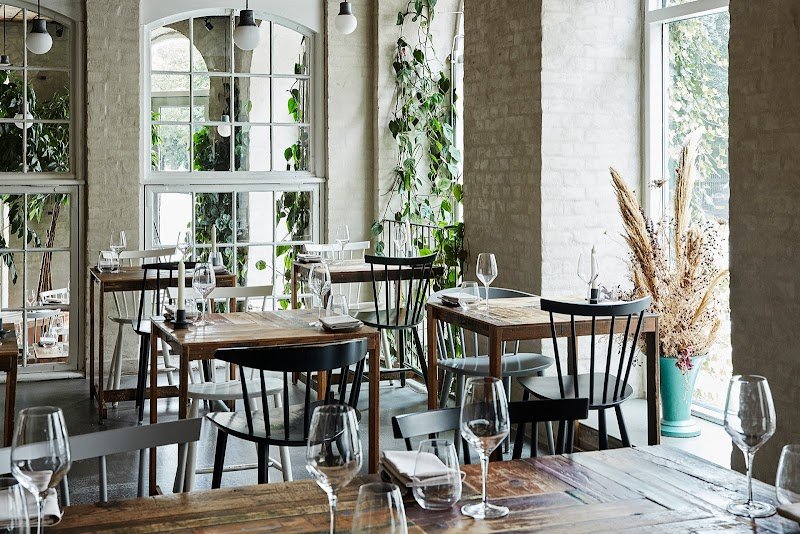
Høst

Høst

4.7 (4.1k reviews)
$$$
LocationNørre Farimagsgade 41, 1364 København, Denmark

Accommodations

Copenhagen greets you with color and calm—a city of bikes and bridges, Scandinavian design and unexpected playfulness. But comfort and discovery depend on more than clean sheets. Where you unpack your suitcase shapes your days and nights. I’ve learned, after multiple visits, that choosing the right area can make Copenhagen feel like a peaceful village or a city alive with possibility.

Neighborhood Overview

  • Indre By—Old Copenhagen’s beating heart. Cobbled lanes, royal palaces, and Nyhavn’s pastel facades set the sense of history. Stay here for walkable access to museums and shopping—yet expect busy days and tourist crowds. Great for first timers and culture lovers.
  • Vesterbro—Once gritty, now cool. Trendy coffee shops, craft beer bars, and the Meatpacking District’s nightlife. Young travelers and foodies settle here, drawn by hip hotels and fast-changing street art. Quieter streets still exist nearby—ideal for couples wanting nightlife with occasional calm.
  • Nørrebro—Multicultural energy and creative spirit define this affordable, lively zone. Locals picnic in Superkilen Park or browse indie boutiques. Families and solo explorers thrive here, thanks to reasonable prices and a welcoming, vibrant feel. Less polished, but all the more real.
  • Østerbro—Laid-back and leafy. Wide boulevards, green parks, and neighborhood bakeries. Safe and quieter than other districts—perfect for families or travelers needing stability. Not much nightlife, but Fælledparken and café terraces set a relaxed pace.
  • Christianshavn—Bridges, canal views, and a touch of rebellion. Cozy, if sometimes touristy, thanks to Christiania and waterside restaurants. Book here for a creative vibe, romantic walks, and easy boat rides. Couples and second-timers relish its charm—though expect higher prices for those canal scenes.

Types of Accommodation

  • Hotels: Mid-range options like Scandic or Absalon start at $140–$230 USD per night; five-star design sanctuaries such as Hotel d’Angleterre from $480+.
  • Hostels: Urban House and Generator offer dorm beds from $40–$60 USD, and basic privates for around $90—best for younger travelers.
  • Short-Term Rentals: Airbnbs and serviced apartments (e.g., STAY, Zoku) suit families and longer visits; expect $150–$300 USD a night depending on size and location.

Insider Tips for Booking

Book three months ahead for the best rates—especially in summer. Danish school holidays and Christmas spike prices fast. Remember, city taxes often add $3–$6 per night. Many central hotels sell out early during festivals—flex dates if you can.

Night falls, and canal lights dance on the water. Copenhagen feels both familiar and changed—old and new, lively and lovely. The right neighborhood shifts your sense of the city. Every visit, as I step onto a cobblestone street, feels just as distinct as the last.