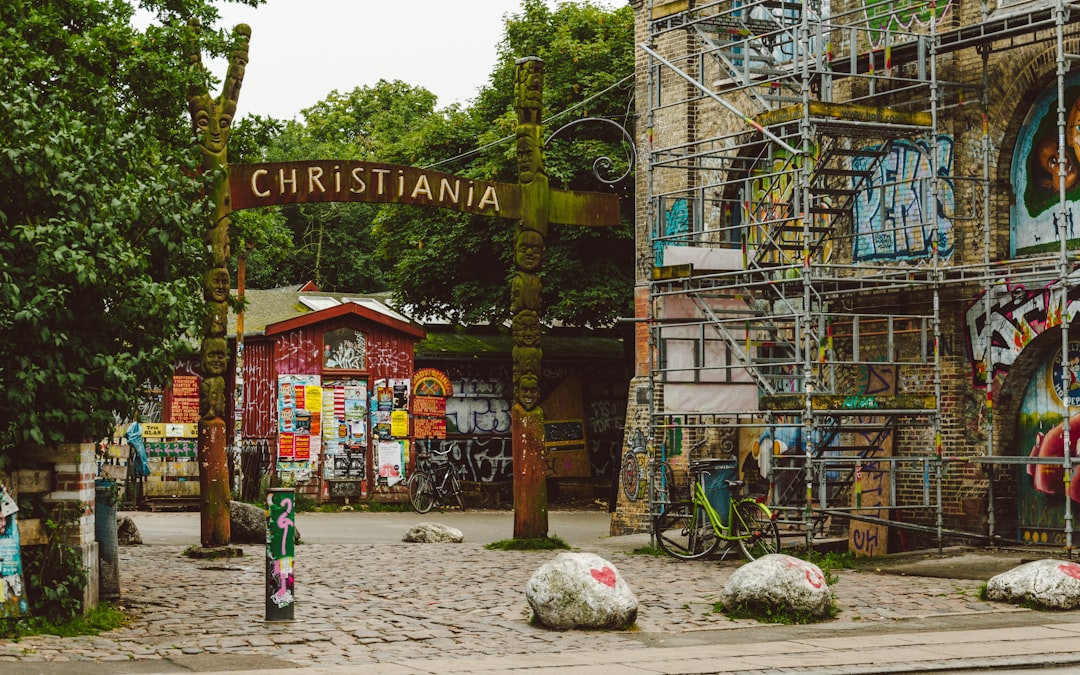
people walking on sidewalk near building during daytime

Freetown Christiania

Copenhagen, Denmark
i

people walking on sidewalk near building during daytime

Photo by Shane Rounce

Tucked off the curb of Copenhagen’s busy streets, Freetown Christiania draws travelers with its colorful murals, lush garden paths, and an unfiltered spirit of freedom. This independent neighborhood, founded in 1971 by squatters and dreamers, has kept its bohemian character against the odds. Christiania isn’t an ordinary tourist sight. Instead, it offers a rare glimpse into a living social experiment—edgy, creative, and boldly unconventional—that continues to evolve, challenge, and invite curiosity from visitors around the world.

Visiting Info

Currency
Entrance fee
Free

Contact Information

Location
Address
Freetown Christiania, Copenhagen Municipality, Denmark

Planning your visit

Unraveling Christiania’s layers works best with a bit of planning. Because its streets and open spaces have a rhythm all their own, smart timing and a little local know-how can help visitors experience the neighborhood at its vibrant best. Mornings move calm and slow, afternoons bring more bustle and market activity, while summer evenings ring with music and laughter. Christiania sits in the Christianshavn district, a few minutes’ walk or bike ride from central Copenhagen. Entry is always free, and no ticket is required—just curiosity and respect.

  • Best time to visit: Late spring through early autumn for lively street life; mid-morning or early evening for calmer walks
  • How to get there: Metro to Christianshavn Station, then walk 10 minutes; easy access by bike from city center; limited parking nearby
  • Accessibility: Most paths flat and stroller-friendly, though some surfaces can be uneven; main areas accessible for most visitors
  • Average visit duration: 2 to 3 hours for casual exploring, longer if attending concerts or events

Must see stuff

Christiania’s wooden gates open into a world brimming with art, activism, and alternative lifestyles. The central hub—called Pusher Street—offers bold colors, fragrant food stalls, and hand-built homes that seem to spring straight from a storybook. Farther from the crowd, lakes shimmer beside yoga domes and communal gardens. Art lines every wall, while music pours out from café doors, especially on weekends. Around corners, visitors find surprises: resourceful architecture, playful sculptures, or hidden murals. Every path leads to something unique—Christiania was designed that way.

  • Key sights or features: Main entrance mural and ‘You Are Now Leaving the EU’ sign, Pusher Street, the Green Hall community center, Den Grå Hal concert venue, hand-carved wooden homes
  • Unique experiences: Grabbing brunch at Morgenstedet (an organic café run by volunteers), exploring hidden trails around Stadsgraven lake, joining an open-air jam session, browsing the Sunday market for original crafts
  • Photo-worthy locations: The entrance gate murals, graffiti-covered walls, waterside walkways, rainbow-colored houses, quirky bike sculptures
  • Cultural or historical facts: Founded as a protest against housing shortages in 1971, Christiania runs on its own democratic rules; photography is discouraged in certain areas out of respect for residents’ privacy, especially on Pusher Street

Tips for your visit

Those looking to enjoy Christiania’s easygoing mood should remember a few unwritten rules. While curiosity is encouraged, visitors are guests—manners matter. Some streets allow photos; other zones, marked by signs and respect, do not. Christiania’s open nature comes with an edge: cannabis is openly sold in certain corners, but Danish law and local customs both require care and discretion. Visitors should walk softly, speak kindly, and take only memories from the market stalls—plus a snack or two for the road.

  • Best times to avoid crowds: Weekday mornings, especially just after opening; avoid sunny late afternoons if seeking peace
  • What to bring: Comfortable shoes, cash for small purchases, water bottle, a camera (but use with care), open mind
  • Local etiquette or rules: Do not take photos where signs forbid; respect residents’ privacy; keep noise down in quiet corners; cannabis is tolerated but illegal under Danish law
  • Safety or comfort advice: Some paths can be muddy after rain; stick to main trails after dark; watch for bikes and dogs; children are welcome, though certain areas may feel more adult

Similar Attractions