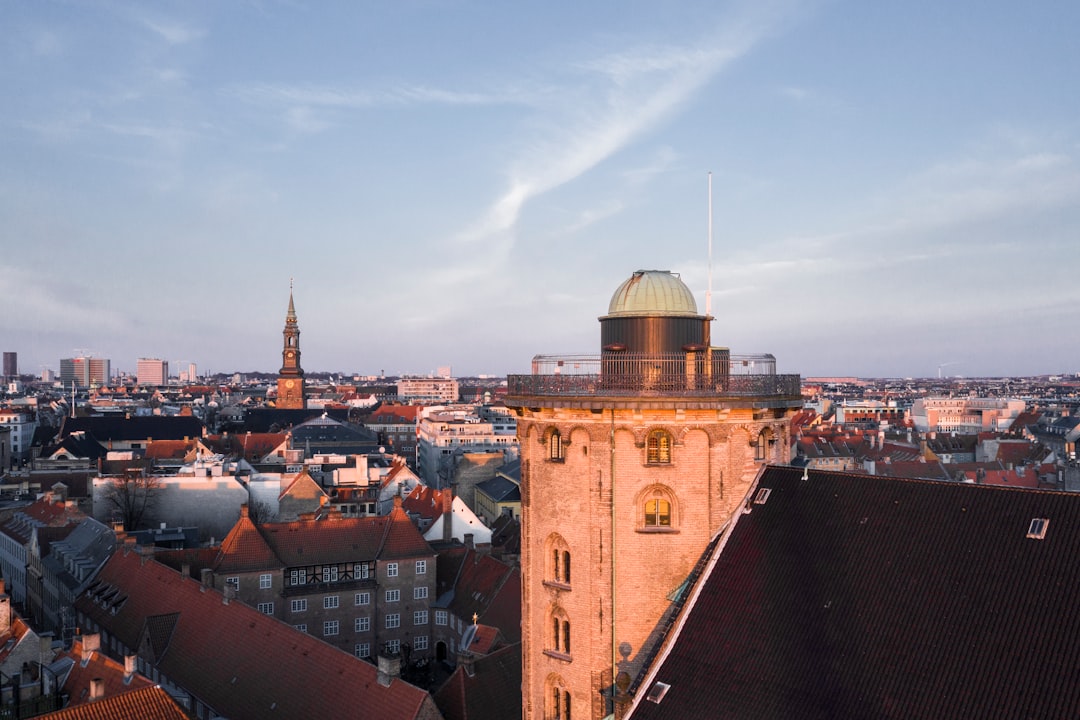
a tall tower with a clock on top of it
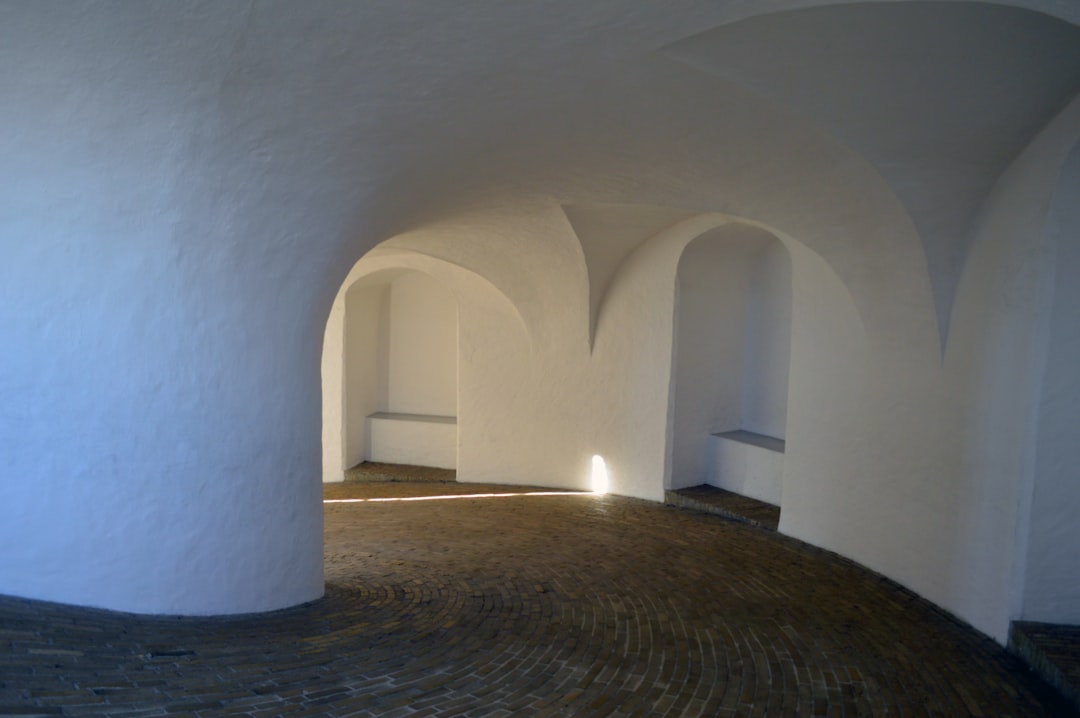
an empty room with a brick floor and white walls

The Round Tower

Copenhagen, Denmark
i

a tall tower with a clock on top of it

Photo by Mads Eneqvist

Standing quietly in the heart of a bustling European capital, The Round Tower offers a rare blend of science, history, and cityscape. Its gently winding ramp pulls visitors upward, away from modern streets, into a place where astronomy and architecture meet. For anyone curious about old worlds shaped by new ideas, this centuries-old landmark promises an experience that lingers long after the climb ends.

Visiting Info

Currency
Entrance fee
40 DKK
Hours
Opening hours
Monday: 10:00 AM – 6:00 PM
Tuesday: 10:00 AM – 9:00 PM
Wednesday: 10:00 AM – 9:00 PM
Thursday: 10:00 AM – 6:00 PM
Friday: 10:00 AM – 6:00 PM
Saturday: 10:00 AM – 6:00 PM
Sunday: 10:00 AM – 6:00 PM

Contact Information

Location
Address
Købmagergade 52A, 1150 København, Denmark

Planning your visit

Visiting The Round Tower is straightforward, whether traveling by bike, bus, or on foot. The landmark sits at the center of Copenhagen’s old city, making it easy to work into a day of exploring local shops or stopping by cozy cafés. During weekends and school breaks, expect the spiral ramp to get a little crowded, especially by midday. Early mornings or late afternoons are calmer, perfect for quiet moments and wide-open views. Entry is ticketed, but lines move quickly. The tower is welcoming, but some parts present challenges for strollers or wheelchairs because of the historic, sloping floor.

  • Best time to visit: Spring and autumn weekdays; early mornings or late afternoons for fewer people
  • How to get there: Bus, metro (Nørreport Station), or a pleasant 10-minute walk from Copenhagen’s main square
  • Accessibility: The ramp suits most visitors, but wheelchairs and strollers may need help; no elevators to the top
  • Average visit duration: 1-2 hours, longer with exhibitions or events

Must see stuff

The Round Tower’s most famous highlight is the ramp itself—a wide, spiraling path that sets it apart from any staircase. Designed to let horses and carts carry instruments to the observatory, the walkway now feels timeless and inviting, with each turn opening new views through arched windows. At the top, the open-air platform delivers sweeping scenes of red rooftops, green copper spires, and, on a clear day, glimpses of distant Sweden. Spaces along the way, like the tranquil Library Hall, host art shows and concerts that add a modern layer to the historic setting.

  • The Spiral Ramp: Experience an architectural rarity that’s a gentle climb up, with changing light and shadow.
  • The Observatory: Europe’s oldest functioning public observatory—try stargazing on special evenings.
  • Platform Views: Panoramas perfect for photos, especially at sunset when the sky glows above Copenhagen.
  • The Library Hall: Temporary exhibits, local art, and concerts; a peaceful, creative space not to miss.
  • Mystery Niche: Find the small locked door partway up, a local curiosity with legends to match.
  • Hidden Corners: Pause by a sunlit window or check for wall engravings and graffiti left by visitors over centuries.
  • Historical fact: Commissioned by King Christian IV in the 17th century as an observatory, university library, and church—all-in-one.

Tips for your visit

A few simple preparations can turn a good visit into a great one. Comfortable shoes make the long, sloping walk easier, and a camera finds endless inspiration in light shafts, quirky windows, and panoramic city scenes. Water is handy, though the climb is gentle and never too taxing. Most visitors are respectful in this historic space, but keeping voices low in the Library Hall and not touching delicate exhibits is expected. The wind at the top can be brisk, so a jacket—even in summer—brings comfort outdoors. Local bakeries close by offer pastries for a restful picnic at the base once the visit ends.

  • Beat the crowds: Visit on weekday mornings before tour groups and families arrive.
  • Essentials to bring: Sturdy shoes, a camera or smartphone, a refillable water bottle, and an extra layer for the observation deck.
  • Mind your space: Stay right on the ramp since others may be climbing both up and down.
  • No rush: Walk slowly and enjoy window stops; benches await tired legs along the ascent.
  • Respect the site: No eating in exhibition areas; voices low so everyone can enjoy the sense of history.
  • Personal comfort: Restrooms are compact—use facilities before starting the climb if crowded.