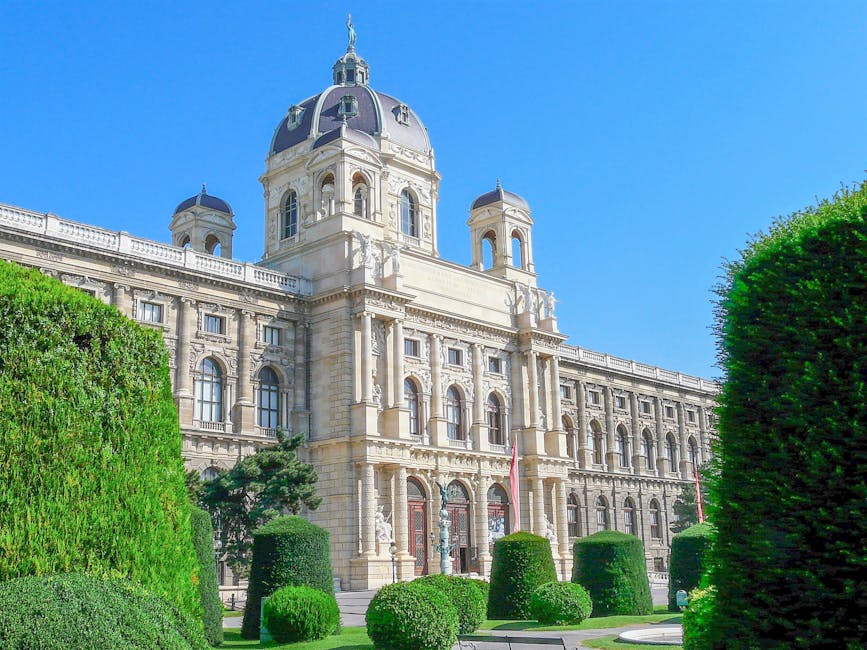
Stunning neoclassical facade of Vienna's Natural History Museum captured on a sunny day.
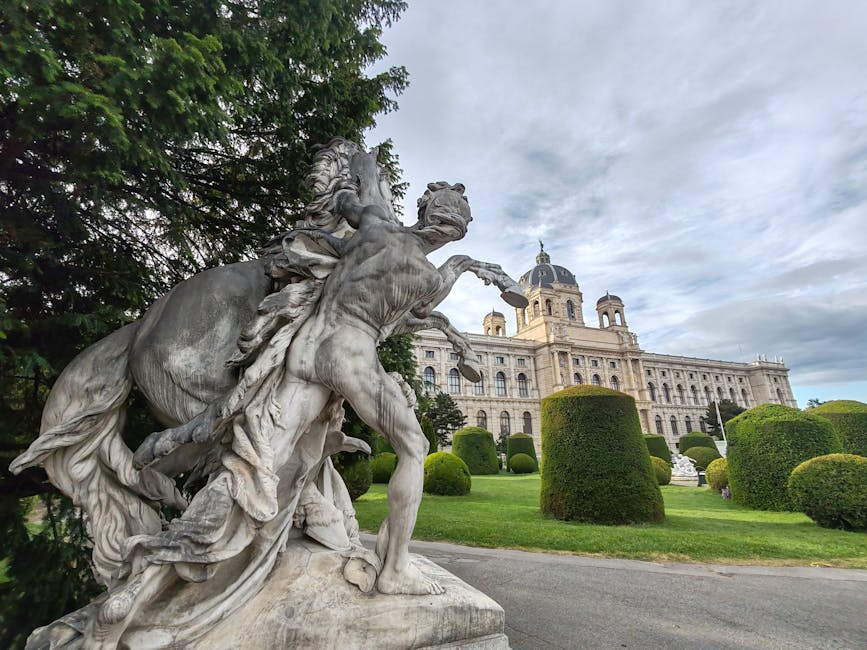
Dramatic sculpture outside Vienna's iconic museum on a cloudy day.

Museum of Natural History Vienna

Vienna, Austria
i

Stunning neoclassical facade of Vienna's Natural History Museum captured on a sunny day.

Photo by Emilio Sánchez Hernández

Under the soaring domes of the Museum of Natural History Vienna, wonder and curiosity come alive. Eyes widen at the staggering diversity of the planet, ears tune in to the soft echoes of footsteps on marble floors, and hands grip guidebooks a little tighter. The ancient, the astonishing, and the beautifully ordinary come together in a space designed not just for gazing, but for genuine awe.

Visiting Info

Currency
Entrance fee
16 EUR
Hours
Opening hours
Monday: 9:00 AM – 6:00 PM
Tuesday: Closed
Wednesday: 9:00 AM – 8:00 PM
Thursday: 9:00 AM – 6:00 PM
Friday: 9:00 AM – 6:00 PM
Saturday: 9:00 AM – 6:00 PM
Sunday: 9:00 AM – 6:00 PM

Contact Information

Location
Address
Burgring 7, 1010 Wien, Austria

Planning your visit

Ahead of a visit to the Museum of Natural History Vienna, a little forethought pays off. Mornings bring quieter halls while weekends can see families crowding the dinosaur galleries. Trams, buses, and even a gentle stroll across Vienna’s historical first district deliver visitors to the museum’s grand entrance on Maria-Theresien-Platz. Elevators, ramps, and wide doorways keep the collections accessible for wheelchairs, strollers, and those who need a slower pace. Museum visits here reward two to three focused hours, though true enthusiasts could spend a day hopping between meteorites and mammoth skeletons.

  • Best time to visit: Weekdays or early mornings offer the calmest experience. Spring and autumn keep queues manageable.
  • How to get there: Take U2 or U3 subway lines to Volkstheater, or trams 1, 2, D to Burgring stop. Streetside parking is quite limited.
  • Accessibility: Elevators, adapted restrooms, and wheelchair rental at the information desk serve families and seniors well.
  • Average visit duration: Two to three hours fits most highlights; a full day covers special exhibitions and lingering in the café.

Must see stuff

Inside the cool, echoing halls of the museum, life’s story is told through more than 30 million specimens. The Venus of Willendorf, barely as tall as a thumb and more than 25,000 years old, draws a steady stream of respectful visitors. Behind glass walls, dazzling gems share space with meteorites that have traveled unimaginable distances to land in this room. For families, the dinosaur skeletons—especially the life-sized Allosaurus poised mid-step—never fail to stop conversations mid-sentence. Galleries stacked with fossils, minerals, insects, and taxidermied animals sparkle with both scientific precision and artistic beauty.

  • Key sights or features: The Venus of Willendorf, the world’s largest and oldest collection of meteorites, a faithful reproduction of a Diplodocus, the Hall of Gemstones, and massive extinct mammals like the giant ground sloth.
  • Unique experiences: Free planetarium shows (schedule permitting), hands-on interactive science tables, and guided ‘behind the scenes’ tours for deeper insights.
  • Photo-worthy locations: The museum’s grand staircase with Gustav Klimt ceiling paintings, the sparkling mineral displays, and the massive dinosaur hall.
  • Cultural or historical facts: Since its 1889 opening, the museum has served as both a center for public learning and groundbreaking scientific research—housing not just exhibits, but active research labs above the galleries.

Tips for your visit

Even seasoned explorers of Vienna’s museums find a little strategy helpful in the vast halls of the Museum of Natural History. Early arrivals stroll wide corridors with more breathing room. Packed, labyrinthine exhibition rooms suggest sturdy shoes and patience. Bringing a water bottle is wise—café lines grow long at midday. Flash photography is a no-go in most galleries, so check camera policies at the entrance. Children’s museum programs run during school holidays, but the busiest rooms clear quickest at lunchtime. Exhibits sometimes rotate, so a check of the museum’s website before arrival helps pin down special events or temporary closures.

  • Best times to avoid crowds: Arrive opening hour on weekdays or during late afternoons.
  • What to bring: Comfortable walking shoes, refillable water bottle, charged phone or camera, plus a light sweater—galleries run cool year-round.
  • Local etiquette: Quiet voices and patience near popular exhibits show respect for fellow museum-goers. Guided tours set the pace; moving past groups keeps traffic flowing.
  • Safety or comfort advice: Keep bags small—some exhibition areas restrict backpacks—and plan for brief elevator waits at peak times.