white concrete building
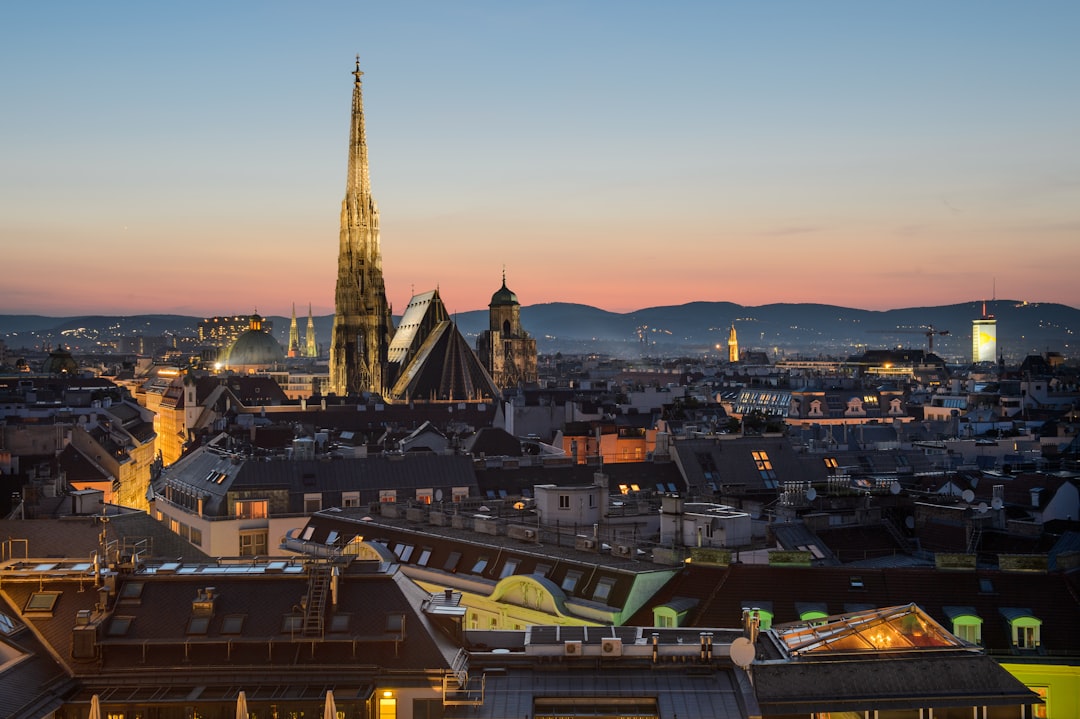
aerial photography of city buildings
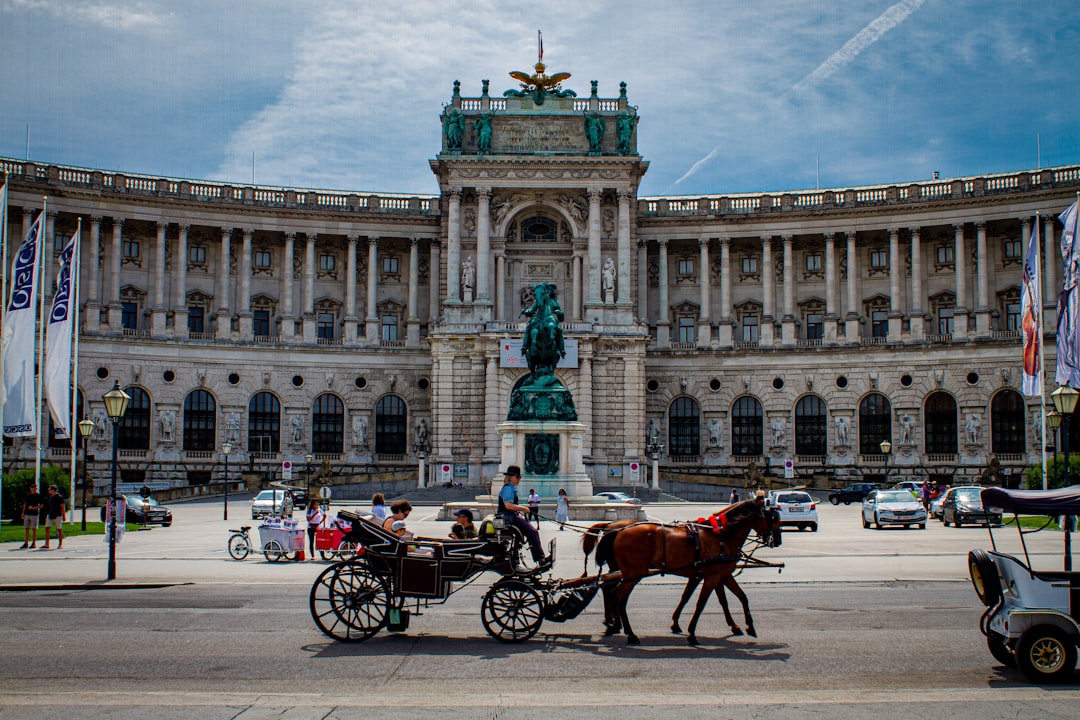
brown horse with carriage on road near building during daytime
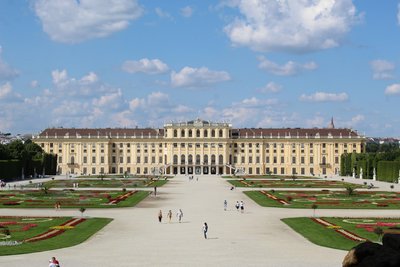
The Gloriette structure at Schonbrunn Palace in Vienna, Austria, viewed during a sunny day.

Vienna

Austria
CulturalArt & ArchitectureIconic LandmarksUNESCO World HeritageHistorical
i

white concrete building

Photo by Sami Ullah

Vienna wraps you in elegance from the first breath of cool, coffee-scented air. Trams hum past palaces, their windows catching quick flashes of chandeliers. In the Ringstrasse, horse-drawn carriages clip-clop over cobblestones, while buskers fill the air with violin and accordion. Spend a morning in the Kunsthistorisches Museum, Rubens towering above you, then walk to Naschmarkt for falafel and fresh apricots. Late afternoon, cross the Danube to Prater’s giant Ferris wheel; from the top, the city spreads like a theatre set, spires and rooftops glowing gold. Evening means Grinzing, where hillside taverns pour young wine into fogged glasses. Vienna’s beauty feels effortless, almost too perfect at times, but a smoky jazz club or hidden courtyard can crack the veneer, letting warmth spill through.

Quick Facts

currency
EUR
languages
German
airports
Vienna International Airport
size
Large City
power
Type C, Type F
timezone
Central European Time (CET), UTC+1 (UTC+2 DST)
safety
Very safe
costs
Expensive

General Information

Safety indexVienna is considered one of the safest cities in Europe, with a very low crime rate. The Safety Index is typically around 75-80/100. Petty crime like pickpocketing can occur in crowded tourist areas, but violent crime is very rare. Public transportation and streets are safe, even at night.

Best Time to TravelThe best time to visit Vienna is from April to June and September to October. During these months, the weather is pleasant (average highs between 17°C and 25°C), the city is lively with festivals, and attractions are open with fewer crowds than in peak summer.

Least crowded and still a good time to visitFor a less crowded yet enjoyable trip, consider late March to early April or late October. The weather is cooler (highs of 10-16°C), but attractions and restaurants are open, and you’ll avoid the peak tourist season and summer prices.

BudgetVienna is generally a mid- to high-range destination in Europe. Daily costs for a budget traveler (hostel, public transport, casual meals) can be about €60-€90/day, while mid-range travelers may spend €120-€200/day. Museums (€10-€20), a transport pass (~€8/day), and good food are reasonably priced compared to other Western European capitals.

Healthcare and VaccinationsVienna has excellent healthcare facilities, among the best in Europe. Pharmacies (Apotheke) are widespread, and hospitals are well-equipped. No special vaccinations are required for typical travelers beyond standard routine shots (MMR, DTP, etc.). EU/EEA travelers should bring their EHIC card for public healthcare. Others should consider travel insurance.

Visa RequirementsAustria is in the Schengen Area. Citizens from EU/EEA countries and a number of countries (including the US, Canada, UK, Australia, and New Zealand) can enter visa-free for up to 90 days. Other nationalities may need to apply for a Schengen visa before arrival. Valid passport required in all cases, and travelers must meet standard Schengen entry rules.

Weather in Vienna

°C°F
3188
2170
1253
235
-818
Jan
Feb
Mar
Apr
May
Jun
Jul
Aug
Sep
Oct
Nov
Dec
3020100
Avg. min. temperature
Avg. max. temperature
Avg. precipitation days

First-time travelers

The first time Vienna reveals itself, it feels like stepping into a palace where the old world still whispers. Rings of grand boulevards glow beneath gold-domed rooftops. The city’s music seems to vibrate through its stones—warm, elegant, a little bit proud. There’s beauty on every corner, but also a balance between history and the present day.

Walking Through Vienna’s Heart

Begin at Stephansplatz, where centuries of stories live in St. Stephen’s tall, patterned roof. Allow yourself to get lost in the maze of cobbled streets nearby. The air smells faintly of roasting coffee beans and flaky pastry—especially in the morning. Pause for a melange at Café Central. Marble columns sweep upwards, and waiters appear in pressed jackets, moving silently. Watch local regulars read the Wiener Zeitung, their glances calm and proud.

More Than Just Palaces

Europe’s imperial past shows everywhere, but simple pleasures feel just as grand. Sample a fresh Käsekrainer sausage from Bitzinger Würstelstand behind the State Opera. Its creamy cheese filling bursts with flavor. Listen for tram bells echoing through the dusk air along the Ringstraße. Many museums beckon, but the quirky Hundertwasserhaus, painted in wild colors and leafy greenery, feels like stumbling upon another world.

At twilight, let the pink sky over the Danube Canal remind you that Vienna holds surprises for those who wander.

  • Order Sachertorte with unsweetened cream at Café Sacher.
  • Visit Naschmarkt early for breakfast bites and people-watching.
  • Climb the narrow stairs of St. Stephen’s South Tower for rooftop vistas.

Vienna rewards curiosity. Let history guide you, but listen to the city’s own rhythm as it unfolds.
Return travelers

The second time in Vienna, the past no longer demands attention. Instead, new textures—current, surprising—shine through the storied surface. The city offers gifts for eyes that linger. No rush for monuments or classics; instead, there’s the joy of neighborhood life, of a local’s pace and flavor.

Hidden Corners Flourish

Find yourself in Spittelberg at dusk. Gas lamps spill golden light over stone lanes, lined with galleries and small indie shops. The air here feels lighter, less formal, as conversations tumble out of cozy Gastwirtschaften. Breathe in the smell of Schinkenfleckerl baking and dandelion greens wilting in butter. Chat with a shopkeeper about the changing city—Vienna’s humor is dry, honest, shared over glasses of Gemischter Satz wine.

Vivid Urban Layers

Venture beyond the ring, where Leopoldstadt buzzes with energy from new arrivals. Toast with a Spritzer near Karmelitermarkt—a Friday ritual for locals. The multicultural food stalls offer Israeli honey cake and Syrian spices. Slip into the legendary Badeschiff, a floating pool and bar on the canal, to swim or laze on a deck chair as jazz drifts on the wind after sunset. Nothing feels hurried here.

  • Order creamy Liptauer spread at Das Kolin in Alsergrund.
  • Wander the graffiti trails along the Danube Canal’s Stadtwanderweg 1.
  • Pick fresh herbs with neighbors at Augarten’s community gardens.
  • Pop into Musikverein’s Brahms Saal for chamber music on a whim.

Vienna rewards return travelers with layers just beneath the surface. Each visit offers new color, flavor, and the feeling of being part of the city’s living fabric.

Must-see locations

Naschmarkt

Naschmarkt

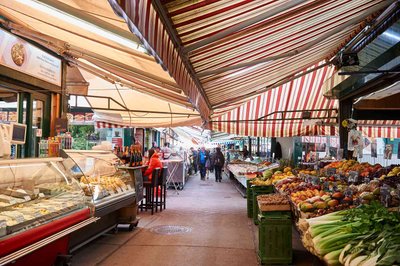
Bustling crowds fill Vienna’s Naschmarkt, where vendors offer Turkish spices, local cheeses, and fresh flowers. Sample Viennese schnitzel, watch artists at flea markets, or relax among art-nouveau facades and historic cafes.

Learn More
a garden with a fountain surrounded by flowers
i

a garden with a fountain surrounded by flowers

Photo by Joshua Kettle

Schönbrunn Palace

Schönbrunn Palace in Vienna blends imperial history with gorgeous baroque gardens. Tour opulent halls, wander the maze, spot peacocks in the park, and enjoy a world-class zoo beside centuries-old fountains and grand architecture.

Learn More
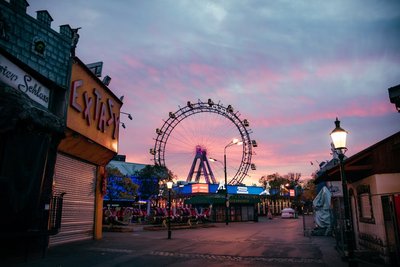
The illuminated Vienna Ferris Wheel at dusk in Prater Park, offering a serene skyline view.
i

The illuminated Vienna Ferris Wheel at dusk in Prater Park, offering a serene skyline view.

Photo by Jorge Urosa

Prater

Sprawling green lawns meet lively amusement rides in the Prater, Vienna’s historic park. Cyclists zip along tree-lined Hauptallee. Kids cheer on giant swings near the famous Riesenrad Ferris wheel. Festivals fill the air with music.

Learn More
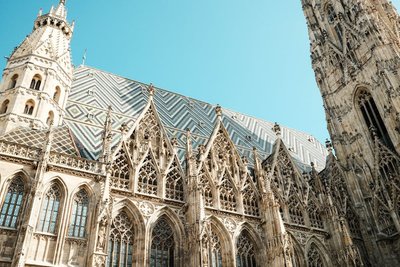
Detailed view of St. Stephen's Cathedral's Gothic architecture under clear blue sky in Vienna.
i

Detailed view of St. Stephen's Cathedral's Gothic architecture under clear blue sky in Vienna.

Photo by Airam Dato-on

St. Stephen's Cathedral

St. Stephen's Cathedral in Vienna, with its colorful tiled roof and soaring spire, stands at the city center, drawing visitors who climb the South Tower for sweeping views, admire Gothic art, and explore centuries-old catacombs below.

Learn More
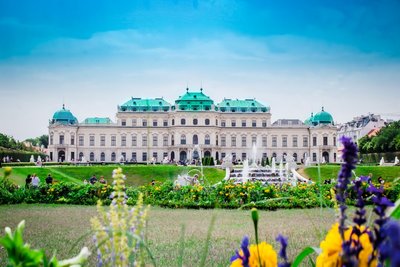
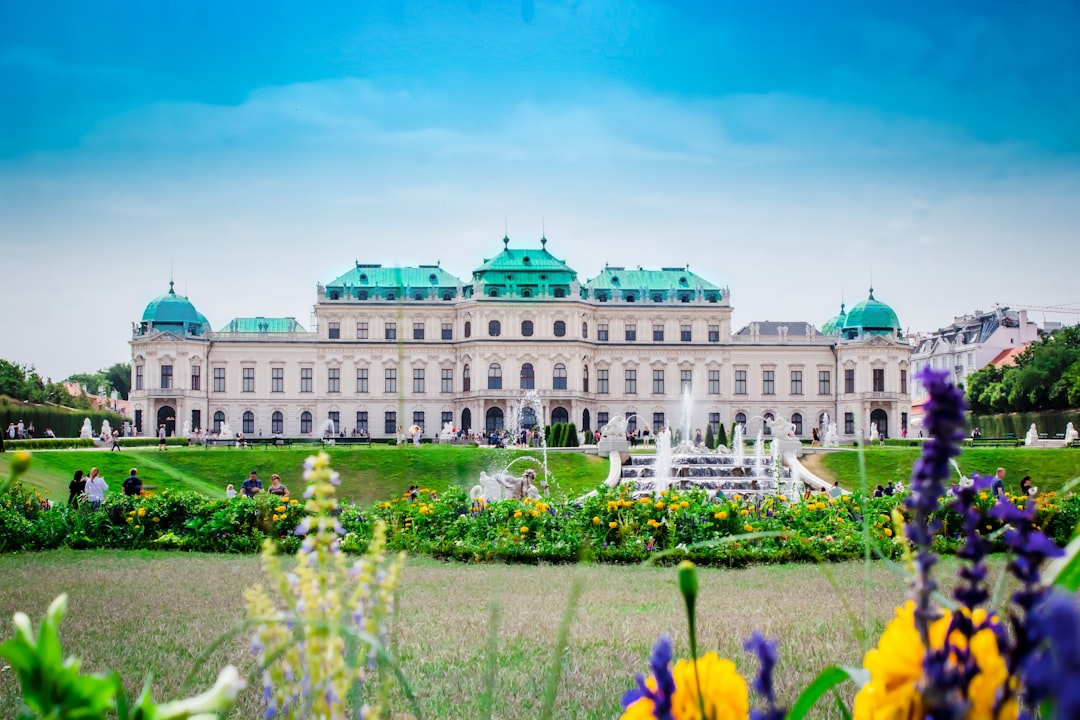
white concrete building
i

white concrete building

Photo by Sami Ullah

Belvedere Palace

Baroque gardens and grand halls surround Belvedere Palace, where Klimt’s “The Kiss” glows among Austrian masterworks. Stroll shaded paths, tour marble galleries, and catch city views from manicured terraces. Art lovers’ paradise.

Learn More

How to get there

By air

Vienna International Airport (VIE) is the main gateway to the city, offering extensive connections from Europe and worldwide. The airport is located about 18 km southeast of the city center with multiple transport options into Vienna.
Options to get to town:
TypePriceDurationWhere to buy
Taxi€36–€4520–30 minutesAt airport taxi stands or via taxi apps
Airport bus€920–40 minutesOnline or at airport ticket machines
Train/shuttle€4.30 (S-Bahn); €14 (City Airport Train)15–30 minutesTicket machines at airport or online

By train

Vienna is a major rail hub in Central Europe with direct trains from neighboring countries and regional Austrian destinations. Hauptbahnhof (Main Station) is the city’s principal terminal.
Useful websites for train tickets:

By car

Vienna is accessible via major motorway (Autobahn) routes from across Austria and neighboring countries. Be aware of Austrian driving regulations, including compulsory vignettes (toll stickers) for highways.
Additional charges to be aware of:
FeeCostHow to pay
Toll / vignette / emission sticker€11.50 (10-day vignette for cars)Online, gas stations near border, or at Austrian service areas
Other driving costsParking fees vary by zone (€2–€4 per hour in central Vienna)On-street payment machines or mobile apps

How to get around

Public transport

Vienna’s public transport system is efficient, reliable, and extensive, covering the city with U-Bahn (subway), S-Bahn (commuter rail), trams, and buses. It’s the best way to get around for most visitors, with frequent services from early morning until late night.

Ticket options:
Ticket TypePriceWhere to buy
Single ticket€2.40Ticket machines at stations, tobacco shops (Trafik), and via Wiener Linien app.
Day pass€5.80 (24 hours), €14.10 (72 hours)Ticket machines, Vienna tourist info points, and Wiener Linien app.

Taxis & ridesharing

Taxis are available at ranks across the city and can be hailed on the street or booked by phone. Ridesharing services offer a convenient alternative, especially late at night or for trips to and from the airport.

Service providers:
ProviderPriceHow to book
Local taxiStarting at €4.60 plus €1.30 per kmTaxi stands, phone booking, or taxi apps like Taxi 40100/31300.
Ridesharing appVariable, from about €5 for short city ridesApps such as Uber or Bolt.

Car rental

Car rentals are useful if you plan to travel out of the city or explore the surrounding regions. Within Vienna, public transport is generally more convenient due to limited parking and traffic restrictions in the city center.

Rental options:
ServicePriceHow to book
Daily rentalFrom €40 per dayMajor providers at the airport and city center (Europcar, Sixt, Hertz).
Weekly rentalFrom €200 per weekCar rental company offices or booking platforms.

Bike & scooter rental

Biking and e-scooters are popular for exploring Vienna's parks and riverfronts. Dedicated bike lanes make cycling safe and enjoyable, while scooter rentals add flexibility for short trips.

Rental options:
ServicePriceHow to book
Bike rentalFrom €1 per hour / €10-15 per dayCitybike Vienna stations, Radlager, or other local rental shops.
Scooter rental€1 to unlock + ~€0.19 per minuteE-scooter provider apps (Lime, TIER, Bird).

What to eat

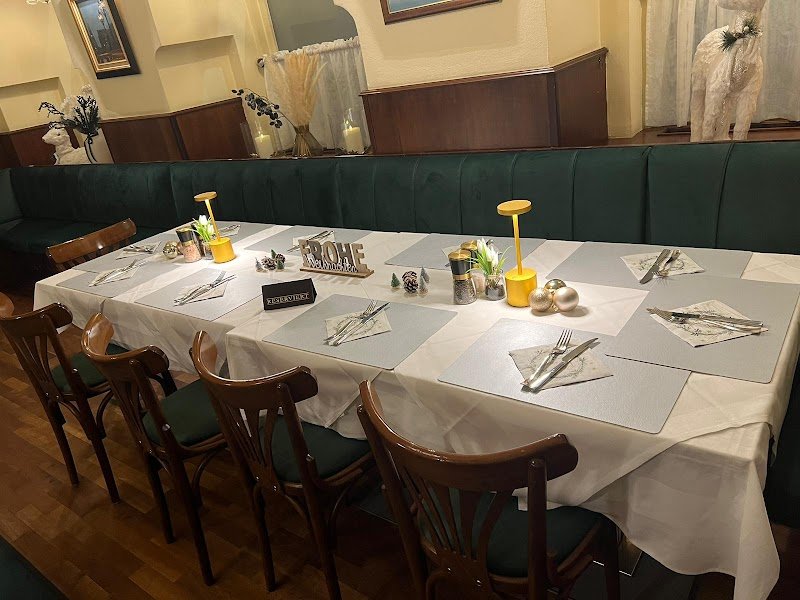
The first scent that hits you in Vienna isn’t perfume—it’s roasting coffee and warm cake. In grand cafés and noisy markets, the air hums with sweet, spiced, and savory aromas. Sidewalks clink with plates, glasses, and chatter. Here, eating is part ritual, part pleasure. Vienna is where old-world elegance meets comfort food. On my first stroll along the Ringstrasse, the promise of tafelspitz and flaky strudel pulled me from midday wanderings into candlelit dining. Don’t come hungry—come curious.

Signature Dishes

  • Wiener Schnitzel: Thin, golden, and crispy veal (or pork). It crackles at the first bite, usually served with tangy potato salad. Every restaurant claims its family recipe.
  • Tafelspitz: Beef simmered tender in broth with root vegetables. Served with apple-horseradish and chive sauce. Long favored by emperors and locals alike.
  • Sachertorte: Dense chocolate cake layered with apricot jam. Crowned by a smooth, bittersweet glaze. Vienna’s most iconic treat—especially at Café Sacher or Demel.
  • Kaiserschmarrn: Fluffy, shredded pancakes dusted with powdered sugar and paired with plum compote. A comfort-food classic with imperial roots.
  • Gulasch: Hearty paprika beef stew. Rich, warming, with hints of spice and caraway—perfect after a chilly stroll.

Street Food & Markets

Skip hotel breakfasts—Vienna’s best flavors are found on the street. Bite into a juicy Würstel at the Bitzinger stand near the Albertina, juices splattering tangy mustard and roll. At Naschmarkt, feel the jostle as you sample marinated olives, strong cheeses, and salty pickles from bustling vendors. Stop at a Backerei for a fresh Leberkäsesemmel: meatloaf sandwiched in a soft bun, smothered with mustard. Yes, some stands hike prices for tourists, but locals shop here for good reason—the options are endless, and smiles genuine.

Sweet Treats & Drinks

No one leaves Vienna without a sweet tooth. Cafés serve glossy Topfenstrudel—a creamy, cheesy cousin to apple strudel. Pair desserts with a sharp Melange (Viennese coffee) or a glass of tart Grüner Veltliner wine. Diners still debate the best Apfelstrudel: flaked pastry, spiced apples, cloud-light cream. Nights stretch longer with cinnamon-scented Punsch at outdoor Christkindl markets each winter.

Why Travelers Eat Here

  • Sumptuous cafés, centuries-old, where cakes feel like art and coffee is an experience.
  • Diverse street food and vibrant open-air markets packed with locals, not just tourists.
  • Tradition meets invention—classic recipes proudly coexist with global flavors and trends.
  • Atmospheric taverns (Heurigen) in the hills, pouring crisp wines and offering rustic views.

Walking these boulevards after dusk, a last mouthful of pastry in hand, Vienna lingers with you. Here, flavor and history are never strangers, and every meal tells a tale.

Top Rated Restaurants

SIXTA

SIXTA

4.9 (2.4k reviews)
$$
LocationSchönbrunner Str. 21, 1050 Wien, Austria
Restaurant Vienne/OnurChefs

Restaurant Vienne/OnurChefs

4.8 (8.2k reviews)
$$
LocationFleischmarkt 20/22, 1010 Wien, Austria
Bauernbräu

Bauernbräu

4.8 (3.1k reviews)
$$
LocationGumpendorfer Str. 134/136, 1060 Wien, Austria
Das Lokal im Hof

Das Lokal im Hof

4.7 (948 reviews)
$$
Locationim Innenhof der Alpenmilchzentrale, Weyringergasse 36, 1040 Wien, Austria
Huth Gastwirtschaft

Huth Gastwirtschaft

4.6 (2.9k reviews)
$$
LocationSchellinggasse 5, 1010 Wien, Austria

Accommodations

Grand palaces and indie cafes—Vienna layers imperial charm with working-class grit. Which side you meet depends on where you rest your head. The “right” area shapes mornings, moods, and meanderings. Years of wrong turns and lucky finds taught me: the neighborhood matters even more than the sheets you slip into.

Neighborhood Overview

  • Innere Stadt: The first district, Vienna’s historic core, wraps you in Baroque facades and museum grandeur. Best for first-timers and wide-eyed romantics. Arm’s reach from St. Stephen’s, opera, and horse-drawn carriages, but tourist crowds surge by midday. Prices often match the postcard views.
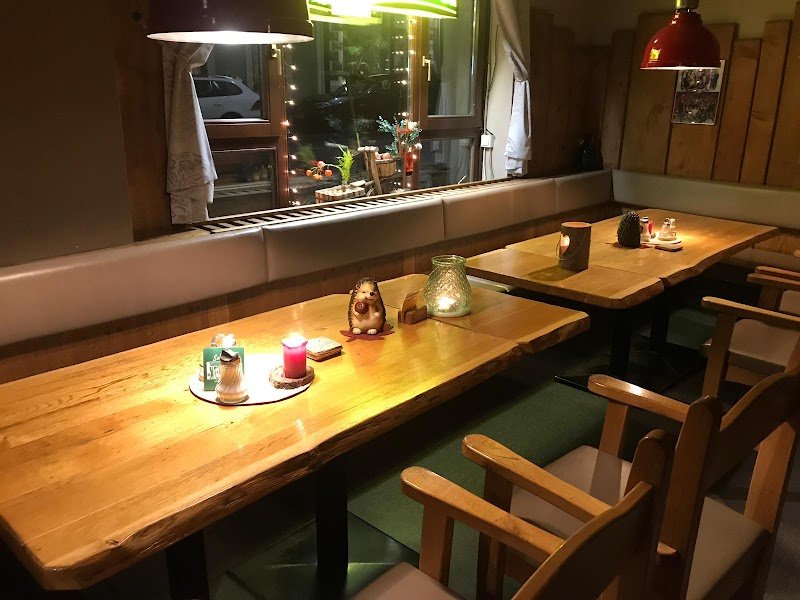
  • Leopoldstadt: Life pulses in second district’s leafy Prater park, cozy bakeries, and multicultural buzz. Young couples and families stroll the Danube Island. Locals picnic in summer, far from the hustle. Hotels span classic pensions to stylish boutiques, usually more gently priced.
  • Neubau: Hipsters flock to this seventh district for street art and indie boutiques. MuseumsQuartier’s modern galleries attract students, night owls, and design lovers. Lively bars make for noisy nights, but also easy walks home. Rooms range from backpacker hostels to minimalist Airbnbs.
  • Wieden: Just south of the center, Wieden (fourth district) hums with local flavor. Naschmarkt’s open-air food stalls tempt foodies early and late. Quieter side streets, smaller guesthouses, and reasonable rates here draw artists and longtime Viennese. The trendier Margaretenstrasse offers drinks after dark.

Types of Accommodation

  • Historic hotels: Places like Hotel Sacher or Hotel Imperial bring turn-of-century luxury for €300+ per night, plus bespoke service.
  • Mid-range boutiques: Hotel am Brillantengrund in Neubau, or Hotel Beethoven in Wieden, cost €110–€180, mixing character with location.
  • Family pensions and apartments: Pension Wild (Josefstadt) or Airbnb flats (especially in Leopoldstadt) often run €80–€130, with kitchens and local color.

Insider Tips for Booking

Book three months ahead if visiting in spring or December—Vienna’s festive markets spike rates fast. Summer lulls can offer deals, but check for heatwaves (not every spot has AC). Remember a city tax—about €2.20 per person, per night—added at check-in.

Late at night, Vienna’s lights soften across cobbled streets. Distant tram bells echo, hinting at stories in every room. Choosing the right home base lets you slip beneath this city’s surface. The memory of Vienna lingers—long after you turn the key and step outside.