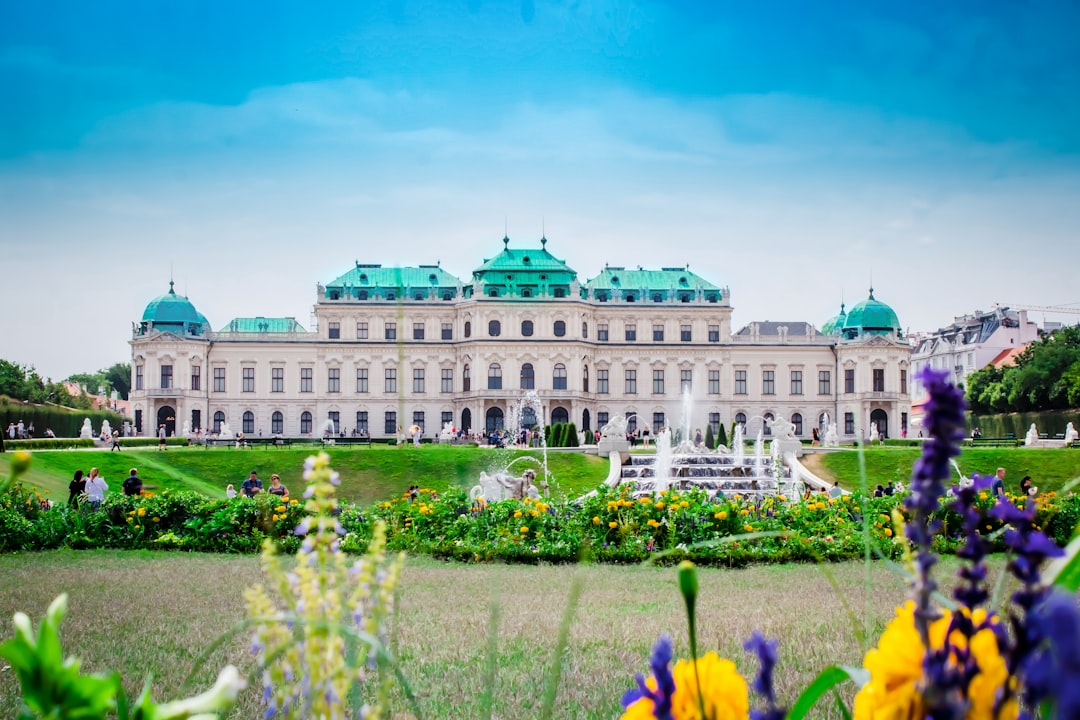
white concrete building

Belvedere Palace

Vienna, Austria
i

white concrete building

Photo by Sami Ullah

Step through ornate iron gates, and the world shifts. Birds dart around sculpted fountains while sunlight glints off towers with copper-green domes. This palace, built for princes and full of secrets, feels like a bridge between art and history. Intricate gardens, grand marble halls, and masterpieces tucked around every turn—all reward those willing to wander and look up.

Visiting Info

Currency
Entrance fee
Free
Hours
Opening hours
Monday: 9:00 AM – 6:00 PM
Tuesday: 9:00 AM – 6:00 PM
Wednesday: 9:00 AM – 6:00 PM
Thursday: 9:00 AM – 6:00 PM
Friday: 9:00 AM – 6:00 PM
Saturday: 9:00 AM – 6:00 PM
Sunday: 9:00 AM – 6:00 PM

Contact Information

Location
Address
1030 Vienna, Austria

Planning your visit

Planning a successful trip to Belvedere Palace starts with timing. Most days, crowds gather early, especially during the high summer season and weekends. Luckily, the grounds sprawl wide, so there’s nearly always a pocket of calm, whether among roses or beside glimmering ponds. Several trams and buses stop just outside the main gates, providing easy access from central Vienna. Many families, solo travelers, and older visitors find the walkways manageable, though some areas—including the Upper Palace—do require steep steps or rely on small lifts. Booking admission online, especially for special exhibitions, saves time and hassle.

  • Best time to visit: Early morning in spring or fall; weekdays are typically quieter.
  • How to get there: Take Tram D from the city center to Schloss Belvedere stop; several buses and trains also stop nearby.
  • Accessibility: Most main paths and buildings have step-free access, though some historic rooms have stairs. Strollers and wheelchairs can be accommodated, but some lifts are small.
  • Average visit duration: Plan at least 2–3 hours for the palaces and gardens; art lovers could spend half a day.

Must see stuff

Sweeping staircases usher visitors into bright halls lined with gold leaf and baroque frescoes. The Upper Palace, famous for its world-class collection of Austrian art, is a must. Gustav Klimt’s shimmering "The Kiss" draws many, but dozens of quieter paintings reveal Vienna’s changing face over the centuries. Outside, terraced gardens stretch between the Upper and Lower Palaces, anchored by reflective pools and statues of mythical figures. For the best photo, climb gently sloping hills to the Oberes Belvedere terrace just as dusk falls—city rooftops light up, and all feels lit from within. A special treat hides in the Orangery and Palace Stables, where contemporary shows, rare prints, and even medieval treasures appear year-round.

  • Don't miss: Klimt’s "The Kiss" in the Upper Belvedere, grand Marble Hall, and the French-style formal gardens.
  • Unique experience: Take a guided Art and History tour, pause by the quiet Lower Belvedere reflecting pond in spring for peace and blooming magnolias.
  • Photo-worthy: The view from the Upper Palace steps, the symmetrical gardens with Vienna in the background, and the ornate palace gates.
  • Cultural facts: Commissioned by Prince Eugene of Savoy in the early 1700s as a summer retreat, the palace later became the site of Austria’s historic 1955 State Treaty signing.

Tips for your visit

To enjoy Belvedere Palace without stress, start before the first big wave of tour groups—usually by 10 a.m. Dress for walking; even on mild days, the gravel paths can be rough. Pack water and a snack, as café space is limited at peak hours. Photography is allowed—except with flash inside galleries—but be mindful of velvet ropes and staff directions. Gardens invite picnics and quiet rest, though locals value order and ask that visitors keep to marked walkways. Like many royal spaces, Belvedere’s stairs get slippery on wet mornings, so take care when rain threatens.

  • Best times to avoid crowds: Arrive just after opening or late afternoon, and visit on a weekday if possible.
  • What to bring: Water bottle, snacks, camera, and comfortable walking shoes.
  • Local etiquette: Stay on garden paths, keep voices low in galleries, and respect "no flash" photography signs.
  • Safety and comfort: Watch out for slick stairs in winter or after rain. Locker rooms are available for larger bags and coats.