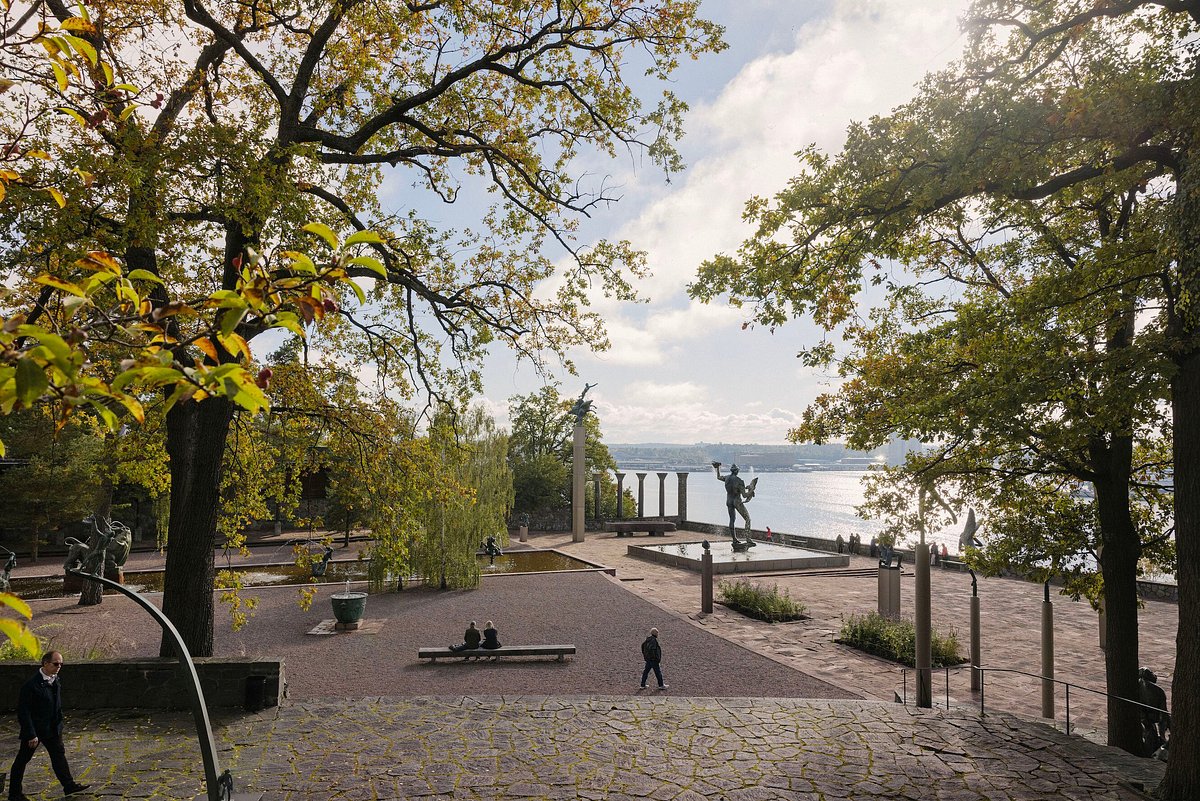
Beautiful view of Millesgården Museum

Millesgården Museum

Stockholm, Sweden
i

Beautiful view of Millesgården Museum

Through the rustle of wind in tall birches and the scent of salt carried from the Baltic, Millesgården Museum emerges—a blend of art and nature perched above Stockholm’s waterways. Here, a visitor steps into an artist’s world. Not a sterile gallery, but a living sculpture park where bronze gods leap toward the clouds and fountains dance beneath ivy-covered terraces. For anyone who craves creativity with their fresh air, Millesgården promises an experience both spirited and serene.

Visiting Info

Currency
Entrance fee
170 SEK
Hours
Opening hours
Monday: Closed
Tuesday: 11:00 AM – 5:00 PM
Wednesday: 11:00 AM – 5:00 PM
Thursday: 11:00 AM – 5:00 PM
Friday: 11:00 AM – 5:00 PM
Saturday: 11:00 AM – 5:00 PM
Sunday: 11:00 AM – 5:00 PM

Contact Information

Location
Address
Herserudsvägen 32, 181 50 Lidingö, Sweden

Planning your visit

Thoughtful planning helps unlock the secrets of Millesgården Museum, located in the peaceful suburb of Lidingö just outside central Stockholm. While no time feels truly empty in this popular spot, weekday mornings or late afternoons can be quieter. Tickets often sell quickly during busy holiday periods and weekends, so pre-booking helps save time and hassle. Public transit connects central Stockholm with the museum—expect a short, scenic journey, which may include either bus or light rail. Families find the gardens welcoming, with open spaces for children to roam; seniors and visitors with mobility concerns will notice some cobblestone paths but ramps and accessible facilities are available throughout most of the site.

  • Best time to visit: May through September, weekday mornings or late afternoons for fewer visitors
  • How to get there: Metro or light rail to Ropsten Station, transfer to Lidingöbanan tram to Torsvik, then walk 10 minutes
  • Accessibility: Most paths and galleries accessible; some areas have uneven terrain or stairs, but ramps are present
  • Average visit duration: Two to three hours covers gardens and exhibitions at a relaxed pace

Must see stuff

For many, the draw begins with the open-air sculpture park—a hillside wonderland where mythological figures gaze out over the cityscape and water glimmers in hidden pools. Carl Milles’ monumental creations command the garden, blending Swedish folklore with classical artistry. Indoors, the artist’s former home reveals a more personal touch. Each sunlit room displays his sketches, treasured finds, and rotating exhibitions by Swedish and international artists. Don’t miss the atmospheric terraces, brimming with flowers or fresh snow, and the original studio, whose towering ceilings frame long-forgotten clay molds and dusty tools.

  • Key sights or features: Main sculpture garden, Artist’s Home and Studio, Antique Collection, Lower Terrace’s colossal statues, and the expressive "Hand of God" sculpture
  • Unique experiences: Join a guided weekend tour for stories of Milles’ creative process; find the fairy-tale fountain "The Poseidon Group," tucked beyond main pathways; explore occasional art workshops open to families
  • Photo-worthy locations: The terrace with panoramic city and archipelago views; the monumental steps lined with statues; flowering courtyards in spring
  • Cultural or historical facts: Millesgården was established in 1908 by Carl and Olga Milles as both a home and open-air gallery. Its classical layout mirrors Italian villas, while the art reflects turn-of-the-century Swedish imagination and craftsmanship

Tips for your visit

Small touches—not overstaying at midday, having sunscreen and water, taking time to pause on a shaded bench—can elevate even the shortest trip to Millesgården Museum. Paths can be steep or slippery after rain or snow, so comfortable shoes really matter. The on-site café, though charming, fills quickly; a light picnic on the outer lawns can be just as memorable, especially during long summer evenings. Swedes value quiet appreciation—keep voices low in indoor galleries and step aside for staff tending the grounds. Photos are welcome outside, yet flash is best avoided in older rooms and the studio for artwork protection.

  • Best times to avoid crowds: Tuesday, Wednesday, or Friday mornings outside major school holidays
  • What to bring: Walking shoes with good grip, layered clothing for the weather, refillable water bottle, compact camera or phone
  • Local etiquette: Respect quiet zones in the house, do not climb on sculptures, and dispose of litter thoughtfully
  • Safety and comfort advice: Watch for uneven paving in the gardens, plan breaks in shaded areas, and check schedules in advance for workshops or temporary exhibitions