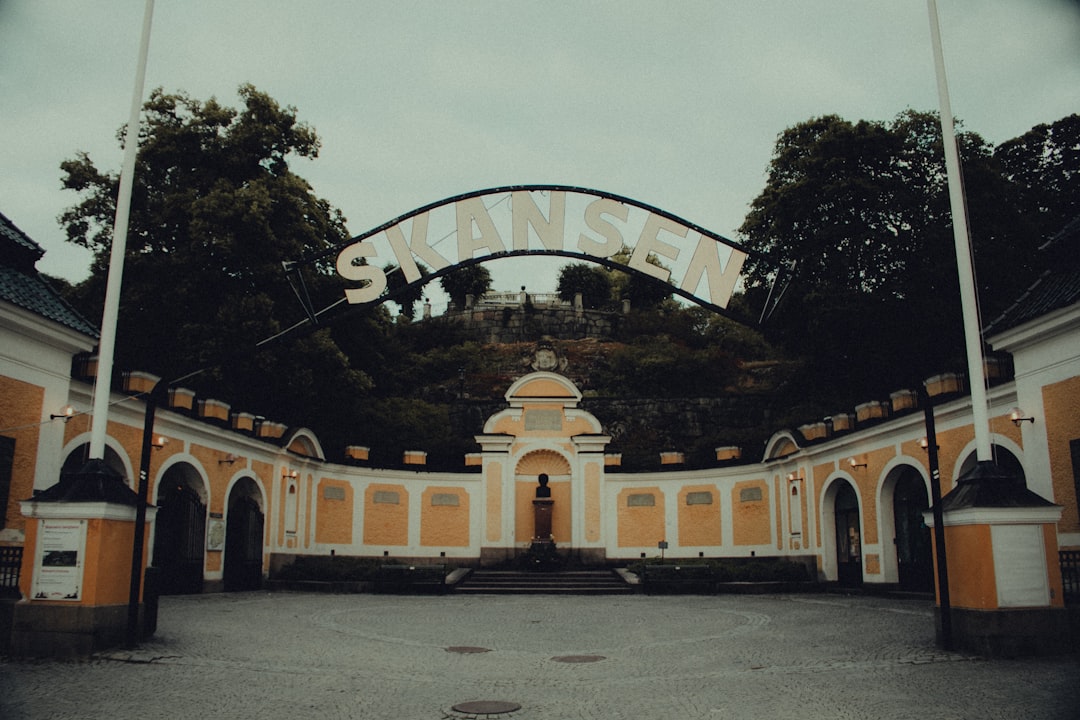
the entrance to a building with a clock tower in the background

Skansen

Stockholm, Sweden
i

the entrance to a building with a clock tower in the background

Photo by Austin Farrington

Fresh pine in the air and the distant clatter of hooves on cobbled lanes—Skansen feels less like a museum and more like a doorway into Sweden’s past. On the heights of Djurgården island, Stockholm’s famous open-air museum bursts with color and life. Traditional farmhouses, cheerful town squares, and native wildlife coexist in this unusual blend of history, culture, and natural beauty. With laughter echoing from old-fashioned carnival rides and bread baking in wood-fired ovens, Skansen creates a living, breathing snapshot of Swedish tradition that draws visitors of every age—and rewards curiosity many times over.

Visiting Info

Currency
Entrance fee
220 SEK
Hours
Opening hours
Monday: 10:00 AM – 3:00 PM
Tuesday: 10:00 AM – 3:00 PM
Wednesday: 10:00 AM – 3:00 PM
Thursday: 10:00 AM – 3:00 PM
Friday: 10:00 AM – 3:00 PM
Saturday: 10:00 AM – 4:00 PM
Sunday: 10:00 AM – 4:00 PM

Contact Information

Location
Address
Djurgårdsslätten 49-51, 115 21 Stockholm, Sweden

Planning your visit

Proper planning helps visitors get the most out of a trip to Skansen. The experience unfolds best outside the harshest weather and before crowds peak. The entry gates, perched a quick tram ride from Stockholm’s center, open into winding paths and rustic buildings, so comfortable shoes are essential. Queues range from brisk to lengthy, especially on weekends or school holidays, but advance tickets can save time. Families, seniors, and younger children all find the site accessible, but hilly walkways and older structures require occasional patience. A few hours allow for a pleasant overview, but those who linger may discover extra layers of charm.

  • Best time to visit: Late spring to early autumn, or early morning for fewer crowds.
  • How to get there: Take tram 7 from Stockholm’s city center, bus lines, or a pleasant ferry from Nybroplan.
  • Accessibility: Generally stroller and wheelchair-friendly, though some steep hills and cobblestones. Family restrooms and picnic areas available.
  • Average visit duration: 3–4 hours for highlights; a full day for deeper exploration or special events.

Must see stuff

Skansen’s appeal lies in the astonishing variety packed into its leafy acres. More than 150 historic buildings, farmsteads, and workshops have been gathered from every corner of Sweden, each staffed by guides in period costume. Within this vibrant miniature nation, visitors pet goats in a traditional Lapland Sami camp, sample cinnamon buns in a bakery from the 1800s, watch glassblowers at work, or sway to folk music near the main stage. Wildlife enclosures introduce Nordic animals—elk, lynx, and even brown bears—while the Children’s Zoo offers hands-on fun for little travelers. No visit is complete without panoramic city views from the hilltop church, or a pause by the blooming rose garden when summer hits.

  • Historic buildings: Blekinge farmstead, 19th-century wooden church, and the stately Skogaholm Manor.
  • Animal encounters: Wolves, bears, seals, reindeer, and farm animals in seasonal paddocks.
  • Unique experiences: Old-fashioned funfair games; crafts in the Glassworks cottage; Swedish midsummer pole dancing (June); Christmas markets with mulled wine and crafts (December).
  • Photo spots: Lill-Skansen playground, elk and bison enclosures, flower-framed cottages, and sweeping city skyline from Solliden.
  • Cultural facts: Skansen, opened in 1891, was the world’s first open-air museum and remains a model for similar parks across Europe and North America.

Tips for your visit

A successful Skansen trip depends on blending well-prepared plans with a willingness to wander. Shuttle trams, maps available at the gates, and friendly uniformed staff help first-timers stay oriented among twisting paths. Visitors should check the daily event board for unexpected treats: folk dance shows, craft demos, or pop-up tastings in the bakery. Sun hats, lightweight ponchos, and sturdy walking shoes fit Skansen’s outdoor mood whatever the weather brings. While most Swedes love orderly queues and picnic manners, wildlife enclosures have clear rules—keep fingers out, and don’t feed the animals. In summer, crowds can get thick around the animal pens and main entrances, so arriving early or late can mean shorter waits and better photos.

  • Best times to avoid crowds: Weekdays, especially mornings, outside school breaks. Late afternoon in midsummer can be peaceful, especially at the outer farmsteads.
  • What to bring: Water bottle, sunscreen, and a camera. Dress in layers—weather can change quickly. Cashless payments are standard throughout Skansen.
  • Etiquette: Respect the roped-off paths and docent instructions; locals appreciate quiet interest during traditional celebrations.
  • Comfort and safety: Many picnic tables and shaded lawns for breaks. Most cafes have allergy-friendly snacks. Expect lots of walking, but plenty of benches for resting tired legs.