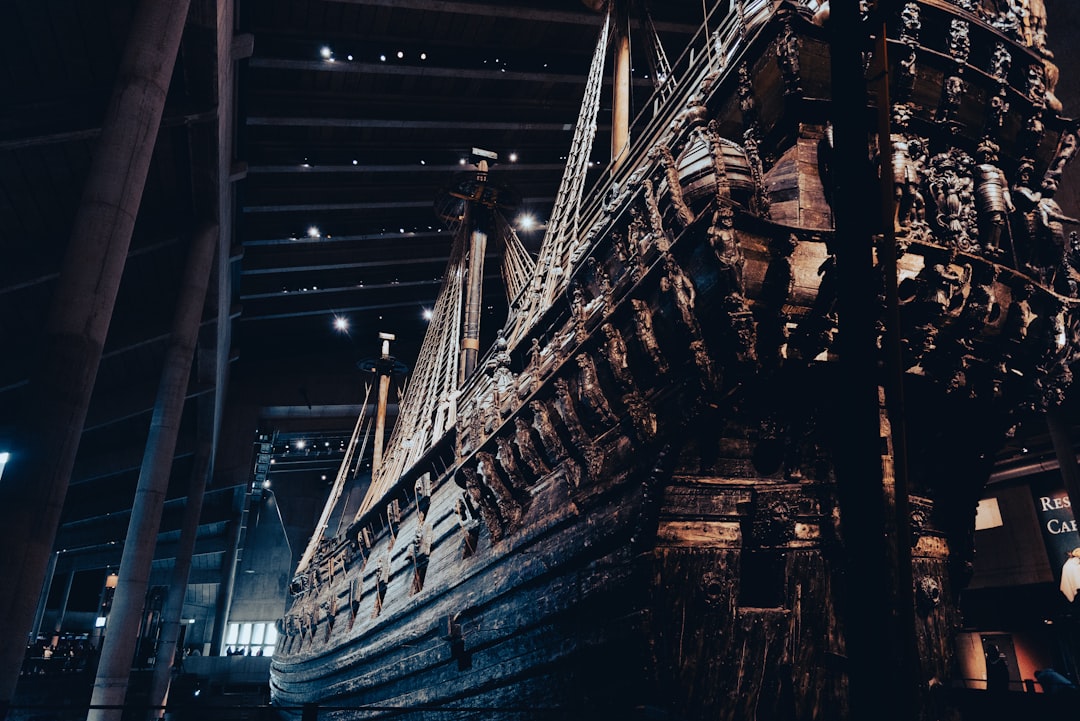
a large wooden boat in a building
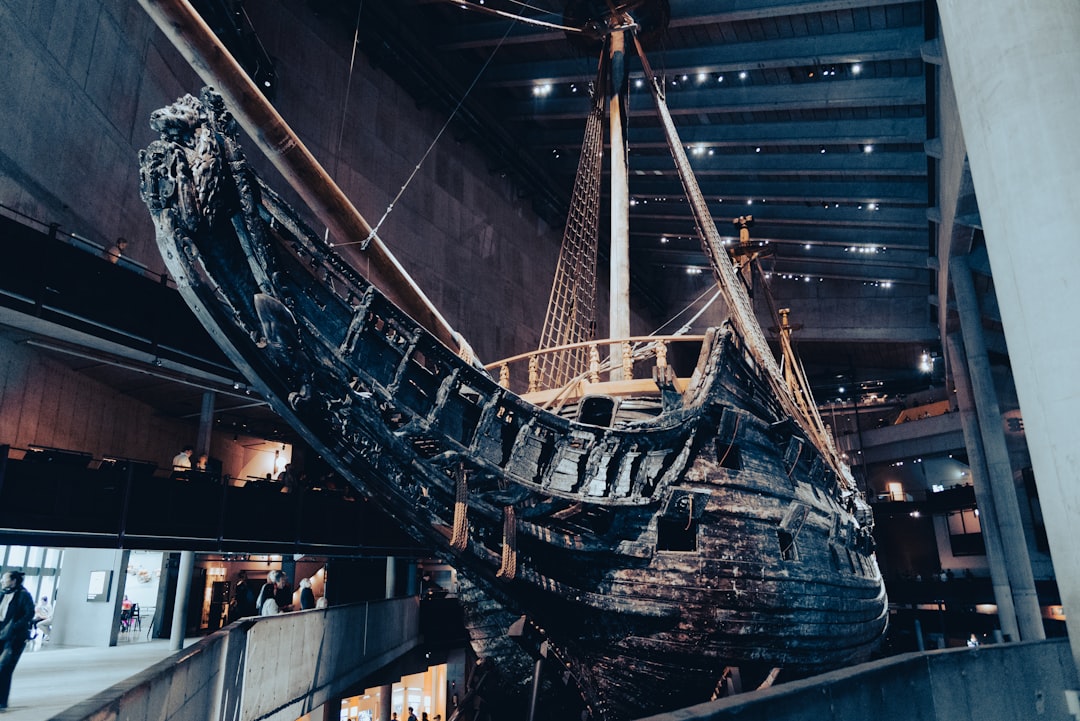
a large wooden boat sitting inside of a building

Vasa Museum

Stockholm, Sweden
i

a large wooden boat in a building

Photo by Lorenzo Liverani

Salt air sharpens the senses outside, while inside, the ghost of a royal warship dominates the shadowy gallery. The moment the eyes adjust, massive wooden beams, carved lions, and faded paint hint at lost centuries and daring ambition. Here, history looms at full scale: the Vasa Museum—where a single shipwreck draws the curious, the learned, and the wide-eyed together for a journey below Stockholm’s modern surface.

Visiting Info

Currency
Entrance fee
190 SEK
Hours
Opening hours
Monday: 10:00 AM – 5:00 PM
Tuesday: 10:00 AM – 5:00 PM
Wednesday: 10:00 AM – 8:00 PM
Thursday: 10:00 AM – 5:00 PM
Friday: 10:00 AM – 5:00 PM
Saturday: 10:00 AM – 5:00 PM
Sunday: 10:00 AM – 5:00 PM

Contact Information

Location
Address
Galärvarvsvägen 14, 115 21 Stockholm, Sweden

Planning your visit

Thoughtful planning makes a visit to the Vasa Museum rewarding, especially with its well-deserved popularity. Lines may snake around, especially on weekends or high season afternoons, so buying tickets in advance often saves time. The museum sits on Djurgården, an island in central Stockholm easily reached but inviting enough to linger long after viewing the ship. The museum’s clear signs and ramps help families with strollers and visitors with mobility needs enjoy the collection. Just outside, gardens and waterfront paths offer room to breathe before or after your exploration.

  • Best time to visit: Early morning or late afternoon, especially from September to April for fewer crowds.
  • How to get there: Tram #7 from central Stockholm, bus #67, or a ferry from Slussen to Djurgården. Walking from downtown takes about 20 minutes across scenic bridges.
  • Accessibility: Wheelchair friendly, with elevators to all decks; family restrooms and locker storage available.
  • Average visit duration: 1.5–3 hours, longer if stopping at the café or gift shop.

Must see stuff

The Vasa Museum centers on its namesake: a 226-foot-long warship that sank in 1628, preserved by Baltic Sea silt and masterful restoration. Beyond the enormous hull, careful visitors can trace sailors’ daily routines, marvel at carved panels, and explore deep questions about luck, technology, and ambition shaping Sweden’s rise. Galleries offer dramatic lighting, uncovering both grand scale and tiny, poignant relics.

  • Main deck and gun ports: Towering masts and original cannons invite close inspection.
  • Detailed carvings: Lions, cherubs, and mythological figures—each hand-carved, some still bearing flecks of original paint.
  • Model recreations: See the Vasa’s interior as it looked before its maiden (and only) voyage.
  • Skeleton remains and artifacts: Shoes, combs, coins, and sailor bones found within the wreck, telling stories of real lives lost and found.
  • Guided tours in several languages: Delve deeper on history walks included in admission, or book special small-group experiences.
  • Photo spots: Panoramic views from the upper balconies make for dramatic keepsakes. Don’t miss the ‘stern view’ with its stacked statues and carved emblems.
  • Interactive family exhibits: Kids can climb into a replica ship cabin or join hands-on activities explaining life at sea.
  • Swedish naval history: Learn how the ship’s failure changed maritime law, engineering, and royal pride for centuries.

Tips for your visit

To make the most of the Vasa’s wonders, a few insider tips help avoid frustration and nurture discovery. Lines can be long—but patience pays off. Light can run dim to protect the wood, so sturdy walking shoes make exploring ramps and galleries easier. Hungry? The ground-floor café serves classic cinnamon buns and hearty soups, though seating may fill quickly during peak hours. Most Swedes keep conversations subdued indoors; visitors who reciprocate the quiet amplify the museum’s air of respect. Don’t touch the wood—oils from hands spell disaster for preservation.

  • Avoiding crowds: Arrive at opening (10:00am) or after 3:30pm, especially midweek.
  • What to bring: Water bottle, camera (no flash), layers for temperature changes, comfortable walking shoes.
  • Local etiquette: Respect marked photo zones. Keep voices low in exhibit halls.
  • Comfort notes: Museum air can be cool to preserve the Vasa, so a light sweater helps.
  • Extra discovery: Ask about temporary exhibits and seasonal family programs—hidden gems for repeat visitors.