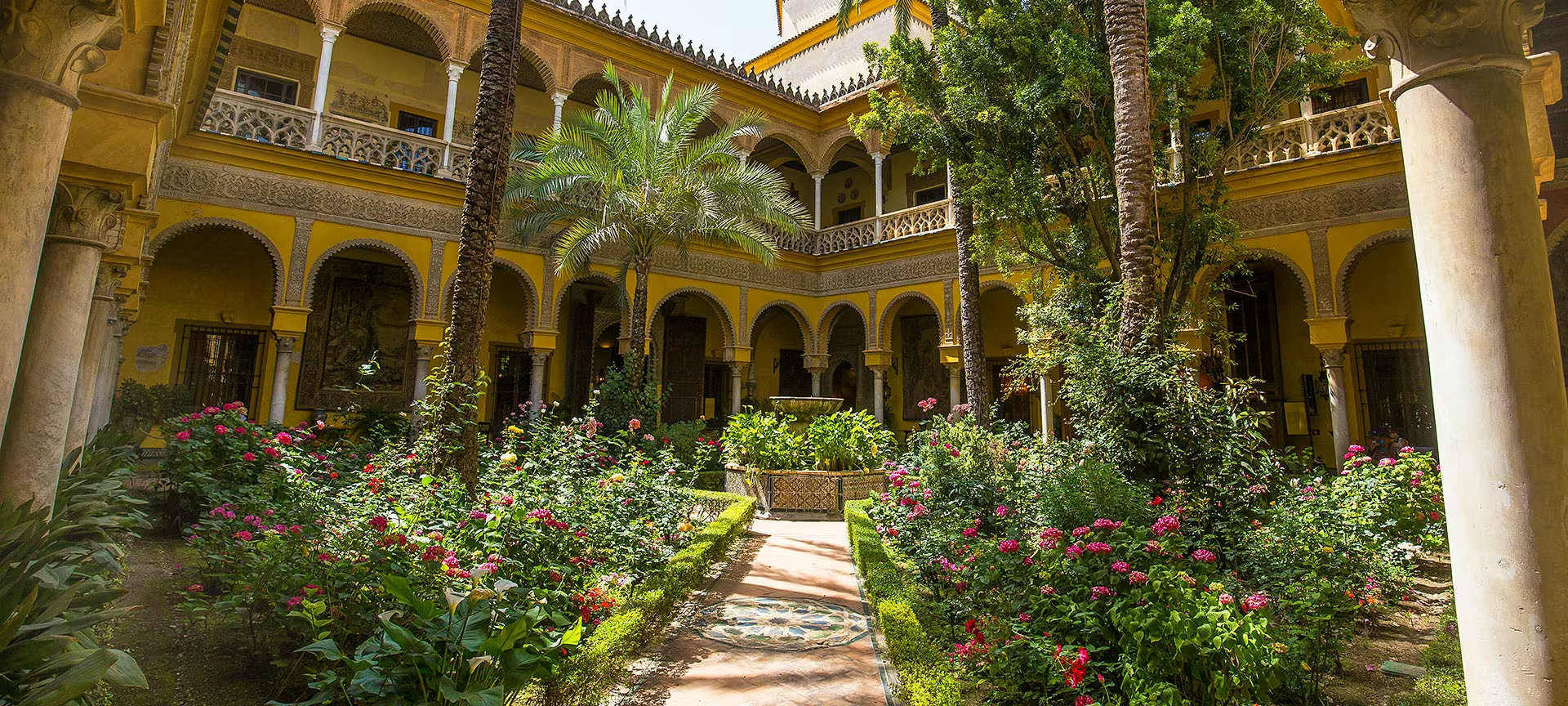
Palacio de las Dueñas, a historic Seville palace with elegant courtyards and lush gardens.

Palacio de las Dueñas

Seville, Spain
i

Palacio de las Dueñas, a historic Seville palace with elegant courtyards and lush gardens.

Beneath the soft Andalusian sun, layers of history and layers of jasmine meet at Palacio de las Dueñas, one of Seville’s most enchanting estates. Once a noble residence, later a creative refuge for poets and dukes, this palace weaves centuries of Spanish culture through riotous gardens, sun-bleached facades, and intricate Moorish tiles. A visit offers much more than a peek at aristocratic life; it brings moments of quiet surprise—unexpected at-home touches, secret courtyards, and echoes of old Sevilla found nowhere else.

Visiting Info

Currency
Entrance fee
14 EUR
Hours
Opening hours
Monday: 10:00 AM – 6:00 PM
Tuesday: 10:00 AM – 6:00 PM
Wednesday: 10:00 AM – 6:00 PM
Thursday: 10:00 AM – 6:00 PM
Friday: 10:00 AM – 6:00 PM
Saturday: 10:00 AM – 6:00 PM
Sunday: 10:00 AM – 6:00 PM

Contact Information

Location
Address
C. Dueñas, 5, Casco Antiguo, 41003 Sevilla, Spain

Planning your visit

Visiting Palacio de las Dueñas can fit almost any itinerary, but a thoughtful plan helps make the most of the experience. Early mornings or late afternoons promise gentle light and a peaceful pace, while midday can feel lively with visitors from around the world. Located in the historic heart of Seville, the palace sits tucked among narrow streets, only a short walk from landmarks like Metropol Parasol. Advance ticket purchases are recommended, especially in the spring and fall when temperatures feel perfect and crowds grow. Some paved pathways and modest ramps make portions of the palace accessible, while other areas keep their centuries-old layout. Travelers who plan for a relaxed pace—allowing time for both main halls and quiet corners—get a richer glimpse of how this estate was truly lived in.

  • Best time to visit: Spring (March–May) and early autumn; mornings for fewer visitors
  • How to get there: Walk from Seville’s historic center, or take local buses (lines 13, 14, or C5) to nearby Plaza de la Encarnación; limited street parking
  • Accessibility: Partial wheelchair access; manageable for families and seniors, but strollers or large wheelchairs may find some areas tricky
  • Average visit duration: 1.5 to 2 hours, including gardens and exhibitions

Must see stuff

Spread over several lush courtyards and sumptuously decorated rooms, Palacio de las Dueñas invites exploration at every turn. Sweeping arched galleries connect intimate parlors filled with antique furnishings, while splashes of blue and yellow tilework reflect both Moorish heritage and Renaissance touches. The gardens, framed by fragrant orange trees and tall palms, hold paths where birds and butterflies compete for attention. Don’t miss quieter wings—a former chapel or the orange-flushed Patio del Aceite—where solitude gives way to daydreams. For many, the highlight comes with spotting the writing study where poet Antonio Machado was born, a small, sunlit corner filled with inspiration from another era.

  • Key sights: Main courtyard (Patio Principal), Antonio Machado’s childhood room, collection of ceramic tiles, grand staircase with 15th-century heraldic emblems
  • Unique experiences: Wandering secluded gardens buzzing with bees, touring private salons decorated with original paintings and photographs, listening to the faint sound of fountains around shaded benches
  • Photo-worthy locations: Rose-draped arches in the main patio, vibrant azulejos on the upper gallery, tranquil garden benches under jacaranda trees
  • Cultural facts: Seat of the Duchy of Alba; birthplace of Machado; gathering place for writers, artists, and Spanish royalty

Tips for your visit

Smart planning means more time for wonder and less time standing in line. Arriving close to opening hours avoids tour bus clusters. Heat lingers, even in shaded corners, during Seville’s midday—hydration helps. Most visitors snap dozens of photos, but pausing to soak in quieter details, like painted ceilings or antique tiles, is well worth a little extra time. Staff are friendly but often busy, so reading up on the palace’s layered history beforehand can enrich the tour. A few rooms may close for private events, an occasional disappointment but also a sign that the palace remains part of Seville’s living culture. In every season, respect quiet spaces—and save a minute to sit alone in the jasmine-scented garden.

  • Best times to avoid crowds: right at opening or late in the afternoon, especially on weekdays
  • What to bring: Refillable water bottle, sun hat, camera or phone, comfortable walking shoes
  • Local etiquette: Speak softly in quieter rooms, and follow staff instructions about photography restrictions in private salons
  • Safety/comfort: Watch for small steps in tiled areas; benches offer good resting spots if heat or distance becomes tiring