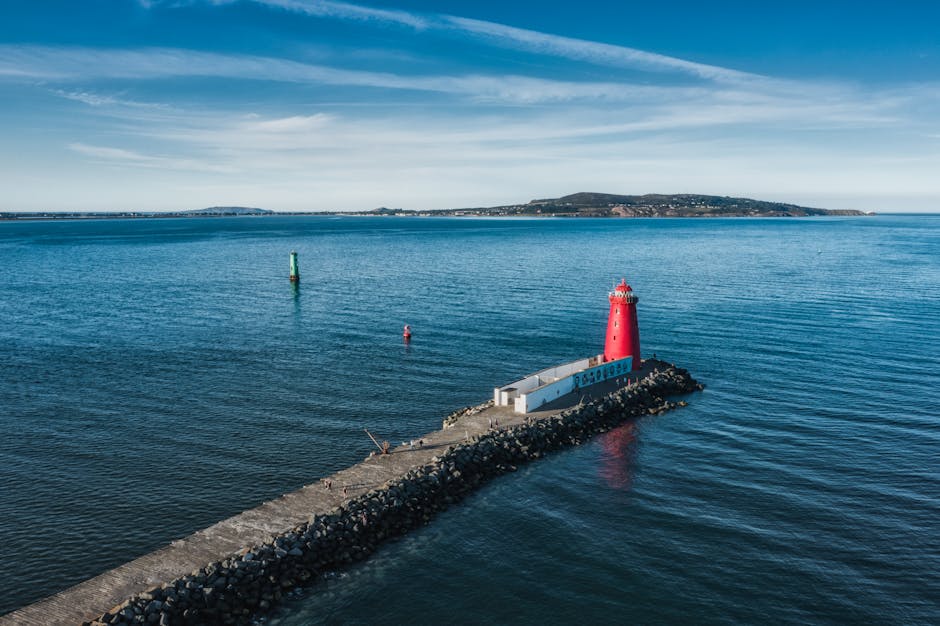
Scenic aerial shot of Poolbeg Lighthouse on a sunny day, Dublin Bay, Ireland.

Poolbeg Lighthouse

Dublin, Ireland
i

Scenic aerial shot of Poolbeg Lighthouse on a sunny day, Dublin Bay, Ireland.

Photo by Luciann Photography

Salt-starched air, the rhythmic slap of waves against stone, and a distant beacon glowing vivid red: Poolbeg Lighthouse offers a rare vantage point—one where Dublin’s city life gives way to the wind-whipped calm of Dublin Bay. Surrounded by water and sky, this steadfast lighthouse stands at the end of the Great South Wall, equal parts landmark and retreat. The walk out brings together the city’s maritime history, local color, and the uncomplicated joy of a journey with the Irish Sea as companion.

Visiting Info

Currency
Entrance fee
Free
Hours
Opening hours
Monday: Open 24 hours
Tuesday: Open 24 hours
Wednesday: Open 24 hours
Thursday: Open 24 hours
Friday: Open 24 hours
Saturday: Open 24 hours
Sunday: Open 24 hours

Contact Information

Location
Address
S Wall, Poolbeg, Dublin, Ireland

Planning your visit

Reaching Poolbeg Lighthouse rewards those who spend a little time preparing. No need for tickets or fancy gear, but timing and a well-packed bag make the difference between a breezy outing and a blustery ordeal. The walk along the wall stretches over 2 kilometers each way, mostly exposed, so weather calls the shots here. Many choose early mornings or golden-hour evenings, when seagulls trace lazy circles and the crowds remain thin. The route is popular but rarely overcrowded, especially on weekdays. Families, runners, and photographers mingle, and the flat stone path keeps it welcoming for most visitors, though strollers or wheelchairs may struggle with uneven surfaces near the lighthouse itself.

  • Best time to visit: Late spring to early autumn for mild weather; sunrise or sunset for dramatic light and fewer people.
  • How to get there: Dublin Bus routes to Ringsend or Sandymount; limited parking at Pigeon House Road; cycling also easy via city bike paths.
  • Accessibility: Good for families and casual walkers; uneven stones at the end make full access tricky for wheels.
  • Average visit duration: 1.5–2.5 hours for the round trip walk and photos.

Must see stuff

Poolbeg Lighthouse’s main draw is its stunning position—standing at the tip of Europe’s longest sea wall, with the city skyline behind and Dublin Bay rolling out ahead. But several must-see moments turn a good outing into something memorable. The approach itself, mile after mile with seagulls whirling above, feels lifted out of another era. Ships drift in and out of port, while kitesurfers catch the wind in nearby waters. A few hidden corners and local sights dot the way for those who look closely. History buffs find stories along every stone, from Victorian engineering to modern-day port life.

  • Sure-footed walk along the Great South Wall: Old stones laid in the 18th century, sea spray on both sides, and plenty of ships to watch.
  • Poolbeg Lighthouse itself: The eye-catching red cylinder set against changing skies—perfect for photos, but also a dose of Dublin’s working maritime heritage.
  • Wildlife and birdwatching: Spot seabirds, cheeky seals bobbing by the wall, and occasional herons fishing in tidal pools.
  • Best photo ops: Panoramic city views looking back to the spires and cranes of Dublin; close-ups of salty stonework; colorful cargo ships passing within meters of the wall.
  • Historical highlights: Signage along the wall shares the site’s role in guiding ships—and the remarkable story of its 18th-century construction.

Tips for your visit

Windy days and changing weather come with the territory at Poolbeg Lighthouse. Small preparations keep a bracing walk comfortable, with a few local habits worth borrowing. Early visits mean open paths and peaceful water; midday often brings more foot traffic. Locals come prepared—layers cut the ocean chill, and sturdy shoes grip the wall’s uneven stones. Expect exposed conditions, with no shelter or refreshment stands, so water and snacks help, especially with kids in tow. Friendly Dubliners are quick with a greeting, but wide paths and patient passing are appreciated on busy weekends. While the walk feels safe for most, high winds do make it worth watching for spray or slippery surfaces.

  • Best times to avoid crowds: Early morning or late evening, weekdays especially.
  • What to bring: Warm layers, rain-resistant jacket, water, snacks, and a camera with a wide lens.
  • Local etiquette: Greet passersby, mind cyclists and joggers, and respect any signs around wildlife areas.
  • Comfort and safety: Watch for choppy wind, mind children near open water, and avoid climbing on the lighthouse or wall edges.