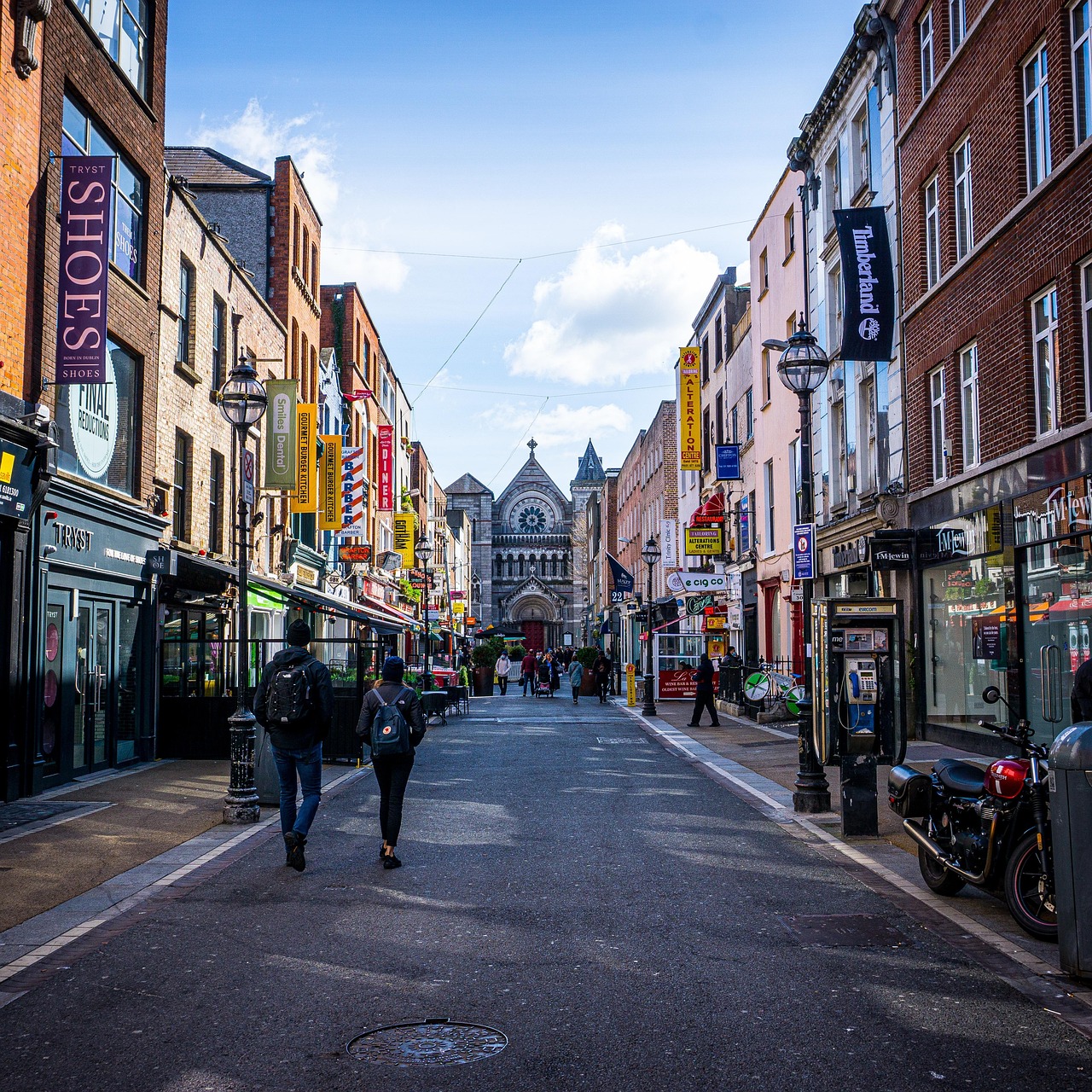

ireland, buildings, road, dublin, city, urban, church, architecture, street, dublin, dublin, dublin, dublin, dublin
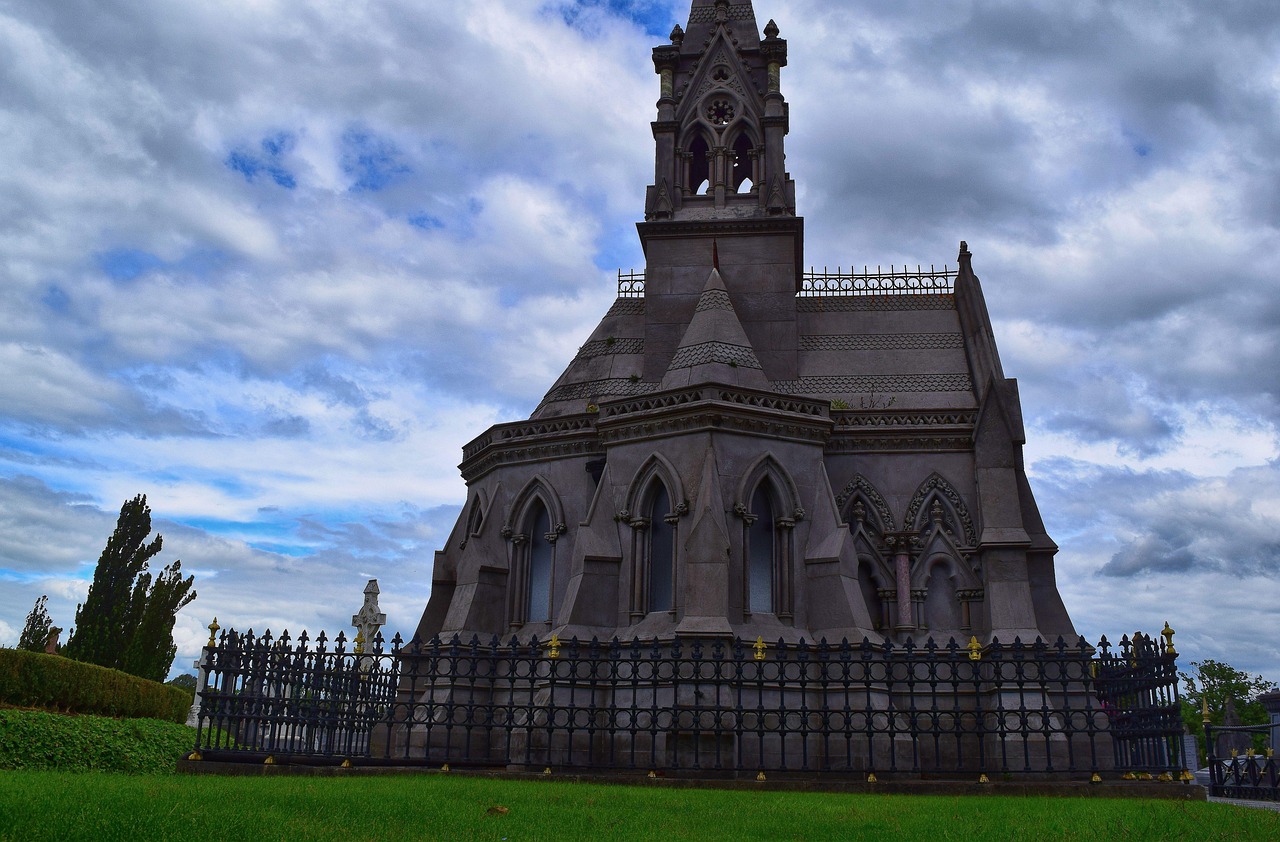
tomb, graveyard, ireland, architecture, dublin, dig, tomb, dublin, dublin, dublin, dublin, dublin
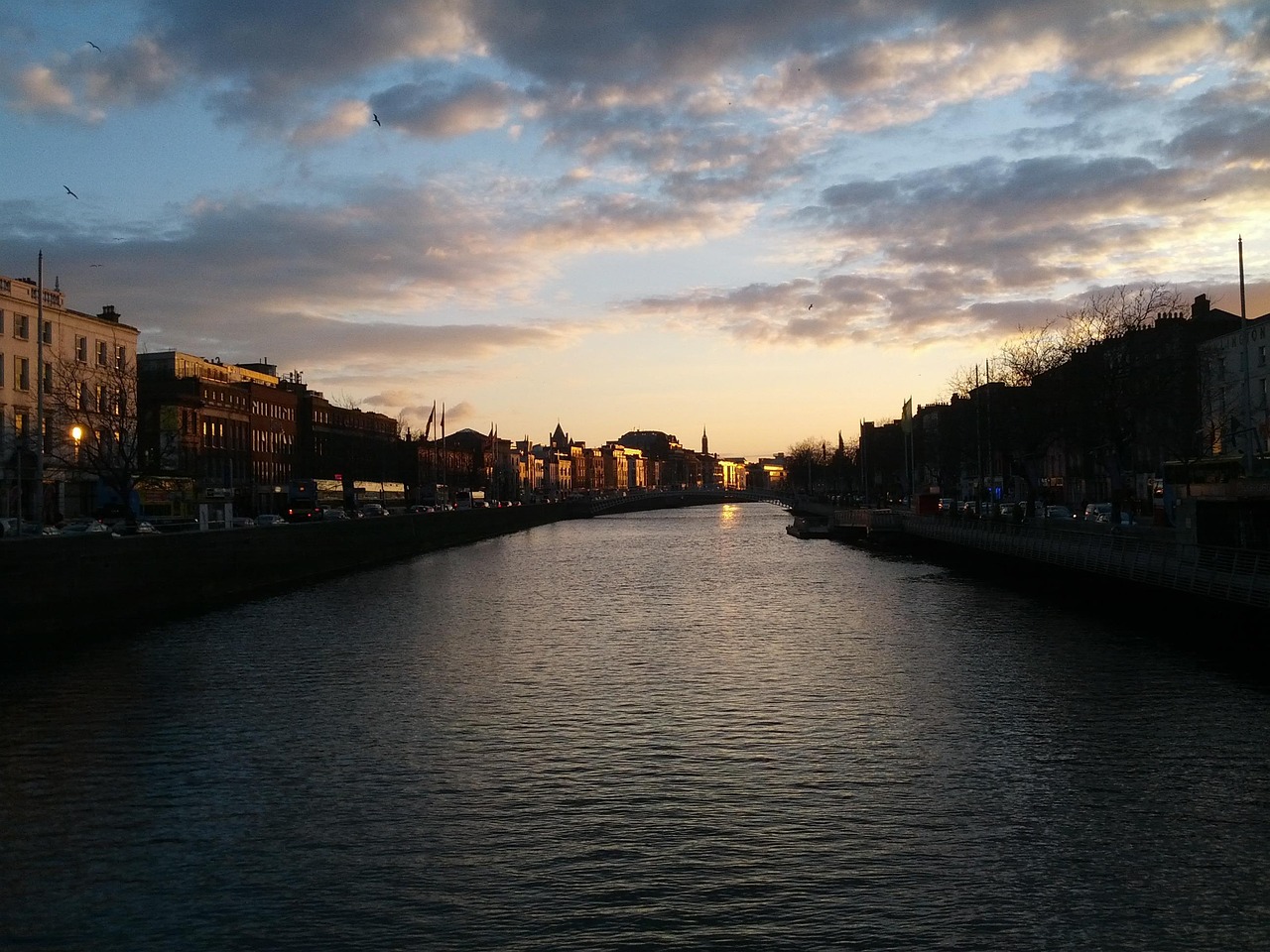
dublin, nature, ireland, liffey, sunset
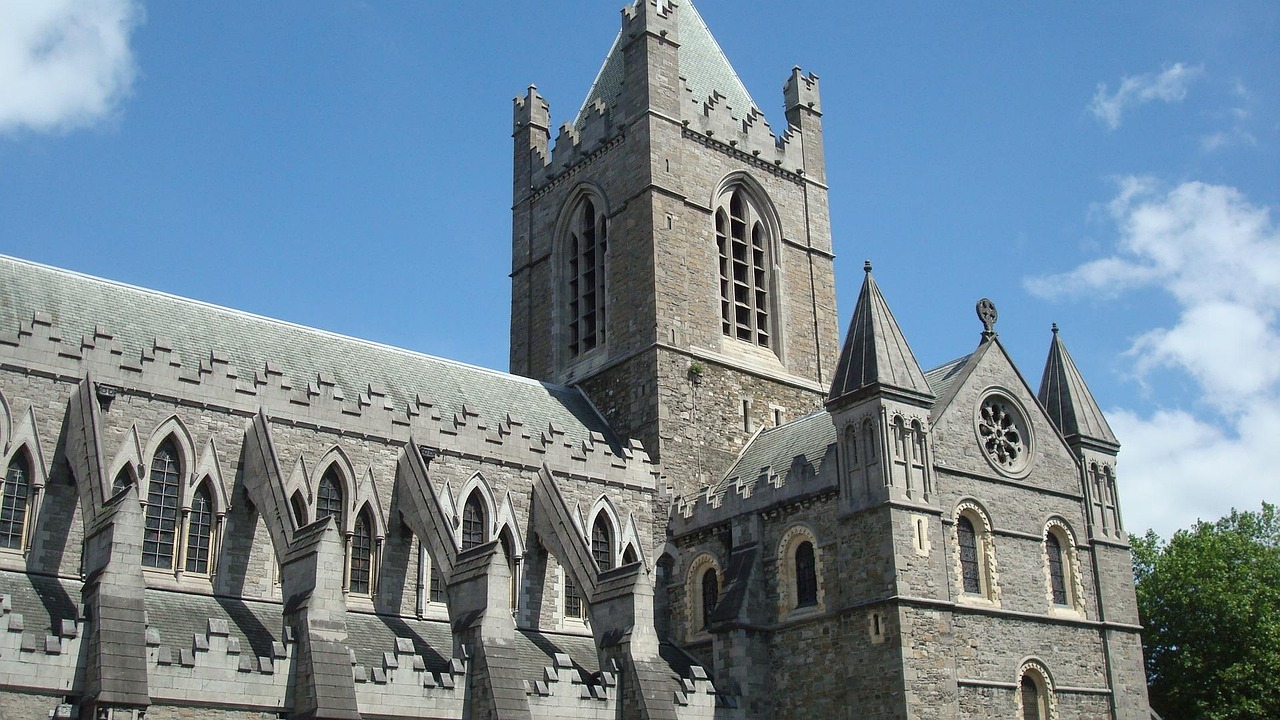
dublin, ireland, church, dublin, dublin, dublin, dublin, dublin
justice, statue, dublin, ireland, goddess, justice, justice, justice, justice, justice

Dublin

Ireland
CulturalHistoricalEntertainment & LeisureIconic LandmarksArt & Architecture
i

ireland, buildings, road, dublin, city, urban, church, architecture, street, dublin, dublin, dublin, dublin, dublin

Photo by PatrickLFC93

Step off the plane and Dublin greets you with a wash of damp air, smelling faintly of the sea and brewery hops. The Liffey snakes through the city, its surface flickering with pub lights and seagull shadows. Temple Bar’s cobblestones buzz with buskers, spilling guitar chords into the evening. Beyond the tourist knot, Stoneybatter’s cafés serve thick sandwiches and stronger coffee, their walls lined with local art. In Dublin’s parks, the grass stays a vivid, impossible green, even in winter. You’ll find poets’ names carved into bridges, statues ringed with cigarette butts, and doorways painted every shade but grey. The city’s charm comes wrapped in drizzle, its warmth best felt in the snug of a crowded pub, pint in hand, fiddle music threading the air.

Quick Facts

currency
EUR
languages
English, Irish
airports
Dublin Airport
size
Large City
power
Type G
timezone
GMT (UTC+0), BST (UTC+1 in summer)
safety
Safe
costs
Expensive

General Information

Safety indexDublin is considered a relatively safe city for travelers with a safety index of around 70 out of 100. Petty crimes such as pickpocketing can occur, especially in tourist areas and public transportation, so vigilance is advised. Violent crime is rare. Standard travel precautions should be observed.

Best Time to TravelThe best time to visit Dublin is from May to September, when the weather is mild, days are long, and the city’s many festivals are in full swing. July and August are the warmest and most popular months, ideal for sightseeing and outdoor events.

Least crowded and still a good time to visitFor fewer crowds and lower accommodation prices, late April to early June or September to early October is recommended. The weather is still pleasant, and attractions are open, but the city is less congested with tourists compared to peak summer months.

BudgetMid-range daily spending for a traveler ranges from €100-€180, including accommodation, meals, local transport, and activities. Budget travelers can spend less by choosing hostels and free activities, while luxury travelers will find many upscale options. Dining and entertainment can be pricey in popular tourist areas.

Healthcare and VaccinationsHealthcare in Dublin is of a high standard. EU citizens with a European Health Insurance Card (EHIC) can access some public healthcare services. Travelers from outside the EU should consider travel insurance with medical coverage, as private care can be expensive. No special vaccinations are required, but routine vaccines should be up to date.

Visa RequirementsIreland is not part of the Schengen Area. EU/EEA and Swiss nationals do not require a visa. Many other countries, including the US, Canada, Australia, and New Zealand, can visit visa-free for up to 90 days. Check the Irish Naturalisation and Immigration Service (INIS) website for specific requirements based on nationality.

Weather in Dublin

°C°F
2577
1864
1152
439
-327
Jan
Feb
Mar
Apr
May
Jun
Jul
Aug
Sep
Oct
Nov
Dec
3020100
Avg. min. temperature
Avg. max. temperature
Avg. precipitation days

First-time travelers

Dublin introduces itself with a rhythm—a pulse under the clatter of buses and the jangle of buskers. For those just arriving, the city might feel like a living collage. Daytime laughter spills from cafés, and even rain seems deliberate here, sharpening colors and scents. The River Liffey is your compass, marking the line where old and new Dublin meet.

Savoring Streets and Stories

Start by walking. Footfalls on cobblestones echo centuries of stories. Trinity College gives antique hush—its Long Room lined with wooden beams, the Book of Kells glowing under glass. St. Stephen's Green, ringed by locals lunching on soft grass, brings respite from busy shops. Pause for sweet sodabread or warm scones in the Bewley's Grafton Street café. A strong pot of tea lifts travel weariness—watching life swirl through tall glass windows.

All sorts gather in Temple Bar, but the Market Arcade on South Great George's Street is the real gem. Vintage record stalls, handmade jewelry, fresh-baked cakes. It smells of coffee, wax, and leather. Each stallkeeper has a story—a slice of Dublin wit for the curious. Younger voices drift from pilgrimage at Winding Stair Bookshop, where writers from Wilde to Rooney found spark. Embrace the everyday—conversation with bartenders, notebook sketches in Merrion Square Gardens.

First-Time Recommendations

  • Stroll through Trinity College and gaze at the Book of Kells.
  • Try trad Irish stew at O'Neill's Pub.
  • Shop for vintage finds at Market Arcade.
  • Lose yourself among paintings in the National Gallery of Ireland.

Welcome Dublin’s contradictions. Locals share deadpan humor at every turn. Don’t rush—let the city’s warmth and wisdom settle in. Despite its storied past, Dublin keeps its arms wide for the newcomer.

Return travelers

Dublin doesn’t surprise me with spectacle anymore—but with small, evolving pleasures. Crowds thin out in familiar corners, and I hear the city’s hidden heartbeat. For the return traveler, new sides of Dublin beckon, tucked behind red-brick façades and whispered in backstreet conversations.

Beyond the Guidebook

Instead of the main drags, wander up through Stoneybatter. On Manor Street, indie coffee shops like Love Supreme roast beans while telling neighborhood history. The morning air there mingles with bread baking—try a tartine at Slice Café, devoured among locals reading the Irish Times. Graffiti blooms on the walls, half-hidden until you turn at just the right angle.

Northeast, the docklands flourish in creative hush. The Bord Gáis Energy Theatre shimmers at night—unfamiliar performances light up dark river water. Stroll past the Diving Bell, relic of Dublin’s port days. The wind bites by the Grand Canal, but the atmosphere is earnest. Over in Rathmines, Asian food courts like the Eatyard offer crispy bao and bubble tea. Locals linger late with vinyl DJs spinning rare grooves.

Return Traveler Tips

  • Try breakfast in Love Supreme, Stoneybatter, and swap stories with regulars.
  • Find new murals on North Richmond Street—bring your camera for bold color.
  • Book a performance at Bord Gáis Energy Theatre.
  • Explore Eatyard’s global flavors at night.

Dublin deepens with each return. Traditions persist, but mingled with new ideas—a vibrant city, always in motion. Let yourself slow down and inhabit the less-trodden paths. This, here, is when Dublin truly reveals itself.

Must-see locations

Fallow deer with impressive antlers resting in lush green grass of Phoenix Park, Dublin.
i

Fallow deer with impressive antlers resting in lush green grass of Phoenix Park, Dublin.

Photo by Mario Spencer

Phoenix Park

Lush lawns stretch across Phoenix Park, home to wild deer and Dublin Zoo. Cyclists circle Victorian flower gardens while locals picnic by Áras an Uachtaráin, the president’s house. Saturday markets and outdoor concerts liven up summer days.

Learn More
a large castle like building with a green field in front of it
i

a large castle like building with a green field in front of it

Photo by Alexandra Mitache

Dublin Castle

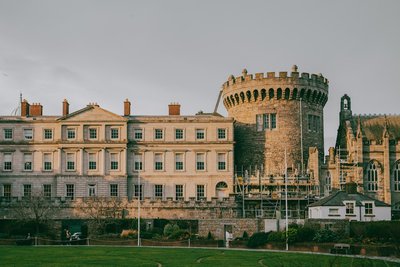
Rising at the heart of Dublin, Dublin Castle blends medieval towers with elegant State Apartments. Tour the centuries-old Chapel Royal. Explore lawns where parades once marched. Stories of royalty and revolution fill every corner.

Learn More
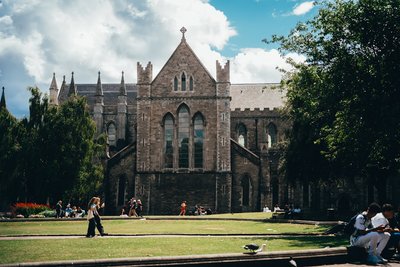
Gothic cathedral with people in a park
i

Gothic cathedral with people in a park

Photo by Anna Hunko

St Patrick's Cathedral

Ireland’s largest cathedral looms above Dublin’s busy streets, its Gothic arches and stained glass shining over St Patrick’s Park. Walk the ancient nave, see Jonathan Swift’s memorial, or catch an organ recital echoing through stone halls.

Learn More
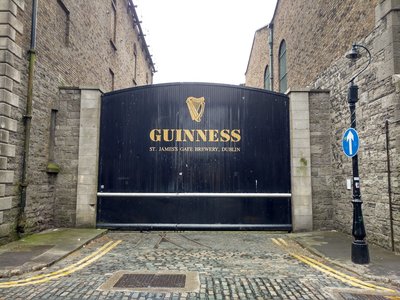
a guinness sign in front of a brick building
i

a guinness sign in front of a brick building

Photo by Andrew Meßner

Guinness Storehouse

Guinness Storehouse in Dublin blends brewery history with hands-on exhibits, walking visitors through brewing secrets, tasting sessions, and stories from nearly 300 years. The Gravity Bar views over Dublin finish the experience.

Learn More
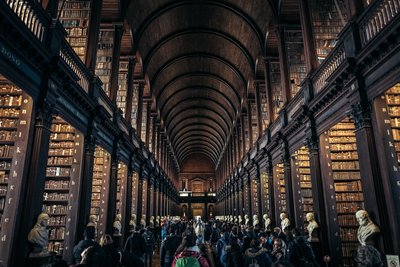
Grand library interior with towering bookshelves and people
i

Grand library interior with towering bookshelves and people

Photo by Loris Boulinguez

The Book of Kells Experience

The Book of Kells Experience in Dublin brings dazzling medieval art into focus, letting you see Ireland’s famous illuminated manuscript up close. Marvel at vibrant Celtic designs, explore the Old Library, and soak up Trinity College’s scholarly atmosphere.

Learn More

How to get there

By air

Dublin Airport (DUB) is Ireland's busiest airport and offers direct connections from many European, North American, and Middle Eastern cities. It is located about 10 km north of the city centre.
Options to get to town:
TypePriceDurationWhere to buy
Taxi€25–€3520–30 minutesTaxi rank at arrivals
Airport bus€8–€10 (single)30–45 minutesTickets online, at airport kiosks, or from the driver
Train/shuttleNo direct train; Airlink Express bus or Dublin Bus only options

By train

Dublin is served by several main train stations: Heuston (for the west and south) and Connolly (for the north and northwest). Trains from all over Ireland arrive here, but there are no direct international train services due to Ireland being an island.
Useful websites for train tickets:

By car

Dublin is accessible by road from all parts of Ireland and via car ferry routes from Great Britain. The M50 ring road circles the city, while other major motorways connect Dublin to other Irish cities.
Additional charges to be aware of:
FeeCostHow to pay
Toll / vignette / emission sticker€2.10–€3.20 for M50 eFlow tollAutomatically recorded by license plate; pay online at https://www.eflow.ie or at Payzone outlets
Other driving costsParking fees vary; city centre can be expensiveAt parking stations or via PayByPhone app

By ferry

Dublin Port receives ferries from the UK, particularly Holyhead (Wales), Liverpool (England), and other select ports. Both passenger and vehicle ferries operate regularly.
Useful websites for ferry tickets:

How to get around

Public transport

Public transport in Dublin is extensive and includes buses, trams (Luas), and suburban trains (DART and Commuter Rail). These options are ideal for getting around the city center and venturing to suburbs or coastal towns. Tickets are required for each journey unless you have a prepaid card (Leap Card), which offers discounts and convenience across all modes.

Ticket options:
Ticket TypePriceWhere to buy
Single ticketFrom €2.00 (bus or Luas)On board (exact change required), station machines, or via Leap Card at stations
Day passFrom €8.00 (unlimited travel for one day on most services)Luas ticket machines, main train stations, or convenience stores (with Leap Card options)

Taxis & ridesharing

Taxis & ridesharing are widely available throughout Dublin. Local taxis can be hailed from the street or found at designated ranks. Ridesharing apps like Uber operate in Dublin, but only connect riders with licensed taxi drivers (not private cars). Fares are metered and are higher at night or during peak times.

Service providers:
ProviderPriceHow to book
Local taxiFrom €4.20 base fare plus distance/timeHail on street, taxi ranks, book by phone, or use the Free Now app
Ridesharing appVaries by distance and timeUber app, Free Now app

Car rental

Car rental is convenient if you plan to explore destinations outside of Dublin. In the city center, driving can be slow and parking expensive, so it’s often best to use public transport for city sightseeing. Major rental agencies operate at Dublin Airport and in the city center.

Rental options:
ServicePriceHow to book
Daily rentalFrom €35 per day (economy car, pre-booked)Major rental agencies such as Europcar, Hertz, Avis, Sixt, and Enterprise
Weekly rentalFrom €180 per weekRental agency offices or direct booking online

Bike & scooter rental

Bike & scooter rental options are popular for short city trips and sightseeing. DublinBikes offers city bicycle sharing from hundreds of stations. E-scooter sharing services also operate in certain city areas. Both offer flexible and eco-friendly ways to get around.

Rental options:
ServicePriceHow to book
Bike rentalFrom €3.50 for a 1-day DublinBikes ticketDublinBikes stations or the DublinBikes app
Scooter rentalFrom €1 to unlock + €0.15 per minuteE-scooter sharing apps such as Tier or Lime, where available

What to eat

Steam curls up from a freshly pulled pint, the air rich with malt and tea. Inside the pub, brown bread crust crackles against rough hands. The city hums outside. In Dublin, food means more than sustenance. Meals come with stories, laughter, and sometimes a rebel song. Streets carry the scent of salty chips, toasted cheese, and just-baked cake. Hungry isn’t just a feeling here—it’s a way to meet the city face-to-face.

Signature Dishes

  • Irish Stew: Tender lamb, carrots, and potatoes slow-cooked for hours. The gravy glistens; each mouthful comforts like a wool blanket. A favorite in homes and pubs.
  • Coddle: Sausages, bacon, onions, and potatoes stewed together. Peppery, rich, and popular for late-night hunger—a true Dublin classic.
  • Boxty: Crisp-edged potato pancakes—sometimes filled with creamy chicken or smoked salmon. A breakfast or lunch staple with roots in rural fare.
  • Fish and Chips: Beer-battered cod with thick, golden fries. Enjoyed best near the River Liffey, wrapped in paper, piping hot.

Street Food & Markets

Dublin’s markets buzz with life. Head to Temple Bar Food Market on Saturdays for briny oysters and fresh baked soda bread. Try salty Irish cheeses at St. George’s Arcade. At Eatyard, food trucks hawk spicy chicken wings, bao buns, and vegan treats. Street-side stalls near Moore Street Market serve stuffed soda bread and grilled sausages on crisp rolls. Simple, flavorful snacks—plus a window into Dublin’s unfussy, welcoming food culture.

Sweet Treats & Drinks

Sugary tea brack fills the air at Queen of Tarts. Buttery scones with fresh cream tempt along Grafton Street. Try honeycomb-laced ice cream at Murphy’s. No Dublin meal feels complete without a pint of Guinness. Or pair a whiskey from The Palace Bar with flaky rhubarb tart or sticky toffee pudding. Something sweet always follows the savory.

Why Travelers Eat Here

  • Genuine pubs: Sip local ales with hearty, old-school food and live music.
  • Reliably fresh seafood: Dublin Bay prawns, oysters, and cod cooked simply, shining with flavor.
  • Cosmopolitan tastes: Classic Irish dishes sit beside global flavors in buzzing markets and restaurants.
  • Bread and comfort: Homemade soda bread, creamy butter, and warming stews bring true hospitality.

Even in the rain, Dublin’s food is a celebration—of the past, the present, and every hungry hour that draws people together.

Top Rated Restaurants

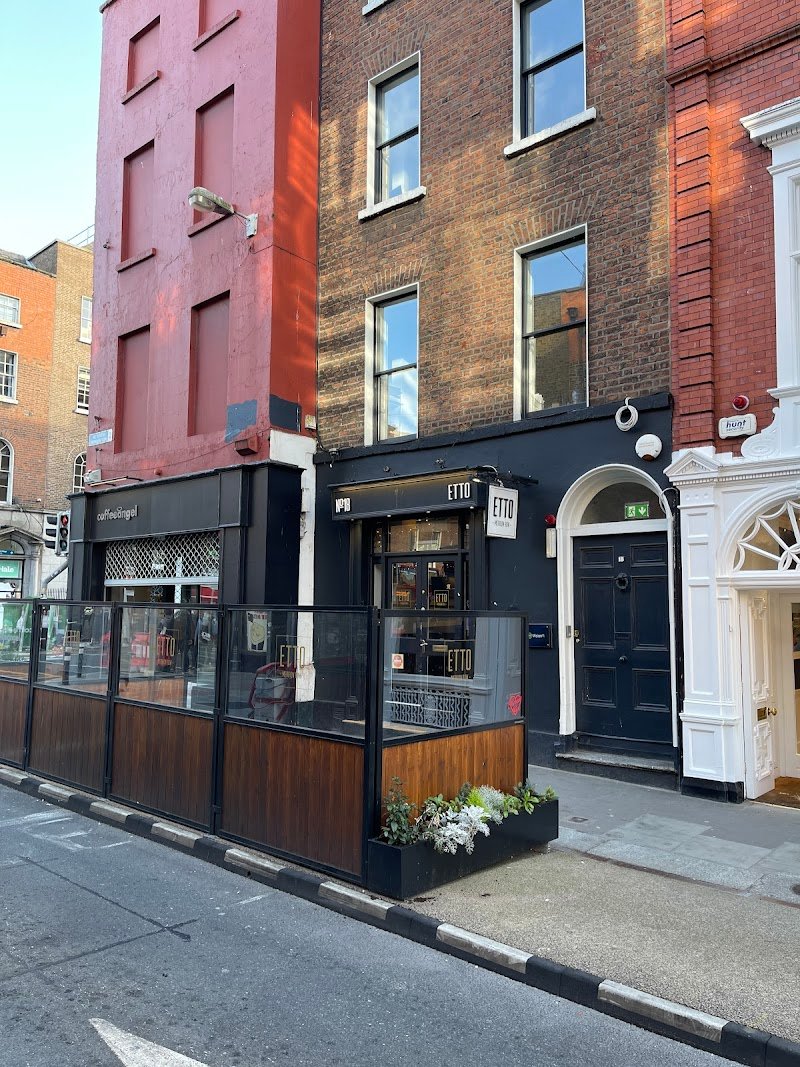
Etto

Etto

4.8 (863 reviews)
$$$
Location18 Merrion Row, Dublin, D02 A316, Ireland
D'Olier Street Restaurant

D'Olier Street Restaurant

4.8 (301 reviews)
$$$$
LocationD'Olier Chambers, D'Olier Street, Dublin, D02 H589, Ireland
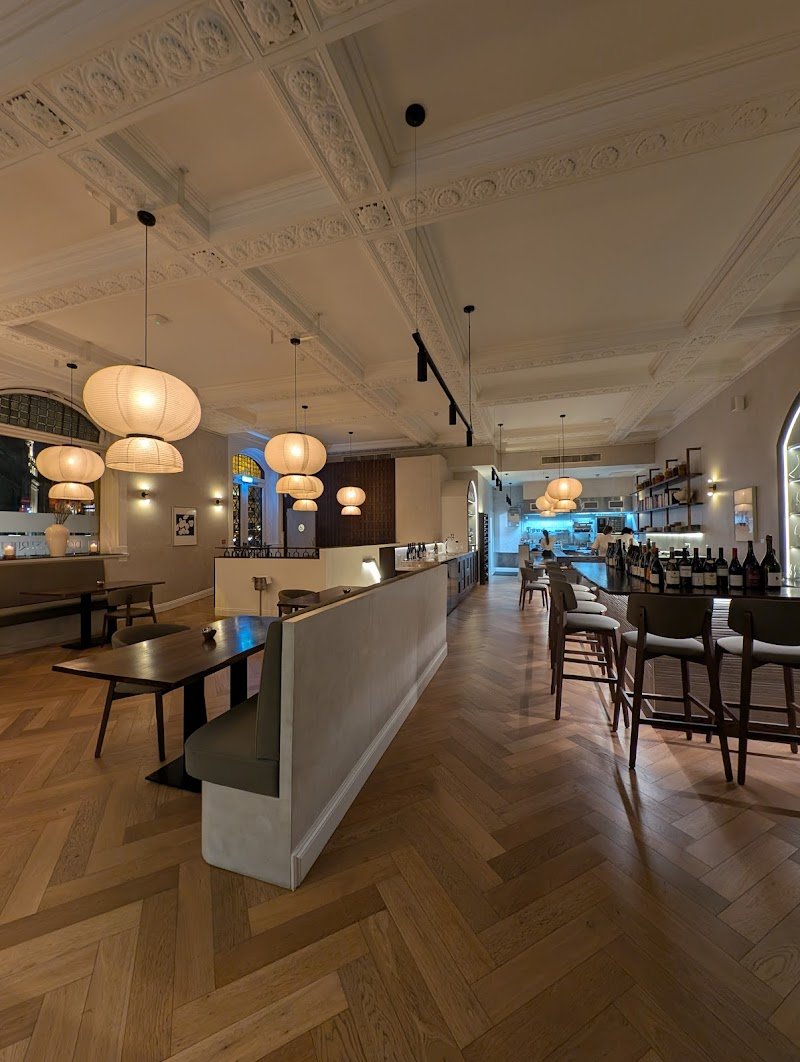
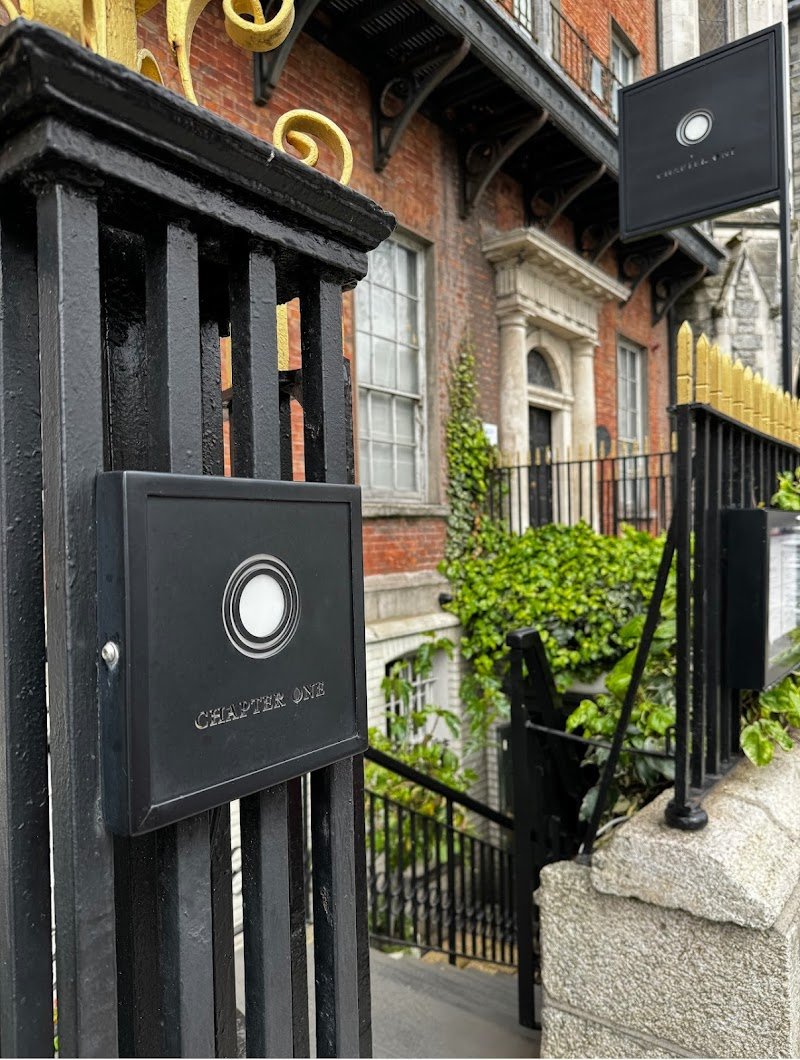
Chapter One Restaurant

Chapter One Restaurant

4.8 (1.1k reviews)
$$$$
Location18-19 Parnell Square N, Rotunda, Dublin 1, D01 T3V8, Ireland
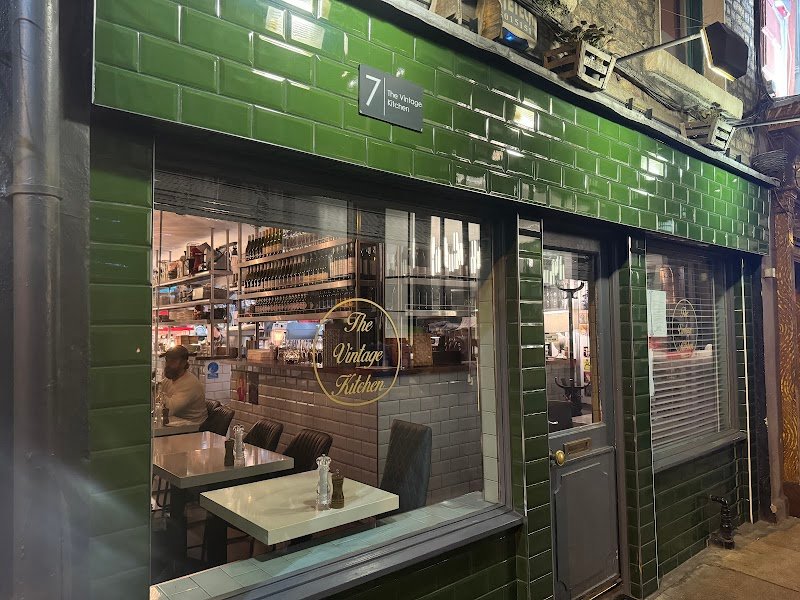
The Vintage Kitchen

The Vintage Kitchen

4.7 (1.5k reviews)
$$
Location7 Poolbeg St, Dublin 2, D02 NX03, Ireland
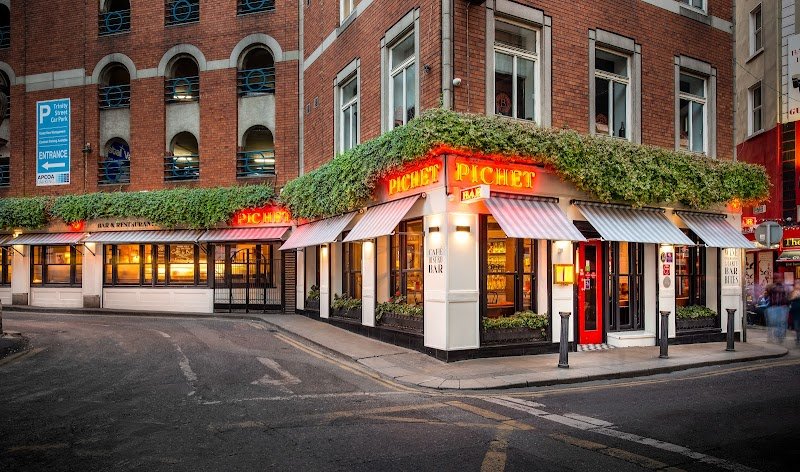
Pichet

Pichet

4.7 (1.7k reviews)
$$$
Location14-15 Trinity St, Dublin 2, D02 T998, Ireland

Accommodations

Ask five travelers where to stay in Dublin, and you’ll get ten opinions. Some swear by the grand red-brick hotels on leafy squares. Others love clutching their pint close in a raucous Temple Bar hostel. No matter the travel style, choosing the right base shapes every Dublin experience—mornings, nights, and all those moments in between.

Neighborhood Overview

  • Temple Bar: Dublin’s wild child. Narrow, cobbled streets thrumming with live music, street art, and late-night buzz. Perfect for night owls and party seekers, but noise is non-stop, especially on weekends.
  • St. Stephen’s Green / Grafton Street: Georgian elegance blends with modern shops and classic cafes. Home to stylish hotels and leafy parks, this area feels polished yet close to the main action. Couples and first-timers will appreciate the easy walks.
  • Smithfield & The Liberties: Down-to-earth charm meets creative energy. Indie coffee shops, distilleries, and local pubs fill quiet lanes. Great for foodies, younger travelers, and anyone who likes to wander away from crowds.
  • Merrion Square & Ballsbridge: Embassies and garden squares set a genteel tone. Find boutique hotels and guesthouses among elegant townhouses. Quieter at night—good for families or travelers needing rest after a busy day.
  • Docklands (IFSC / Grand Canal): Glassy offices and riverside views create a growing, modern hub. Choose Docklands for modern hotels, top restaurants, and proximity to tech offices. Suits business travelers, but leisure guests appreciate the calm, too.

Types of Accommodation

  • Historic Hotels: The Shelbourne and The Merrion set the archival tone. Prices often start at €250 a night.
  • Boutique Guesthouses/B&Bs: Try The Dean or Ariel House for local style and friendlier rates. Expect €100–€180 per night.
  • Hostels and Budget Hotels: Generator Hostel and Jacobs Inn are clean and sociable. Beds from €30–€60, private rooms higher.

Insider Tips for Booking

Book at least six weeks in advance for best deals, even sooner for summer or St. Patrick’s. Rates spike in July, August, and major event weekends. Watch for the city’s 13.5% VAT—not always shown upfront. Always confirm if breakfast and WiFi are included.

Mornings in Dublin bring pale sunshine and fresh bread smells, whatever the postcode. A well-chosen base frees you to roam or recharge, pint in hand, as city life hums close by. Sleep matters, even in a city of poets and song.