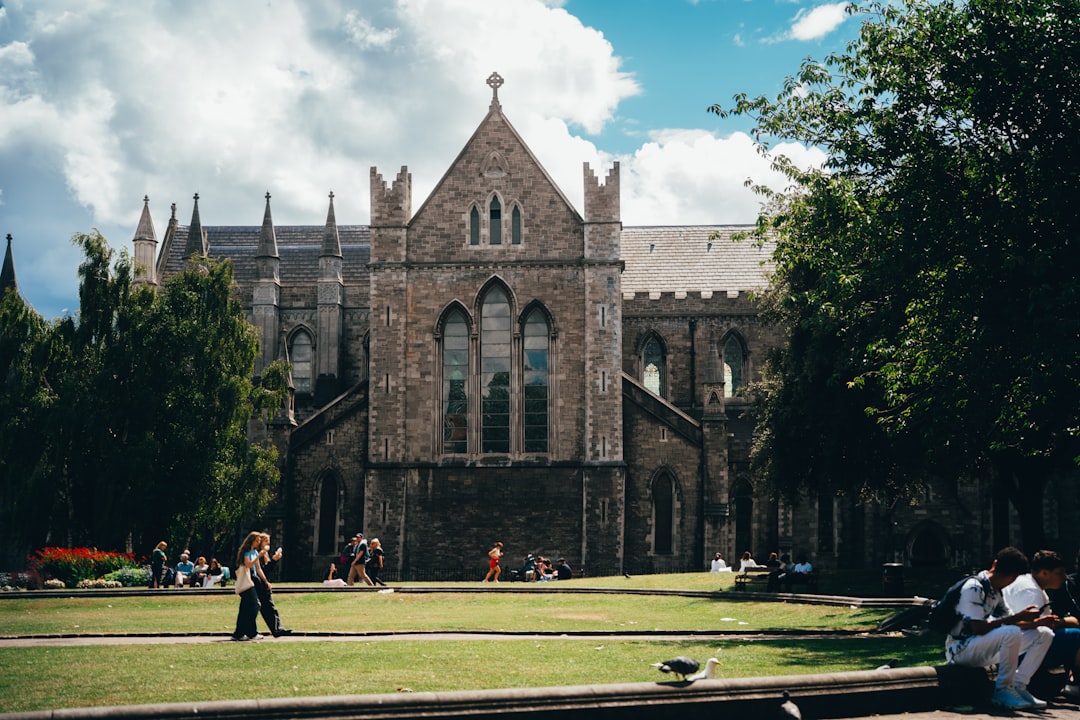
Gothic cathedral with people in a park
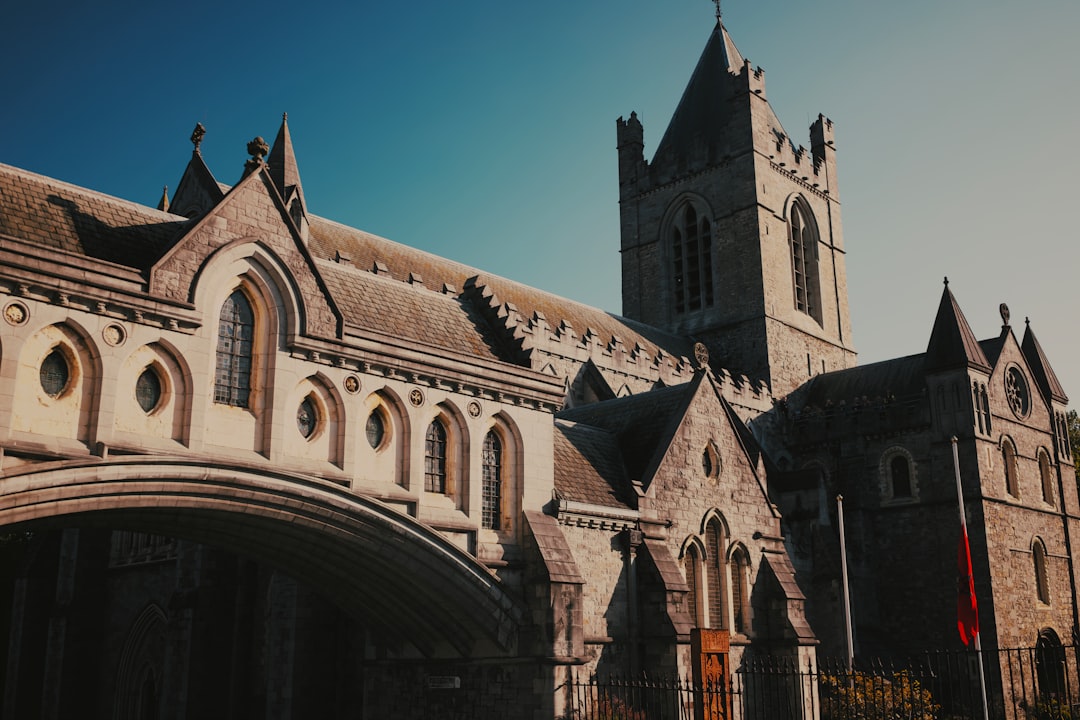
a large building with a bridge over it
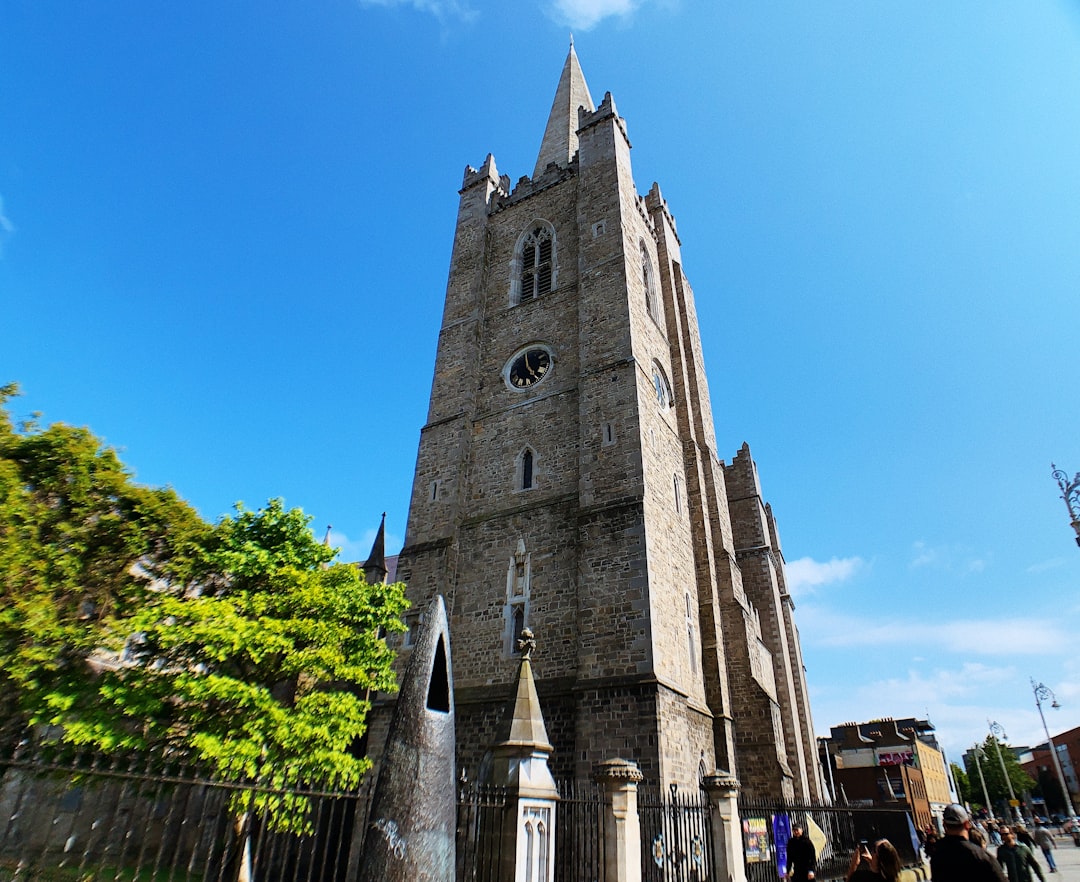
a stone building with a tower

St Patrick's Cathedral

Dublin, Ireland
i

Gothic cathedral with people in a park

Photo by Anna Hunko

Rain falls soft as a whisper on ancient gray stones. Bells hum in the air, echoing over green lawns and stone spires. In the heart of Dublin rises St Patrick’s Cathedral, a landmark that stands for eight centuries of prayer, music, and Irish imagination. Monuments line the nave. Stained glass glows, and footsteps cross tiles worn by poets, rebels, and kings. Here, history feels close enough to touch.

Visiting Info

Currency
Entrance fee
Free
Hours
Opening hours
Monday: 9:30 AM – 5:00 PM
Tuesday: 9:30 AM – 5:00 PM
Wednesday: 9:30 AM – 5:00 PM
Thursday: 9:30 AM – 5:00 PM
Friday: 9:30 AM – 5:00 PM
Saturday: 9:00 AM – 5:00 PM
Sunday: 9:00 – 10:30 AM, 1:00 – 2:30 PM

Contact Information

Location
Address
St Patrick's Close, Dublin, D08 H6X3, Ireland

Planning your visit

To make the most of a trip to St Patrick’s Cathedral, a little planning goes a long way. Visitors often find mornings quieter, with soft light streaming through tall windows. While the cathedral sits just outside the busy Temple Bar district, its own grounds offer a break from city bustle. For those hoping to explore every corner—including museum displays and peaceful gardens—allow extra time. Crowds peak in summer, when school holidays fill Dublin’s streets. Spring and autumn, by contrast, bring mild days and shorter ticket lines.

  • Best time to visit: Early morning or late afternoon; spring and autumn for fewer crowds.
  • How to get there: St Patrick’s Cathedral stands on St Patrick’s Close, about a ten-minute walk from central Dublin. Dublin Bus routes 49, 54A, and 56A stop nearby. Taxis and city rental bikes are also popular options.
  • Accessibility: Wheelchair access is provided through the main entrance. Paved walkways make most areas reachable for strollers and seniors.
  • Average visit duration: Plan for 60 to 90 minutes. History buffs or photography fans may wish to linger longer.

Must see stuff

St Patrick’s Cathedral is more than its famous spire. Every corner carries a story—etched in worn stone, painted in glass, remembered through music. Main sights include soaring Gothic arches, the intricate Lady Chapel, and tranquil gardens where Saint Patrick supposedly baptized converts. The cathedral museum, set in the old Chapter House, adds a layer of discovery with artifacts from centuries past. For many, simply sitting during choir rehearsal is a rare treat, with music echoing through centuries-old walls. Tucked behind chapels, memorials to literary greats like Jonathan Swift invite a quiet moment of reflection.

  • Key sights or features: The enormous nave, medieval tombs, and celebrated stained glass windows—each with a story from Irish history.
  • Unique experiences: Join a guided tour for details on myths, secret doors, and the cathedral’s role in Dublin’s folklore. Attend Evensong to hear the famous choir.
  • Photo-worthy locations: The exterior gardens, stone spires, and the Lady Chapel. Sunbeams through the west window make for dramatic shots.
  • Cultural or historical facts: Founded beside a holy well, St Patrick’s Cathedral stands on land where the saint himself may have preached. Jonathan Swift, author of Gulliver’s Travels, served as Dean and is buried here. During times of plague and civil unrest, this church sheltered generations of Dubliners.

Tips for your visit

A little know-how smooths the path through medieval grandeur and modern crowds. St Patrick’s Cathedral can fill quickly, especially on weekends or during festivals. Skip the largest groups by coming just as doors open, or waiting until late afternoon, when sunlight casts golden shadows across the tiles. While most areas welcome photography, staff politely ask visitors to silence phones and show respect during services. Weather in Dublin can change quickly; rain jackets and sturdy shoes keep damp feet at bay outdoors. No café operates inside the cathedral, but cozy tea rooms and sandwich shops cluster on surrounding streets. Guides and volunteers gladly answer questions or share a local legend—don’t hesitate to ask for stories beyond the guidebook.

  • Best times to avoid crowds: Weekdays, especially early in the day; arrive 15 minutes before opening.
  • What to bring: Small umbrella, camera, water bottle, comfortable walking shoes, and a light layer even in summer.
  • Local etiquette or rules: Keep voices low, especially near chapels in use. Photography allowed outside of services; no flash near artwork.
  • Safety or comfort advice: Mind uneven stone floors. If traveling with children, keep an eye on little ones—some areas are quiet zones for reflection.