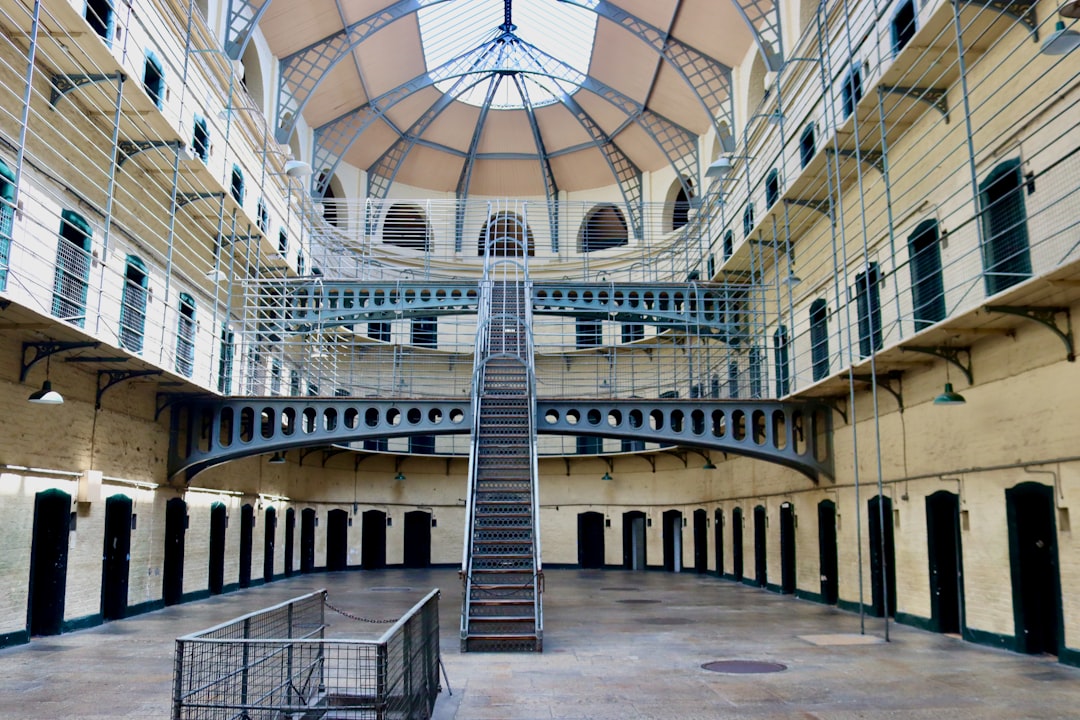
The inside of a building with stairs and a skylight

Kilmainham Gaol

Dublin, Ireland
i

The inside of a building with stairs and a skylight

Photo by Chris Kofoed

Chill stones, watery light. A heavy door. Each visitor stepping into Kilmainham Gaol enters a world thick with memory and purpose—a place where iron met hope, leaders met fate, and Ireland’s story took a sharp turn. Echoes seem to linger in every cell and corridor, holding the secrets of artists, revolutionaries, and the ordinary people locked behind these walls. More than a prison, Kilmainham offers a raw, unforgettable window into the country’s complex journey toward freedom.

Visiting Info

Currency
Entrance fee
8 EUR
Hours
Opening hours
Monday: 9:30 AM – 5:45 PM
Tuesday: 9:30 AM – 5:45 PM
Wednesday: 9:30 AM – 5:45 PM
Thursday: 9:30 AM – 5:45 PM
Friday: 9:30 AM – 5:45 PM
Saturday: 9:30 AM – 5:45 PM
Sunday: 9:30 AM – 5:45 PM

Contact Information

Location
Address
Inchicore Rd, Kilmainham, Dublin 8, D08 RK28, Ireland

Planning your visit

Smart preparation can shape the entire Kilmainham Gaol experience. Guided tours offer structure, but tickets often sell out early. Mornings or off-peak days tend to be less crowded, and nearby bus stops or the Red Luas tram line make arriving from Dublin’s center smooth. The building stands proud but demands respect: stairs, low doorways, uneven ground. Some spots may challenge wheelchair users. For all visitors, moments of reflection come easy here.

  • Best time to visit: Early weekday mornings or during Ireland’s shoulder seasons (spring and fall) help dodge large tourist groups.
  • How to get there: Local bus routes, Red Line Luas stop at Suir Road, or a short taxi ride from central Dublin.
  • Accessibility: Partial wheelchair access; some historical areas have steps or narrow spaces. Families with older kids fare best due to silent, respectful atmosphere.
  • Average visit duration: About 90 minutes including guided tour and exhibit galleries.

Must see stuff

Some moments stay with visitors long after leaving Kilmainham. The Victorian stone corridors and sweeping, circular East Wing feel cinematic—recognizable from movies and steeped in legend. The site’s guided tours deliver gripping tales, layered with emotion and insight. Exhibits pack original letters, jail records, and paint a vivid picture of life here. But true immersion comes while pausing in the bleak, open exercise yards or pausing at the cells where leaders of the 1916 Rising awaited their fate. Silence amplifies the stories told in every stone.

  • Key Sights: The East Wing’s iron balconies and skylight, the cramped cells, the final-yard stonebreakers’ yard where executions took place.
  • Unique Experiences: Standing at Padraig Pearse’s cell, or noticing carvings left by prisoners—testament to hope and resistance.
  • Photo-worthy Spots: Dramatic stairwells, barred windows, and the leafy courtyard beyond the main entrance—especially when light slices through overhead glass.
  • Cultural Facts: Open from 1796 through 1924, Kilmainham held everyone from child thieves to future presidents—offering a cross-section of Irish society under colonial rule.

Tips for your visit

Few places compare to Kilmainham when it comes to atmosphere. The echo of boots, the hush of a guide’s voice: these details add weight to every step. To maximize the visit, book tickets well in advance and dress for Dublin’s unpredictable weather—one moment dry, the next, a cold wind. While there’s no on-site café, local coffee shops and playgrounds nearby offer space to reflect or relax afterward. Prepare for uneven floors and deep emotion. A touch of humility helps when walking these storied halls.

  • Best times to avoid crowds: Arrive before 10 a.m. or near closing hours; avoid public holidays and school breaks if possible.
  • What to bring: A camera (no flash), sturdy shoes, a refillable water bottle, and a light jacket—even on a sunny day.
  • Local etiquette and rules: Guided tours follow a set pace; quiet is expected out of respect for the site’s history and fellow guests.
  • Comfort tips: Allow time for quiet reflection; some stories may feel heavy. Bring tissues if history tends to move you.