Beautiful view of Saqqara Necropolis

Saqqara Necropolis

Cairo, Egypt
i

Beautiful view of Saqqara Necropolis

Stepping onto the sandy ground at Saqqara Necropolis means entering a landscape where early Egyptian history still lives. Here, ancient stone rises above the desert, telling stories that shaped a civilization. Time feels tangled. Both school's field trips and wandering travelers fill the air with excitement and curiosity. Saqqara delivers a journey through Egypt’s spiritual heart, where every corner holds a memory set in limestone and dust.

Visiting Info

Currency
Entrance fee
450 EGP
Hours
Opening hours
Monday: Open 24 hours
Tuesday: Open 24 hours
Wednesday: Open 24 hours
Thursday: Open 24 hours
Friday: Open 24 hours
Saturday: Open 24 hours
Sunday: Open 24 hours

Contact Information

Location
Address
Badrshein, Giza Governorate 3352001, Egypt

Planning your visit

Careful planning brings out the best in a trip to Saqqara Necropolis. Located just south of Cairo, this sprawling site rewards early risers and prepared explorers. The complex covers several square kilometers, so wearing good shoes matters as much as arriving on time. Crowds swell during midday tours, while a morning visit means cooler air and emptier walkways. Roads from Cairo run straight to the visitor lot, where friendly ticket booth staff offer helpful advice in several languages. No one rushes, yet the sense of discovery feels urgent.

  • Best time to visit: October to April, early in the morning before 10 a.m.
  • How to get there: Taxi or private car from central Cairo (about 40 minutes); public minibuses serve nearby villages with some effort.
  • Accessibility: Most outdoor paths are sandy or rocky, with some steps or uneven areas; strollers and wheelchairs face challenges, but main walkways offer limited access.
  • Average visit duration: 2 to 4 hours, depending on interests and guided tour choices.
Must see stuff

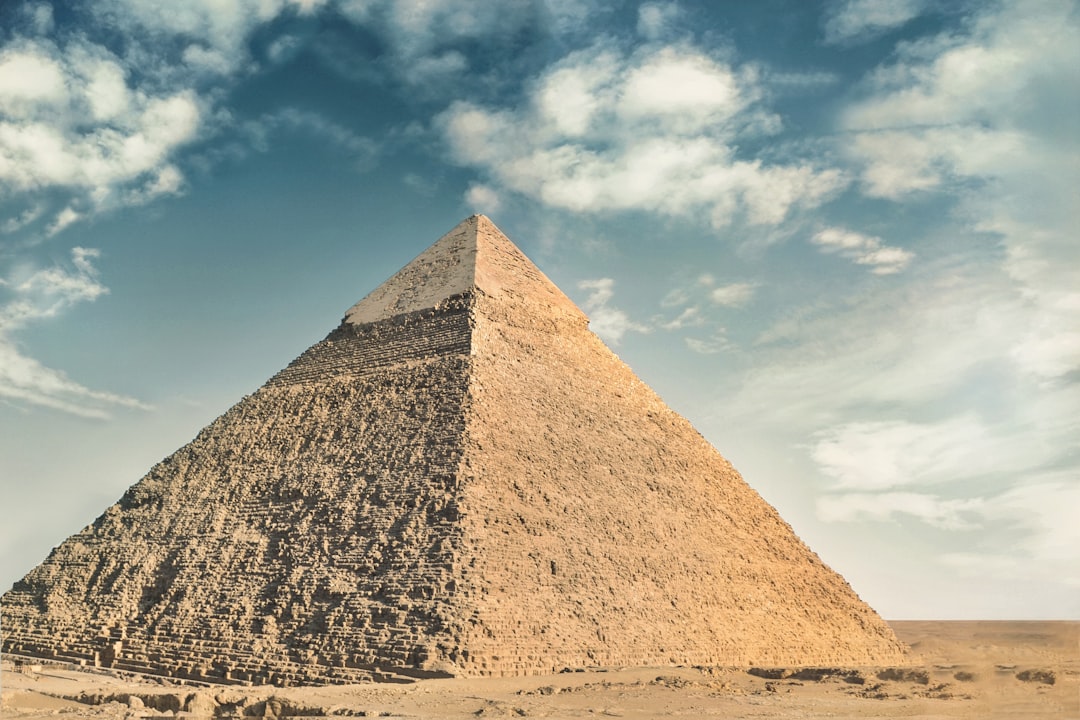
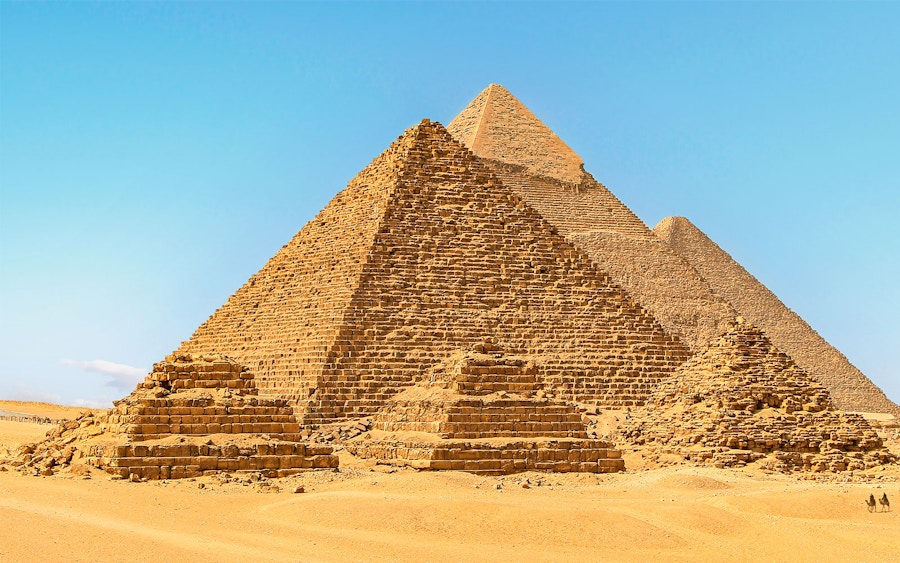
Saqqara Necropolis draws visitors first to the Step Pyramid, but lures them deeper with passageways, tombs, and surprises around every corner. Every stone block whispers of ancient royal rituals or everyday life. Some travelers hurry to the main sights, but slowing down rewards quieter moments: hieroglyphs lit by the sun, faded colors in a noble’s tomb, or a herd of goats grazing in the shade. There's grandeur here for those chasing Egypt’s biggest wonders, but also intimacy and local detail that shape lasting memories.

  • Key sights or features: The Step Pyramid of Djoser (Egypt’s oldest major pyramid), Serapeum (burial place of sacred Apis bulls), Mastaba of Ti, Tomb of Mereruka.
  • Unique experiences: Walk underground through ancient tomb shafts; explore the Imhotep Museum just outside the complex for artifacts and history displays.
  • Photo-worthy locations: The pyramid silhouette against a wide desert sky; brightly painted tomb murals; ruins of the Heb-Sed Court with solitary palm trees nearby.
  • Cultural or historical facts: Saqqara served as the main burial ground for Memphis over 3,000 years ago. The Step Pyramid, designed by architect Imhotep, marked the transition from traditional mastabas to the classic pyramids seen at Giza.

Tips for your visit

Comfort and curiosity work hand-in-hand at Saqqara. On summer afternoons, the stones can radiate as much heat as history, so dressing lightly and staying hydrated helps. Vendors sometimes offer souvenirs outside the site, but official sellers inside usually provide better prices and more authenticity. Guides tell legends unknown to most guidebooks, giving quiet tombs a richer voice. Patience matters—resting periodically lets visitors soak in both atmosphere and knowledge. The site feels both ancient and alive when approached with respect, care, and a willingness to see past the obvious.

  • Best times to avoid crowds: Weekday mornings, especially before tour buses arrive (usually after 10 a.m.).
  • What to bring: Water, sunscreen, hat, camera or phone, sturdy walking shoes; a light scarf helps with dust and sun.
  • Local etiquette or rules: No touching carvings or entering restricted tombs; photos inside tombs usually not allowed unless clearly marked.
  • Safety or comfort advice: Some tunnels and stairs are narrow or dimly lit; those with limited mobility should plan for assistance or choose above-ground highlights. Basic toilets are available near the main entrance.