a group of people standing in front of a building

The Egyptian Museum in Cairo

Cairo, Egypt
i

a group of people standing in front of a building

Photo by Dilip Poddar

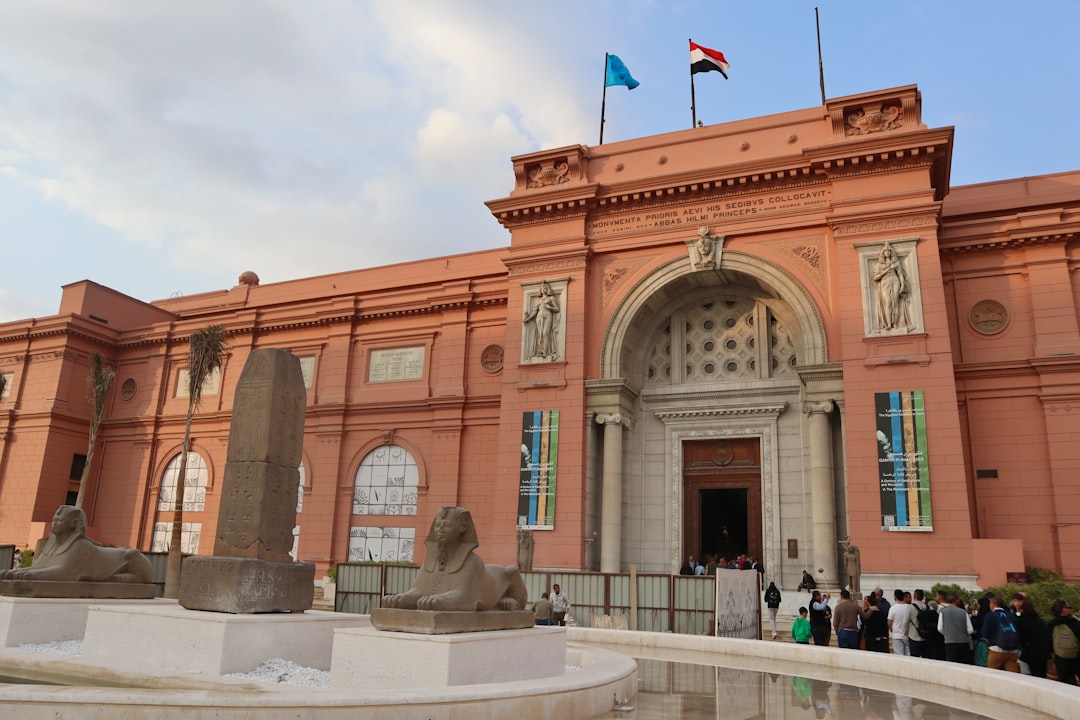
Few museums hold as much intrigue as the Egyptian Museum in Cairo. This legendary site does more than display ancient treasures—it invites visitors to walk through the ages, tracing human history from the dawn of civilization to the golden age of pharaohs. Inside its faded pink façade and labyrinthine halls, stories written in stone, gold, and wood wait for those prepared to explore.

Visiting Info

Currency
Entrance fee
450 EGP
Hours
Opening hours
Monday: 9:00 AM – 5:00 PM
Tuesday: 9:00 AM – 5:00 PM
Wednesday: 9:00 AM – 5:00 PM
Thursday: 9:00 AM – 5:00 PM
Friday: 9:00 AM – 5:00 PM
Saturday: 9:00 AM – 5:00 PM
Sunday: 9:00 AM – 5:00 PM

Contact Information

Location
Address
El-Tahrir Square, Ismailia, Qasr El Nil, Cairo Governorate 4272083, Egypt

Planning Your Visit

A little planning goes far when preparing for the Egyptian Museum in Cairo. This iconic destination sits in the heart of the city, easy to reach but often bustling with excitement. Morning hours usually offer a gentler pace, while weekends and public holidays draw large crowds of students, families, and travelers from around the world. Advance ticket purchase can save precious time, as entry lines form quickly, especially for the museum’s most famous exhibits. Modest attire is recommended, not just for comfort but out of respect for local culture. Plan to spend several hours here—every room and corridor holds something remarkable.

  • Best time to visit: Early morning on weekdays, especially in cooler months (October to April).
  • How to get there: By taxi or ride-sharing app to Tahrir Square; Sadat Metro station is a five-minute walk.
  • Accessibility: Most main areas are wheelchair and stroller accessible; however, some upper galleries require climbing stairs.
  • Average visit duration: Allow at least 3 hours, longer for ancient history enthusiasts.
Must See Stuff

Stepping inside, visitors first notice the museum’s dense, almost overwhelming collection. Over 120,000 artifacts live here, many stacked in wooden cases or peering from glass cabinets. The sheer scale can be dizzying, but a handful of essentials stand out among endless wonders. The gold funerary mask of Tutankhamun gleams under soft lights, while colossal statues of pharaohs watch silently from the Grand Hall. Beyond the icons, the museum’s less-traveled corners reveal everyday objects, ancient papyri, and jewelry that once adorned queens and scribes. Guided tours, available in several languages, help make sense of the museum’s maze-like layout, but self-guided exploration carries its own rewards.

  • Tutankhamun Galleries: Home to the legendary golden mask, ornate sarcophagi, and the boy king’s personal treasures.
  • Royal Mummy Room: Quiet, climate-controlled, and powerfully moving—a chance to stand face-to-face with Egypt’s greatest rulers.
  • Statue Hall: Features massive stone statues from the Old Kingdom and Middle Kingdom, framed by high ceilings and dappled light.
  • Ancient Tools and Jewelry: Detailed displays of daily life, including children’s toys, board games, and intricate earrings found in royal tombs.
  • Photo spots: The museum’s grand entrance, statue-lined corridor, and sunlit courtyard offer memorable backgrounds.
  • Fascinating fact: Some exhibits still wear their original display cards, hand-written during the British protectorate in the early 1900s.

Tips For Your Visit

A little forethought ensures a more comfortable and rewarding day at the Egyptian Museum in Cairo. Comfortable shoes are a must, as the stone hallways and floors encourage slow, careful wandering. Bottled water helps with dry air and Cairo’s warm climate, though be aware that food and drink aren’t allowed in main galleries. Photography rules have eased in recent years, but flash remains prohibited and some areas still restrict cameras altogether. Visitors should also prepare for security checks at the entrance, which are standard in central Cairo. Staff members are friendly and helpful, often eager to point out favorite pieces or hidden gems off the main path. Above all, patience is rewarded—the museum rewards those willing to linger and look closely.

  • Best times to avoid crowds: Arrive before 10 a.m. or come after 2 p.m. for a peaceful experience.
  • What to bring: Cameras with charged batteries, a refillable water bottle, light layers for changing indoor temperatures, and a small notebook for sketching or jotting notes.
  • Local etiquette or rules: Speak quietly, never touch artifacts, and be respectful of school groups and elderly visitors.
  • Safety or comfort advice: Keep valuables secure and cash handy for lockers or small tips to guides; rest regularly in shaded courtyard areas.