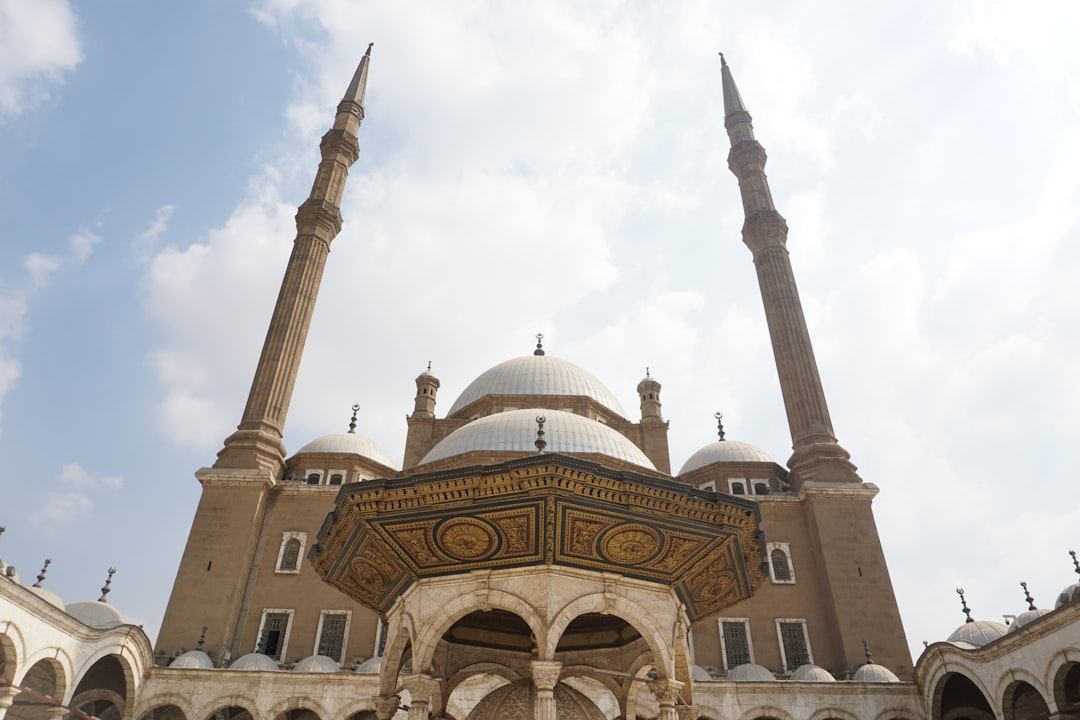
Mosque of Muhammad Ali with towers
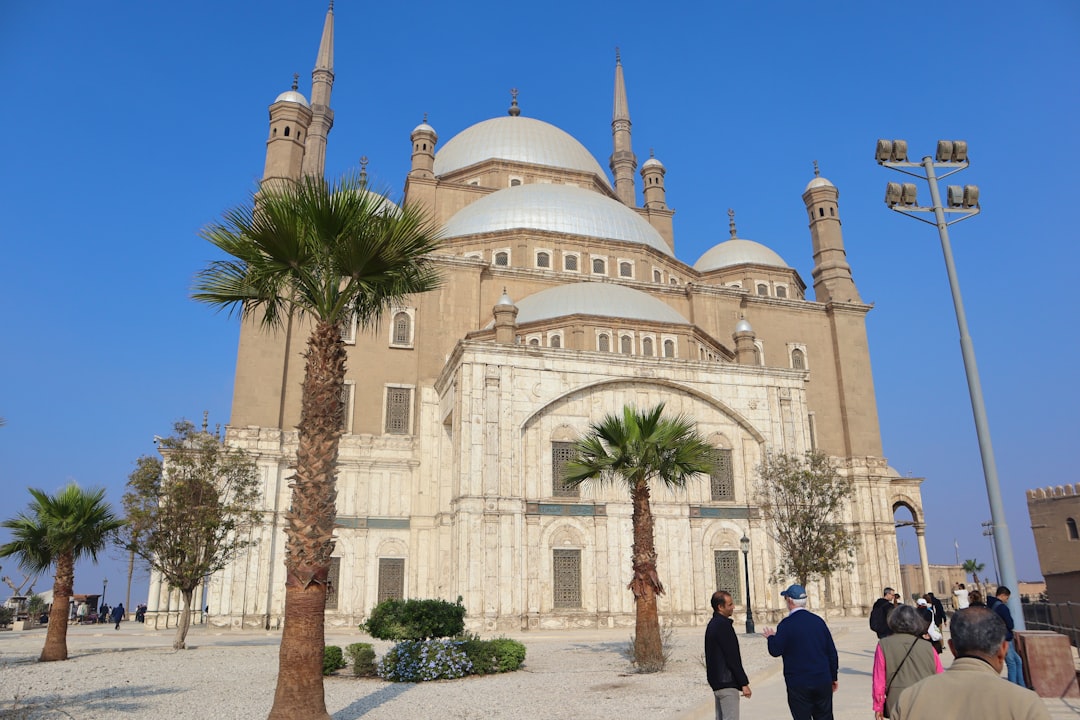
a group of people standing in front of a large building

Mosque of Muhammad Ali

Cairo, Egypt
i

Mosque of Muhammad Ali with towers

Photo by ludovico di giorgi

High above a sea of stone buildings, the Mosque of Muhammad Ali rises boldly against the Cairo sky. Its great domes gleam in the sun. Its minarets reach for the clouds, visible from far across the city. Known affectionately as the Alabaster Mosque, this landmark draws travelers and locals alike for more than just its beauty. It offers sweeping city views, inspiring history, and a serene atmosphere rarely found amid Cairo’s hurried energy. Exploring it is like peeling back layers of centuries—each room, courtyard, and passageway telling a unique story.

Visiting Info

Currency
Entrance fee
300 EGP

Contact Information

Location
Address
Salah al-Din, al-Ayyubi, Saladin, Cairo Governorate 4252360, Egypt

Planning your visit

Thoughtful planning makes a trip to the Mosque of Muhammad Ali memorable and stress-free. Sitting at the heart of the ancient Citadel of Cairo, the mosque welcomes visitors year-round—but timing and simple preparation can make a big difference. While ticket lines can grow during weekends and holidays, early-morning hours reward travelers with fewer crowds and softer light for photos. The site is manageable for most visitors, though some sloped paths can be tricky for wheelchairs or strollers. The grandeur is worth every step.

  • Best time to visit: Weekdays, early morning or late afternoon, from October to April (cooler weather and soft light).
  • How to get there: Taxi or ride-hailing apps are most direct; take the metro to El-Sayeda Zeinab or Mar Girgis, then continue by cab up the hill to the Citadel entrance.
  • Accessibility: Families are welcome, but note uneven walkways; wheelchairs possible with assistance, and strollers may need to be carried at points.
  • Average visit duration: 1–2 hours, including time to explore the mosque and the surrounding Citadel grounds.

Must see stuff

Few places rival the mosque for its delicate blend of history, faith, and architectural genius. Past heavy gates and sunlit courtyards, visitors step into a world shaped by Muhammad Ali Pasha, a leader determined to leave his mark on modern Egypt. The calm within surprises many, with soft carpets and richly colored stained glass filtering the day’s glare. Beyond the famous dome, every angle reveals something different: hushed interior corners, panoramic terraces, or intricate marbles hand-polished over centuries. When the call to prayer sweeps over the city, even the smallest details seem charged with meaning.

  • Key sights or features: The massive central dome, twin slender minarets, detailed mihrab and pulpit, Muhammad Ali Pasha’s tomb, and the glimmering alabaster-clad walls.
  • Unique experiences: Watch the sun set across Old Cairo from the southern terrace; join a guided Citadel history walk; or find a quiet spot by one of the side arches for reflection.
  • Photo-worthy locations: The central courtyard’s marble fountain, city skyline views through the open arches, and colorful stained glass designs inside the main prayer hall.
  • Cultural or historical facts: Completed in 1848, inspired by Istanbul’s Hagia Sophia, the mosque honors the founder of modern Egypt and stands as a testament to Ottoman influence in North Africa.

Tips for your visit

A few small adjustments can make a big difference when exploring large landmarks like this. Heat and crowds become less of a bother with smart timing and the right essentials in your bag. Modest dress is expected inside, and respectful behavior is important—remove your shoes before stepping onto sacred carpets, speak quietly, and skip selfies during prayer times. If visiting in summer, prepare for both blazing sunshine outdoors and cooler shade inside. While friendly staff and guides are ready to help, always keep an eye on personal belongings, just as anywhere busy and popular.

  • Best times to avoid crowds: Arrive at opening time or close to sunset, especially during Ramadan or off-peak months.
  • What to bring: Water bottle, camera, sun hat, and comfortable shoes—mosque interiors require shoe removal, so easy-on/off styles work best.
  • Local etiquette or rules: Dress modestly (covered shoulders and knees); women may want to pack a scarf; ask before photographing worshippers; remain quiet during prayers.
  • Safety or comfort advice: Sunscreen and water are musts for the walkways; there are a few stalls nearby for snacks, but crowds can make exits slow—allow extra time if you’re heading back into downtown traffic.