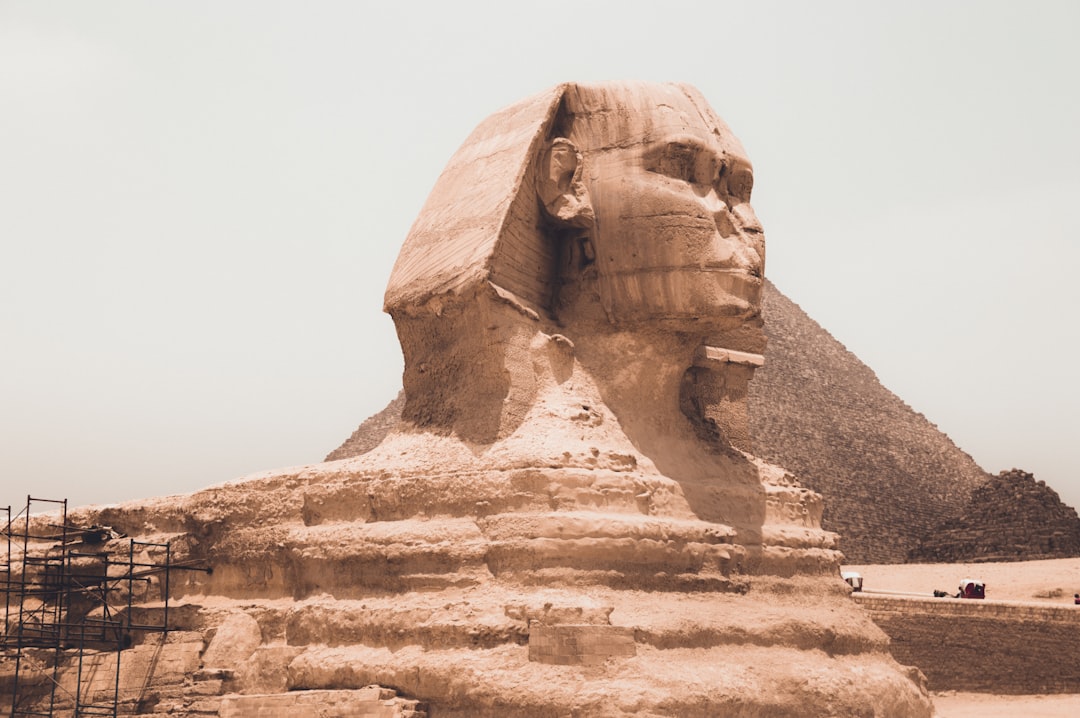
The Sphynx, Egypt
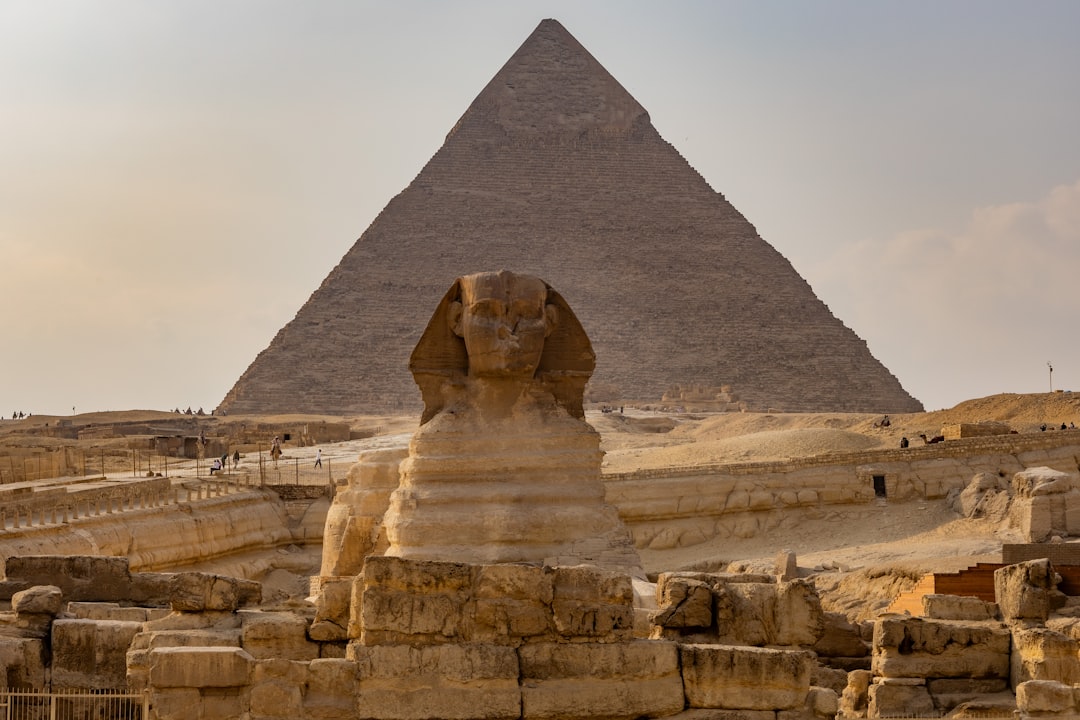
The sphinx and the great pyramid of giza

Great Sphinx of Giza

Cairo, Egypt
i

The Sphynx, Egypt

Photo by Adrian Dascal

Stone and mystery blend silently beneath the Egyptian sky, where the Great Sphinx of Giza crouches at the edge of the ancient world. Towering and cryptic, this legendary guardian has watched over the Giza Plateau for more than 4,000 years, captivating travelers, historians, and dreamers alike. The Sphinx is more than a monument; it is a symbol of Egypt’s enduring spirit—equal parts puzzle, wonder, and timeless allure.

Visiting Info

Currency
Entrance fee
200 EGP
Hours
Opening hours
Monday: 7:00 AM – 4:00 PM
Tuesday: 7:00 AM – 4:00 PM
Wednesday: 7:00 AM – 4:00 PM
Thursday: 7:00 AM – 4:00 PM
Friday: 7:00 AM – 4:00 PM
Saturday: 7:00 AM – 4:00 PM
Sunday: 7:00 AM – 4:00 PM

Contact Information

Location
Address
Al Haram, Giza Governorate 3512201, Egypt

Planning your visit

Organizing a trip to the Great Sphinx of Giza calls for a little preparation, but the effort pays off with unforgettable memories. Early mornings bring cooler air and softer light, while late afternoons promise quieter pathways as tour groups disperse. Many taxis and rideshare services in Cairo offer direct transfers, while public buses and organized tours include stops at the Sphinx as part of the larger Giza complex. The main entrance to the Sphinx site is well-marked but can get busy, especially during weekends and holidays. Family travelers, seniors, and those with limited mobility should expect some walking on uneven ground but manageable distances.

  • Best time to visit: October to April for mild weather; sunrise or sunset for smaller crowds and dramatic light.
  • How to get there: Taxi, rideshare, or guided tour from downtown Cairo (about 30-45 minutes); public buses to the Giza complex.
  • Accessibility: Paths are mostly flat but sandy; stroller- and wheelchair-accessible areas near the main view points, though some sections are rougher.
  • Average visit duration: 1-2 hours covers the Sphinx plus key viewpoints; longer if combined with the pyramids and solar boat museum.

Must see stuff

The Sphinx stands boldly in the shadow of the towering pyramids, instantly drawing eyes with its enigmatic face and reclining lion’s body. Up close, intricate details etched into ancient limestone—like the delicate headdress or the faint trace of a beard—hint at lost legends. The official viewing terrace provides a sweeping, unobstructed angle. Nearby, souvenir sellers offer keepsakes, while local camel drivers pose their animals for photos against the Sphinx’s profile. For those with extra time, nearby tombs and the remnants of temple walls reveal secrets beyond the usual postcard view.

  • Key sights or features: The Sphinx monument itself, frontal viewing terrace, and the Valley Temple adjacent to the statue.
  • Unique experiences: Sunrise or sunset photography; booking a guided tour to learn lesser-known facts; walking the passage to the ancient worker’s graves.
  • Photo-worthy locations: Side angles showing the Sphinx and pyramids aligned; close-ups of paws and headdress carvings; the Valley Temple ruins for atmospheric shots.
  • Cultural or historical facts: Built around 2500 BC, the Sphinx is carved from a single limestone ridge. Many believe the face represents Pharaoh Khafre, yet debate continues about its original purpose and symbolic meaning.

Tips for your visit

Smart planning smooths the path during a visit to the Great Sphinx. Early birds find cooler temperatures and softer crowds, while later afternoon visits often escape the busloads of tourists. Extra sunscreen goes a long way, as the Giza Plateau offers little shade. Bringing water and comfortable shoes can mean the difference between a rushed visit and a relaxed stroll. While local guides enhance the experience, friendly yet persistent vendors may approach; a polite “No, thank you” usually works best. Security is strong at the site, but as with any major landmark, keeping valuables secure is wise.

  • Best times to avoid crowds: Arrive before 9 am or after 3 pm.
  • What to bring: Hat, water bottle, camera, sunglasses, comfortable walking shoes.
  • Local etiquette or rules: Dress modestly (shoulders and knees covered); do not climb on barriers or the monument itself; ask before photographing locals or animals.
  • Safety or comfort advice: Stay hydrated; expect some uneven paths; stay with your group if traveling with kids; be aware of heat during summer months.