budapest, great market hall, building, architecture, hungary, budapest, budapest, budapest, budapest, budapest, hungary
market hall, budapest, hungary, historically, food, fruit, vegetables, covered, nagycsarnok, vasarcsarnok, historical, central, budapest, budapest, budapest, budapest, budapest

Great Market Hall

Budapest, Hungary
i

budapest, great market hall, building, architecture, hungary, budapest, budapest, budapest, budapest, budapest, hungary

Photo by ArvidO

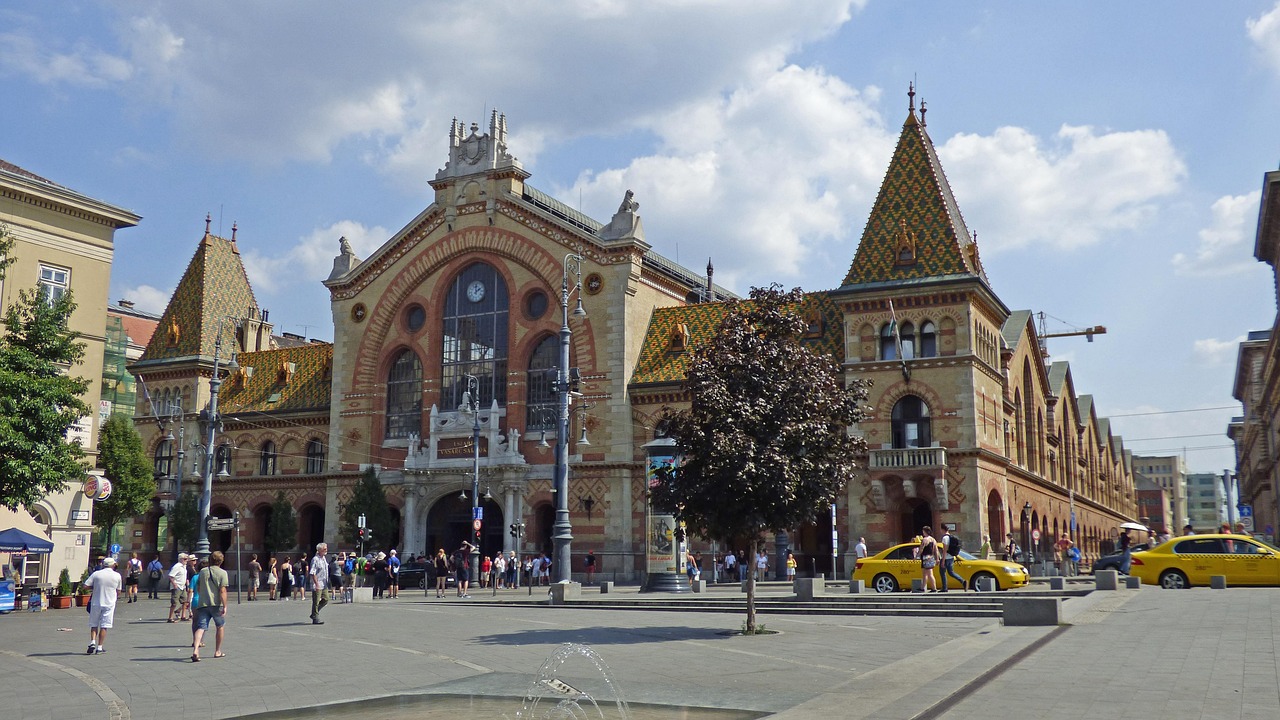
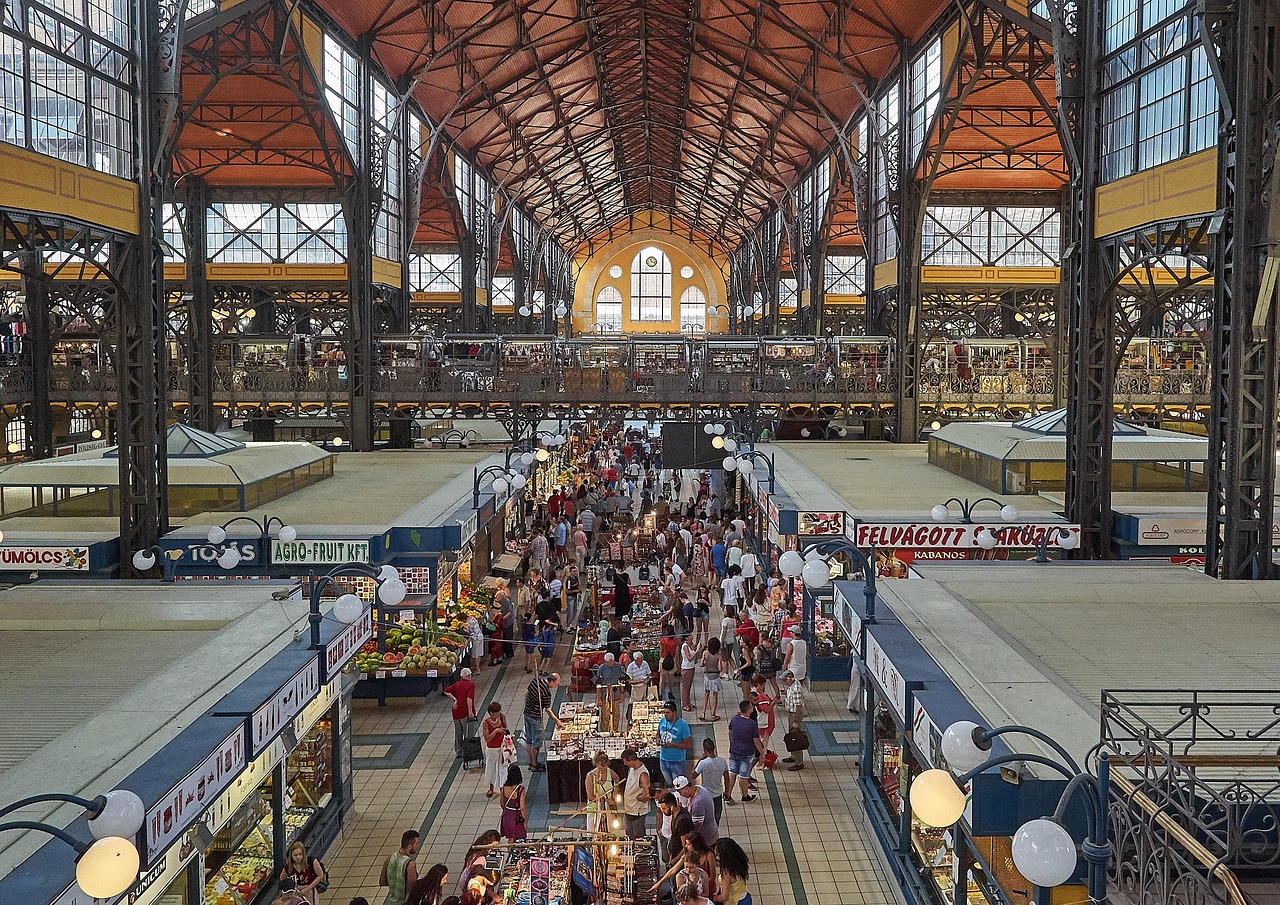
Under soaring glass and cast iron, where the air weaves together spice, laughter, and the clatter of market carts, Great Market Hall fills the senses. Here, the city’s heartbeat pulses among piles of glossy peppers, pyramids of pastries, and a steady stream of locals trading news over smoked sausage. The hall itself—an architectural giant dating from the 1890s—beckons visitors who want to taste, shop, and connect with both old-world tradition and contemporary life, all beneath a spectacular tiled roof.

Visiting Info

Currency
Entrance fee
Free
Hours
Opening hours
Monday: 6:00 AM – 6:00 PM
Tuesday: 6:00 AM – 6:00 PM
Wednesday: 6:00 AM – 6:00 PM
Thursday: 6:00 AM – 6:00 PM
Friday: 6:00 AM – 6:00 PM
Saturday: 6:00 AM – 4:00 PM
Sunday: 10:00 AM – 4:00 PM

Contact Information

Location
Address
Budapest, 1093 Hungary

Planning your visit

A visit to Great Market Hall invites both spontaneous wanderers and meticulous planners. The ground floor bustles with the day’s commerce, while the upper gallery promises unique souvenirs and hearty meals near the food stalls. Crowds peak at lunchtime and on weekends, as locals gather ingredients for home-cooked dinners or meet friends under the stained-glass windows.
Advance tickets aren’t required—entry is free—but large tour groups often wind through the main aisle, so expect a lively, sometimes crowded scene. Getting there is easy thanks to the city’s dense public transport network, but weekdays in the early morning feel friendlier and less hectic, especially for families or visitors who need a more accessible environment.

  • Best time to visit: Early mornings on weekdays or late afternoon before closing; spring and autumn offer pleasant weather outside and slightly fewer crowds inside.
  • How to get there: Reach Great Market Hall by tram (Line 2), M3 metro line (Kalvin ter station), or on foot from central boulevards; several bus routes stop nearby.
  • Accessibility: Main entrances are step-free; elevators connect the floors, but some tight aisles can be tricky for wheelchairs or strollers during peak times.
  • Average visit duration: 1–2 hours for browsing and tasting; three hours if including lunch or extensive shopping.

Must see stuff

Every corner of Great Market Hall offers a snapshot of city life—ingredients for Sunday goulash, embroidered linens, piles of paprika in every possible shade. The stalls close to the entrance draw visitors with bursts of color—red peppers, salamis, fruit pyramids. Upstairs, the gallery tempts with handmade gifts, folk art, and food counters serving warm lángos—pillowy fried bread crowned with garlic and sour cream. Some stalls remain unchanged for decades, watched over by market veterans happy to share recipes or a taste of pickled vegetables.
Photographers love the hall’s natural light, especially from balcony railings that overlook the entire market floor. History lovers find stories lingering in every wrought-iron detail and the rhythmic flow of commerce that’s remained steady for over a century.

  • Key sights or features: Ornate tiled roof, stained glass windows, rows of paprika, salami, and regional produce.
  • Unique experiences: Sampling Hungarian street foods on the second floor; chatting with multi-generation stall owners about traditional recipes; exploring wine and spice stalls tucked away at the back for rare regional finds.
  • Photo-worthy locations: Balcony viewpoints, front facade under the Zsolnay tile roof, and the colorful produce displays near the main entrance.
  • Cultural or historical facts: Opened in 1897 as the city’s most ambitious market; survived bombings in World War II and a major restoration in the 1990s; central to local cooking traditions then and now.

Tips for your visit

An enjoyable trip to Great Market Hall means arriving prepared—comfortable walking shoes are a must for wandering long aisles and climbing stairs. Be ready for different prices: local basics cost less, but souvenir shops mark up trinkets for tourists. Some vendors don’t accept cards, so small change makes life easier. The market’s day is early: half-full by noon, winding down well before dinner, and closed on Sundays.
Locals appreciate polite browsing. Don’t touch fresh produce without being invited, and smile or say hello—"Jó napot!"—for a warmer welcome. It’s easy to get caught up in the cheerful noise and pace, but watch your bag in crowds; the bustle creates prime conditions for pickpockets. With these tips, the market feels welcoming and rewarding—a bright slice of city life.

  • Best times to avoid crowds: Arrive at opening (6am) or after 3pm on weekdays; avoid Saturdays when possible.
  • What to bring: Small bills and coins, a reusable bag, a camera, and hand sanitizer; water for summer visits.
  • Local etiquette or rules: Wait to be served at produce counters; avoid blocking narrow aisles; try a few Hungarian greetings.
  • Safety or comfort advice: Watch for slippery floors after rain; keep valuables secure in busy spots; pace yourself to avoid sensory overload.