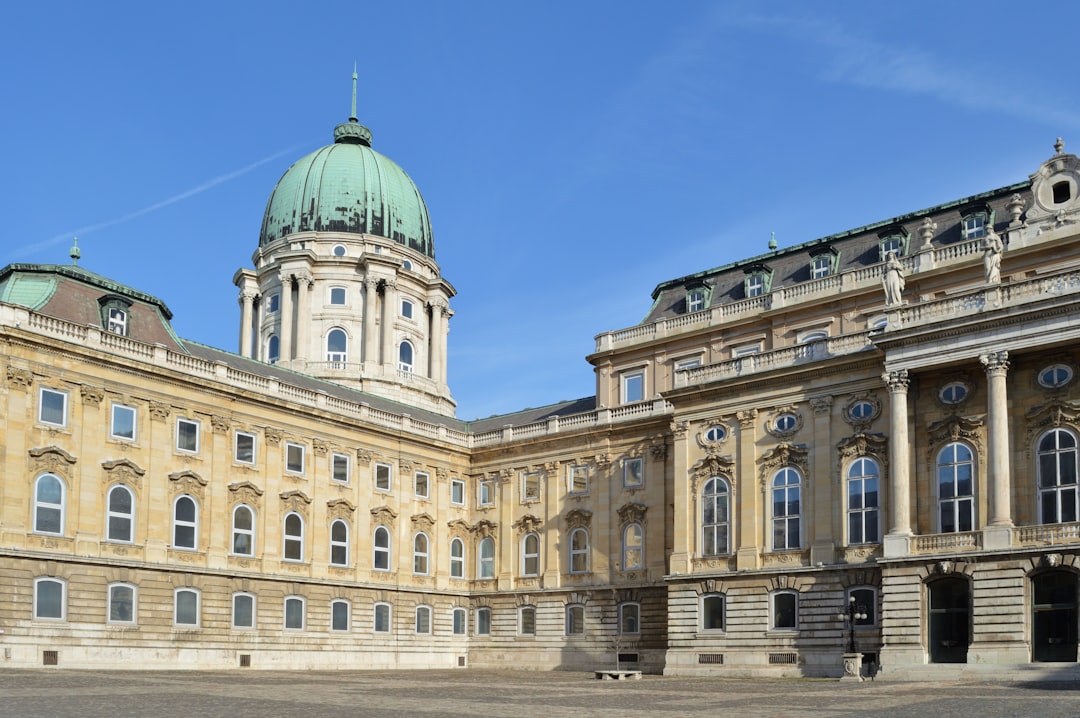
a large building with a domed roof
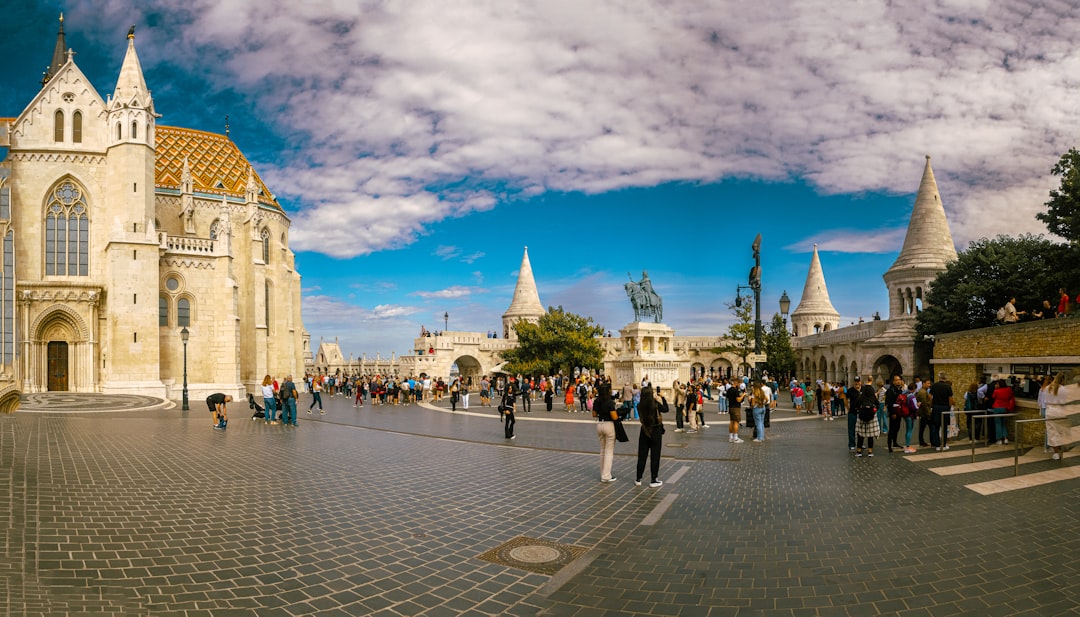
a group of people standing in front of a building
a large building with a dome on top of it

Buda Castle

Budapest, Hungary
i

a large building with a domed roof

Photo by Nemanja Ćirić

Morning light brushes ancient walls as echoes of footsteps drift across cobbled courtyards. At the heart of a storybook skyline, towering high above bustling streets below, rises Buda Castle—a fortress with secrets tucked into every stone. Here, centuries of kings and conquerors mingle with the rhythm of café conversations and the shimmer of river views. A visit promises not just stunning history, but moments that still belong to the city’s pulse.

Visiting Info

Currency
Entrance fee
Free

Contact Information

Location
Address
Budapest, Szent György tér, 1014 Hungary

Planning your visit

Buda Castle rewards both spontaneous wanderers and careful planners. While crowds gather for famous river panoramas and grand interiors, a bit of timing and route know-how can transform any visit into a personal adventure. Tickets are affordable, though lines can build during holidays and summer afternoons. Portions are stroller-friendly, but uneven paths invite sturdy shoes and a bit of patience.

  • Best time to visit: Spring and autumn showcase mild weather and softer crowds. Early mornings or evenings highlight golden light—and emptier walkways.
  • How to get there: Take the funicular from Clark Ádám Square for a classic entrance, or glide up with Bus 16. For walkers, the short hike from the river reveals panoramic city views with each step.
  • Accessibility: Most main areas are accessible for families, seniors, and those with mobility needs. Cobblestones and some stairs may limit complete access—check entry options ahead of time.
  • Average visit duration: Allow at least 2–3 hours to explore museums, gardens, and ramparts without rushing.

Must see stuff

Behind fortress walls, Buda Castle delivers layers of adventure. Imposing gates shield a world of royal courts, art collections, and quiet gardens. Historic tunnels run below; at sunset, terraces glow above the city. Even the ordinary becomes memorable, as street musicians fill archways with lively tunes and vendors sell sweet pastries steps from ancient statues.

  • Royal Palace: Explore restored halls housing the Hungarian National Gallery and Budapest History Museum—don’t miss treasures from Gothic altarpieces to royal artifacts.
  • Tower views: Fisherman’s Bastion, adjacent to the main complex, offers sweeping Danube panoramas perfect for photos—especially at dawn.
  • Courtyards & labyrinths: Wander wide courtyards, peek at trickling fountains, or follow less-traveled paths down to the former castle labyrinth—a quirky, candlelit experience with evocative echoes.
  • Local gems: Tucked beside the palace, Ruszwurm Cukrászda serves creamy cakes in a room lined with history. Farther along, tiny shops sell handmade crafts.
  • Historical notes: Battles and rebuilds shaped every angle, from Ottomans to Habsburg Empress Maria Theresa, making each statue a marker of turning tides.

Tips for your visit

Smart planning brings Buda Castle to life without the strain of crowded afternoons or sore feet. Mornings promise the freshest air and undisrupted photos, while quiet corners stay peaceful even on busy days. Local etiquette encourages slow, respectful movement—especially inside museums or during evening events. Refresh with water and snacks, but savor local bakeries if time allows. And while security is present and the neighborhood is safe, a lookout for pickpockets never hurts, especially during festivals.

  • Best times to avoid crowds: Arrive just after opening, or linger until sunset when day-trippers head home.
  • What to bring: Water bottle, camera, sun protection, and sturdy walking shoes are essential. A lightweight jacket suits breezy ramparts.
  • Local etiquette: Speak quietly in galleries, and watch for roped areas or signs—some spaces are reserved for local events.
  • Safety & comfort: Keep belongings close in crowded spots, and pace yourself—elevators and trams help when legs get tired.